
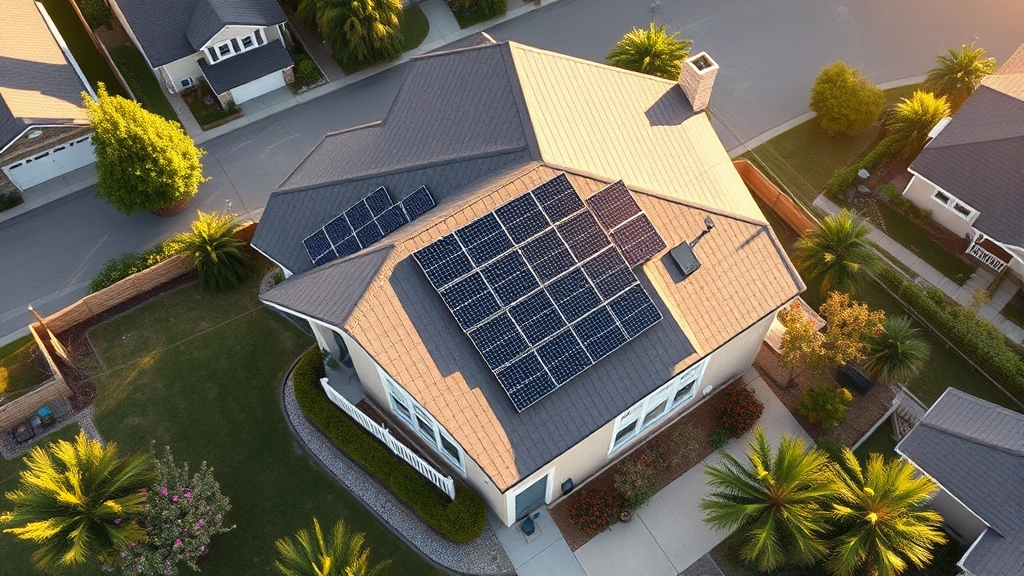
Figuring out how many solar panels to power a house isn’t as complicated as it sounds—it comes down to understanding your energy needs, your roof space, and your budget. Whether you’re looking to go completely off-grid or just trim your electric bill, I’ll walk you through the real numbers and help you make an informed decision.
Table of Contents
Calculate Your Energy Needs
Start by pulling up your last 12 months of electric bills. You’re looking for your average monthly kilowatt-hour (kWh) consumption. Most households use between 20-30 kWh per day, though this varies wildly depending on climate, appliances, and lifestyle.
Here’s the quick math: if you use 900 kWh per month, that’s about 30 kWh daily. To generate that with solar panels, you need to account for the fact that panels don’t run at full capacity 24/7. This is where things get real—your actual panel count depends on several other factors working together.
Write down your daily average in kWh. This number is your foundation for everything else.
Understand Panel Wattage
Modern residential solar panels typically range from 300 to 400 watts each. A 400-watt panel is standard these days, though you’ll find 350-watt and 370-watt options too. The wattage rating is the maximum output under ideal conditions—full sun, cool temperature, clean surface.
Don’t get hung up on finding the “perfect” wattage. Higher wattage panels just mean fewer panels needed for the same total output, which matters if roof space is tight. For most homes, 15-25 panels covers the typical energy needs.
The key insight: wattage is just one piece. A 400-watt panel in cloudy Seattle won’t produce the same annual energy as one in sunny Arizona, even if they’re identical models.
Account for Efficiency Losses
Here’s where rookie mistakes happen. Panels don’t operate at their rated wattage all day long. You’ll lose efficiency due to:
- Temperature: Panels lose efficiency as they heat up. Hot days mean lower output than you’d expect.
- Angle and orientation: If your roof doesn’t face south (in the Northern Hemisphere), output drops.
- Shading: Even partial shade from trees or chimneys kills productivity.
- Inverter losses: Converting DC to AC power costs you about 5-10%.
- Wiring and connection losses: Another 2-3% gone.
- Dirt and weather: Dust, bird droppings, and snow reduce output.
In real-world conditions, expect 70-85% of rated capacity on average. Use 75% as your working estimate unless you have specific data about your location.
Roof Space Requirements
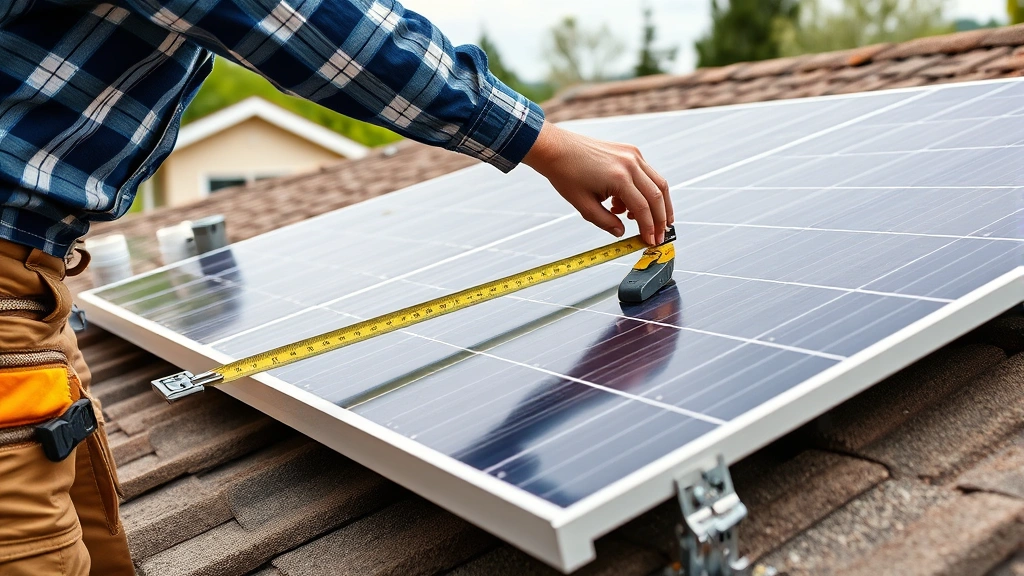
Each modern solar panel takes up about 17-18 square feet. If you need 20 panels, that’s roughly 340-360 square feet of roof space. Most residential roofs have plenty of room, but south-facing orientation matters more than raw square footage.
Before you get excited, check for obstacles: vents, chimneys, skylights, and roof penetrations eat into usable space. Also consider roof age—if you’re replacing your roof soon, do that first. Removing panels for reroofing costs money.
A good rule of thumb: if you can fit 20-25 panels on your south-facing roof without major shading issues, you’re in good shape for a standard residential system.
Regional Sunlight Factors
This is huge and often overlooked. Someone in Denver gets way more usable sunlight than someone in Portland, even though they’re both in the US. Professionals use something called “peak sun hours”—the equivalent number of hours at full intensity your location receives daily.
Denver averages 5.5 peak sun hours daily. Portland gets about 4. Florida’s around 4.5. This directly affects how many panels you need. A home in Portland might need 30% more panels than an identical home in Denver to generate the same annual energy.
Check your local solar resource data through the NREL PVWatts calculator to find your specific peak sun hours. It’s free and accurate.
Battery Storage Considerations
If you want power at night or during cloudy stretches, you need batteries. This is where costs jump significantly. A typical battery system for a home runs $10,000-$15,000 installed, and that’s just for one day of backup power.
Batteries also affect your panel count calculation. If you’re storing energy for nighttime use, you might need 20-30% more panel capacity to both power your home during the day AND charge batteries for evening use.
Grid-tied systems (where you’re connected to the utility) avoid this problem entirely—excess power goes to the grid, and you pull power back at night. Off-grid systems need batteries or a backup generator.
Grid-Tied vs Off-Grid Systems
Most residential solar installations are grid-tied. You generate power, use what you need, and send excess to the utility. At night, you pull from the grid. Your electric meter spins backward when you’re generating more than you use.
Off-grid systems are completely independent but require battery storage and usually a backup generator. They’re more complex and expensive, suited for remote locations or people committed to energy independence.
For grid-tied systems, you typically need fewer panels because you’re not covering 100% of nighttime usage. For off-grid, you need to cover your entire daily consumption plus charging batteries, which means significantly more panels.
Cost and ROI Analysis
Solar costs have dropped dramatically. A typical residential system runs $2.50-$3.50 per watt after accounting for installation, permits, and equipment. A 7kW system (roughly 18-20 panels) costs around $17,500-$24,500 before incentives.
The federal Investment Tax Credit currently covers 30% of costs, dropping to 26% in 2033. Many states offer additional rebates. With incentives, that 7kW system might cost $12,000-$17,000.
Payback periods typically range from 6-12 years, depending on your local electricity rates and sunlight. After that, you’re generating essentially free power for 20+ more years. Most panels come with 25-year warranties.
Installation Timeline
From initial consultation to flipping the switch usually takes 2-4 months. Permitting can be the slowest part, especially in areas with strict building codes. The actual installation typically takes 1-3 days.
If you need electrical upgrades or a new service panel, add another month. Battery systems add complexity and time.
Start the process early if you want power generation by a specific season. Winter installations in northern climates mean you’re waiting for better sun angles anyway.
Frequently Asked Questions
How many solar panels do I need for a 2000 sq ft house?
House size doesn’t directly determine panel needs—energy consumption does. A 2000 sq ft house with efficient appliances might use 15 kWh daily and need 15-18 panels, while a poorly insulated one using 40 kWh daily needs 35-40 panels. Check your electric bills first.
Can solar panels power my whole house?
Yes, if you have enough roof space and your location gets decent sunlight. Most homes can generate 80-100% of their electricity with solar. Grid-tied systems make this easier since you can use utility power as backup.
Do I need batteries for solar panels?
Not if you’re grid-tied. You use grid power at night and send excess power during the day. Batteries are necessary for off-grid systems or if you want backup power during outages.
What’s the average number of panels for a home?
Most residential systems use 15-25 panels. A typical 6-8kW system (which covers average household needs) requires about 18-20 modern 400-watt panels.
How much roof space do 20 solar panels need?
About 340-360 square feet, assuming each panel is roughly 17.5 square feet. Most homes have sufficient south-facing roof space, but orientation and shading matter more than total area.
Will solar panels work on a cloudy day?
Yes, but at reduced capacity—typically 10-25% of rated output. Cloudy climates need more panels to meet the same energy goals as sunny regions.
Final Thoughts
Calculating how many solar panels to power a house comes down to three things: your daily energy consumption, your location’s sunlight availability, and your roof’s south-facing space. Start with your electric bills, use the NREL calculator for your region, and talk to at least three installers for quotes.
The math isn’t complicated once you gather the real data. Most homes can go solar affordably, especially with current incentives. The technology works, the economics make sense for most people, and you’ll sleep better knowing you’re generating clean power.
For more insight on energy systems, check out our guides on battery basics and electrical fundamentals. If you’re considering this seriously, get a professional solar assessment—it’s usually free and takes the guesswork out of sizing your system.


