
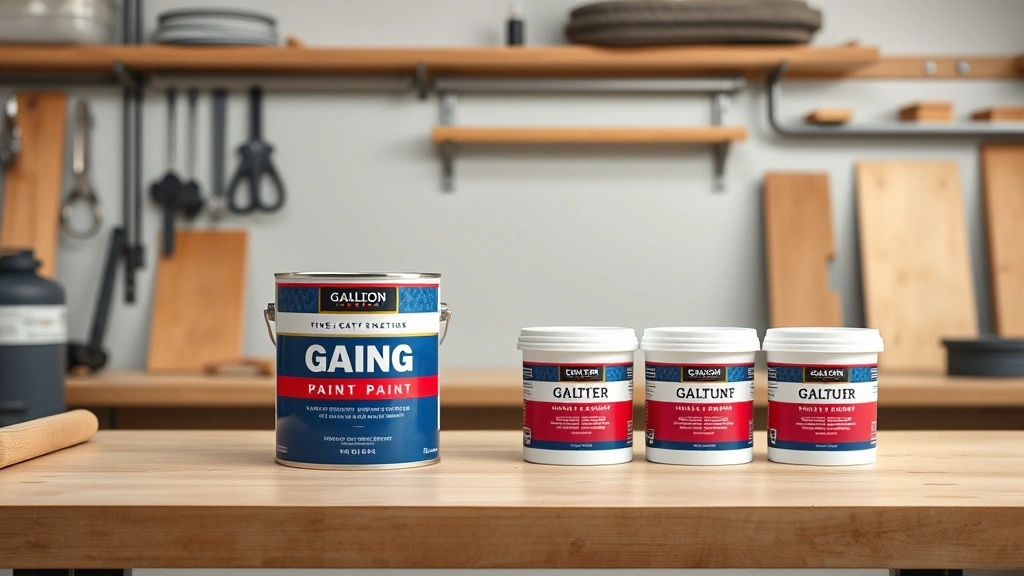
If you’ve ever stood in your workshop or kitchen wondering how many quarts to a gallon, you’re not alone. This is one of those measurements that trips up everyone from DIYers to home cooks, and honestly, it’s way more useful to know than you’d think. Whether you’re mixing paint, measuring motor oil, or scaling up a recipe, nailing down this conversion will save you time and headaches.
Table of Contents
The Basic Answer
Let’s cut right to it: there are 4 quarts in 1 gallon. That’s it. Simple, straightforward, and something you’ll use over and over again. One gallon equals four quarts, every single time, no exceptions. Whether you’re dealing with milk, gasoline, paint thinner, or anything else measured in these units, this ratio never changes.
This is the foundation of liquid measurement in the US customary system, and it’s been standardized for centuries. Once you lock this number into your brain, you’ve got the key to unlocking all kinds of conversions.
Why This Matters in DIY
You might be thinking, “Why do I need to know this?” Fair question. Picture yourself at the hardware store buying paint for a room. The label says you need 2 gallons, but they’re out of the 1-gallon cans—they’ve only got quarts. Boom. You instantly know you need 8 quarts (2 gallons × 4 quarts). No phone calculator needed, no standing around confused.
Or maybe you’re checking your car’s oil level and need to top it off. The manual tells you the capacity, but you’re thinking in quarts because that’s how you’ve always bought oil. Knowing this conversion keeps you from making expensive mistakes. Same goes for mixing chemicals, scaling recipes, or managing any liquid project in your home.
Quick Math Breakdown
The math here is beautifully simple because it’s just multiplication and division:
- Gallons to Quarts: Multiply by 4. (3 gallons × 4 = 12 quarts)
- Quarts to Gallons: Divide by 4. (16 quarts ÷ 4 = 4 gallons)
- Half Gallon: 2 quarts (exactly half of 4)
- Quarter Gallon: 1 quart (exactly one-quarter of 4)
That’s all you need. No fancy formulas, no complicated steps. If you can multiply or divide by 4, you’ve got this conversion locked down. It’s one of the few measurements that doesn’t require a calculator or a conversion chart if you’re comfortable with basic math.
Real-World Applications
Let’s talk about where this actually matters in your daily life. If you’re mixing up a batch of homemade cleaning solution or checking out a hot honey recipe, you’ll need to know these conversions. When you’re preparing for a cooking project and need to understand measurements, knowing how long to steam asparagus also means understanding the water volumes involved.
In the workshop, this matters constantly. You’re mixing epoxy, thinning paint, measuring coolant for power tools, or adding hydraulic fluid to equipment. Get the ratio wrong, and your project fails. Get it right, and you move forward confidently. Even when you’re planning something like griddle recipes, understanding liquid measurements helps you scale portions correctly.
Home maintenance projects rely on this too. Checking your vehicle’s coolant, topping off washer fluid, measuring fuel additives—all of these depend on understanding how quarts and gallons relate to each other. According to the EPA’s fuel economy resources, understanding fluid measurements is critical for proper vehicle maintenance.
Handy Conversion Chart
Here’s a quick reference you can bookmark or print out for your workshop:
| Gallons | Quarts |
|---|---|
| 0.25 | 1 |
| 0.5 | 2 |
| 1 | 4 |
| 2 | 8 |
| 3 | 12 |
| 5 | 20 |
| 10 | 40 |
Keep this chart handy when you’re at the store or planning a project. It takes the guesswork out of conversions and keeps you moving forward without hesitation.
Common Mistakes to Avoid
Even though this conversion is simple, people still mess it up. Here are the biggest mistakes I see:
Confusing quarts with cups: A quart is NOT the same as a cup. A quart contains 4 cups. If you’re measuring liquids for cooking, don’t mix these up or your recipe will be a disaster. When you’re making something like homemade butter recipe, precision matters.
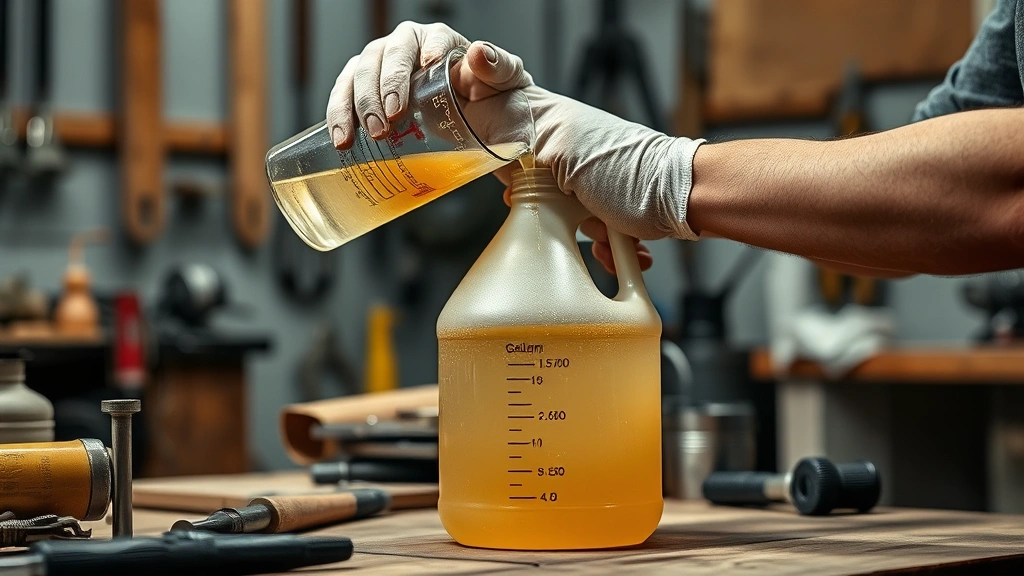
Assuming all measurements are the same: The US customary system has different measurements for liquid and dry goods. A liquid quart and a dry quart are NOT the same volume. We’ll cover this more in the next section, but it’s important to know which one you’re dealing with.
Rounding too early: If you’re scaling a project, do your math first, then round. Rounding 3.7 quarts down to 3 quarts might seem close, but it’s actually 25% less liquid. That matters.
Not double-checking the label: Always verify what unit the product is actually measured in. Some items list volume in milliliters, some in quarts, some in gallons. Don’t assume—read the label.
Liquid vs. Dry Measurements
Here’s where it gets tricky. In the US customary system, we have two different types of quarts: liquid quarts and dry quarts. They’re not the same, and mixing them up can ruin your project.
Liquid Quarts: Used for liquids like water, milk, oil, paint, and anything else that flows. 1 liquid gallon = 4 liquid quarts. This is what we’ve been talking about throughout this article.
Dry Quarts: Used for dry ingredients like flour, sugar, beans, and grains. 1 dry gallon = 4 dry quarts. BUT—and this is important—1 dry quart is slightly larger than 1 liquid quart. A dry quart equals about 1.16 liquid quarts.
Why does this matter? If you’re cooking and using the wrong measurement type, your recipe will be off. If you’re measuring grain for storage or flour for baking, you need the dry measurement. If you’re measuring milk for how long to steam crab legs or any liquid-based cooking, you need the liquid measurement.
In most DIY and workshop situations, you’re dealing with liquid quarts. Paint, oil, coolant, gasoline—all liquid measurements. But it’s good to know the difference exists.
Pro Tips for Accurate Measuring
Want to nail your measurements every single time? Here’s what I do:
Use proper containers: Get yourself a set of measuring containers marked clearly with both gallons and quarts. Don’t eyeball it or use random jars. Proper tools take the guesswork out.
Measure at eye level: When you’re pouring liquid into a container, get down to eye level with the measurement line. Measuring from above or below will throw off your reading by enough to matter.
Keep a conversion reference handy: Stick a conversion chart in your workshop, garage, or kitchen. When you’re in the middle of a project, you don’t want to be hunting for this information.
Double-check before you pour: If you’re mixing chemicals or scaling a recipe, do your math twice. Measure, verify your calculation, then measure again. It takes 30 seconds and prevents disasters.
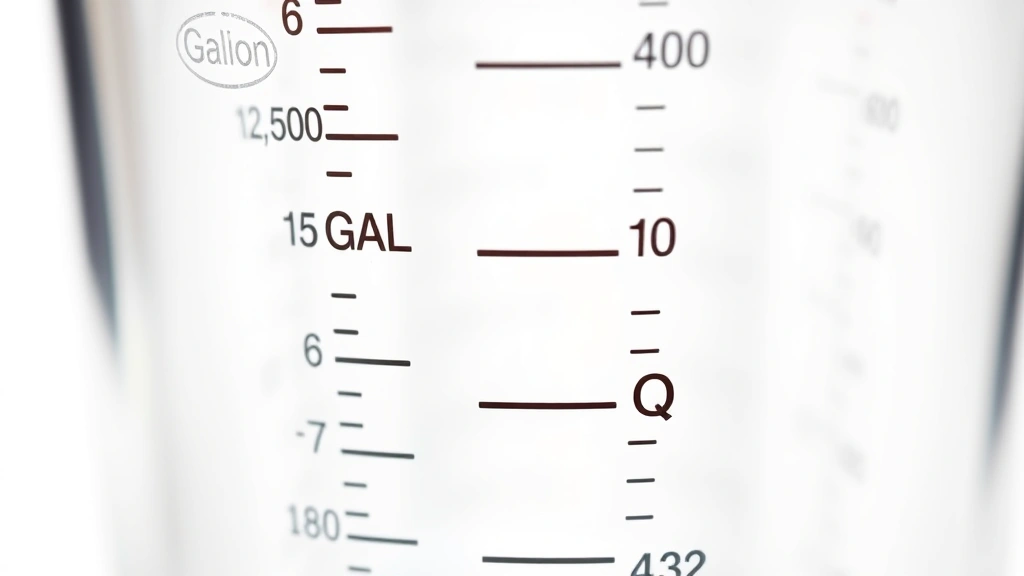
Know your container: When you buy a container of something, write on it what it holds. If you’ve got a jug that holds 2 gallons, mark it. You’ll use that information over and over.
According to Family Handyman’s measurement guides, precision in measuring is the foundation of any successful project, whether you’re cooking or building.
Frequently Asked Questions
How many quarts are in a gallon?
There are exactly 4 quarts in 1 gallon. This is a fixed conversion in the US customary measurement system and never changes.
How do I convert quarts to gallons quickly?
Divide the number of quarts by 4. So 12 quarts ÷ 4 = 3 gallons. It’s simple division.
Is a quart the same as a liter?
No. A US liquid quart is approximately 0.946 liters. A liter is about 1.06 quarts. They’re close, but not the same. If you need metric conversions, you’ll need to use a proper conversion factor.
What’s the difference between a liquid quart and a dry quart?
A liquid quart is used for fluids and equals about 946 milliliters. A dry quart is used for dry ingredients and is slightly larger at about 1,101 milliliters. They’re not interchangeable.
How many cups are in a quart?
There are 4 cups in 1 quart. So if you know there are 4 quarts in a gallon, that means there are 16 cups in a gallon (4 quarts × 4 cups).
Can I use quarts and gallons interchangeably in recipes?
Only if you do the conversion correctly. You can’t just swap the words—you need to multiply or divide appropriately. If a recipe calls for 2 quarts and you want to use gallons, that’s 0.5 gallons.
What if I need to measure something smaller than a quart?
A quart breaks down into pints (2 pints per quart) and cups (4 cups per quart). For even smaller measurements, use fluid ounces (32 fluid ounces per quart).
Why is this conversion important for DIY projects?
Many materials you buy—paint, stain, solvents, oils—come in different container sizes. Knowing this conversion lets you calculate exactly how much you need without confusion or waste.
Final Thoughts
Knowing how many quarts to a gallon is one of those foundational pieces of knowledge that pays dividends every single time you’re in the workshop, kitchen, or garage. It’s simple (4 quarts per gallon), it’s unchanging, and it’s incredibly useful. Commit it to memory, keep a conversion chart nearby, and you’ll never be caught off-guard by a measurement question again. Whether you’re planning a major home project like how long to cook a spiral ham or tackling routine maintenance, this conversion is your foundation. Now get out there and measure with confidence.


