
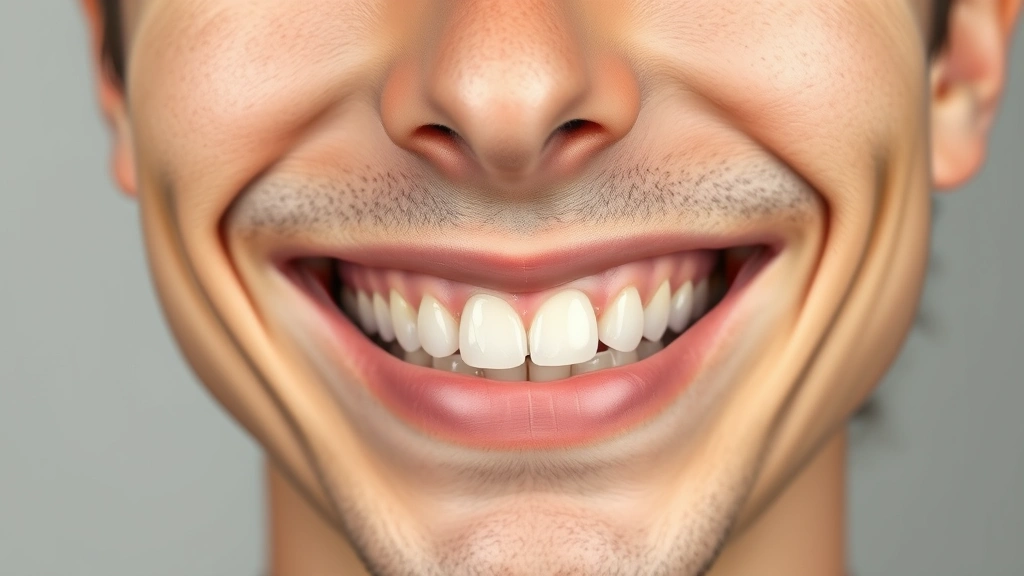
Ever heard someone say it takes 43 muscles to frown but only 17 to smile? Well, grab your mental toolkit because we’re about to dismantle that myth and rebuild it with actual facts. The truth about how many muscles does it take to smile is way more interesting than the oversimplified numbers floating around, and understanding your facial anatomy can genuinely change how you think about expression.
Table of Contents
The Myth Debunked
Let’s be straight: that 43-versus-17 muscle thing? It’s been passed around so much that nobody actually knows where it came from. Anatomists have done the math, and the real answer is way messier. A genuine smile might use anywhere from 5 to 20 muscles depending on the type of smile, the person, and how hard they’re working at it. Some research suggests frowning actually uses fewer muscles than smiling, which flips the whole motivational poster upside down.
The problem is that facial anatomy varies from person to person. Your neighbor’s face isn’t wired exactly like yours. Plus, muscles work in combinations and groups, making precise counts nearly impossible. It’s like asking how many tools it takes to build a bookshelf—technically you could use just a hammer, but most people use several working together.
Facial Muscles Breakdown
Your face has about 43 muscles total (funny coincidence with that myth number, right?). These are divided into groups that control different regions. The main players for smiling include the zygomaticus major and zygomaticus minor, which pull the corners of your mouth upward. The orbicularis oculi muscles around your eyes get involved in genuine smiles, creating crow’s feet. The risorius pulls your lips sideways, and the levator labii superioris lifts your upper lip.
Beyond those primary movers, you’ve got stabilizer muscles keeping everything balanced. The buccinator compresses your cheeks, the platysma tenses your neck, and various muscles around your mouth adjust the shape and tension. It’s a coordinated effort, kind of like how chiropractors understand the interconnected nature of body mechanics—everything’s connected and working together.
Different Smile Types Matter
Not all smiles are created equal, and neither is their muscle count. A polite, closed-mouth smile uses minimal effort—maybe 5-10 muscles doing light work. A genuine Duchenne smile (the real deal with eye involvement) cranks up the complexity significantly, recruiting 15-20 muscles in coordinated action. Then you’ve got the big, open-mouth laugh-smile, which is practically a full facial workout.
A smirk? That’s asymmetrical and uses completely different muscle combinations than a full smile. A nervous smile activates different muscles than a confident one. Context matters. Your brain is essentially running different subroutines depending on what kind of smile you’re attempting. This is why you can usually tell when someone’s faking it—the muscle patterns are all wrong.
Genuine vs. Fake Smiles
Here’s where it gets fascinating: genuine smiles involve your eyes in a way fake smiles don’t. That orbicularis oculi muscle doesn’t respond well to conscious control. You can force your mouth into a smile shape all day, but getting those eye muscles to crinkle naturally? That requires actual positive emotion. This is called the Duchenne marker, named after the French anatomist who figured this out back in 1862.
Fake smiles tend to be symmetrical and involve mainly the zygomatic muscles pulling your mouth corners up. Genuine smiles are often slightly asymmetrical and include that eye involvement that makes you look alive. If you’ve ever tried to smile for a camera and felt awkward, you were probably using 8-10 muscles doing their best impression of happiness while your brain wasn’t actually there. It’s like the difference between a professionally finished project and a rushed job.
The Coordination Factor
The real complexity isn’t about counting individual muscles—it’s about how your nervous system coordinates them. Your brain sends signals through the facial nerve (cranial nerve VII) to orchestrate this whole symphony. When you smile, you’re not thinking about which muscles to activate; your motor cortex handles it automatically. But the level of coordination required is actually pretty impressive.
Think of it like a team project where everyone needs to show up on time and do their part. The timing has to be right, the force has to be balanced, and everything needs to look natural. This is why people with Bell’s palsy (facial nerve damage) struggle to smile naturally—the coordination gets scrambled even though the muscles themselves are fine. Understanding this reminds us that healing and recovery involve complex biological systems working in harmony.
Age Affects Your Smile
Your smiling muscles change as you age. When you’re young, your skin has more elasticity and collagen, so your smile looks crisp and bounces back quickly. As you get older, your skin loses elasticity, and the muscles themselves can weaken from years of use (or disuse). Some people’s smiling muscles get stronger from frequent use, while others’ atrophy from stress and tension.
Wrinkles around your eyes and mouth develop from repeated muscle contractions over decades. That’s actually a sign you’ve been smiling—not a bad thing, but it shows the physical toll of expression. This is why people who smile frequently often develop smile lines earlier than others. It’s the price of happiness, literally written on your face.
Health Benefits of Smiling
Beyond the mechanics, smiling actually does something to your body. When you smile, your brain releases endorphins, dopamine, and serotonin. These aren’t just feel-good chemicals; they actually reduce stress hormones like cortisol. Your heart rate can decrease, your blood pressure can drop, and your immune system gets a boost. Even a fake smile triggers some of these benefits, though genuine smiles are more powerful.
Research shows that people who smile more live longer, have better relationships, and experience less chronic pain. It’s not magic—it’s biology. The muscles you’re using to smile are connected to your nervous system in ways that affect your whole body. This connects to why managing stress through simple practices like understanding pain management matters for overall wellness.
Training Your Smile Muscles
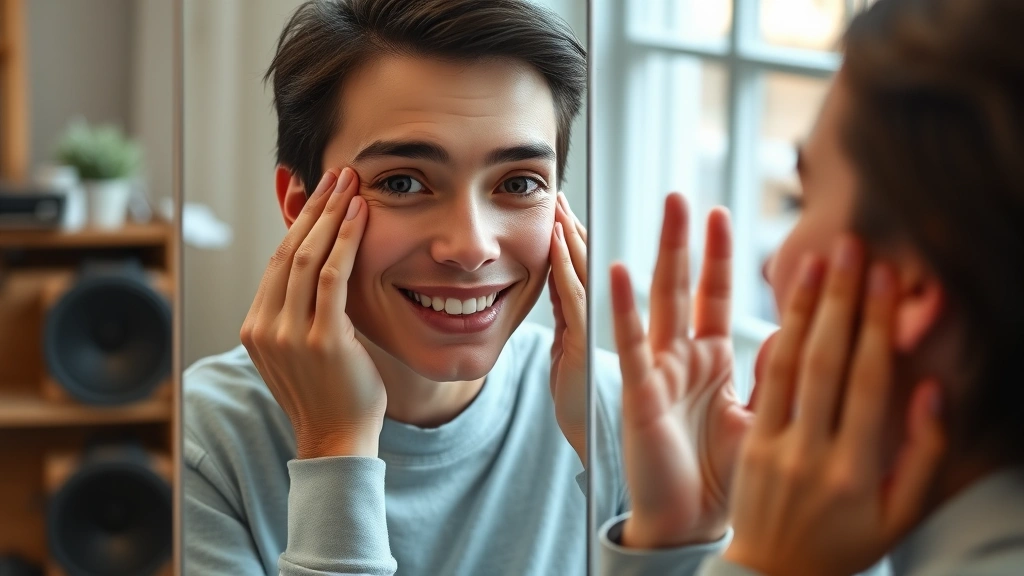
Just like any muscles, your facial muscles respond to training. If you want a stronger, more natural smile, you can actually practice. Start by smiling in the mirror and really engaging those eye muscles—create those crow’s feet intentionally. Hold genuine smiles for 10-15 seconds and notice how it feels. Practice different smile types: closed-mouth, open-mouth, asymmetrical, full-face.
People who practice smiling develop better muscle tone and control. Actors and performers do this constantly. Your smile can become more confident, more natural, and more expressive through deliberate practice. It’s not vain; it’s just understanding your own hardware and optimizing it. The same principle applies to any skill—repetition builds competence.
Final Thoughts
So how many muscles does it take to smile? The honest answer is: it depends. A simple smile might use 5 muscles, a genuine smile might use 15-20, and a full laugh-smile could involve nearly every facial muscle you’ve got. The real takeaway isn’t the number—it’s understanding that your smile is a complex, coordinated action involving your nervous system, your emotional state, and your muscle physiology working together.
Stop worrying about the exact count and start appreciating the sophistication of what your face can do. Smile more, smile genuinely, and let those muscles do what they evolved to do: communicate joy and connection. Your face—and your whole body—will thank you for it.
Frequently Asked Questions
Is it really true that smiling uses fewer muscles than frowning?
Not necessarily. The myth that frowning uses more muscles isn’t supported by anatomical evidence. Both expressions use multiple muscles in different combinations. The number varies based on the intensity and type of expression, not whether it’s positive or negative.
Can I strengthen my facial muscles by smiling more?
Yes, absolutely. Like any muscles, facial muscles respond to repeated use. Frequent smiling can improve muscle tone, create more defined cheekbones, and make your smile more natural and expressive over time. It’s similar to how any repeated physical activity builds strength.
Why do fake smiles look fake?
Fake smiles usually don’t engage the orbicularis oculi muscles around your eyes. Your brain finds it difficult to consciously control these muscles, so genuine smiles have a characteristic eye crinkle (Duchenne marker) that fake smiles lack. This is why people can usually tell when you’re faking it.
Does age affect how many muscles I use to smile?
Age affects the quality and appearance of your smile, but not necessarily the number of muscles involved. However, older adults might need to recruit additional muscles to compensate for decreased skin elasticity and muscle tone, making smiling require more effort.
What’s the connection between smiling and health?
Smiling triggers the release of endorphins, dopamine, and serotonin while reducing cortisol. Even forced smiling provides some benefits. Regular smiling is associated with lower stress levels, better immune function, and improved longevity. It’s a genuine health benefit, not just a mood thing.


