
Knowing how long to wait between coats of paint is one of those things that separates a professional-looking finish from a blotchy mess. Most folks either rush the job or overthink it, and both approaches lead to problems. The honest truth? It depends on several factors, and I’m going to walk you through exactly what you need to know to get it right.
Table of Contents
Drying vs Curing: Know the Difference
Here’s where most people get confused. Drying and curing are not the same thing, and this distinction matters big time. When paint dries, the solvents evaporate and the surface feels dry to the touch—usually within a few hours depending on conditions. Curing, on the other hand, is the chemical process where the paint hardens completely and reaches its full durability. You might be able to apply a second coat after the paint dries, but it won’t have its full protective properties until it’s fully cured.
Think of it like concrete. You can walk on concrete after a few days of drying, but it continues to cure and harden for weeks. Paint works similarly. The drying time is what determines when you can apply the next coat. The curing time determines when your painted surface can handle real-world abuse—washing, scrubbing, weather exposure, and all that.
Paint Type Matters Most
The single biggest factor affecting how long to wait between coats of paint is the type of paint you’re using. Latex (water-based) and oil-based paints have completely different drying characteristics. Latex paint dries faster because water evaporates quickly, while oil-based paint relies on oxidation, which takes longer. Within those categories, you’ve got premium paints that dry faster than budget options, and specialty formulations designed for specific purposes.
Always check your paint can’s label first. Manufacturers test their specific products and provide accurate drying times. Don’t rely on general advice—your particular paint might dry faster or slower than the standard timeline. I’ve seen premium latex paints ready for a second coat in 1-2 hours, while budget latex might need 4 hours. That’s a huge difference if you’re trying to finish a room in a day.
Temperature and Humidity Impact
Environmental conditions are the second-biggest factor. Paint dries through evaporation, and evaporation happens faster when it’s warm, dry, and breezy. Humidity is your enemy here. If you’re painting in a humid basement or during a damp season, expect longer drying times—sometimes twice as long as the can suggests. Cold temperatures also slow everything down significantly.
Ideal painting conditions are 50-85°F with relative humidity below 50%. If you’re outside those ranges, add extra time. I’ve painted in 90°F heat with 30% humidity and had coats ready in 45 minutes. I’ve also painted in 60°F with 75% humidity and waited 6+ hours for the same paint. The difference is dramatic. If conditions are poor, you might want to postpone painting until weather improves rather than fighting the elements.
Latex Paint Drying Timeline
Latex paint (also called acrylic or water-based) typically dries to the touch in 1-4 hours, depending on the brand and conditions. Most manufacturers recommend waiting 4 hours between coats as a safe minimum. However, many quality latex paints can handle a second coat after just 2-3 hours if conditions are favorable. Premium latex paints often dry faster than budget options.
For interior walls, I usually wait 3-4 hours between coats and never regret being conservative. For exterior latex, I’ll sometimes wait 6-8 hours just to be safe, especially if I’m painting trim or doors that will see a lot of handling. The paint might feel dry, but it’s not fully set. Full curing for latex paint typically takes 7-14 days, which is why you shouldn’t hang pictures or move furniture against freshly painted walls immediately.
Oil-Based Paint Drying Timeline
Oil-based paint is the tortoise in this race. Most oil-based paints need 8-24 hours between coats, with 24 hours being the safest bet for a full second coat. Some premium oil paints might be ready in 6-8 hours, but you’re playing with fire if you rush it. The thicker the coat, the longer you wait. Oil-based paint cures much more slowly than latex, sometimes taking 30 days or more to fully harden.
I rarely use oil-based paint anymore for interior work, but it’s still the gold standard for exterior trim, doors, and high-traffic areas because it’s incredibly durable once fully cured. The trade-off is that projects take longer. If you’re applying oil-based paint, plan for a multi-day project even for a single room. The patience pays off in durability, but you need to commit to the timeline.
Primer and First Coat Strategy
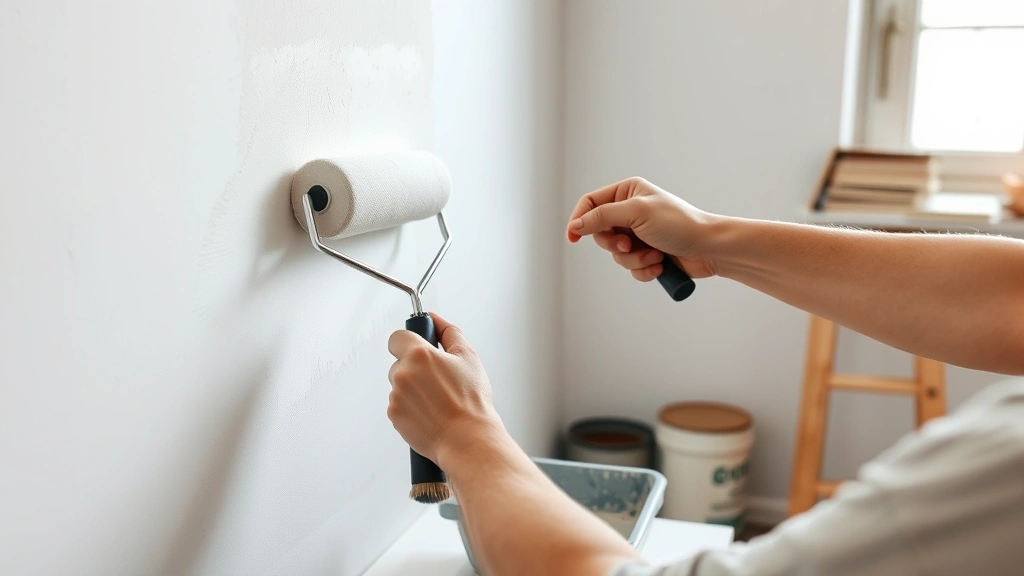
Primer drying times are often different from paint drying times. Some primers dry in 1-2 hours, while others need 4+ hours. Always check your primer’s label separately from your paint label. Many primers are designed to dry faster than topcoats because you’re usually applying paint over them relatively soon. How long does it take for caulk to dry is a similar concern if you’re prepping surfaces—caulk needs adequate drying time before priming.
The strategy I use is: prime the surface, wait for primer to dry completely (usually 2-3 hours for quality primers), then apply the first coat of paint. Wait the recommended time between paint coats. Don’t skimp on primer—a good primer coat prevents bleed-through and ensures better paint adhesion, which actually saves you time by requiring fewer topcoats.
Common Mistakes to Avoid
The biggest mistake is applying paint before the previous coat is ready. You’ll end up with streaky, uneven coverage because you’re disturbing the partially-dried paint below. Second coat goes on smoothly only when the first coat is fully dry. Another common error is applying paint too thick in hopes of skipping a coat. Thick paint takes longer to dry and often looks worse than two thin coats.
Temperature swings cause problems too. Painting in the morning when it’s cool, then having the temperature jump 20 degrees by afternoon changes drying times mid-project. I always paint in the cooler parts of the day (early morning or late afternoon) to maintain consistent conditions. Don’t open windows right after painting thinking you’re speeding things up—you’re actually creating uneven drying and potential lap marks. Let the paint dry naturally, then ventilate afterward.
Testing if Paint is Ready
Don’t just guess whether paint is ready for the next coat. Test it with the touch method: lightly press your finger on an inconspicuous spot. If it feels tacky or sticky, it’s not ready. If it feels completely dry and doesn’t leave a mark, you’re good. For a more thorough test, use the “tape test”—apply painter’s tape to a painted area, wait 30 seconds, then peel it off. If paint comes off with the tape, wait longer. If the tape peels cleanly, the paint is set.
Another trick is to paint a test area in a closet or hidden spot using the same conditions as your main project. Check that test area to confirm drying times before committing to your whole wall. This takes 10 minutes and saves you from ruining a whole room by applying coats too quickly.
Speeding Up the Process Safely
If you’re impatient (and who isn’t?), there are legitimate ways to speed things up without compromising quality. Use a quality latex paint that’s formulated for fast drying. Paint in ideal conditions—warm, dry, low-humidity environment. Ensure good air circulation with fans, but don’t point them directly at wet paint. Use thin coats rather than thick ones; thin coats dry faster and look better anyway.
Some painters use hair dryers on low heat, but I’m cautious about this—it can cause uneven drying and bubbling. Better approach is to use a space heater in the room to raise temperature slightly and lower humidity. If you’re really in a time crunch, some premium latex paints are specifically formulated for quick recoating (sometimes as fast as 1 hour), but they cost more. Weigh the expense against your timeline and decide if it’s worth it.
Frequently Asked Questions
Can I apply a second coat of paint before the first coat is fully dry?
Technically, you can apply paint to paint that’s still slightly tacky if the manufacturer allows it, but it’s risky. The second coat can disturb the first coat, creating streaks and uneven coverage. Always wait until the paint is completely dry to the touch and follow the manufacturer’s minimum time recommendation.
What happens if I don’t wait long enough between coats?
You’ll likely end up with poor adhesion, uneven color, visible brush marks, and a finish that looks amateurish. The paint might also peel or flake sooner because the coats didn’t bond properly. In worst cases, the wet paint on top can actually pull the partially-dried paint below away from the wall.
Does humidity really affect drying time that much?
Absolutely. High humidity can double or triple drying times. If your area has 80%+ humidity, expect to wait significantly longer between coats. This is why painting in a basement or during wet seasons is challenging. If possible, postpone painting until conditions improve.
Is there a difference between interior and exterior paint drying times?
Yes. Exterior paints often have different formulations that can affect drying times. They might dry slower due to additives that improve weather resistance. Always check your specific exterior paint’s label, and remember that outdoor temperature and humidity fluctuations affect drying more than interior conditions.
How long until I can use a painted room normally?
Paint feels dry in hours, but it’s not fully cured for days or weeks. For interior walls, wait at least 24 hours before moving furniture or hanging pictures. For high-traffic areas like doors or trim, wait 7-14 days before heavy use. Oil-based paint needs even longer—up to 30 days for full durability.
Can I apply primer and paint on the same day?
Yes, if you follow the drying times. Apply primer, wait for it to dry completely (usually 2-3 hours), then apply your first paint coat. Wait the recommended time between paint coats. You can often complete a room in one day with this approach, but don’t rush the drying times between each layer.
What if the paint label says “can recoat in 1 hour”?
That’s the absolute minimum under ideal conditions. Those conditions rarely exist in real life. Unless you’re painting in a temperature-controlled environment with perfect humidity, add extra time. I treat “1 hour” as “1.5-2 hours” as a safety margin. Better to wait longer than to ruin your work.
Final Thoughts on Paint Timing
The key to professional-looking paint jobs is patience. Yes, it’s tempting to slap on the second coat as soon as the first coat feels dry, but resisting that urge is what separates good finishes from great ones. Check your paint label, assess your environmental conditions, and add a safety buffer to the recommended time. If the label says 4 hours, I wait 5. If it says 8 hours, I wait 10.
Every painting project is different. How to clean a couch might seem unrelated, but both require attention to detail and patience. The same goes for knowing when your painted surfaces can handle normal use. Your painted walls will thank you with a smooth, even, durable finish that lasts years. That’s worth a few extra hours of waiting.
For more information on paint prep and timing, check out Family Handyman’s painting guide and This Old House’s comprehensive painting instructions. Both resources provide additional detail on preparation, technique, and timing considerations.


