
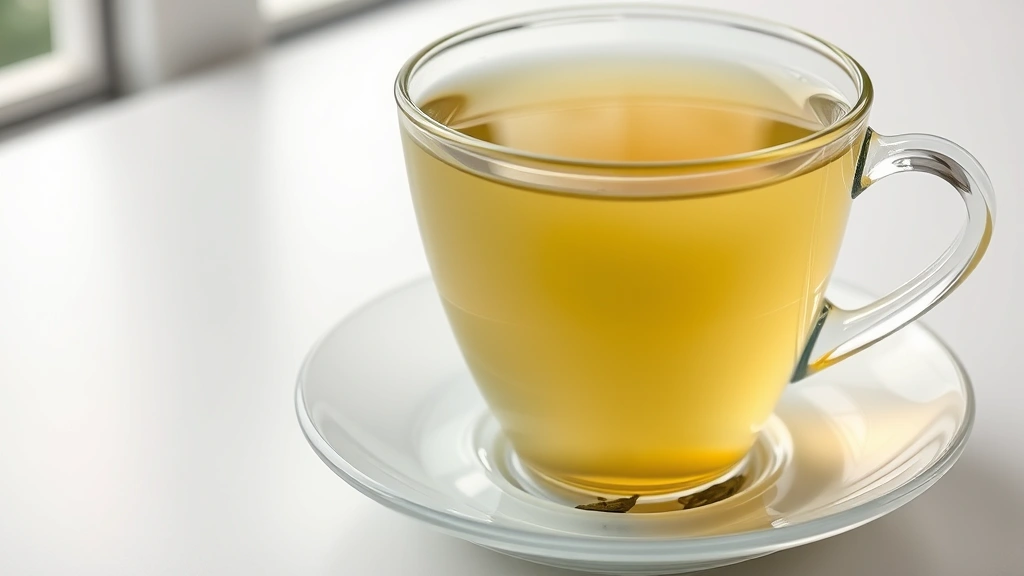
Knowing how long to steep green tea is the difference between a delicate, refreshing cup and a bitter, over-brewed disappointment. Most green teas need just 1-3 minutes of steeping time, but the exact duration depends on the tea type, water temperature, and your personal taste preferences. Let me walk you through everything you need to master green tea brewing like a seasoned pro.
Table of Contents
Steeping Basics Explained
Steeping is simply the process of soaking tea leaves in hot water to extract flavor, color, and beneficial compounds. Think of it like making a time-controlled extraction—too short and you get weak, flavorless tea; too long and you pull out excessive tannins that create bitterness. Green tea is particularly sensitive to this balance because its delicate leaves release compounds quickly compared to darker, more oxidized teas.
The standard steeping window for most green teas falls between 1-3 minutes. However, this isn’t a one-size-fits-all rule. Japanese green teas like sencha often prefer the shorter end (1-2 minutes), while Chinese green teas like dragonwell can handle closer to 3-4 minutes. The key is understanding your specific tea and adjusting based on results.
Water Temperature Matters Most
Here’s where most people mess up: they use boiling water and wonder why their green tea tastes like grass clippings. Green tea absolutely demands lower water temperatures than black tea or coffee. The ideal range sits between 160-180°F (70-80°C), though some delicate varieties prefer temperatures as low as 140-160°F (60-70°C).
If you don’t have a thermometer, here’s a practical hack: boil your water, then let it cool for about 3-5 minutes before pouring. You can also use the old “count to ten” method—after boiling, count to ten slowly, then pour. This gives water time to drop from 212°F to roughly 170°F.
Water temperature directly affects steeping time. Cooler water requires longer steeping (up to 5 minutes), while hotter water (closer to 180°F) needs only 1-2 minutes. This is why temperature and time work together as a team—adjust one, and you might need to adjust the other.
Different Teas, Different Times
Not all green teas are created equal, and each variety has its own sweet spot. Japanese sencha, the most common green tea, typically steeps for 1-2 minutes at 160-170°F. Matcha, the powdered green tea, doesn’t steep at all—you whisk it into hot water. Gyokuro, a premium Japanese shade-grown tea, prefers just 1-1.5 minutes in cooler water (around 140°F) to preserve its delicate umami character.
Chinese green teas like dragonwell (longjing) and gunpowder green tea are more forgiving. They can handle 2-3 minutes at 160-180°F without turning bitter. Jasmine green tea, a scented variety, typically needs 2-3 minutes and can tolerate slightly hotter water since the jasmine flowers add their own flavor layer.
The general rule: the more delicate and premium the tea, the shorter the steep. Loose leaf teas also steep faster than tea bags because the leaves have more surface area exposed to water. A quality loose leaf sencha might need only 90 seconds, while a bagged version might need 2-3 minutes.
What Happens If You Steep Too Long
Over-steeping green tea is like leaving food on the stove too long—you get bitter, unpleasant results. When leaves stay in hot water beyond their ideal time, tannins (naturally occurring compounds in tea) over-extract and create a harsh, astringent taste that coats your mouth. You’ll notice the flavor shifts from bright and grassy to dull and tannic.
The color also changes. A perfectly steeped green tea glows with a pale golden or light green hue. Over-steeped tea becomes darker and murkier. If you’ve already made this mistake, don’t dump it—use it for iced tea or add it to a smoothie where the bitterness becomes less noticeable.
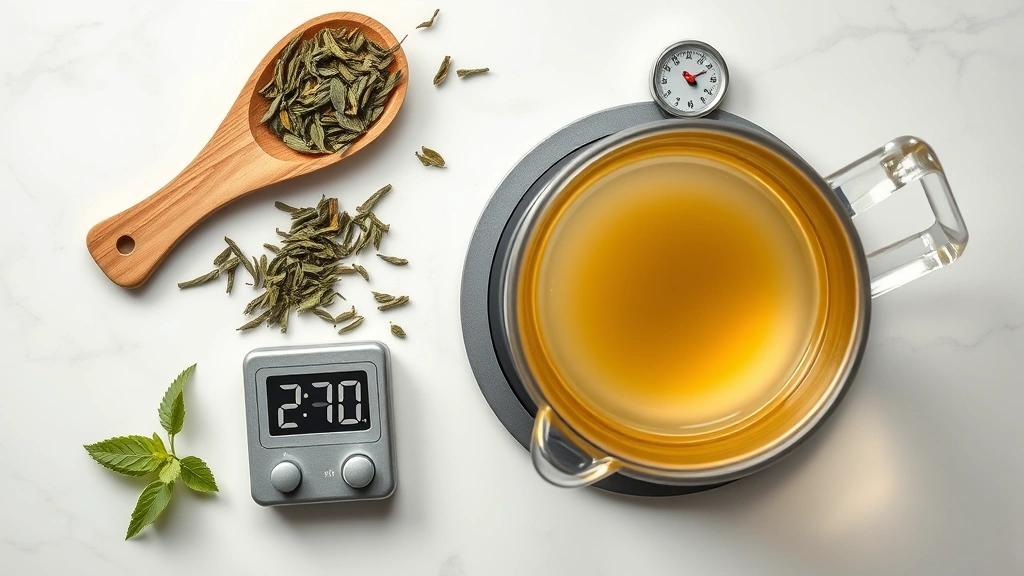
Prevention is simple: use a timer on your phone. Set it for your target time (usually 2 minutes for most green teas), and remove the leaves or strain immediately when it goes off. Don’t “just leave it a little longer”—that’s how mistakes happen.
Resteeping Leaves Multiple Times
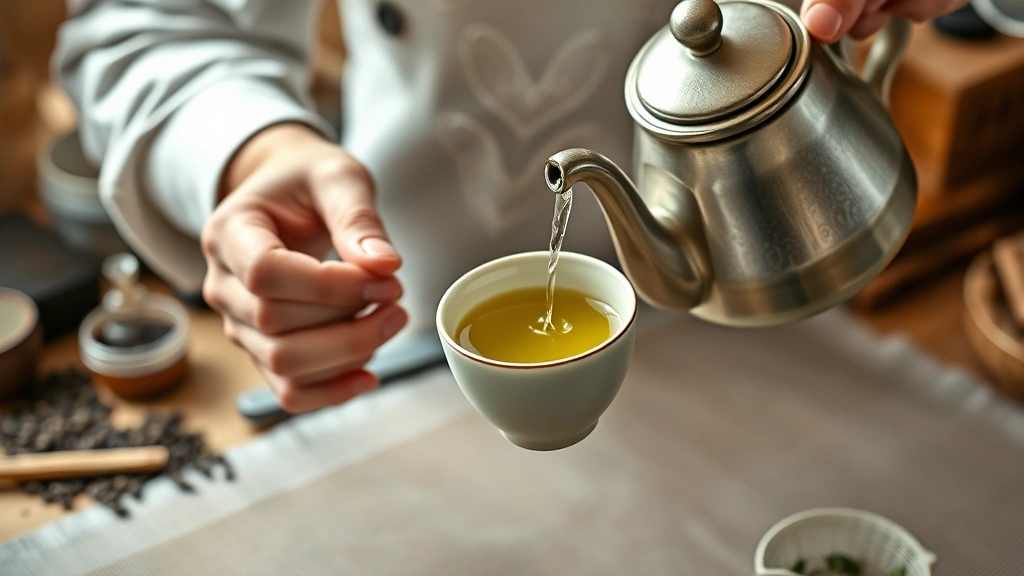
One of the best-kept secrets about quality loose leaf green tea is that you can resteep the leaves multiple times. Premium teas often reveal new flavor notes with each infusion. After your first steep, simply add fresh hot water and steep again—but here’s the trick: each subsequent steep needs slightly less time.
Your second infusion might need only 30-60 seconds. The third infusion might need 45-90 seconds. By the fourth or fifth infusion, the leaves are fully opened and release flavor quickly. Japanese tea culture embraces this practice, especially with high-grade teas where each infusion tastes distinctly different.
This approach also extends the value of expensive tea. A $15 ounce of premium gyokuro can give you 4-5 quality cups instead of just one. Just keep the leaves in your pot or use an infuser basket that lets you add fresh water without losing the leaves.
Measuring Your Tea Leaves
The amount of tea you use affects steeping time. The standard ratio is one teaspoon of loose leaf tea per 8 ounces of water, but this varies by tea density. Fluffy Japanese teas might need a heaping teaspoon, while tightly rolled Chinese varieties need less.
If you use more tea, you can shorten steeping time slightly because there’s more leaf surface area releasing flavor quickly. If you use less tea, you might need to add 30 seconds to steeping time. Most people find the sweet spot through trial and error—start with the standard ratio, taste the result, then adjust next time.
For tea bags, follow the package instructions, but know that commercial tea bags often use broken leaves and dust that steep faster than whole leaves. You might get good results in just 1-2 minutes even with slightly hotter water.
Testing for Perfect Readiness
The best way to know when your tea is ready is to taste it. After your target steeping time, pour a small amount into a separate cup and take a sip. You’re looking for a balance between flavor strength and smoothness—no bitterness, no weakness. If it tastes too weak, add 30 seconds next time. If it’s slightly bitter, reduce by 15-30 seconds.
Visual cues also help. Watch the water color. Green tea should turn a pale yellow or light golden color, not dark green or brown. If it’s still nearly clear, it needs more time. If it’s getting dark, pull it off immediately.
Another trick: smell the brewed tea. A properly steeped green tea has a fresh, grassy, sometimes floral aroma. Over-steeped tea smells flat and bitter. Your nose often detects over-steeping before your taste buds do.
Common Brewing Mistakes
The biggest mistake people make is using water that’s too hot. Boiling water on green tea is like using a blowtorch on a delicate surface—it damages the leaves and creates bitterness. Always cool your water first.
The second mistake is leaving the leaves in the water after steeping. Even if you’re not actively brewing, the leaves continue to release compounds. Use an infuser basket or strainer to remove leaves immediately when time’s up, or pour into a separate cup.
The third mistake is assuming all green teas are the same. That cheap grocery store green tea needs different treatment than a premium loose leaf variety. Read the package or ask the tea seller for specific recommendations. When in doubt, start with shorter steeping times and add more time next brew if needed.
People also forget that water quality matters. Heavily chlorinated tap water can affect taste. If your tap water tastes off, use filtered water for better results. And don’t reuse water that’s already been boiled multiple times—it loses oxygen and affects flavor.
Frequently Asked Questions
Can I steep green tea for 5 minutes?
Most green teas will become unpleasantly bitter if steeped for 5 minutes. The exception is if you’re using very cool water (below 160°F) or making a very weak brew with minimal leaves. Standard green tea really should stay in the 1-3 minute range for best results. If you accidentally steep too long, don’t throw it away—use it as a base for iced tea where the bitterness becomes less noticeable.
Is it okay to steep green tea multiple times?
Absolutely. Quality loose leaf green tea is designed to be resteeped 3-5 times. Each infusion reveals different flavor notes. Just reduce steeping time with each subsequent brew—your second steep might need only 30-60 seconds. This practice is especially common with premium Japanese and Chinese green teas and extends the value of expensive varieties significantly.
What’s the difference between steeping time for hot and cold brew?
Cold brewing is completely different. You place tea leaves in room-temperature or cold water and let them sit for 6-12 hours in the refrigerator. Cold water extracts compounds much more slowly, so you need extended time but don’t risk over-extraction and bitterness. Cold brew green tea tastes naturally sweet and smooth because tannins extract more slowly in cool water.
Should I cover my tea while steeping?
Yes, covering your cup or pot while steeping helps maintain water temperature and allows the leaves to fully unfurl. Use a lid, small plate, or even a napkin. This is especially important if you’re using lower water temperatures, which cool down quickly when exposed to air.
Does the type of water affect steeping time?
Water quality affects flavor but not necessarily steeping time. Hard water with high mineral content can make tea taste slightly different, and heavily chlorinated water can introduce off-flavors. Filtered or spring water generally produces better results. However, the actual steeping time remains the same—it’s the temperature and tea type that matter most for timing.
Final Thoughts
Mastering how long to steep green tea is a simple skill that transforms your daily cup from mediocre to exceptional. Start with the fundamentals: use water between 160-180°F, steep for 1-3 minutes depending on your tea variety, and remove the leaves when time’s up. Keep a timer handy, taste your results, and adjust based on what you prefer.
The beauty of green tea is that it’s forgiving once you understand the basics. Unlike some hobbies, you don’t need expensive equipment—just a kettle, a cup, and a willingness to pay attention. Each tea is slightly different, so treat the first brew as your baseline, then refine from there. For more timing guidance on other kitchen projects, check out our guide on how long to grill chicken wings and explore our fall recipes collection.
Once you nail the basics, experiment with resteeping, try different tea varieties, and discover your personal sweet spot. Quality loose leaf tea rewards attention to detail with complex flavors that bagged tea simply can’t match. Start paying attention to steeping time today, and you’ll taste the difference immediately. For other how-long guides, explore our article on how long caulk takes to dry for home improvement timing.


