
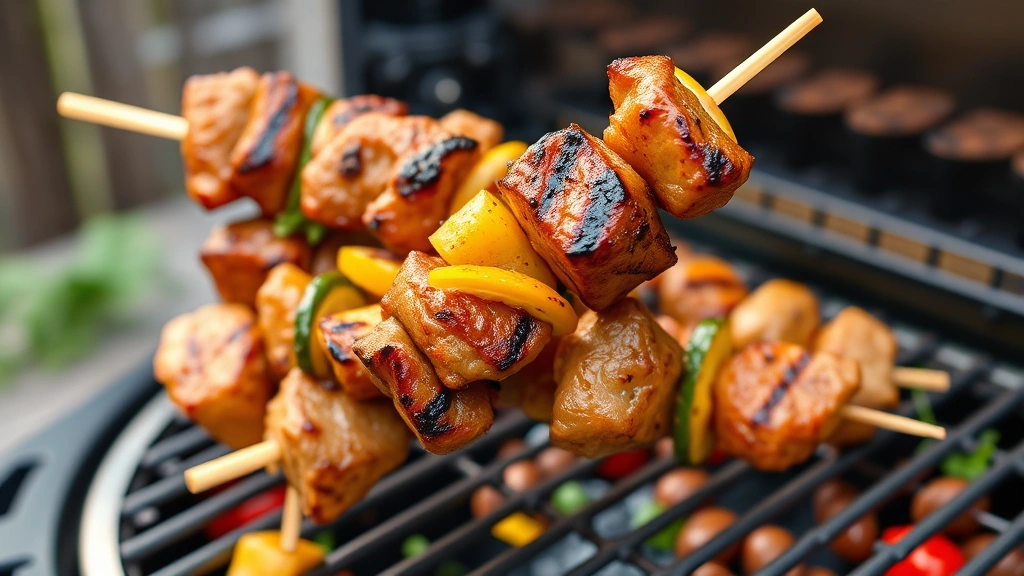
Knowing how long to soak toothpick before grilling or cooking is one of those small kitchen tricks that makes a massive difference in your final dish. Whether you’re working on skewers for a backyard barbecue or crafting appetizers for a dinner party, soaking wooden toothpicks prevents them from charring, splitting, and generally ruining your presentation. This guide breaks down everything you need to know to get it right every single time.
Table of Contents
Why Soak Wooden Toothpicks
The reason soaking matters comes down to basic wood science. Wooden toothpicks are dried out and porous. When you expose them to direct heat without moisture, they ignite like kindling. A quick soak hydrates the wood fibers, creating a moisture barrier that protects against charring and burning. Think of it like giving your toothpicks a protective shield before they hit the heat.
Beyond preventing fire hazards, properly soaked picks stay intact throughout cooking. Dry wood becomes brittle and splinters easily, which means your carefully assembled skewers fall apart mid-cook. Nobody wants their shrimp kabobs collapsing on the grill. A good soak keeps everything structurally sound from prep through plating.
Soaking Time Basics
The standard recommendation is 30 minutes to 2 hours in plain water. Most home cooks find that 30-45 minutes works perfectly for typical grilling situations. If you’re in a rush, even 15-20 minutes provides basic protection. For maximum saturation and the best results, aim for the full 2-hour window, especially if you’re working with thicker bamboo skewers or planning extended cooking times.
The key variable is thickness. Standard toothpicks (about 2-3 millimeters) need less time than chunky bamboo skewers (which can be a quarter-inch thick). A thin pick saturates in 30 minutes, while a fat skewer might need closer to 90 minutes for complete penetration. The wood should feel slightly heavier and more flexible when fully soaked.
Water vs Other Liquids
Plain cold water is your default choice and works great. It’s free, it’s available, and it gets the job done. However, you can get creative with soaking liquids to add subtle flavor. Many cooks use cooking broths, fruit juices, or even wine for specialty dishes. Beer, apple juice, and chicken stock all impart gentle flavoring to grilled foods.
If you go the flavored-liquid route, remember that the toothpick absorbs and releases some of that flavor into your food. This works beautifully for pork skewers soaked in apple juice or beef kabobs soaked in beef broth. Just stick with liquids that complement your final dish. Avoid anything overly salty, as the concentration intensifies during cooking.
Advanced Soaking Techniques
Temperature matters more than most people realize. Warm water penetrates wood faster than cold water. If you’re short on time, soak your picks in warm (not boiling) water for 15-20 minutes instead of waiting 30 in cold water. The warmer the liquid, the quicker the saturation, though you don’t want to cook the wood itself.
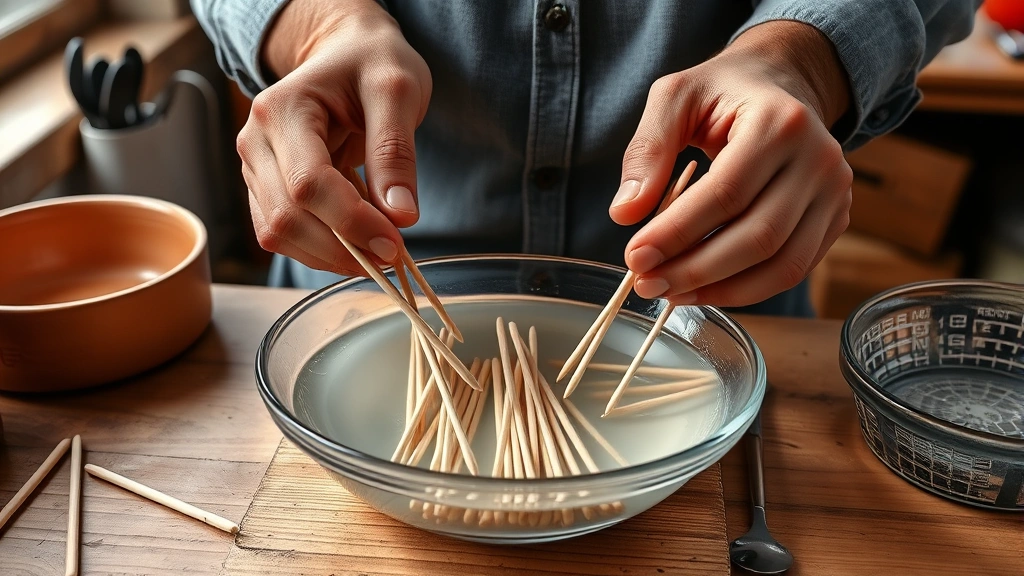
For large batches, use a shallow dish or baking pan that lets you arrange picks flat. This ensures even soaking on all sides. If picks are stacked vertically in a tall glass, the ones at the bottom might oversoak while the top ones stay dry. Lay them out in a single layer whenever possible.
Pro tip: soak your picks the night before if you’re planning a big cookout. Pull them out of the water, pat them dry with a paper towel, and store them in a cool place. They’ll stay hydrated for hours and you won’t have last-minute stress. This prep method also lets you preheat your grill or oven without worrying about your skewers.
Common Mistakes to Avoid
The biggest error is soaking for way too long. While 2 hours is the upper recommendation, leaving picks in water overnight can make them waterlogged and mushy. They’ll fall apart more easily and lose structural integrity. Treat soaking like a timed cooking step—set a timer and pull them out when done.
Another common problem is using hot or boiling water. Yes, it speeds up soaking, but it can actually cook the wood and make it brittle. Stick with room temperature or warm (not hot) water. The difference between 30 minutes in warm water and 15 minutes in boiling water isn’t worth the risk.
Don’t forget about the ends. Many people soak picks but only the middle portion gets wet because the ends stick up above the waterline. Make sure the entire pick—including both pointed ends—is submerged. If your dish is too shallow, use a wider container or lay picks at an angle.
Grilling With Soaked Picks
Once your picks are soaked and you’re ready to grill, pat them dry with a paper towel first. Any excess surface water will steam off immediately on the hot grill, which is fine, but you want the moisture to be inside the wood, not sitting on top. The interior saturation is what protects against burning.
Place soaked picks on a preheated grill and you’ll notice they stay cool to the touch much longer than dry picks. This is the moisture at work. They won’t char on the outside while your food is still cooking. You can confidently grill for 15-20 minutes without worrying about the picks themselves catching fire.
Temperature matters too. Soaked picks perform best on medium to medium-high heat. Ultra-high heat (like directly over charcoal) can still cause some charring, but the soaking buys you protection. If you’re doing low-and-slow cooking, soaked picks are less critical but still recommended for peace of mind.
Storage and Prep Tips
Buy toothpicks in bulk and store them in an airtight container away from moisture. Dry picks stay fresh for years. Once you soak them, use them within a few hours for best results. Soaked picks left sitting for too long can develop mold or start to deteriorate.
For frequent grillers, consider keeping a container of pre-soaked picks in your fridge. Pull them out 30 minutes before cooking and they’ll be perfectly hydrated. This works great if you grill multiple times per week or run a catering operation.
Label your soaking containers if you’re using flavored liquids. A pick soaked in apple juice should probably go with pork, not fish. Keep your flavor pairings organized and you’ll elevate your skewer game significantly. Many competitive barbecue teams prep their picks this way.
Alternatives to Soaking
Metal skewers eliminate the soaking question entirely. They’re more expensive upfront but last forever and never burn. They conduct heat differently than wood, so cooking times might shift slightly, but they’re foolproof for safety.
You can also wrap the exposed ends of wooden picks with aluminum foil. This protects the tips from direct flame and reduces charring. It’s not as effective as soaking, but it works in a pinch. Many people use this as backup protection even with soaked picks for extra insurance.
Some cooks use griddles instead of open flames, which reduces the burning risk significantly. A griddle’s indirect heat is gentler on wood than direct flame, so soaking becomes less critical. This approach works beautifully for vegetable skewers and appetizers where you want precise temperature control.
Frequently Asked Questions
Can I soak toothpicks for too long?
Yes. Beyond 2-3 hours, wooden picks start to become waterlogged and mushy. They lose structural integrity and can fall apart during cooking. Treat soaking like any timed cooking step—set a timer and stick to it.
Does the type of toothpick matter?
Absolutely. Bamboo skewers (thicker) need longer soaking than standard wooden toothpicks. Flat picks soak faster than round ones. Check the thickness and adjust your soaking time accordingly. Thinner picks: 20-30 minutes. Thicker picks: 60-120 minutes.
Can I reuse soaked toothpicks?
Not recommended. Once they’ve been cooked, they become brittle and splinter easily. Plus, food residue makes them unsanitary for reuse. Toothpicks are cheap—buy new ones for each use.
What if I forget to soak them?
In an emergency, soak for 10-15 minutes in warm water. It’s not ideal, but it provides some protection. Alternatively, wrap the exposed ends with foil to prevent direct flame contact. It’s not perfect, but it beats using completely dry picks.
Does soaking affect cooking time?
Slightly. Soaked picks conduct heat a bit differently than dry ones, but the difference is negligible—maybe 1-2 minutes on a 15-minute cook. Don’t adjust your recipe based on soaking.
Can I soak metal skewers?
Metal doesn’t need soaking. It won’t burn or char. However, metal conducts heat, so the food near the skewer cooks faster. This is actually an advantage for even cooking in some situations.
What’s the best liquid for soaking?
Plain water works perfectly for 99% of situations. If you want flavor, use broths or juices that complement your dish. Avoid overly salty liquids. The flavoring is subtle but noticeable.
Final Thoughts
Mastering how long to soak toothpick is a small skill that pays huge dividends in your cooking. Thirty minutes in plain water is your baseline—it’s simple, effective, and requires zero special equipment. For thicker skewers or maximum protection, push toward 2 hours. Warm water speeds things up if you’re in a rush. The investment of a few minutes of prep time prevents burnt picks, falling-apart skewers, and disappointed dinner guests. Start soaking, set a timer, and grill with confidence knowing your picks are properly protected.


