
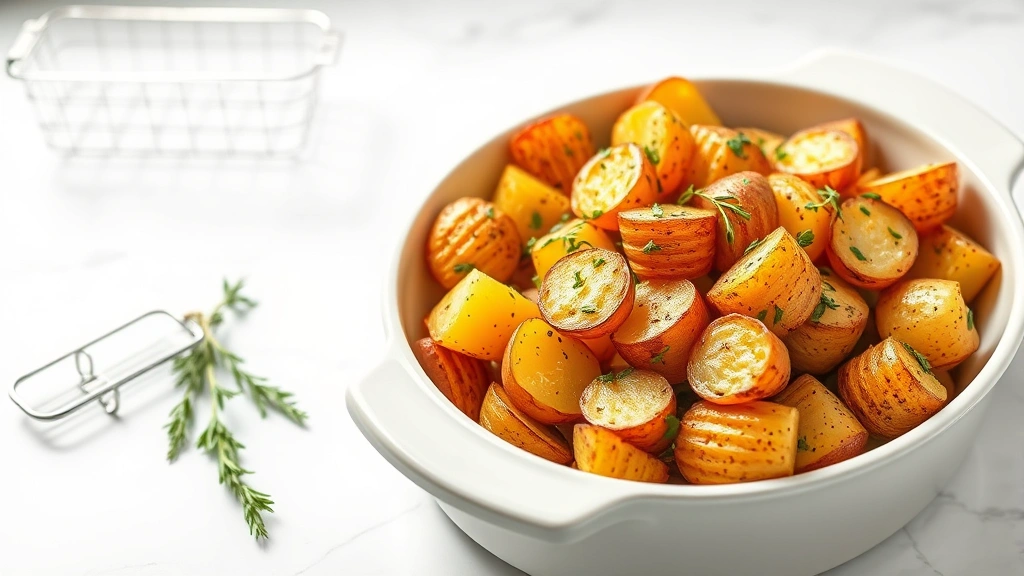
Learning how long to roast potatoes at 400 degrees is one of those kitchen skills that transforms a basic side dish into something restaurant-worthy. I’ve roasted thousands of potatoes over the years, and I’m going to walk you through exactly what I’ve learned about timing, technique, and troubleshooting to get those perfect golden, crispy exteriors with fluffy insides every single time.
Table of Contents
Roasting Time Basics
At 400°F, you’re looking at approximately 25 to 35 minutes for standard roasted potatoes. But here’s the thing—that’s just the ballpark. The real answer depends on how you cut your potatoes. If you’re working with 1-inch cubes or chunks, you’ll land on the lower end of that range. Larger chunks or whole baby potatoes might need the full 35 minutes or even a few minutes more.
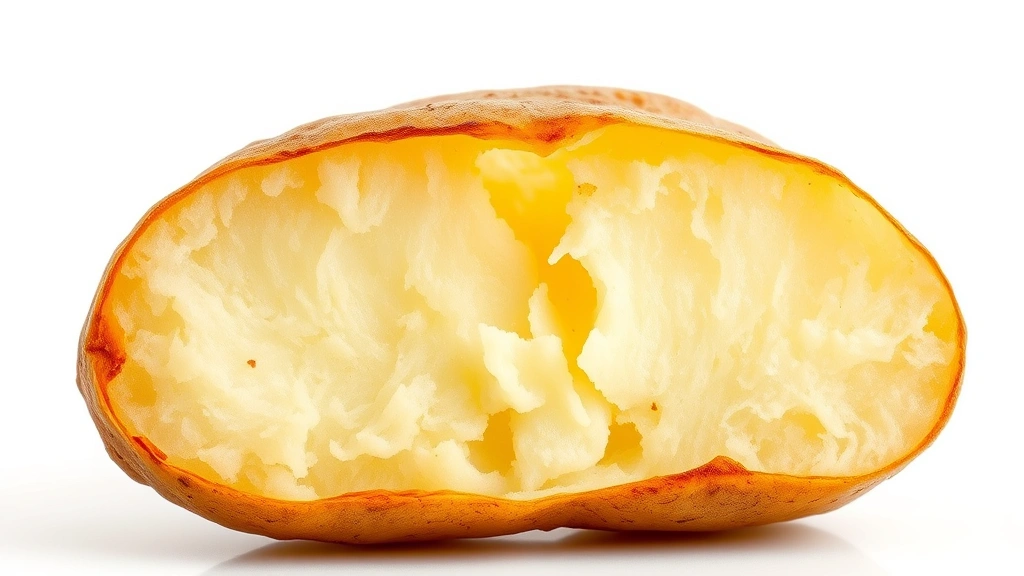
I always start checking at the 20-minute mark. Stick a fork into the thickest piece—it should go through with just a tiny bit of resistance. The outside should be golden brown and crispy, not just pale. That’s the sweet spot where the exterior has developed those delicious caramelized edges while the inside stays creamy.
Potato Size Matters
This is where most home cooks go wrong. You can’t just throw random potato chunks on a pan and expect them all to cook at the same rate. Cut everything to roughly the same size—aim for uniform 1-inch pieces. If you’ve got some smaller pieces mixed in, they’ll burn before the larger ones finish cooking.
For baby potatoes (about 1.5 inches), you might roast them whole at 400°F for 30-40 minutes. For larger potatoes cut into 1-inch cubes, expect 25-30 minutes. Thin fries or very small pieces? You’re looking at just 15-20 minutes before they start getting too crispy.
The key principle: larger pieces take longer, smaller pieces cook faster. Consistency in size is more important than the exact size itself. When I’m prepping, I use a chef’s knife and measure roughly by eye—you want pieces about the size of dice or slightly larger.
Prep Work Essentials
Before you even think about roasting, you need to prep your potatoes properly. First, wash them thoroughly under cold running water and scrub off any dirt with a vegetable brush. Don’t peel them—the skin adds texture, flavor, and nutrition. Plus, it keeps the insides from drying out.
Pat them completely dry with paper towels. This is crucial. Any moisture on the surface will create steam instead of that crispy, golden exterior you’re after. Wet potatoes will steam rather than roast, and you’ll end up with soggy disappointment.
Cut your potatoes into uniform pieces and toss them in a large bowl. This is your staging area before they hit the pan. If you’re planning a full meal, this is a good time to prep your other roasted vegetables too—like green beans or spaghetti squash if you want to roast those alongside.
Oil & Seasoning Strategy
Here’s where the magic happens. Drizzle your cut potatoes with good olive oil—about 3 tablespoons per pound of potatoes. Don’t be stingy here. The oil is what creates that golden, crispy exterior through the Maillard reaction. Without enough oil, you get pale, mealy potatoes.
Add kosher salt and freshly ground black pepper generously. I also like to add a pinch of garlic powder and dried rosemary or thyme. Toss everything together with your hands or two spoons until every piece is coated evenly. Make sure nothing is clumping together.
Spread the potatoes in a single layer on a baking sheet. Don’t overcrowd the pan—this is another common mistake. They need space around them for hot air to circulate. If you’re cooking a large batch, use two baking sheets instead of piling everything onto one.
Checking for Doneness
At the 20-minute mark, give the pan a shake or stir the potatoes with a spatula. This helps them cook evenly and prevents sticking. At 25 minutes, start doing the fork test on the largest pieces. The potato should be tender inside but still hold its shape.

Look at the color too. You want golden brown to deep golden brown—not pale, not burnt. The edges should look slightly caramelized and crispy. If they’re still pale and soft at 25 minutes, give them another 5-10 minutes and check again.
The exact timing depends on your oven. Some ovens run hot, others run cool. That’s why visual and tactile checks matter more than the clock. I always trust my eyes and fork over a timer.
Troubleshooting Common Issues
If your potatoes are taking longer than 40 minutes, your oven might be running cool. Check it with an oven thermometer—they’re cheap and incredibly useful. A 25-degree difference can add 10 minutes to cooking time.
If the outside is brown but the inside is still hard, your pieces are too large or your oven isn’t hot enough. Next time, cut smaller or preheat longer. If they’re burning on the outside but raw inside, the oven is too hot or the pieces are too large—adjust one or both.
Soggy potatoes usually mean too much moisture. Make sure you dried them thoroughly before roasting, and don’t cover the pan with foil. You want dry heat, not steam. Also, don’t add wet vegetables like tomatoes until the potatoes are nearly done.
If you’re making a meal like meatloaf at 350, remember that 400°F is significantly hotter, so plan your timing accordingly if you’re roasting potatoes as a side.
Variations & Flavor Combos
Once you’ve mastered the basic technique, experiment with flavors. Toss your potatoes with fresh rosemary sprigs, minced garlic, and lemon zest before roasting. Add smoked paprika and cumin for a Spanish twist. Mix in fresh thyme and a splash of balsamic vinegar for something richer.
You can also roast potatoes with other vegetables. Add halved Brussels sprouts or chunks of bell pepper during the last 15 minutes so they don’t overcook. Root vegetables like carrots and parsnips work great too—just cut them to the same size as your potatoes.
For a complete dinner, consider pairing roasted potatoes with butterflied chicken breast or serve them alongside something like arroz con gandules for a mixed plate.
Storage & Reheating
Roasted potatoes keep well in the fridge for up to 5 days in an airtight container. To reheat, spread them on a baking sheet and warm at 375°F for about 10-15 minutes until they’re heated through and crispy again. Don’t use the microwave—it’ll make them soggy.
You can also freeze roasted potatoes for up to 3 months. Let them cool completely first, then freeze on a baking sheet before transferring to freezer bags. Thaw in the fridge overnight and reheat in the oven.
Leftover roasted potatoes are perfect for breakfast hash, potato salad, or just reheated as a side. I often make extra specifically for this reason—they’re one of those dishes that actually tastes better the next day after the flavors have settled.
Frequently Asked Questions
Can I roast potatoes at a different temperature?
Yes, absolutely. At 375°F, add about 5-10 minutes to the cooking time. At 425°F, subtract 5-10 minutes. The hotter your oven, the faster they cook and the crispier the exterior. Just adjust your timing accordingly.
Should I peel the potatoes first?
I don’t recommend it. The skin holds the potato together, adds flavor, and provides nutrients. Plus, it creates a barrier that keeps the inside creamy while the outside gets crispy. If you prefer peeled potatoes, that’s fine—just add 5 minutes to the cooking time since there’s less insulation.
What type of potato works best?
Waxy potatoes like red potatoes or fingerlings hold their shape better during roasting. Russet potatoes are starchy and fluffy inside but can fall apart if overcooked. I usually use a mix for variety in texture—some creamy, some fluffy.
How much oil do I actually need?
At least 2-3 tablespoons per pound of potatoes. This isn’t a diet situation—the oil is what creates the crispy, golden exterior through the Maillard reaction. Less oil means pale, mealy potatoes. Use good olive oil or avocado oil.
Can I cover the pan with foil?
No. Foil traps steam, which prevents crisping. You want dry heat. Leave the pan uncovered the entire time. If potatoes are browning too fast, lower the oven temperature instead of covering them.
Why are my potatoes still watery inside?
Either they’re not cooked long enough, or you started with wet potatoes. Make sure they’re completely dry before roasting, and always cook until a fork pierces the largest piece easily. If the fork still meets resistance, they need more time.
Can I prep potatoes ahead of time?
You can cut them up to 4 hours ahead and store them in water to prevent browning. However, drain and dry them thoroughly before roasting. For best results, prep just before cooking so they don’t oxidize or absorb excess water.
Final Thoughts
Roasting potatoes at 400°F is straightforward once you understand the fundamentals: uniform size, thorough drying, generous oil, proper spacing, and checking for doneness rather than relying solely on time. Most batches take 25-35 minutes, but your eyes and fork are better judges than any timer.
The beauty of this technique is that it’s forgiving once you’ve done it a couple times. You’ll develop an instinct for when they’re done. Start checking at 20 minutes, and you’ll rarely be more than a few minutes off. From there, it’s just about experimenting with seasonings and flavor combinations to keep things interesting.
Whether you’re making a weeknight dinner or prepping for a gathering, perfect roasted potatoes are absolutely achievable. Practice this method a few times, and you’ll have a reliable technique that works every single time.


