
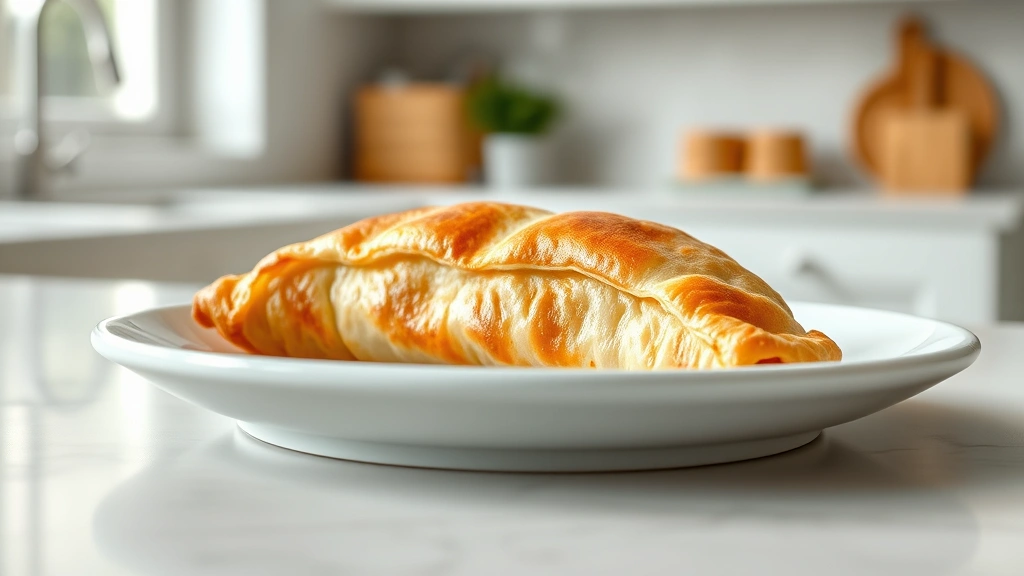
So you’re wondering how long to microwave a hot pocket—and honestly, it’s one of those kitchen questions that seems simple until you’re standing there with a half-frozen pocket and a microwave that’s either going to leave it ice-cold or turn it into lava. Let me walk you through the exact timing, power levels, and tricks I’ve picked up over years of perfecting this quick meal.
Table of Contents
Basic Microwave Timing
The standard answer is 2 minutes for a single hot pocket in a standard 1000-watt microwave. But here’s where most people go wrong—they think that’s the whole story. That 2-minute window assumes you’re starting with a frozen pocket straight from the freezer, using medium-high power, and you’ve got decent microwave wattage. If your microwave is older or lower wattage, you’re looking at 2.5 to 3 minutes. Double that time if you’re cooking two pockets simultaneously, since they’re competing for the same energy.
The real trick is understanding that microwaves don’t heat evenly. The edges and corners of your hot pocket will always cook faster than the center. That’s why timing alone isn’t enough—you need to factor in power levels and standing time to get consistent results.
Power Level Matters More
Here’s what the box doesn’t tell you: cooking at full power (100%) is actually your enemy if you want even heating. I always cook hot pockets at 70-80% power for the full time, which distributes heat more evenly. This takes maybe 2 minutes 30 seconds instead of 2 minutes flat, but the difference in quality is night and day. The filling stays hot without creating those nuclear-level lava pockets that burn your mouth.
If you’re using a microwave with numbered power settings, that’s usually 7-8 out of 10. Some newer microwaves show percentage directly. The reason this works better is that lower power allows the microwave energy to penetrate more gradually, letting the filling heat through without the edges turning into a crispy, overcooked mess. Think of it like the difference between searing a steak on high heat versus cooking it low and slow—same end result, but one tastes way better.
Frozen vs. Thawed Pockets
Most of us grab hot pockets straight from the freezer, which is the standard scenario. Straight-from-frozen, you’re looking at that 2-minute baseline at medium-high power. But if you’ve accidentally left one on the counter for a few hours and it’s partially thawed, cut that time down to 1 minute 15 seconds to 1 minute 30 seconds. Thawed pockets heat way faster because the microwave doesn’t have to break down the ice crystals first.
Here’s a pro move: if you’re meal-prepping and you know you’ll want hot pockets throughout the week, move them from the freezer to the fridge the night before. They’ll thaw slowly, and then you can microwave them in just 60-90 seconds. It’s not faster overall, but it gives you more control and flexibility during busy mornings.
Why Standing Time Works
This is the game-changer that separates mediocre hot pockets from genuinely good ones. After your microwave stops, let that pocket sit for 30-45 seconds before touching it. During this time, the heat continues to distribute through the filling via conduction. The edges won’t be scalding, and the center will have caught up temperature-wise.
Think of standing time like the resting period when you’re cooking a steak or chicken—it’s not wasted time, it’s essential time. The residual heat keeps working for you. I always use this window to grab a plate and a napkin, so it feels productive. Plus, it gives the pocket a chance to cool just enough that you won’t immediately burn your mouth on the molten filling.
Troubleshooting Common Problems
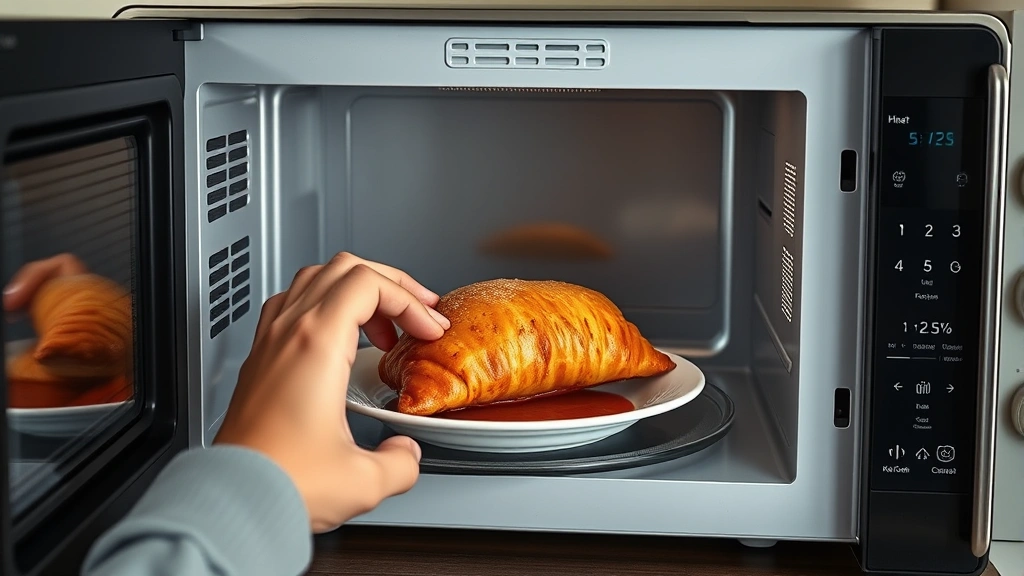
If your hot pocket comes out cold in the middle, you’ve either got a low-wattage microwave or you’re not using enough power. Bump up to 80% power and add 30 seconds. If it’s still not working, your microwave might have dead zones—some older models don’t heat evenly. The fix is to rotate the pocket 180 degrees halfway through cooking.
If you’re getting a pocket that’s molten on the outside but frozen in the center, you’re using too much power. Drop to 60-70% and add time instead. This is especially common in newer, high-powered microwaves that are over 1200 watts. Those beasts heat fast, and hot pockets need gentler treatment.
Uneven heating is also solved by placement. Put the pocket on a microwave-safe plate rather than directly on the turntable. The plate acts as a heat buffer and helps distribute energy more evenly. Also, make sure your microwave’s turntable is actually rotating—a stuck turntable is a common culprit for cold spots.
Toaster Oven Alternative
If you’ve got time and want a genuinely superior hot pocket, use your toaster oven instead. Preheat to 400°F and bake for 12-15 minutes. The crust gets crispy, the filling heats evenly, and you don’t get those weird texture issues that microwaves create. It’s not faster, but the quality jump is significant. This is similar to the principle behind how long it takes to preheat an oven—you’re investing in proper heat distribution.
The trade-off is obvious: toaster oven takes 15 minutes versus 2 minutes in the microwave. But if you’re not in a rush, it’s worth it. The hot pocket stays warm longer too, because the filling isn’t superheated like it gets in the microwave.
Pro Tips & Tricks
Here’s my collection of small hacks that add up: First, if your hot pocket has a wet filling like cheese or meat, poke a tiny hole in the top before microwaving. Just a pinhole—this lets steam escape gradually instead of building pressure that explodes everywhere. Second, wrap your pocket loosely in a paper towel. This absorbs some moisture and keeps the crust from getting soggy.
Third, use a microwave cover or even just a coffee mug turned upside down over the plate. This traps steam and helps heat distribute. Fourth, if you’re cooking multiple pockets, arrange them in a circle on your plate rather than stacking them. They’ll heat more evenly because each one gets direct microwave exposure.
Fifth, and this sounds weird but trust me: add a small glass of water to the microwave alongside your pocket. Water absorbs some of the microwave energy, which slows the heating and makes it more even. This is the same principle as butterflying chicken breast for even cooking—you’re managing heat distribution.
Safety Considerations
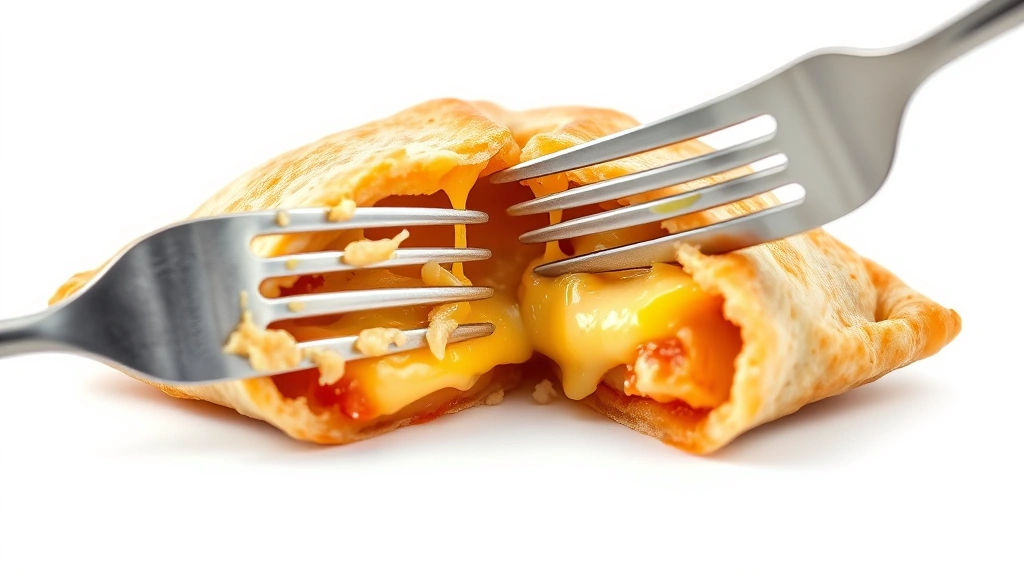
Hot pockets can get dangerously hot inside. The filling heats to higher temperatures than the crust because of how microwaves work—they’re better at heating dense, moist foods. Always let it sit for that standing time before biting in. I’ve seen people burn their mouths badly by diving in immediately.
Also, be careful about the corners and edges. They’ll be hotter than the rest of the pocket. When you cut it open, let steam escape before putting it near your face. And if you’re making these for kids, cut them open and let them cool for a full minute before serving.
Never microwave a hot pocket in its cardboard sleeve—always transfer it to a microwave-safe plate. The sleeve can contain materials that aren’t microwave-safe, and it defeats the purpose of even heating anyway.
Frequently Asked Questions
Can you microwave a hot pocket without a plate?
Technically yes, but don’t. The plate helps distribute heat and catches any filling that leaks. Plus, a plate gives you something to grab so you don’t burn your hands on the hot pocket itself.
What’s the difference between microwaving time for different flavors?
Cooking time doesn’t really change based on flavor. A pepperoni pocket takes the same 2 minutes as a cheese pocket. The main variable is the amount of filling—a really stuffed pocket might need an extra 15-20 seconds, while a less-full one might be done at 1 minute 45 seconds. You’ll develop a feel for this after a few tries.
Is it safe to microwave a hot pocket that’s been sitting out?
If it’s been at room temperature for more than 2 hours, I’d toss it. If it’s been less than 2 hours, it’s probably fine, but use your judgment. Microwaving won’t kill bacteria that produce toxins, so don’t rely on reheating as a safety measure.
Why does my microwave make the filling explode?
That’s steam pressure building up inside. Lower your power level, use the standing time, or poke a tiny hole in the top. The hole lets steam escape gradually instead of building pressure.
Can you cook a hot pocket in the microwave and then the toaster oven?
You can, but why? Either microwave it for speed or toaster oven it for quality. Doing both just wastes time and energy. If you want the crispy crust of a toaster oven, start there instead.


