
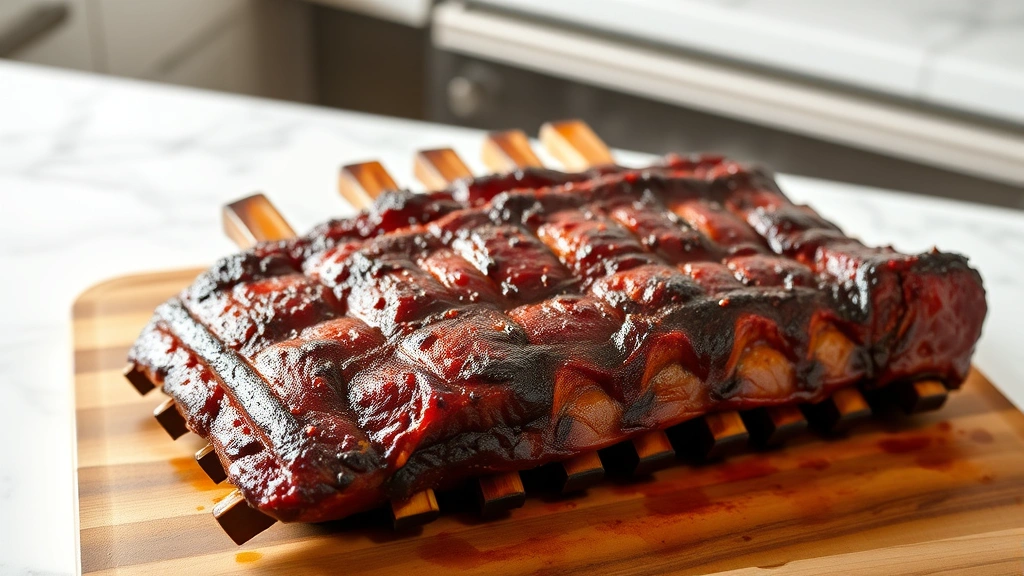
Figuring out how long to smoke ribs is one of those skills that separates backyard grillers from true pitmasters, and honestly, it’s not as complicated as it sounds. The basic answer is 5-6 hours for baby back ribs at 225°F, but the real magic happens when you understand the variables that affect cooking time and learn to read your meat instead of just watching the clock.
Table of Contents
Rib Types Matter Most
Not all ribs cook at the same pace, and that’s the first thing to lock down. Baby back ribs—the most popular choice for smoking—typically need 5-6 hours at 225°F. St. Louis-style ribs, which are trimmed from the belly side, are slightly larger and meatier, so they’ll run you closer to 6-7 hours. Beef short ribs, those monster bones, can demand 8-10 hours because of their sheer mass and connective tissue density.
Spare ribs fall somewhere in the middle at 6-7 hours. The thickness and bone structure matter as much as the type. I’ve had some spare ribs done in 5.5 hours and others that needed every bit of 7.5 hours, depending on where they came from and how the butcher cut them.
Temperature is Your Foundation
Smoking ribs at 225°F is the gold standard, and there’s a reason every pitmaster worth their salt uses this number. At this temperature, the fat and connective tissue break down at the right pace—fast enough to finish in a reasonable timeframe, slow enough to develop that smoke ring and render the fat properly. Drop to 200°F and you’re looking at 7-8 hours. Push to 250°F and you’ll shave off an hour or so, but you risk drying out the meat if you’re not careful.
I typically aim for 225°F as my sweet spot, using a reliable thermometer mounted on the smoker itself. Offset smokers, barrel smokers, and pellet smokers all behave differently, so get to know your specific rig. If your smoker runs hot, adjust your intake dampers. If it runs cool, add more fuel or position your heat source closer to the cooking grates.
The 3-2-1 Method Explained
This is the framework that made smoking ribs accessible to regular people. The method breaks down like this: 3 hours of smoke unwrapped, 2 hours wrapped in foil with butter and brown sugar, 1 hour unwrapped to finish and set the bark. For baby back ribs at 225°F, this gets you to a solid finished product in 6 hours flat.
The first 3 hours build your smoke ring and bark. The meat absorbs smoke aggressively during this window, so don’t skip it. The 2-hour wrap phase tenderizes the meat and speeds up the cooking process by trapping steam. The final hour lets the bark firm up and the sauce set if you’re using one. This method works because it respects the physics of smoking while accounting for the different stages of meat breakdown.
You can adjust the ratio based on your preferences and rib type. Some folks do 2-2-1 for faster results, or 4-2-1 if they want extra smoke flavor and bark development. The principle stays the same: smoke, braise, finish.
Reading Meat Doneness Signs
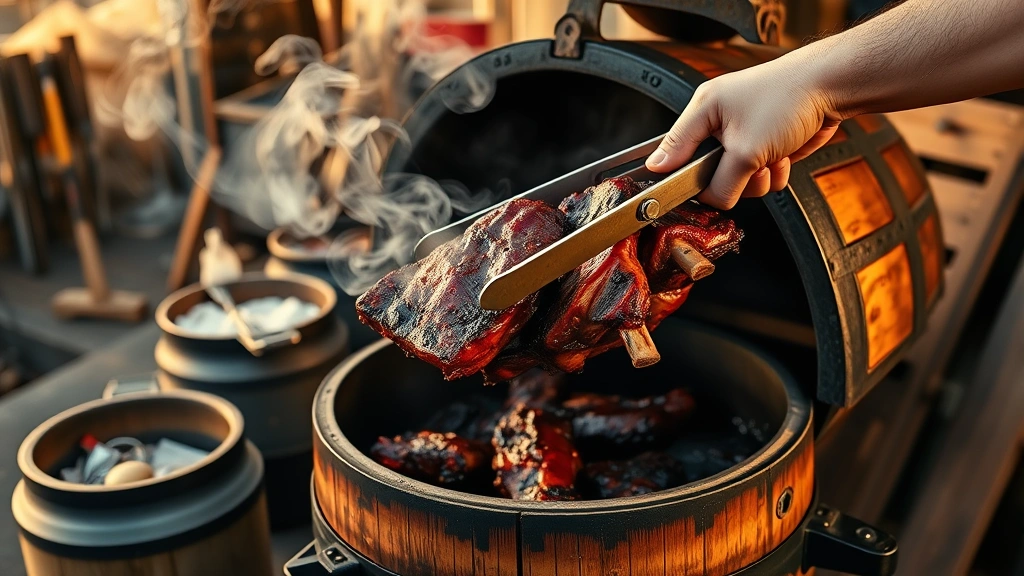
The clock is a guide, not a law. Real doneness comes down to how the meat behaves. Properly smoked ribs should have meat that pulls back from the bones by about a quarter inch, exposing the tips. When you pick up a rack with tongs at the center, it should bend and nearly break apart under its own weight. This is the “bend test,” and it’s more reliable than any timer.
Another check: slide a toothpick or small knife through the thickest part of the meat. It should glide through with almost no resistance, like pushing through soft butter. The internal temperature should hit 195-203°F when you probe the thickest meat away from bone. Ribs don’t follow the same temperature rules as brisket or pork shoulder—the collagen breakdown is what matters, and that happens in that 195-203°F range.
Color is your third indicator. The bark should be dark brown to nearly black, with a slight sheen from rendered fat. If it looks pale or gray, the ribs need more time. If it looks burnt and brittle, you’ve gone too far.
Low and Slow Benefits
The low and slow approach—smoking at 225°F for 5-6 hours—gives you several advantages over faster methods. First, you get maximum smoke penetration and that coveted smoke ring. Second, the fat renders gradually, keeping the meat moist and flavorful. Third, you have time to troubleshoot if your smoker temperature spikes or drops.
Higher temperatures (275-300°F) will get ribs done in 3-4 hours, but the results are noticeably different. The bark doesn’t develop as deeply, the smoke ring is thinner, and the meat texture can be slightly tougher. For competition or when you’re feeding a crowd and need efficiency, hot and fast makes sense. For backyard smoking where you want the best flavor and texture, low and slow wins every time.
This is also why understanding Boston Butt Recipe techniques helps—the same low-and-slow principles apply to larger pork cuts, just with longer timeframes.
Wood Type Affects Timing
The wood you choose doesn’t directly change cooking time, but it does affect how you manage the smoke during that time. Oak and hickory produce heavier smoke that builds quickly. Fruitwoods like apple and cherry produce lighter, sweeter smoke that takes longer to develop flavor. This matters because you might add wood at different intervals to control smoke intensity.
With heavy-smoke woods, I typically add wood only during the first 3 hours. With lighter woods, I might add small amounts throughout the entire cook. The timing of the 3-2-1 method stays the same, but your wood management changes based on what you’re burning. Experiment with your smoker and preferred wood to dial in the balance you like.
Troubleshooting Common Issues
Ribs done too fast usually means temperature ran too high. Check your thermometer placement—it should be at grate level where the meat sits, not near the heat source. If your smoker consistently runs hot, adjust dampers or add a water pan to moderate temperature swings.
Ribs taking too long might mean your smoker isn’t holding temperature, or you’re cooking thicker-cut ribs than you realize. Beef short ribs need significantly more time than pork ribs, so don’t compare them directly. If you’re at hour 7 and still not seeing the bend test pass, bump temperature up 25°F and check again in 30 minutes.
Dry ribs usually come from overcooking or insufficient fat in the meat. Buy better ribs with good marbling, and don’t skip the wrap phase—that butter and brown sugar layer insulates the meat and keeps it moist. If ribs are already dry, serve them with a good sauce to compensate, though prevention is always better.
Resting Period is Critical
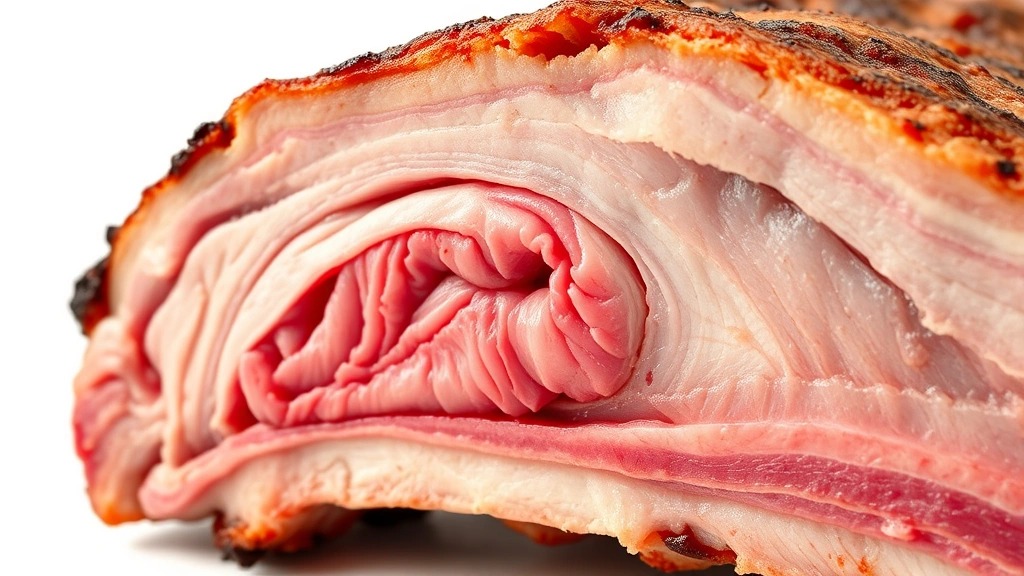
After ribs come off the smoker, let them rest for 10-15 minutes before cutting. This allows the meat fibers to relax and reabsorb some of the juices that rose to the surface during cooking. Cutting into hot ribs immediately releases all that moisture, leaving you with drier meat.
Wrap the finished rack loosely in foil and let it sit at room temperature. This isn’t a long rest like you’d do with a brisket, but those 10-15 minutes make a noticeable difference in texture and juiciness. If you’re serving ribs at a gathering, this rest time also gives you a window to plate sides or handle last-minute details without the meat getting cold.
Pairing your ribs with complementary sides elevates the meal—similar to how Cadillac Margarita Recipe pairs with barbecue for a complete experience.
Frequently Asked Questions
Can I smoke ribs in 4 hours?
You can smoke ribs in 4 hours if you run your smoker at 275-300°F, but quality suffers. At that temperature, the bark doesn’t develop properly and the smoke ring is minimal. Stick with 5-6 hours at 225°F for better results. If you’re in a time crunch, use the hot-and-fast method intentionally rather than rushing a low-and-slow cook.
What if my ribs are still tough after 6 hours?
Tough ribs after 6 hours usually means temperature was too low or the ribs are thicker than standard baby backs. Verify your thermometer is accurate and positioned at grate level. If temperature is correct, the ribs might be beef short ribs or a specialty cut that needs 8-10 hours. Do the toothpick test—if it doesn’t slide through easily, give them another 30-45 minutes.
Should I wrap ribs in foil or butcher paper?
Either works, but foil is more efficient for the 3-2-1 method because it traps steam better. Butcher paper allows slightly more smoke penetration if you want to unwrap them for the final hour. For the wrap phase specifically, foil with butter and brown sugar is the traditional choice. The butter helps keep meat moist while the brown sugar adds flavor.
Can I smoke ribs overnight?
You can smoke ribs low and slow overnight at 225°F, but you’ll need to monitor your smoker. Most home smokers can’t maintain consistent temperature unattended for 8+ hours without intervention. If your smoker has good insulation and you’re comfortable checking it every couple hours, overnight smoking works. Use a remote thermometer so you can monitor temperature from inside without opening the smoker.
Do I need to flip ribs while smoking?
Flipping isn’t necessary if you’re using the 3-2-1 method because the wrapping phase covers the meat from all angles. If you’re smoking unwrapped the entire time, flip every 2-3 hours to ensure even cooking and bark development. Most pitmasters skip flipping when using the wrap method since it saves time and the results are consistent.
What’s the best wood for smoking ribs?
Hickory is the most popular choice for ribs because it produces strong, traditional barbecue flavor. Oak works well too and is slightly milder. Apple and cherry are lighter options if you prefer subtle smoke. Avoid softwoods like pine or cedar—they create creosote that tastes acrid. Stick with hardwoods and experiment to find your preference.
Final Thoughts: How long to smoke ribs comes down to understanding your smoker, knowing your rib type, and reading the meat rather than the clock. Start with 5-6 hours at 225°F using the 3-2-1 method, do the bend test and toothpick check, and adjust based on results. Once you nail the timing on your specific setup, you’ll be pulling off ribs that rival any pitmaster in your area. The investment in a good thermometer and a little practice pays dividends every time you fire up the smoker.
For more smoking techniques that apply to larger cuts, check out Boston Butt Recipe for similar low-and-slow principles. And if you’re planning a full barbecue spread, How Long to Steam Crab Legs covers seafood timing if you want to diversify your menu. These resources will help you master timing across different proteins and cooking methods.


