
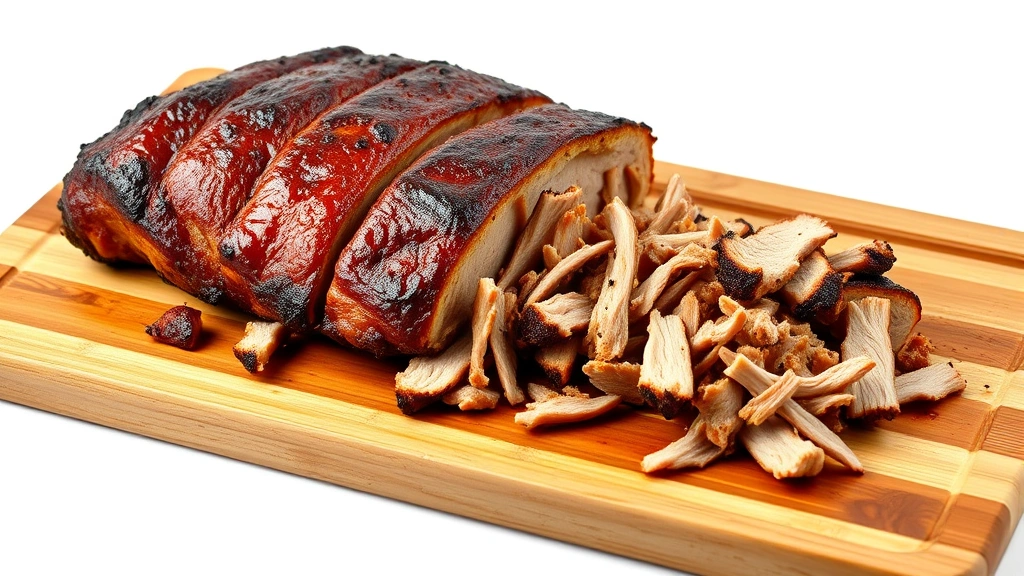
Learning how long to smoke a pork butt is one of those skills that separates the backyard grill masters from the weekend warriors. You’re looking at anywhere from 10 to 16 hours depending on your setup, meat size, and whether you’re wrapping it halfway through. But there’s way more to it than just throwing a shoulder on the smoker and hoping for the best.
Table of Contents
Understanding Your Pork Butt
First things first—let’s talk about what you’re actually working with. A pork butt (also called a pork shoulder) is a tough, fatty cut loaded with collagen and connective tissue. That’s exactly why it’s perfect for smoking. When you apply low and slow heat, all that fat renders down and the collagen transforms into gelatin, giving you that fall-apart texture people crave.
Most pork butts weigh between 8 and 16 pounds. You’ll want to trim the fat cap to about a quarter-inch thick—enough to protect the meat but not so much that it blocks your smoke penetration. The size of your cut directly impacts how long to smoke a pork butt, so weigh it before you start.
Temperature Guide Essentials
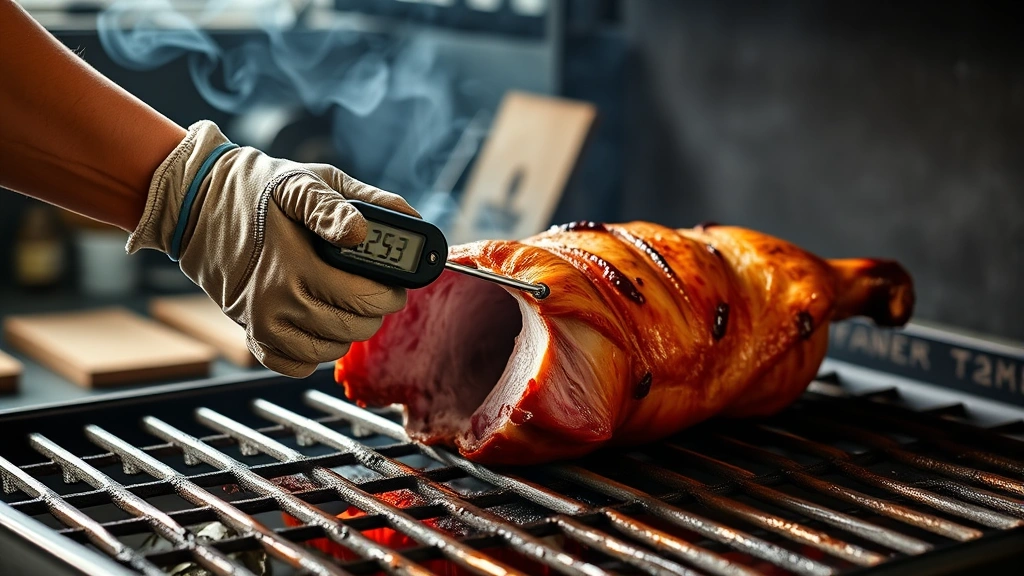
Here’s the golden rule: maintain your smoker at 225-250°F throughout the cook. Most pitmasters stick to 225°F because it gives you better bark development and more time to catch problems before they happen. Your target internal temperature is 190-203°F in the thickest part of the meat—that’s where the magic happens.
Use a reliable meat thermometer. Seriously. Don’t guess. Insert it into the thickest part without touching bone, and make sure it’s accurate. Digital instant-read thermometers run about $20-40 and will save you from overcooking or undercooking your butt.
The Smoking Timeline Breakdown
At 225°F, expect roughly 1.5 to 2 hours per pound. So a 12-pound pork butt takes 18 to 24 hours. A 10-pound butt? That’s 15 to 20 hours. At 250°F, you can shave off about 30 minutes per pound, bringing a 12-pounder down to 15-18 hours.
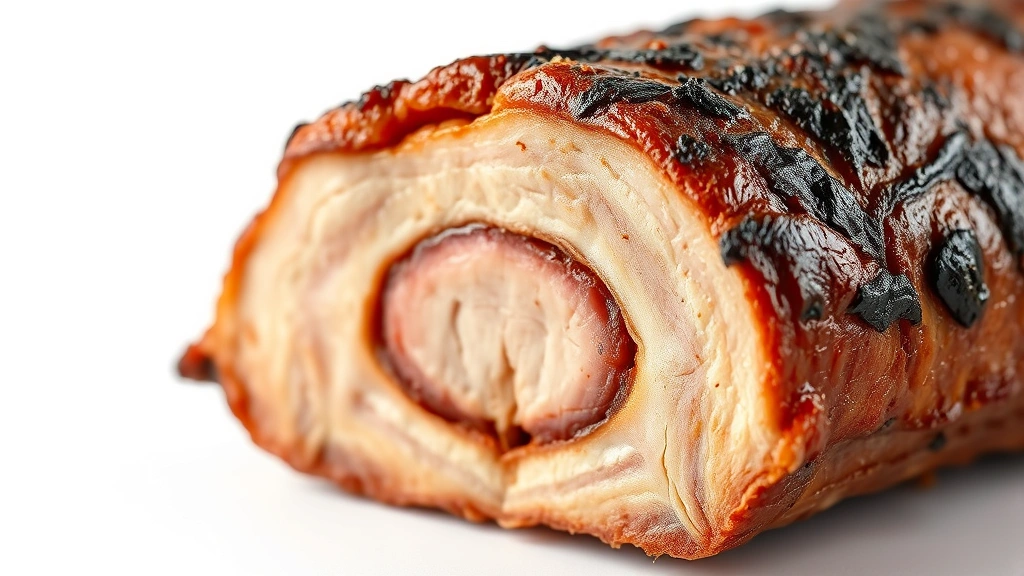
Here’s what a typical cook looks like: smoke unwrapped for the first 4-6 hours to build bark. Check your thermometer at the 4-hour mark. Don’t obsess over it—every 2 hours is plenty. Around 165°F internal temp (usually 6-8 hours in), wrap it in butcher paper or foil. This is called the Texas crutch and it’ll speed things up while keeping that bark intact.
From wrapping to pulling, expect another 4-8 hours depending on your target temperature and meat size. The last push from 165°F to 203°F can actually take longer than the first part because the meat’s cooling effect slows heat penetration.
Dealing With the Stall
Around 150-165°F, your pork butt will hit the stall. The internal temperature just stops climbing. This isn’t a failure—it’s evaporative cooling doing its thing. Your meat is sweating, and that sweat is cooling it down as fast as your smoker’s heating it up.
You’ve got three options: power through it (takes 2-3 hours), wrap it to speed things up (cuts stall time in half), or use a combination approach. Wrap it tight in butcher paper with a little butter and brown sugar if you want. The wrap traps moisture and heat, pushing through that stall faster. Don’t panic—this is normal and expected.
Wrapping Techniques That Work
Butcher paper is the move. It’s breathable enough to let some smoke through while trapping heat and moisture. Foil works too but you’ll lose some bark texture. Wrap it tight so nothing leaks, but not so tight that you can’t handle it with gloves.
Some folks wrap at the stall, others wrap from the jump. Neither is wrong. Wrapping earlier speeds up the whole cook by 2-3 hours, which matters when you’re planning a dinner party. Wrapping later gives you better bark but extends your total time. Pick your poison based on your schedule.
Choosing the Right Smoking Wood
Hickory, oak, and apple are your best friends for pork. Hickory gives you that classic smoke flavor—bold but not overwhelming. Oak is milder and burns cleaner. Apple is sweet and subtle. Mix them if you want. Use chunks instead of chips (they last longer), and soak them for 30 minutes before adding to your firebox.
Don’t go crazy with smoke. A thin blue smoke is what you want, not thick white billows. Thick smoke tastes acrid and bitter. If your smoker’s pumping out white clouds, dial it back.
Why Resting Matters Most
Pull your pork at 203°F and immediately wrap it in foil and towels. Let it rest for at least 30 minutes—an hour is better. During this time, the residual heat finishes the cook, the muscle fibers relax, and the juices redistribute throughout the meat instead of running out when you pull it.
This resting period is non-negotiable. It’s the difference between juicy pulled pork and dry, stringy disappointment. Keep it wrapped and in a cooler if you need to hold it for a couple hours before serving.
Common Smoking Problems
Your bark’s too soft? You wrapped too early. Next time, wait until you hit 165°F or wrap in paper instead of foil. Your meat’s dry? You cooked past 203°F or didn’t rest it properly. Aim for 195-200°F and always rest.
Temperature won’t climb? Check your thermometer placement—it shouldn’t touch bone. Make sure your smoker’s actually holding temperature. Use an oven thermometer to verify. If your smoker’s running hot or cold, adjust your vents accordingly.
Uneven cooking? Rotate your meat 180 degrees halfway through. Most smokers have hot spots. Pork butts are forgiving, but rotation helps. If one end’s cooking faster, move it to a cooler spot on your grates.
Frequently Asked Questions
Can I smoke a pork butt overnight?
Absolutely. In fact, many pitmasters start their cook at 9 PM for a morning finish. Set your temperature, check it before bed, and you’ll wake up to nearly-done pork. Just make sure your smoker’s reliable and your thermometer’s accurate so you don’t oversleep a finished cook.
What if my pork butt finishes early?
Wrap it in foil and towels and stick it in a cooler. Pork holds temperature beautifully for 2-3 hours this way. You can finish other dishes, prep sides, or just relax. This is actually ideal if you’re hosting—your meat stays hot and juicy without drying out.
Should I spritz my pork while smoking?
It’s optional. Some folks spritz every hour with apple juice or cider vinegar to keep the surface moist. Others skip it entirely. If you do spritz, do it before wrapping. After wrapping, leave it alone—you don’t need to open it up and lose heat.
Can I use a gas smoker instead of charcoal?
Yes. Gas smokers work great for pork butts. You’ll get similar results, though some say you lose a bit of that deep smoke flavor. The timing’s the same—still 1.5 to 2 hours per pound at 225°F. Just keep your wood chips in a smoker box and monitor your temperature more closely since gas burners can be finicky.
What’s the best internal temperature for pulling?
Aim for 190-203°F. At 190°F, it’s pull-able but might be slightly firmer. At 203°F, it’s fall-apart tender. Most pitmasters target 200-202°F as the sweet spot. Use a meat thermometer—don’t guess by time alone.
How much pork should I buy per person?
Plan for about 0.5 pounds of raw pork per person. A 12-pound butt feeds 20-24 people with sides. Pork loses about 25-30% of its weight during cooking, so that 12-pounder becomes about 8-9 pounds of pulled pork.
Final Thoughts
Smoking a pork butt isn’t rocket science, but it does demand patience and attention. You’re looking at a full day or night of tending your smoker, managing temperature, and resisting the urge to constantly open the lid. The payoff is worth it—tender, smoky, fall-apart pork that tastes like you’ve been doing this for years.
Start with a 10-12 pound butt, maintain 225°F, wrap at the stall, pull at 203°F, and rest it properly. Those five things will get you 90% of the way there. The rest is just experience and tweaking based on your specific smoker and preferences.
For more cooking techniques, check out our guides on slow-cooking methods and preparing side dishes to round out your meal. You might also find our ranch dressing recipe perfect for serving alongside your pulled pork.
For authoritative guidance on smoking techniques, the Family Handyman smoking guide offers excellent supplementary information. The Bob Vila resource on smoking meat provides additional perspectives, and This Old House’s smoking tutorial covers foundational concepts worth reviewing.
Get your smoker dialed in, grab your pork butt, and get to work. You’ve got this.


