
Knowing how long to leave hair dye in is the difference between salon-quality color and a DIY disaster. Get the timing wrong, and you’re either stuck with patchy, weak color or fried, damaged hair. I’ve been helping folks navigate this exact problem for years, and the answer isn’t one-size-fits-all—it depends on your hair type, the dye brand, and what color transformation you’re after.
Table of Contents
Processing Time Basics
The standard processing time for most hair dye sits between 20 and 45 minutes, but that’s just the baseline. Your actual timing depends on several factors working together. Think of it like baking—the recipe gives you a starting point, but your oven’s actual temperature, your ingredients’ temperature, and what you’re making all affect the final result.
Most box dyes and professional formulas print their recommended time right on the box. Don’t ignore this. It’s based on testing with standard hair types and conditions. However, if you’re working with virgin hair (never been dyed), previously colored hair, or textured hair, you’ll need to adjust accordingly.
Permanent vs Semi-Permanent Dye
Permanent and semi-permanent dyes process at completely different rates. Permanent dye typically needs 30 to 45 minutes because it has to open the hair cuticle and deposit color molecules deep into the cortex. Semi-permanent dye, which sits on the hair shaft rather than penetrating it, usually only needs 10 to 20 minutes. Demi-permanent falls somewhere in between at 20 to 30 minutes.
Here’s the thing: leaving permanent dye on longer than recommended won’t necessarily make the color darker or better. After about 45 minutes, the chemical reaction has essentially completed, and additional time just risks damage. With semi-permanent dye, you can sometimes go longer without damage, but you won’t get significantly better results past 30 minutes.
Hair Type Matters Most
Fine, thin hair processes dye much faster than thick, coarse hair. If you’ve got delicate strands, you might need to cut the recommended time by 5 to 10 minutes to avoid over-processing. Thick, coarse, or tightly curled hair needs more time—sometimes 5 to 10 minutes longer—because the dye molecules have a harder time penetrating the denser hair structure.
Textured hair, especially natural curls and coils, often requires closer attention. The bends and curves in the hair shaft can trap heat and accelerate processing in some areas while other sections lag behind. Check your color development every 5 minutes after the halfway point to catch any uneven processing.
Porosity also plays a huge role. High-porosity hair (damaged, bleached, or very dry) absorbs dye quickly and can over-process fast. Low-porosity hair resists dye penetration and might need the full recommended time or even a bit longer. If your hair feels rough or straw-like, it’s probably high-porosity—reduce your processing time.
Developer Strength Impact
The developer volume you’re using directly affects how fast the dye processes. Developers come in 10, 20, 30, and 40 volume strengths. A 10 volume developer processes slowly and gently, while 40 volume is aggressive and fast. If you’re using a higher volume developer than the one recommended with your dye, reduce your processing time by 5 to 10 minutes. Lower volume? You might need to add a few minutes.
This is where a lot of home dyers mess up. They use whatever developer they have on hand without adjusting timing. The developer and dye are a team—they work together. Mixing them without considering the volume is like trying to follow a recipe with the wrong oven temperature.
Color Lift and Depth
If you’re going significantly lighter (lifting color), you need more processing time. Going from dark brown to blonde might require the full 45 minutes or even a touch longer with some formulas. Going darker or staying in the same color family? You can often get away with 25 to 30 minutes.
The depth of the color you’re applying matters too. Darker shades process faster and show results quicker because darker pigments are larger molecules. Lighter shades, especially ash tones or pastels, need more time to fully develop their true color. If you cut the time short on a light blonde, you might end up with a greenish or yellowish tone instead of the cool shade you wanted.
Timing by Dye Type
Permanent Box Dye: Follow the box instructions exactly—usually 30 to 40 minutes. Set a timer and don’t wing it. These formulas are tested for standard processing times, and they work best when you stick to the plan.
Professional Permanent Dye: Typically 30 to 45 minutes depending on the brand. Professional formulas often allow more flexibility than box dyes because they’re designed for trained colorists who know how to adjust. Still, start with the recommended time.
Semi-Permanent Dye: Usually 10 to 20 minutes, but you can push it to 30 without damage. These are forgiving because they don’t use harsh chemicals. Many people leave them on for the full 30 minutes to get maximum color payoff.
Demi-Permanent Dye: Aim for 20 to 30 minutes. These sit in the middle ground—gentler than permanent but more deposit than semi-permanent. They’re great for subtle changes or refreshing existing color.
Temporary Color Rinses: These wash out with one shampoo and need 5 to 10 minutes maximum. They’re mostly for fun or testing a color before committing.
Signs You’re Overdoing It
If your hair feels mushy, stretches easily when wet, or smells like burning, you’ve gone too long. Stop immediately and rinse thoroughly. These are signs of chemical damage, and continuing will only make it worse. Hair that’s been over-processed is weak and prone to breaking.
Another sign is if the color looks too dark or muddy. This sometimes happens when dye sits too long—the color over-deposits and loses its intended tone. If you notice this happening around the 35-minute mark with a 45-minute dye, rinse it out early. You can always reapply later if needed, but you can’t undo over-processing.
Pro Tips for Success
Do a strand test first. I know it’s tedious, but testing on a hidden section under your hair takes 20 minutes and saves you from a full-head disaster. Test the exact same way you’ll dye your whole head—same developer, same timing, same temperature conditions.
Check progress early. Don’t just set a timer and walk away. Around the 20-minute mark, wipe a small section with a damp cloth to see how the color’s developing. This gives you real data to work with, not just guessing.
Keep your hair warm. Heat speeds up processing. If you’re in a cold room, wrap your head loosely in a plastic cap. If processing seems slow, a warm (not hot) blow dryer held a few inches away can help. Just don’t overheat—you want warmth, not cooking your scalp.
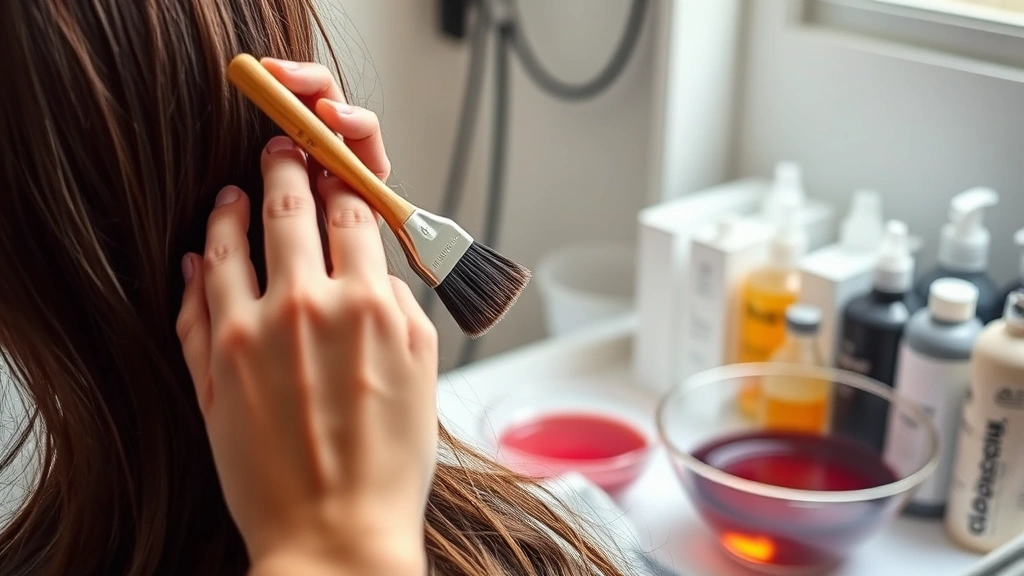
Apply dye evenly. Uneven application means uneven processing. Sections with more dye will process faster and darker. Work methodically, using a dye brush to saturate every strand, especially at the roots where new growth is.
Consider your starting point. Previously dyed hair processes differently than virgin hair. If you’ve colored your hair before, the older color can affect how new dye takes. Typically, previously colored hair needs slightly less time because it’s already more porous.
Don’t double-process on the same day. If you bleach your hair and then dye it the same day, you’re asking for trouble. Give your hair at least a week between major color treatments. This is where a lot of home dyers go wrong—they’re impatient and end up with fried hair.
For more timing guidance on other kitchen and household tasks, check out our guide on how long to cook meatloaf at 400 for similar precision timing principles. Understanding exact timing is crucial whether you’re in the kitchen or the bathroom.
Frequently Asked Questions
Can I leave hair dye on longer than recommended?
Not really. After the recommended time, you’re not getting better color—you’re just risking damage. The chemical reaction has completed, and additional time won’t deepen the color significantly. If you want darker results, use a darker shade next time or do a second application after a week.
What if I leave dye on too short?
You’ll get weak, patchy color that might not cover gray evenly. If you realize you stopped too early, you can reapply dye to the areas that didn’t take well after 48 hours. Don’t re-dye immediately—your hair needs recovery time.
Does hot water speed up dye processing?
Yes, heat accelerates the chemical reaction. A warm (not hot) environment helps dye process, which is why leaving your dye on in a warm bathroom works better than a cold one. However, excessive heat can cause the dye to process unevenly or too quickly, so don’t overdo it.
Should I time from when I apply the dye or after it’s fully applied?
Start timing once you’ve finished applying dye to your entire head. The sections you applied first will have been processing longer by the time you finish, but this slight variation is normal and expected. Most people find this natural variation actually helps with even color development.
Can I rinse early if the color looks right?
Absolutely. If you check at 30 minutes and the color looks perfect, rinse it out. You don’t have to hit the exact recommended time if you’re already happy with the results. Trust your eyes—they’re your best tool here.
How does gray hair affect processing time?
Gray hair is often coarser and more resistant to dye, so it might need the full recommended time or even a few minutes longer. Some colorists recommend applying dye to gray areas first, then the rest of the head, since gray takes longer to process.
What’s the difference between processing time and development time?
They’re the same thing. Processing time, development time, and timing all refer to how long the dye sits on your hair while it’s working. Different brands might use different terminology, but they mean the same thing.
Do I need to adjust timing for different hair colors?
Not really for the dye itself, but for the results you want. Light shades need the full time to develop their true tone. Dark shades might show results faster. The chemical process takes the same time regardless, but the visible color development differs.
Final Thoughts
Getting how long to leave hair dye in right comes down to knowing your hair, following instructions, and paying attention. Start with the recommended time on the box, adjust for your hair type and developer strength, and check progress around the 20-minute mark. Use a timer, don’t guess, and remember that you can always reapply if needed, but you can’t undo over-processing.
The best results come from treating this like a real project, not a quick fix. Do a strand test, apply dye carefully and evenly, keep your hair warm, and watch for signs of trouble. Your hair will thank you with vibrant, healthy-looking color that actually lasts.


