
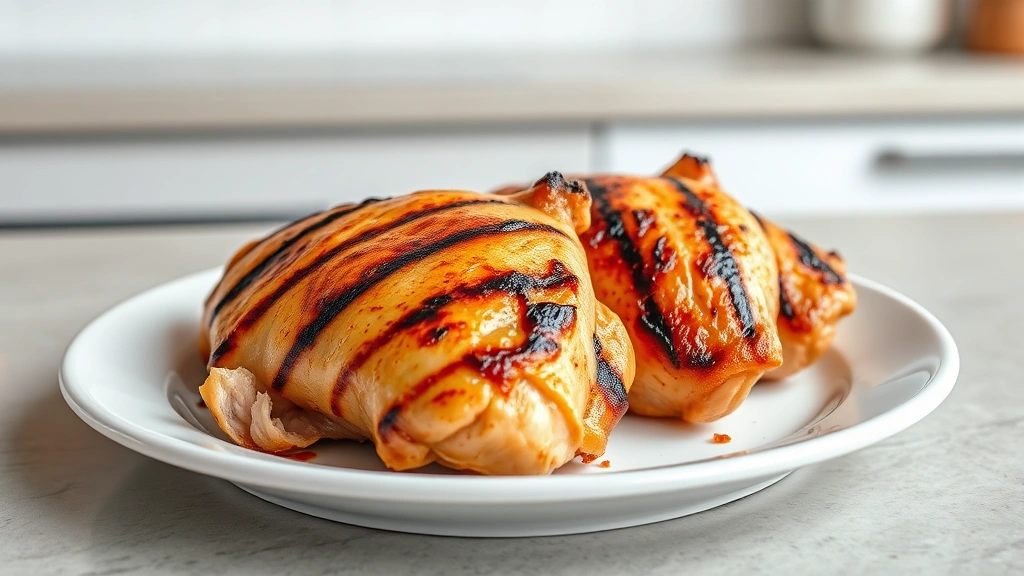
Learning how long to grill boneless chicken thighs is one of those skills that transforms backyard cooking from guesswork into genuine confidence. Boneless chicken thighs are forgiving, flavorful, and way more interesting than chicken breast—they stay juicy even when you’re not babysitting the grill. But nail the timing and temperature, and you’ll have perfectly cooked thighs with crispy skin and tender meat that’ll have everyone asking for your recipe.
Table of Contents
Grilling Time Basics
The straightforward answer: boneless chicken thighs take 12 to 16 minutes total on a properly heated grill. That’s the sweet spot for most home grills running at medium-high heat (around 375-400°F). You’ll typically spend 6 to 8 minutes per side, though the exact time depends on thickness and your specific grill’s personality.
Here’s the thing—thighs are thicker and fattier than chicken breast, which means they can handle higher heat without drying out. That’s actually your advantage. They’re nearly impossible to overcook if you hit the right internal temperature, which we’ll get into shortly.
If you’re working with particularly thick thighs (over an inch), you might stretch this to 18-20 minutes total. Thinner pieces might be done in 10-12 minutes. The key is checking internal temp, not watching the clock like a hawk.
Temperature Matters Most
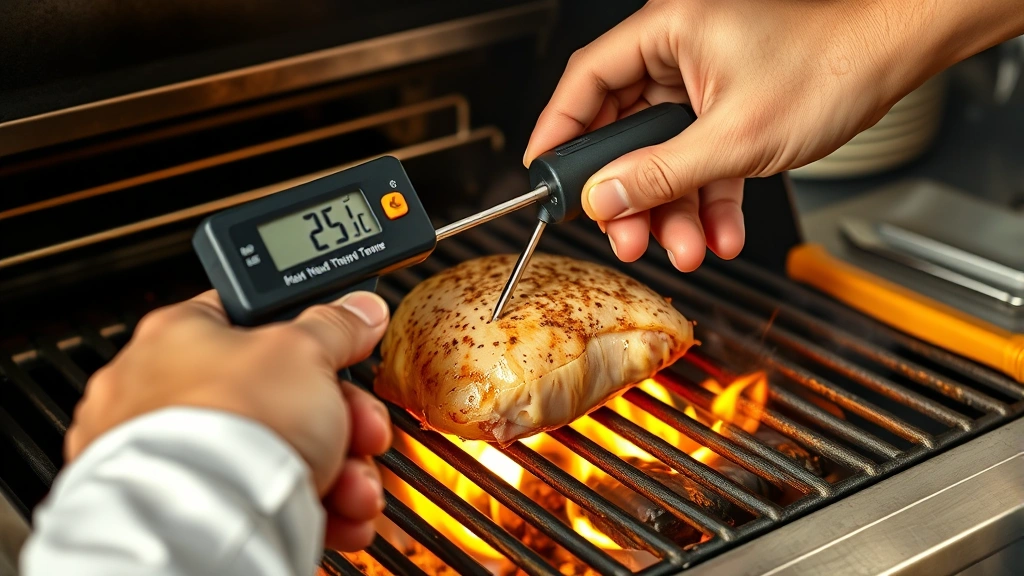
Forget about timing alone—use a meat thermometer. Boneless chicken thighs are safely cooked when they hit 165°F (74°C) internally. This is the USDA’s official safe temperature for poultry, and it’s non-negotiable for food safety.
Here’s the pro move: stick your thermometer into the thickest part of the thigh, away from bone (there’s no bone here, but you get it—the thickest section). Wait for the reading to stabilize. If it’s not at 165°F yet, you’ve got a few more minutes. If it’s already there, pull it off the grill immediately.
Many backyard cooks are surprised to learn that chicken thighs can actually taste better when cooked to 170-175°F. The extra heat renders more fat and creates better texture. It’s not unsafe—it’s just preference. Experiment and find your sweet spot.
Prep Your Thighs Right
Preparation makes a massive difference in grilling success. Start with boneless, skin-on thighs if possible—that skin crisps up beautifully and protects the meat underneath. Pat them completely dry with paper towels. Moisture is the enemy of good browning.
Season generously at least 15-20 minutes before grilling. Salt draws moisture to the surface (counterintuitive, but true), and those 15-20 minutes let it reabsorb, seasoning the meat throughout. Pepper, garlic powder, paprika, cumin—whatever fits your flavor direction.
Some folks like to brine their chicken thighs for 2-4 hours in a salt-water solution. This is optional but genuinely improves juiciness. If you’re short on time, just dry-salt them well and let them sit uncovered in the fridge for 30 minutes before grilling.
Direct vs Indirect Heat
This is where grilling strategy comes in. You’ve got two approaches:
Direct Heat Method: Place thighs directly over the flame on medium-high heat (375-400°F). This creates that beautiful char and crispy skin in 12-16 minutes, flipping halfway through. This works great for thinner thighs and when you want maximum color.
Indirect Heat Method: Start thighs over direct heat for 3-4 minutes per side to get color, then move them to a cooler zone of the grill (or turn off one burner on a gas grill) and finish cooking through at lower temperature. This takes about 8-10 additional minutes. It’s gentler and prevents burning if your thighs are particularly thick.
For boneless thighs, direct heat is usually your best bet. They’re thick enough to handle it, and you want that skin crispy. If you’re grilling at a higher elevation or dealing with a particularly hot grill, shift to the indirect method partway through.
Signs of Doneness
Beyond the thermometer (which you should always use), there are visual clues:
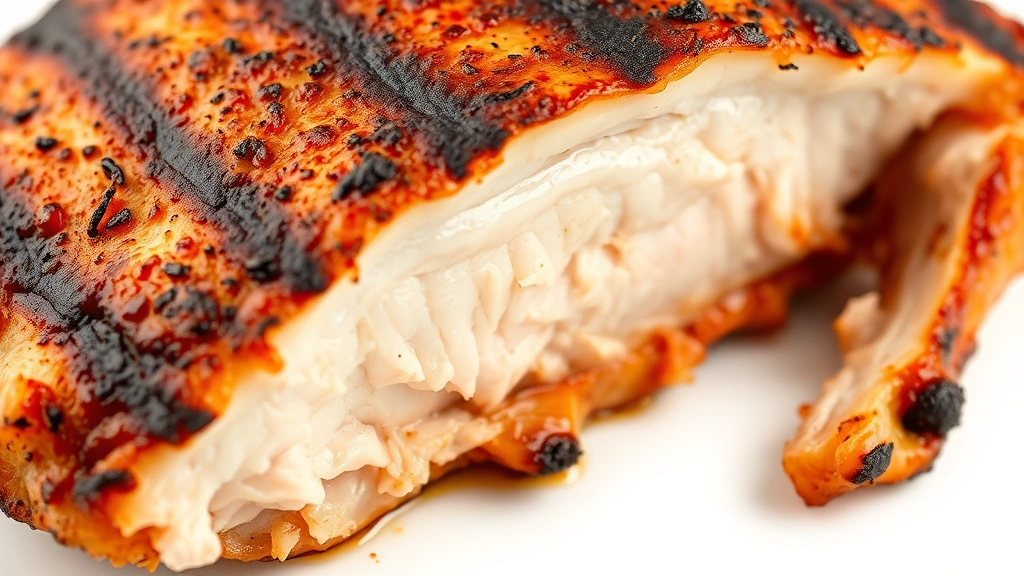
Skin appearance: The skin should be mahogany-brown to deep golden, not pale or charred black. If it looks pale, your grill isn’t hot enough or the thigh needs more time. If it’s turning black, lower your heat.
Juices: Pierce the thickest part with a fork or knife. Clear juices = done. Pink or cloudy juices = keep cooking. This isn’t foolproof though—use the thermometer to confirm.
Firmness: Press the thickest part with your finger (carefully—it’s hot). Fully cooked chicken thighs feel firm but still have slight give, not rock-hard. This takes practice to recognize, so don’t rely on it alone starting out.
Common Grilling Mistakes
Flipping too often: Resist the urge. Flip once, maybe twice. Constant flipping prevents proper browning and extends cooking time. Set a timer for 6-8 minutes, flip once, and leave it alone for another 6-8 minutes.
Starting with cold meat: Take thighs out of the fridge 20-30 minutes before grilling. Cold meat won’t cook evenly. The outside will burn before the inside cooks through.
Overcrowding the grill: Don’t stack thighs on top of each other or cram them too close. They need space for heat to circulate. If you’re cooking for a crowd, grill in batches or use a larger grill surface.
Ignoring grill temperature: A cold grill is your enemy. Preheat for at least 10 minutes. Use a grill thermometer to confirm actual temperature, not just the dial.
Skipping the thermometer: This is the biggest mistake. Visual cues are unreliable. A $12 meat thermometer saves you from undercooked or dried-out chicken every single time.
Resting and Serving
Pull your thighs off the grill when they hit 165°F, but don’t serve them immediately. Let them rest for 5 minutes on a clean plate, loosely tented with foil. This is crucial. Resting allows juices to redistribute throughout the meat instead of running all over your plate.
During those 5 minutes, the internal temperature actually rises slightly (carryover cooking). That’s fine—it’ll stabilize around 168-170°F, which is perfect.
After resting, serve immediately. Pair with grilled vegetables like steamed carrots or a fresh salad. The thighs stay hot and juicy for several minutes after resting, so you’ve got time to plate everything nicely.
Flavor Boosting Tips
Boneless chicken thighs are inherently more flavorful than breast meat, but you can elevate them further:
Marinades: Soak thighs in a marinade for 2-8 hours before grilling. Citrus, soy sauce, garlic, and ginger work beautifully. The acid tenderizes and flavors the meat.
Glazes: Brush a glaze (honey-mustard, teriyaki, BBQ sauce) during the last 2-3 minutes of grilling. This caramelizes and adds depth. Apply too early and it burns.
Smoke: If your grill allows, add wood chips (soaked in water for 30 minutes) to create smoke. Oak, hickory, or applewood pairs perfectly with chicken. Just 10-15 minutes of smoke is plenty.
Butter basting: In the final minute, brush melted butter mixed with fresh herbs (thyme, rosemary) over the thighs. It adds richness and aroma.
For more cooking inspiration, check out our guide on how long to boil chicken breast for alternative preparation methods, or explore how long to bake tilapia for other protein options.
Frequently Asked Questions
Can I grill boneless chicken thighs with the skin off?
Absolutely. Skinless thighs cook slightly faster—usually 10-14 minutes total. They won’t brown as dramatically, but they’re still delicious. Pat them dry, season well, and use the same temperature and timing guidelines, checking with a thermometer at the 10-minute mark.
Why are my thighs drying out?
You’re likely overcooking them or starting with cold meat. Boneless thighs are forgiving, but pushing them past 170°F consistently will dry them out. Also ensure your grill isn’t too hot—aim for 375-400°F, not 450°F+. And always let them rest after cooking.
What’s the difference between boneless and bone-in thighs for grilling?
Bone-in thighs take slightly longer (16-20 minutes) because the bone conducts heat slowly. Boneless thighs cook faster and more evenly. Both are excellent for grilling. Bone-in has slightly better flavor due to the bone’s contribution, but boneless is more convenient.
Can I prep thighs the night before grilling?
Yes. Season them, cover loosely with plastic wrap, and refrigerate overnight. This actually improves flavor and helps them cook more evenly. Just remove them 20-30 minutes before grilling so they reach closer to room temperature.
How do I know if my grill is hot enough?
Use a grill thermometer (not the built-in dial, which is often inaccurate). Aim for 375-400°F. Alternatively, hold your hand 6 inches above the grate—you should only be able to hold it there for 2-3 seconds before it’s unbearably hot.
Should I oil the grill grates?
Yes. Oil prevents sticking and helps create better browning. Use a high-smoke-point oil (vegetable, canola, or avocado oil) on a paper towel, and wipe it on the hot grates right before placing thighs on the grill.
Can I cook frozen boneless chicken thighs?
Not recommended. Frozen thighs won’t cook evenly and will likely be dry on the outside while raw inside. Thaw them completely in the refrigerator (usually overnight) before grilling. In a pinch, you can thaw them in cold water (45 minutes to 1 hour), but refrigerator thawing is best.
What temperature should my grill be for boneless chicken thighs?
Medium-high heat, around 375-400°F. This is hot enough to create nice browning and char without burning the outside before the inside cooks through. If your grill runs hotter, use medium heat instead (350-375°F).
Final Thoughts
Grilling boneless chicken thighs is straightforward once you understand the fundamentals: medium-high heat (375-400°F), 12-16 minutes total with one flip, and always verify doneness with a thermometer at 165°F. The skin-on, boneless variety is forgiving, flavorful, and delivers that crispy-outside, juicy-inside result that makes backyard grilling worth doing.
Start with the direct heat method on a properly preheated grill. Season well, resist the urge to flip constantly, and trust your thermometer over appearance. After your first batch, you’ll develop an intuition for your specific grill’s personality. That’s when grilling boneless chicken thighs stops being a recipe and becomes second nature.
The beauty of thighs is their margin for error. They’re nearly impossible to ruin compared to lean chicken breast. Embrace that forgiving nature, dial in your technique, and you’ll be grilling perfect thighs every single time.


