
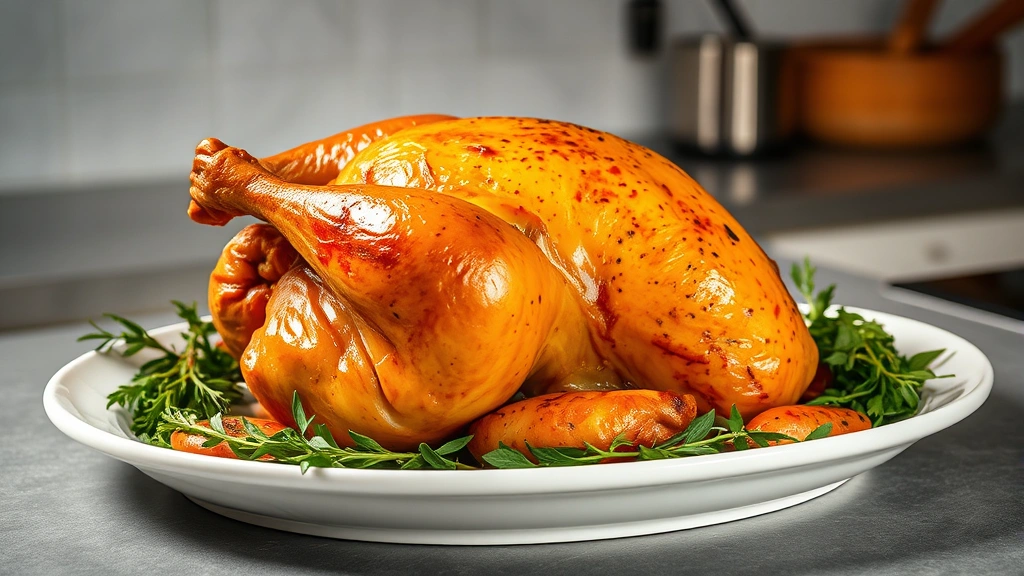
Learning how long to cook whole chicken in oven is one of those kitchen skills that separates the confident cooks from the nervous ones—but here’s the truth: it’s simpler than you think. Whether you’re roasting your first bird or perfecting your technique, getting that golden, juicy chicken comes down to understanding a few key principles and ditching the guesswork.
Table of Contents
Basic Cooking Time Rules
The golden rule for roasting whole chicken is straightforward: 15 minutes per pound at 375°F (190°C), plus an extra 15 minutes. So a 4-pound bird needs roughly 75 minutes, while a 5-pounder needs 90 minutes. This isn’t just some random formula—it’s been tested thousands of times in home kitchens and works reliably when you follow the other guidelines in this guide.
That said, oven temperatures vary wildly. Some run hot, others run cold. The best approach is to use this timing as your baseline, then rely on a meat thermometer to confirm doneness rather than trusting time alone. Think of the timer as your starting point, not your finish line.
Prep Work Matters More
Here’s what separates mediocre roasted chicken from exceptional roasted chicken: preparation. Before your bird even touches the oven, you need to get it right. Pat the chicken completely dry with paper towels—moisture is the enemy of crispy skin. Wet skin steams instead of roasts, and you’ll end up with a pale, flabby exterior instead of that mahogany-brown crackling surface everyone loves.
Season generously inside and out at least 40 minutes before cooking, or better yet, the night before. Salt penetrates the skin and seasons the meat throughout, not just the surface. Don’t be shy—season under the skin too. Stuff the cavity loosely with aromatics like lemon halves, garlic cloves, and fresh herbs. This adds flavor and helps the heat circulate inside the bird.
Let the chicken sit at room temperature for 30-45 minutes before roasting. Cold meat straight from the fridge won’t cook evenly—the outside will overcook while the inside stays undercooked. Room temperature chicken cooks more uniformly throughout.
Temperature is Your Best Friend
Most home cooks roast chicken at 425°F (220°C) or 450°F (230°C) to get crispy skin faster, which typically reduces cooking time by 10-15 minutes compared to the 375°F baseline. The trade-off: higher heat means you need to watch more carefully to avoid burning the skin while waiting for the meat to finish.
For foolproof results, use 375°F (190°C). It’s forgiving, cooks evenly, and gives you breathing room if your oven runs hot or cold. At this temperature, a 4-5 pound chicken takes about 1.5 hours, and you’ll get decent skin browning without stress.
If you want crispy skin and don’t mind babysitting, start at 450°F (230°C) for 20 minutes to brown the skin, then drop the temperature to 375°F (190°C) to finish cooking gently. This two-stage approach gives you the best of both worlds: golden exterior and juicy meat.
Size and Weight Calculations
The 15-minutes-per-pound rule works for chickens between 3 and 6 pounds. Here’s the breakdown:
- 3-pound chicken: 60 minutes at 375°F
- 4-pound chicken: 75 minutes at 375°F
- 5-pound chicken: 90 minutes at 375°F
- 6-pound chicken: 105 minutes at 375°F
Larger chickens (over 6 pounds) actually need slightly less time per pound because the ratio of surface area to volume changes. For a 7-8 pound bird, use 12-13 minutes per pound instead. Smaller chickens under 3 pounds might need 12 minutes per pound since they cook faster.
Always use the actual weight of your specific chicken, not the package estimate. Weigh it yourself if possible. That 4.5-pound bird needs different timing than a 4-pound one.
Cooking Stuffed Chickens
Stuffing changes everything. A stuffed chicken needs an extra 15-20 minutes of cooking time because the stuffing must reach a safe temperature (165°F internally). The outer meat will reach temperature before the center stuffing does, so you’re essentially waiting for the stuffing to catch up.
Make sure your stuffing is prepared correctly—it should be moist but not wet. Pack it loosely into the cavity; tight packing prevents heat from penetrating to the center. Never stuff a chicken the night before; bacteria can grow in the warm, moist environment. Stuff it right before it goes into the oven.
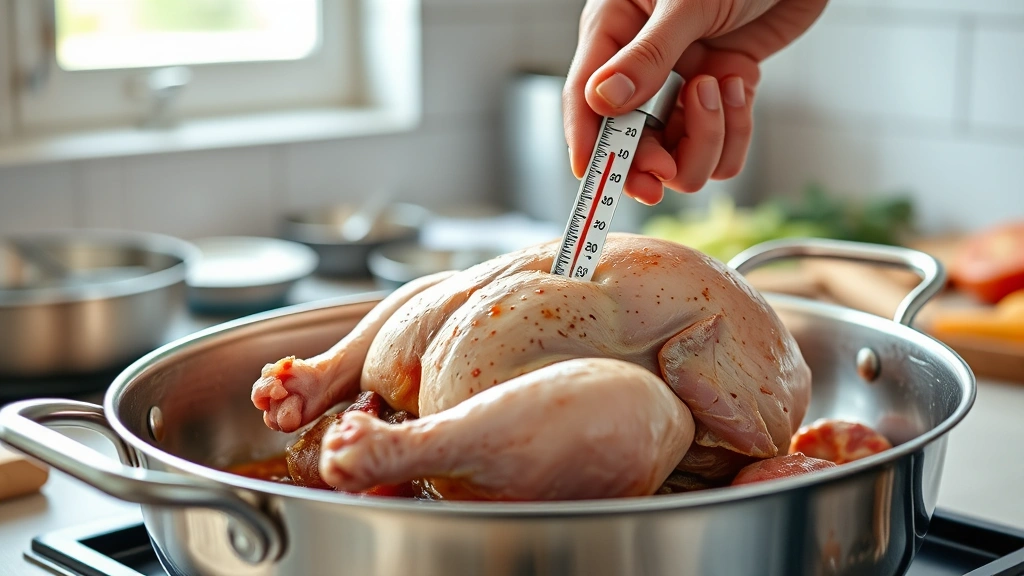
Check the stuffing temperature with a meat thermometer inserted into the center of the stuffing (not touching bone). It must reach 165°F for food safety. This is non-negotiable.
How to Check Doneness
Forget the old trick of checking if the juices run clear—that’s unreliable and outdated. Use a meat thermometer, which is the only accurate way to know when your chicken is done. Insert it into the thickest part of the thigh without touching bone. The safe internal temperature is 165°F (74°C).
The thigh is the last part to cook, so if the thigh reaches 165°F, the rest of the bird is definitely done. Some people prefer pulling the chicken at 160°F and letting carryover cooking finish the job during resting, which can result in slightly juicier meat, but 165°F is the USDA food-safety standard.
Check temperature in multiple spots: both thighs, the thickest part of the breast, and the stuffing (if applicable). Different areas cook at different rates, especially in larger birds.
The Critical Resting Period
This step gets skipped constantly, and it’s a tragedy. After your chicken reaches temperature, remove it from the oven and let it rest for 15-20 minutes before carving. During cooking, heat pushes moisture toward the surface. Resting allows that moisture to redistribute back into the meat, making it juicier and more tender.
Tent the chicken loosely with foil during resting to keep it warm. It won’t cool down as much as you’d think—the residual heat keeps it hot. If you cut into it immediately, all those juices run out onto the cutting board instead of staying in the meat where they belong.
This resting period also makes carving easier. Hot meat is soft and falls apart; rested meat has firmed up slightly and carves cleanly.
Common Roasting Problems
Skin browning too fast but meat underdone? Cover the breast with foil halfway through cooking. The foil shields it from direct heat while the legs and thighs continue cooking. Remove the foil for the last 15 minutes to re-crisp the skin.
Dry meat despite reaching the right temperature? You likely overcooked it or your oven temperature was inaccurate. Invest in an oven thermometer—many home ovens are off by 25°F or more. Also, don’t skip the resting period; it makes a huge difference in perceived juiciness.
Uneven cooking with one side darker than the other? Rotate the pan halfway through. Some ovens have hot spots. Rotating ensures even browning.
Skin not crispy enough? Make sure you patted it dry and didn’t cover the chicken with foil the entire time. Foil traps steam, which prevents browning. Use foil only for the breast if needed, not the whole bird.
Pro Tips for Success
Butter under the skin is your secret weapon. Loosen the skin over the breast and thighs, then slide softened butter mixed with herbs underneath. This bastes the meat from the inside and creates incredibly moist, flavorful results. It also helps the skin brown beautifully.
Truss the chicken loosely (tie the legs together with kitchen twine). This helps it cook more evenly and look more presentable. Loose trussing is key—too tight and the inside doesn’t cook properly.
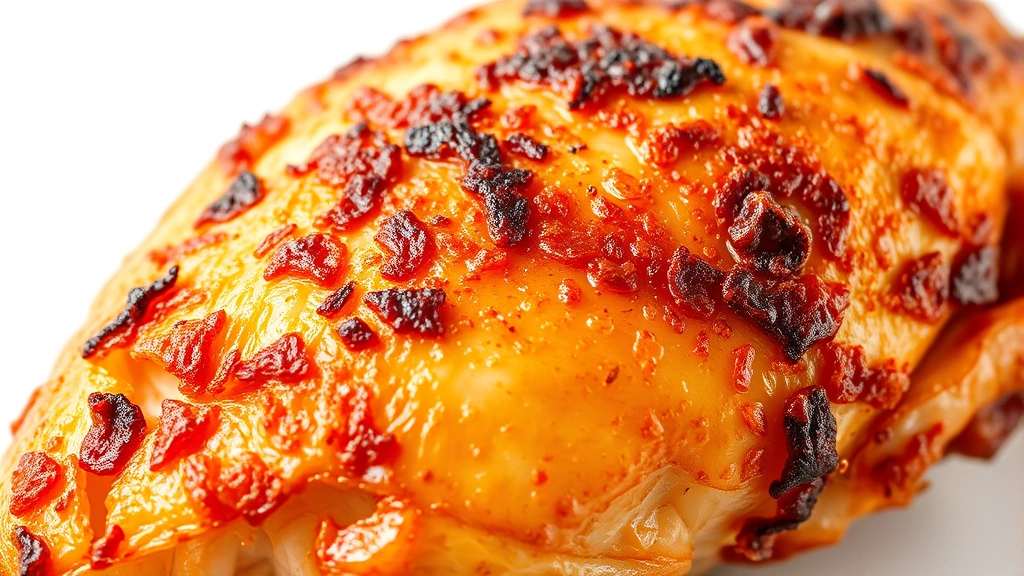
Use a roasting pan with sides at least 2 inches high. A shallow pan allows heat to circulate underneath, but too shallow and drippings spread out and burn. The sides should catch drippings for gravy without preventing airflow.
Don’t overcrowd the oven. Air needs to circulate around the chicken. If you’re roasting multiple chickens, space them at least 3 inches apart.
Make gravy from the pan drippings. After removing the chicken, pour off most of the fat, then deglaze the pan with chicken broth, scraping up the browned bits. Simmer with a slurry of cornstarch and water to thicken. Those browned bits (fond) are pure flavor.
Frequently Asked Questions
Can I cook a whole chicken at 350°F?
Yes, but it takes longer—about 20 minutes per pound instead of 15. A 4-pound chicken would need roughly 80-90 minutes. Lower heat cooks more gently and evenly but produces less skin browning. Use 350°F if you’re worried about overcooking or if your oven runs hot.
What if my chicken isn’t done at the predicted time?
Check the temperature with a meat thermometer. If it’s not at 165°F yet, keep cooking. Every oven is different. Give it 10-minute increments and check again. Don’t just keep cooking blindly—use the thermometer to know exactly when it’s done.
Can I partially cook a chicken and finish it later?
No. This is a food safety issue. Partial cooking allows bacteria to multiply in the danger zone (40-140°F). Either cook it completely, or don’t start until you’re ready to finish. If you need to prep ahead, season and refrigerate the raw chicken, then cook it when you’re ready.
Is it safe to stuff a chicken?
Yes, if done correctly. The stuffing must reach 165°F internally for safety. Use a thermometer to verify. Never stuff a chicken ahead of time—only right before cooking. Check out our best fall recipes for more stuffing ideas.
How do I store leftover roasted chicken?
Refrigerate within 2 hours of cooking. Remove the meat from the bones and store in airtight containers for up to 4 days. You can also freeze it for up to 3 months. The bones make excellent broth—simmer them with water, vegetables, and herbs for 2-3 hours.
Why is my chicken always dry?
Most likely causes: overcooking (use a thermometer), skipping the resting period, or using a lean breed of chicken. Heritage breeds and pasture-raised chickens tend to be juicier than industrial birds. Also, don’t skip the butter under the skin step—it makes a huge difference.
Can I cook chicken from frozen?
Yes, but it takes 50% longer. A frozen 4-pound chicken needs about 2 hours at 375°F. Use a meat thermometer to confirm doneness. Thawing first gives you better browning and more even cooking, so thaw overnight in the fridge if possible.
Final Thoughts
Roasting a whole chicken isn’t complicated once you understand the fundamentals. Start with the 15-minutes-per-pound baseline at 375°F, prep your bird properly by drying and seasoning it well, use a meat thermometer to confirm 165°F in the thigh, and never skip the resting period. Those four things alone will produce restaurant-quality results consistently.
The beauty of roasted chicken is that it’s forgiving. It’s hard to completely ruin one. Even if it’s slightly overcooked, it’s still delicious, especially with good seasoning and gravy made from the pan drippings. Start here, practice a few times, and soon you’ll be roasting chicken on autopilot.
For more dinner inspiration, check out our easy dinner recipes for one or explore Cajun boil recipe options. And if you’re planning a larger meal, our easy dessert recipes to feed a crowd pair perfectly with roasted chicken dinners.


