
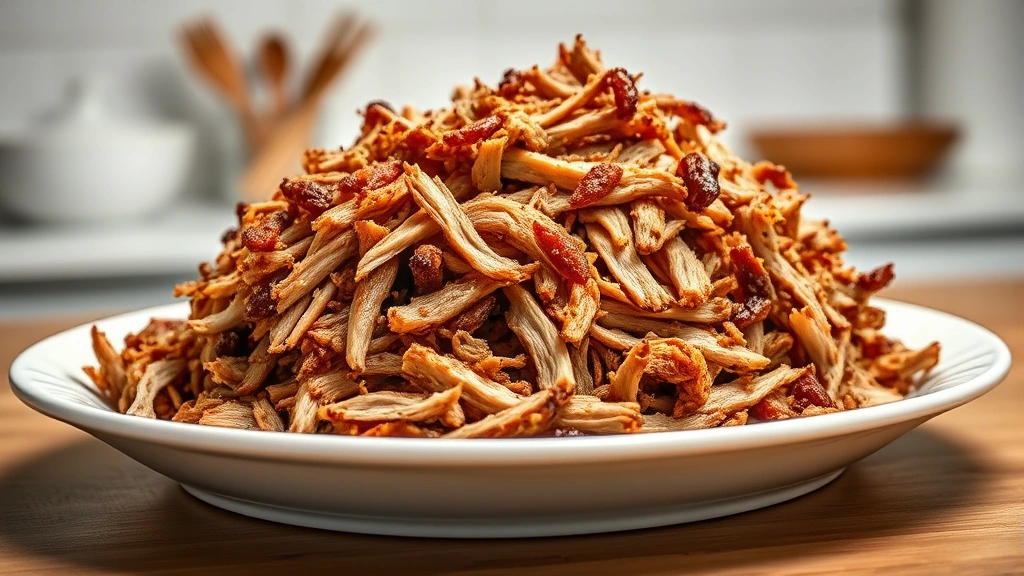
Learning how long to cook pork butt in oven is one of those skills that separates folks who just throw meat in the heat from folks who actually know what they’re doing. I’ve spent years figuring out the exact timing and temperatures that turn a tough cut into something so tender it falls apart with a fork. This isn’t rocket science, but it does require patience and a little know-how.
Table of Contents
Cooking Time & Temperature
The golden rule for pork butt in the oven is straightforward: plan on 30-40 minutes per pound at 325°F (163°C). If you’ve got a 8-pound pork butt, you’re looking at roughly 4 to 5 hours of cooking time. The exact duration depends on your oven’s personality—some run hot, others run cool—so always use a meat thermometer rather than trusting the clock alone.
The target internal temperature is 190-205°F (88-96°C) at the thickest part, away from any bone. This temperature range is where the collagen in the meat finally breaks down and transforms into gelatin, giving you that coveted pulled pork texture. If you pull it out at 165°F, you’ll have dry, tough meat that’ll make you regret the whole endeavor.
Prep Your Pork Butt Right
Before that pork butt even sees the inside of your oven, you need to set it up for success. Pat the meat dry with paper towels—moisture is the enemy of a good crust. Then generously season with salt, pepper, and whatever spice rub gets you excited. I’m partial to a mix of brown sugar, paprika, garlic powder, and cayenne, but you do you.
Score the fat cap in a crosshatch pattern, cutting about a quarter-inch deep. This helps your seasoning penetrate and allows the fat to render more evenly. Place the pork butt fat-side up on a roasting pan. If you want to get fancy, add a cup of water or broth to the bottom of the pan—this keeps things moist and gives you the base for gravy later. Speaking of which, once you’re done cooking, you can make gravy from drippings to really round out your meal.
Low & Slow Method
This is the classic approach, and honestly, it’s hard to mess up. Set your oven to 325°F and slide that seasoned pork butt in. You’re not going to touch it much—that’s the beauty of this method. Just let it sit there and do its thing for 4-5 hours depending on size.
About halfway through cooking, check the water level in your pan. If it’s drying out, add another half cup of broth. Some people like to wrap the pork butt in foil once it hits an internal temp of 165°F to speed up the final push to 190°F. This is called the “Texas crutch,” and it works—the foil traps steam and moisture, pushing that last 25 degrees faster.
The low and slow method is forgiving because the lower temperature means you’ve got a wider window before you overcook things. Even if it takes an extra 30 minutes, you’re not going to ruin it.
High Heat Approach
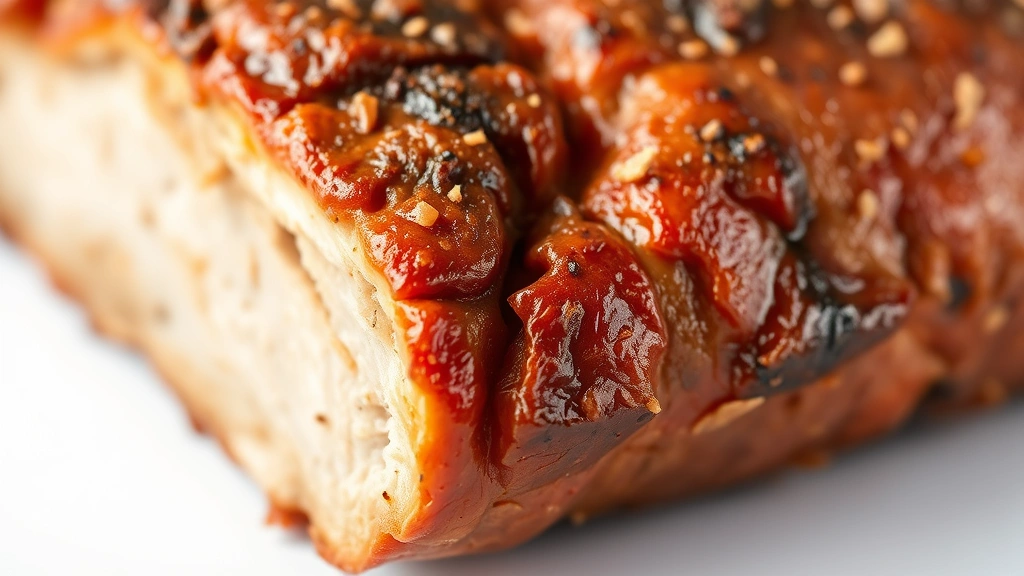
If you’re short on time, you can crank the oven to 450°F for the first 20 minutes to develop a nice crust, then drop it to 325°F for the remainder of cooking. This gives you the best of both worlds—a flavorful bark on the outside and tender meat inside. The higher initial heat creates a Maillard reaction that adds serious depth to the final product.
Don’t skip this searing step if you’re trying to speed things up. The crust isn’t just for looks; it’s where all the flavor lives. You want that exterior dark and caramelized, almost charred in spots. That’s not burning—that’s intentional flavor development.
Checking for Doneness
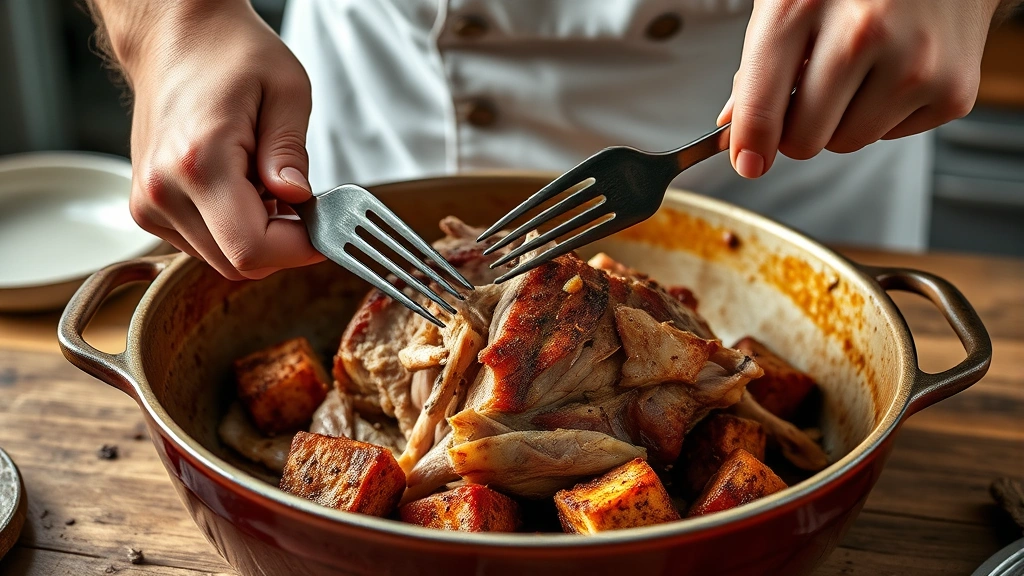
Here’s where most people go wrong: they rely on time instead of temperature. A meat thermometer is non-negotiable. Stick it into the thickest part of the pork butt, away from bone, and wait for the reading to stabilize. You’re aiming for 190-205°F.
The pork should also pass the fork test—if you can shred a piece with just a fork and it pulls apart easily, you’re golden. If it’s still fighting back, give it another 15-20 minutes and check again. Better to wait an extra 20 minutes than to serve rubber.
Don’t panic if the temperature plateaus around 160-170°F for a while. This is called the “stall,” and it happens because evaporative cooling is fighting against your oven heat. It’s normal. Just keep cooking.
Resting Your Meat
Once you hit that magic 190-205°F, pull the pork butt out and let it rest for at least 15-20 minutes, covered loosely with foil. This resting period is crucial—it allows the juices to redistribute throughout the meat instead of running all over your cutting board.
During this rest, the internal temperature might actually climb another 5-10 degrees (carryover cooking), so don’t be alarmed. This is fine and actually helps push any cooler spots to the target temperature.
Perfect Side Dishes
Pulled pork needs companions, and I’ve got some favorites. Cheesy mashed potatoes are a no-brainer—creamy, comforting, and they soak up all those pan juices beautifully. If you want something with a bit of tang, apple butter from a crockpot adds a sweet-savory element that plays really well with pork.
Coleslaw is another classic—the acidity cuts through the richness of the pork and refreshes your palate between bites. Cornbread, baked beans, or roasted vegetables all work too. The point is to give yourself options and let your guests build their own plate.
Troubleshooting Common Issues
If your pork butt comes out dry, you either didn’t cook it long enough or your oven runs hot. Next time, use a thermometer and don’t rely on the clock. If the outside is burning before the inside is done, lower your oven temperature by 25 degrees and add foil.
If the bark (crispy exterior) isn’t forming, make sure you’re starting with a dry surface and using enough seasoning. The salt and spices help develop that crust. Some folks also finish the pork butt under the broiler for 2-3 minutes at the very end to crisp things up.
If you’re consistently getting uneven cooking with one side done before the other, your oven probably has hot spots. Rotate the pan halfway through cooking and use an oven thermometer to verify your actual temperature matches what the dial says.
Frequently Asked Questions
Can I cook pork butt at a higher temperature to save time?
Technically yes, but you’ll sacrifice tenderness. Cooking at 400°F might save you an hour, but the meat won’t have time to break down properly. Stick with 325°F and be patient. Good things take time.
Should I cover the pork butt with foil the whole time?
No. Start uncovered to build that crust, then add foil after the first hour if it’s browning too fast. You want some air circulation early on.
What’s the difference between pork butt and pork shoulder?
Pork butt comes from the upper shoulder and has more fat, making it ideal for pulled pork. Pork shoulder (also called picnic shoulder) comes from lower down and is leaner. Both work, but pork butt is the classic choice.
Can I cook pork butt overnight?
Absolutely. Set your oven to 225°F and plan on 10-12 hours for an 8-pound butt. This low-and-slow approach is fantastic if you want to prep the night before and have dinner ready by afternoon.
How do I store leftover pulled pork?
Keep it in an airtight container in the fridge for up to 4 days. You can also freeze it for up to 3 months. Reheat gently in a 300°F oven with a splash of broth to prevent drying out.
Do I need to trim the fat before cooking?
Leave most of it on—that fat renders during cooking and keeps everything moist. You can trim excess hard fat, but the marbling and fat cap are your friends here.
Final Thoughts
Mastering how long to cook pork butt in oven comes down to three things: proper temperature (190-205°F), patience (4-5 hours minimum), and a reliable meat thermometer. Don’t rush it, don’t guess on doneness, and you’ll end up with pulled pork that makes people ask for your recipe.
The beauty of this cut is that it’s forgiving. Even if you’re off by 30 minutes, you’re not ruining dinner. Use these guidelines as your foundation, trust your thermometer, and adjust based on your oven’s quirks. After your first successful cook, you’ll wonder why you ever bought the pre-made stuff from the grocery store.


