
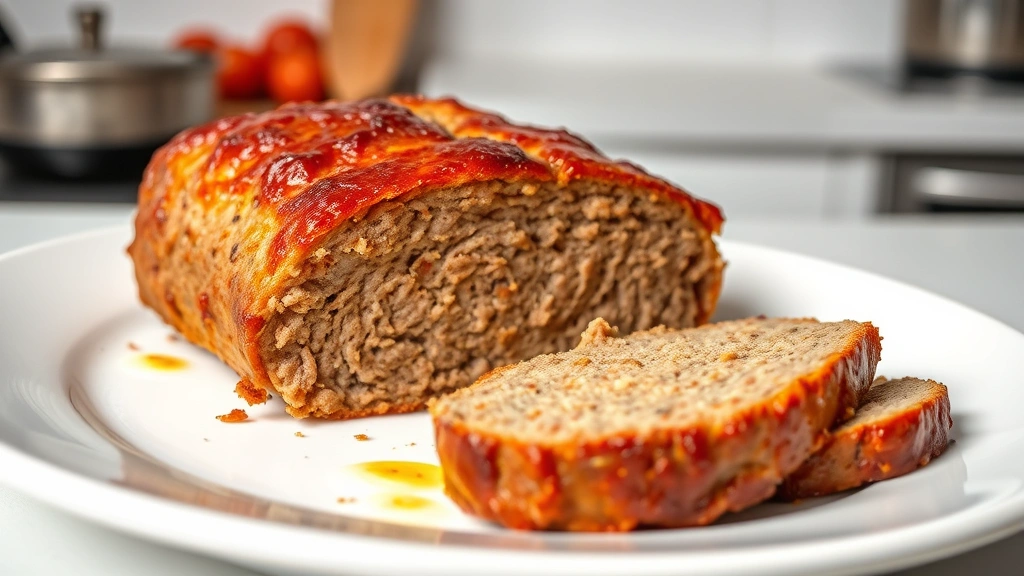
So you’re wondering how long to cook meatloaf at 400 degrees—and honestly, it’s one of those kitchen questions that separates the “eh, it’s done” crowd from folks who actually nail it every single time. The answer isn’t just a number; it’s about understanding your oven, your meatloaf mix, and what “done” actually looks like. Let me walk you through this like we’re standing in the kitchen together, because getting meatloaf right is easier than you think once you know the fundamentals.
Table of Contents
Cooking Time Basics at 400°F
At 400 degrees Fahrenheit, you’re looking at roughly 35 to 45 minutes for a standard 2-pound meatloaf. That’s your baseline. The reason 400°F works so well is that it’s hot enough to cook the meatloaf through without drying out the exterior—it’s that sweet spot where the outside gets a nice crust while the inside stays moist and tender. This is significantly faster than cooking at 350°F, which would take you closer to an hour, but not so aggressive that you end up with charred edges and a raw center.
Here’s the workshop truth: every oven has personality. Your neighbor’s oven might run 25 degrees hotter than yours, which changes everything. So while I’m giving you the 35-45 minute window, you need to start checking around the 30-minute mark. This isn’t paranoia; it’s just smart cooking.
Temperature Actually Matters
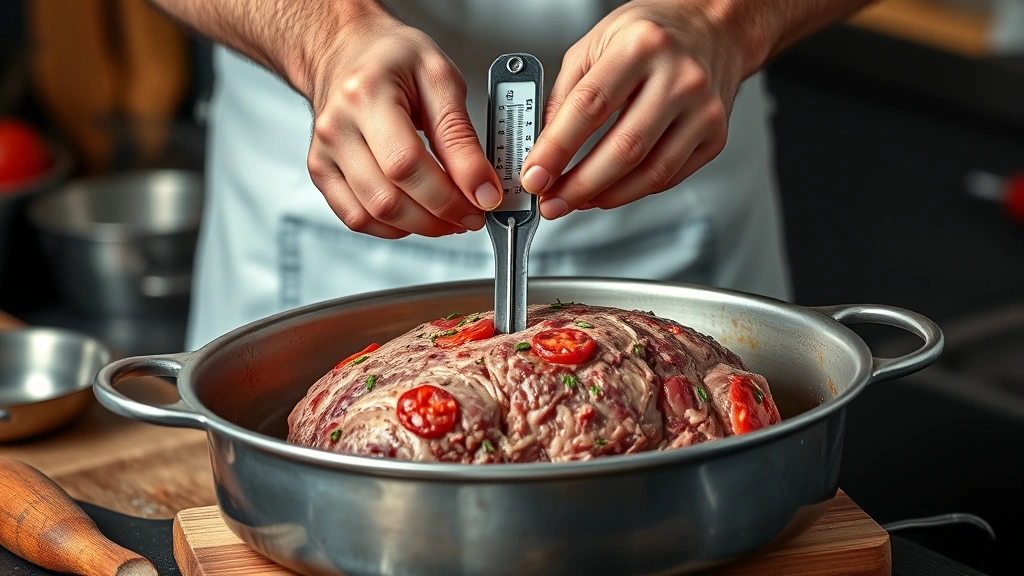
The internal temperature is your real boss here, not the timer. You want your meatloaf to hit 160°F internally—that’s the safe temperature for ground beef according to food safety standards. Grab a meat thermometer (seriously, if you don’t have one, get one—they’re cheap and invaluable), and stick it into the thickest part of the meatloaf, away from the pan. That’s your actual done signal.
Some folks use the old “juices run clear” test, but honestly, a thermometer removes all the guessing. When you’re cooking at 400°F, that internal temperature climb happens faster than at lower heats, so you really do need to monitor it. The difference between perfectly cooked and overcooked can be just 5 minutes at this temperature.
Meatloaf Size Affects Everything
A 2-pound meatloaf at 400°F takes about 40 minutes. But what if you’re making a 3-pound beast for a crowd? Add another 15-20 minutes. Going smaller with a 1.5-pound loaf? Shave off about 10 minutes. The general rule is roughly 20 minutes per pound at 400°F, though that’s a rough guide because the shape matters too.
A wide, flat meatloaf cooks faster than a tall, narrow one because heat penetrates more evenly. If you’re using a loaf pan, the heat has to work harder to reach the center. If you’re forming it on a baking sheet, it’ll cook a bit faster because air can circulate underneath. These details matter when you’re aiming for precision.
Preparing Your Meatloaf Right
Before you even think about timing, you need to prep correctly. Mix your ground beef with breadcrumbs, eggs, onions, and seasonings—but don’t overmix. Overworking the meat makes it dense and tough, like a hockey puck. Mix just until everything is combined, then form your loaf gently.
Here’s a pro move: let your meatloaf sit at room temperature for 15-20 minutes before cooking. This helps it cook more evenly because the cold center won’t lag behind the warm exterior. Also, consider lining your baking sheet with foil or parchment paper—it makes cleanup infinitely easier and helps with even heat distribution.
If you want to glaze your meatloaf (ketchup-based glaze, barbecue sauce, whatever), wait until the last 10-15 minutes of cooking. Adding glaze too early can burn it and throw off your timing calculations.
Checking for Doneness Properly
Around the 30-minute mark, grab your meat thermometer and check the internal temperature in three spots: the center, the thickest part, and near the edge. You’re looking for all of them to hit 160°F. If the center is still at 145°F but the edges are done, give it another 5-10 minutes and check again.
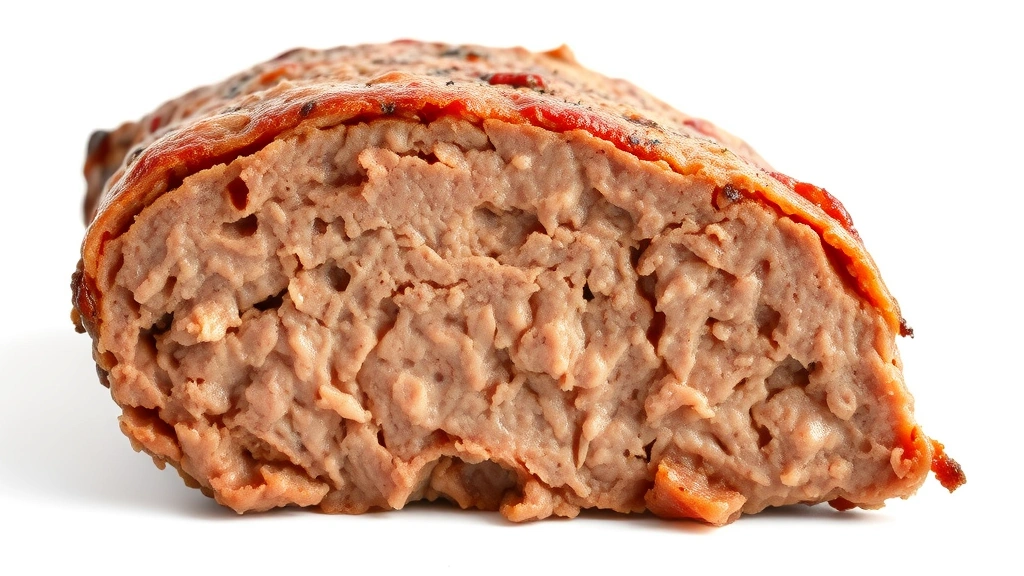
Don’t rely on color alone. A meatloaf can look done on the outside while still being slightly undercooked in the middle. The thermometer is your truth-teller. If you see clear juices running out when you insert the thermometer, that’s a good sign, but it’s not definitive proof—the thermometer reading is what matters.
Common Mistakes to Avoid
The biggest mistake I see is opening the oven door too many times. Every time you open it, you’re releasing heat and extending your cooking time. Check once at 30 minutes, then again at 35 minutes if needed. That’s it.
Second mistake: not draining the fat. Ground beef releases fat as it cooks. If your meatloaf is sitting in a pool of grease, it’s essentially frying instead of baking. Use a slotted pan or tilt your baking sheet so fat drains to one side. This also prevents the bottom from getting soggy.
Third: using meat that’s too lean or too fatty. Aim for 80/20 or 85/15 ground beef. Too lean and it dries out; too fatty and you get grease everywhere. The ratio matters for both flavor and texture.
Resting and Serving Your Meatloaf
When your meatloaf hits 160°F, pull it out and let it rest for 5-10 minutes before slicing. This is crucial. The juices redistribute throughout the meat, so when you cut into it, everything stays moist instead of running all over your plate. It’s the same principle as resting a steak.
If you’re making meatloaf sandwiches, let it cool completely, then refrigerate before slicing. Cold meatloaf slices cleaner and stays together better. Plus, leftover meatloaf is honestly better than fresh meatloaf for sandwiches.
Timing Side Dishes Together
Since meatloaf at 400°F takes 35-45 minutes, you can time your sides to finish together. Steam asparagus for about 8-10 minutes starting at the 30-minute mark. Boil green beans for 5-7 minutes, also starting near the end. Crockpot potato recipes can run simultaneously if you’ve got the oven space.
Roasted vegetables on a second oven rack work great too—they’ll cook at the same 400°F temperature. Root vegetables like potatoes and carrots take about 35-40 minutes, so toss them in when the meatloaf goes in. According to Family Handyman, timing multiple dishes together is all about understanding your oven’s hot spots and rack positions.
Frequently Asked Questions
Can I cook meatloaf at 400°F in a loaf pan instead of on a baking sheet?
Yes, absolutely. It’ll take about 5-10 minutes longer because heat can’t circulate underneath. Check the internal temperature at 40 minutes instead of 35. Make sure to drain the fat partway through cooking.
What if my meatloaf is still raw in the center after 45 minutes?
Your oven might run cool, or your meatloaf is thicker than average. Cover it loosely with foil to prevent the outside from browning further, then give it another 10-15 minutes. Check the temperature every 5 minutes after that.
Is it safe to eat meatloaf at 155°F instead of 160°F?
No. Ground beef needs to reach 160°F to kill harmful bacteria. This isn’t a guideline; it’s a food safety requirement. Whole cuts of beef can be eaten rare, but ground meat must hit 160°F.
Can I use a meat thermometer before the meatloaf looks done?
Yes, that’s exactly what you should do. The thermometer is more reliable than appearance. Check at 30 minutes even if it doesn’t look fully cooked yet.
What’s the difference between cooking at 350°F versus 400°F?
At 350°F, you’re looking at 50-60 minutes for a 2-pound meatloaf. The higher temperature (400°F) cooks it faster but requires closer monitoring. Choose based on your schedule and oven preferences.
Can I freeze a cooked meatloaf and reheat it?
Completely. Let it cool, wrap it tightly, and freeze for up to 3 months. Reheat at 350°F for about 25-30 minutes until warmed through. You can also reheat individual slices in the microwave.
Should I add a glaze, and does it change cooking time?
Glazes are optional but tasty. Apply them in the last 10-15 minutes of cooking so they caramelize without burning. They don’t significantly change total cooking time, just monitor that last stretch closely.
Final Thoughts
Cooking meatloaf at 400°F is straightforward once you nail the fundamentals: aim for 35-45 minutes for a 2-pound loaf, trust your meat thermometer for the 160°F target, and give it a proper rest before slicing. The beauty of this temperature is that it cooks fast enough for weeknight dinners but not so fast that you end up with a dried-out mess. Start checking at 30 minutes, adjust based on your oven’s personality, and you’ll nail it consistently. Your family’s going to wonder why your meatloaf suddenly tastes so much better—now you know the secret.


