
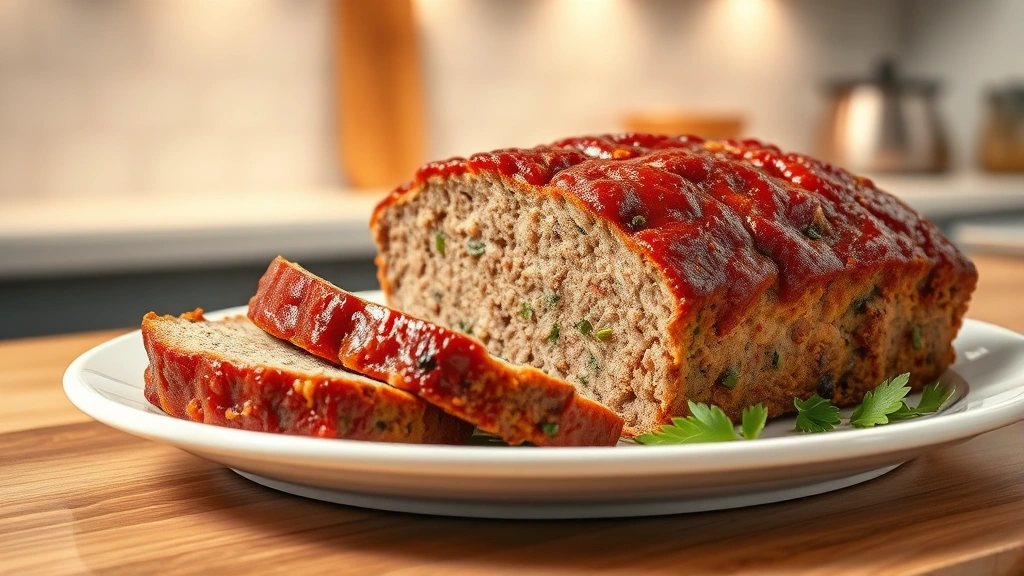
When you’re figuring out how long to cook meatloaf at 350 degrees, you’re looking at roughly 1 hour to 1 hour and 15 minutes for a standard 2-pound loaf. But here’s the thing—temperature isn’t just about time. It’s about nailing that perfect balance between a fully cooked interior and a nicely browned exterior without drying out your meat. I’ve made enough meatloaf to know that getting this right transforms a weeknight dinner from “meh” to genuinely delicious.
Table of Contents
Basic Timing Guidelines
The standard rule of thumb is straightforward: at 350°F, plan on approximately 1 hour for a 2-pound meatloaf. If you’re making a larger loaf—say 3 pounds—add another 15 to 20 minutes. For smaller loaves around 1.5 pounds, you might be done in 50 to 55 minutes. The key is that you’re cooking the meat all the way through to a safe internal temperature, which we’ll get into shortly.
I always start checking at the 50-minute mark, just to get a sense of how things are progressing. Every oven runs a bit differently, and factors like your oven’s accuracy, whether you’re using a glass or metal pan, and even the shape of your loaf affect timing. A flatter, wider loaf cooks faster than a tall, narrow one because heat penetrates more evenly.
Why Temperature Matters
350°F is the sweet spot for meatloaf. It’s hot enough to cook the meat through without being so aggressive that the outside burns before the inside is done. Lower temperatures (like 325°F) work but take longer—we’re talking 1 hour 20 minutes or more. Higher temperatures (like 375°F or 400°F) speed things up but risk drying out your meatloaf or creating a tough, overcooked crust.
The reason 350°F works so well is that it allows the heat to penetrate gradually from the outside in. This gives you time to develop that nice, caramelized exterior while keeping the inside moist and tender. It’s the difference between a meatloaf that’s a centerpiece and one that’s just… there.
Size and Weight Factor In
Weight is your most reliable guide here. A 1.5-pound loaf: 45 to 55 minutes. A 2-pound loaf: 55 to 65 minutes. A 2.5-pound loaf: 65 to 75 minutes. A 3-pound loaf: 75 to 90 minutes. These are estimates, but they’re solid ones based on consistent cooking patterns.
The shape matters too. If you’re using a loaf pan, the meat is constrained and cooks more evenly. If you’re free-forming your meatloaf on a baking sheet, it has more surface area exposed to heat, which can speed up cooking slightly. Some folks prefer the sheet method because the exposed sides develop a better crust, while others swear by the loaf pan for keeping things moist.
Checking for Doneness
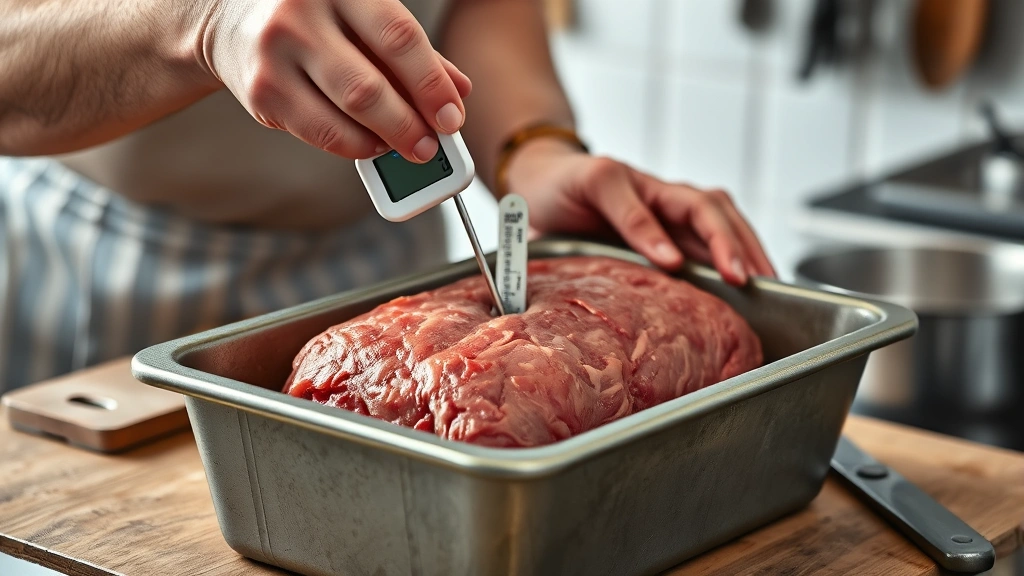
Never rely on time alone. The only way to know your meatloaf is truly done is to check the internal temperature. You need a meat thermometer—seriously, invest in one if you don’t have it. Insert it into the thickest part of the loaf (not touching the pan) and look for 160°F. That’s the safe minimum internal temperature for ground meat.
If you don’t have a thermometer, you can cut into the thickest part and check that there’s no pink and the juices run clear, but this is less reliable. A thermometer removes all guesswork. I use an instant-read digital one, and it’s saved me from overcooking more times than I can count.
Common Meatloaf Mistakes
The biggest mistake people make is overmixing the meat. When you’re combining ground beef with breadcrumbs, eggs, and seasonings, mix until everything is just incorporated. Overmixing compacts the meat, making it dense and tough. Think of it like making hamburger patties—you want a light touch.
Another common error is skipping the binder. Breadcrumbs and eggs aren’t just filler; they absorb moisture and help hold everything together. Without them, you get a dense, dry meatloaf that falls apart. A good ratio is about 1 cup of breadcrumbs and 2 eggs per 2 pounds of meat.
Don’t pack the loaf too tightly either. Gently shape it, leaving some air pockets. This helps heat circulate and keeps the texture tender. And whatever you do, don’t skip letting it rest after cooking—we’ll talk about that next.
The Resting Period
After your meatloaf hits 160°F, pull it out and let it rest for 10 minutes. This isn’t wasted time. The carryover cooking continues for a bit, and more importantly, the juices redistribute throughout the meat. If you cut into it immediately, all those juices run out onto your plate instead of staying in the meatloaf, leaving it dry.
During resting, tent it loosely with foil to keep it warm. This 10-minute window is also perfect for plating sides—maybe some boiled potatoes or a simple salad. When you slice into it after resting, you’ll notice a real difference in moisture and tenderness.
Topping Variations
Classic ketchup glaze is timeless, but there’s a whole world of toppings worth exploring. A brown sugar and mustard glaze adds complexity. BBQ sauce gives it a smoky edge. Some folks use a tomato-based sauce for something closer to a meatball vibe. If you’re into carnivore recipes, you might skip the glaze entirely and just season the meat well.
If you’re using a glaze, apply it in the last 10 to 15 minutes of cooking. Earlier than that, and it can burn. Later, and it won’t caramelize properly. A good glaze adds flavor and a nice sheen to the finished product.
Storage and Leftovers
Meatloaf is one of those dishes that’s almost better the next day. Let it cool completely, then wrap it tightly and refrigerate for up to 4 days. You can slice it cold for sandwiches, reheat it gently in the oven at 325°F until warm, or even pan-fry slices for breakfast with eggs.
Meatloaf also freezes beautifully. Wrap it well in plastic wrap and foil, and it’ll keep for up to 3 months. Thaw overnight in the fridge before reheating. Some people make meatloaf specifically to have leftovers—it’s that good as a leftover.
Frequently Asked Questions
Can I cook meatloaf at a higher temperature to save time?
Yes, but with trade-offs. At 375°F, you’re looking at about 45 to 55 minutes for a 2-pound loaf. The risk is that the outside browns too quickly while the inside is still cooking, potentially drying things out. If you go this route, keep a close eye on it and check the internal temperature frequently.
What if my meatloaf is still raw inside after an hour?
First, check your oven temperature with an oven thermometer—ovens can be off by 25 degrees or more. If the oven is accurate, your loaf might just be larger than expected. Continue cooking, checking every 5 minutes until you hit 160°F. Don’t panic; it’ll get there.
Is it okay to cook meatloaf at 325°F instead?
Absolutely. At 325°F, plan on 1 hour 20 minutes to 1 hour 40 minutes for a 2-pound loaf. Lower heat means slower, more gentle cooking, which can actually produce a more tender result. The downside is that browning happens more slowly, so the crust might not be as developed.
Should I cover meatloaf while cooking?
Generally, no. Uncovered cooking allows the top to brown and develop flavor. If the top is browning too quickly before the inside is done, you can tent it loosely with foil for part of the cooking time, then remove it in the last 10 to 15 minutes to finish browning.
Can I use a loaf pan or should I free-form?
Both work. A loaf pan keeps things compact and moist, which is great if you prefer a tender crumb. Free-forming on a baking sheet exposes more surface area, creating a crispier exterior. Choose based on your texture preference. Cooking times are similar either way.
What’s the best meat blend for meatloaf?
A mix of ground beef and ground pork (about 80/20 beef to pork) is excellent. The pork adds fat and flavor, keeping things moist. All beef works fine too, especially if you’re making bistek-style variations. Ground turkey or chicken works but tends to be drier, so add extra binder or a bit of oil.
How do I prevent meatloaf from cracking on top?
Cracking usually happens when the outside dries out faster than the inside cooks. Make sure your meat mixture has adequate moisture (eggs, breadcrumbs soaked in milk). Don’t pack it too tightly. Some people brush the top with a bit of oil or sauce before baking, which helps prevent cracking.
Final Thoughts
Mastering meatloaf at 350°F is genuinely one of those kitchen skills that pays dividends. You’re looking at roughly 1 hour for a standard loaf, but always verify with a thermometer. The real secret isn’t just the timing—it’s understanding that every element matters: the meat blend, the binder, the shape, and especially that resting period afterward.
Start with these guidelines, pay attention to how your oven behaves, and adjust accordingly. Once you nail it, meatloaf becomes a reliable, delicious staple that your family will actually look forward to. It’s comfort food done right, and it’s worth getting right.
For more dinner inspiration, check out our best summer recipes or explore bread recipes to go alongside your meatloaf.
External References:


