
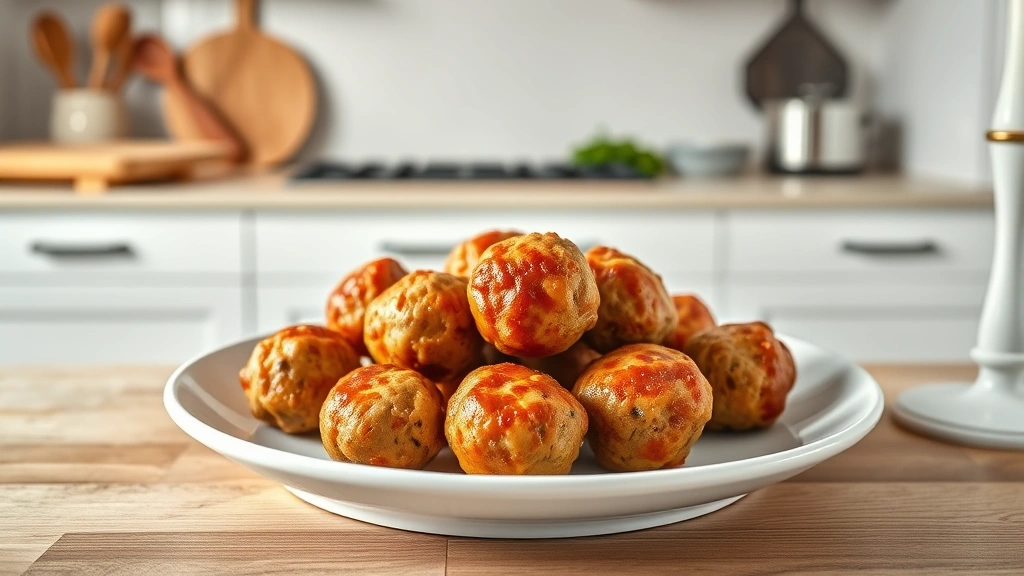
Learning how long to cook meatballs in oven is one of those kitchen skills that transforms your weeknight dinners from mediocre to genuinely impressive. Whether you’re prepping Swedish meatballs for a party, making Italian ones for spaghetti night, or cooking up Asian-inspired varieties, nailing the timing means juicy, tender meatballs every single time—not dry hockey pucks.
Table of Contents
Basic Cooking Time Guide
The straightforward answer: most meatballs take 15-20 minutes in a 400°F oven. That’s your baseline. But here’s the thing—that timing assumes medium-sized meatballs (about 1.5 inches in diameter) made from a standard beef-pork mixture. Smaller ones might finish in 12 minutes. Larger ones could need 25 minutes. The key is understanding that oven cooking is forgiving once you know what to look for.
I’ve found that starting at 400°F and checking at the 15-minute mark gives you the best safety net. You’re not gambling with undercooked meat, and you’re not drying them out either. If they’re not quite done, another 3-5 minutes usually seals the deal.
Temperature Matters Most
This is where most home cooks go wrong. Your oven temperature is non-negotiable. A 375°F oven will take longer—expect 20-25 minutes. A 425°F oven will finish them faster, around 12-15 minutes. The reason? Heat distribution and the Maillard reaction (that’s the browning that makes them taste amazing).
I always preheat my oven for at least 15 minutes before the meatballs go in. A cold oven throws off your timing immediately. Use an oven thermometer if you’re not confident your oven runs true—many home ovens are off by 25-50 degrees without you knowing it.
Meatball Size Impact
Size is everything here. Let me break it down:
- Small (1 inch): 10-12 minutes at 400°F
- Medium (1.5 inches): 15-18 minutes at 400°F
- Large (2 inches): 20-25 minutes at 400°F
- Extra Large (2.5+ inches): 25-30 minutes at 400°F
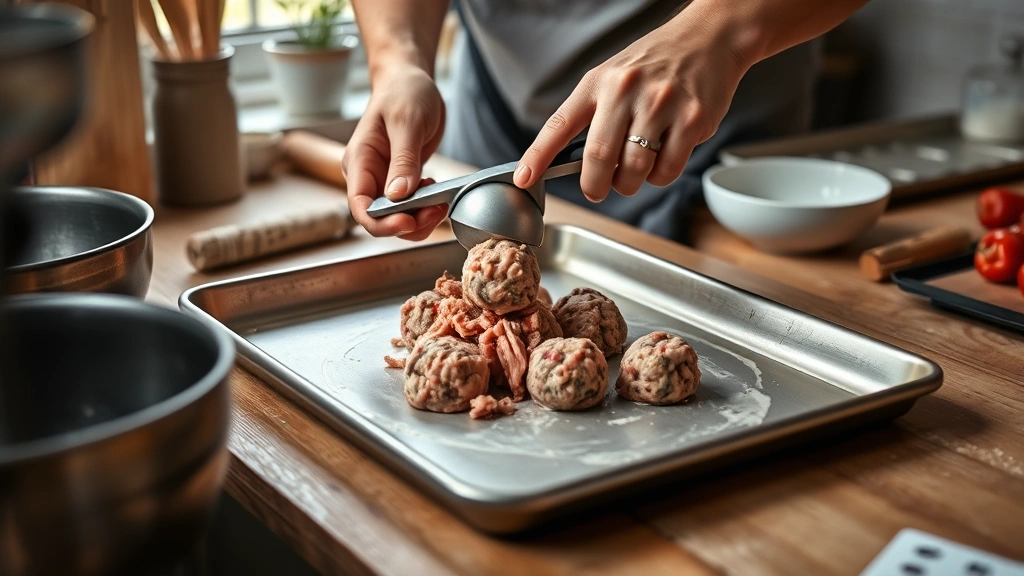
The reason is simple physics. Heat penetrates from the outside in. A small meatball reaches the safe internal temperature quickly. A large one needs time for that heat to work its way to the center. When you’re making meatballs, try to keep them uniform in size so they cook evenly. Use a cookie scoop or melon baller—game changer.
Meat Type Differences
Not all meatballs are created equal, and different meats have different cooking needs. Beef-pork blends (my go-to) cook in about 15-20 minutes. Pure beef meatballs cook slightly faster because beef is denser. Turkey and chicken meatballs need the full 20-25 minutes because poultry is leaner and can dry out faster if you undercook it.
Lamb meatballs? They’re somewhere between beef and poultry—aim for 18-22 minutes. Fish or shrimp-based meatballs are a different beast entirely and cook much faster (8-12 minutes). The binding ingredients matter too. If your meatball mix includes breadcrumbs, eggs, and milk, they’ll stay moister and cook more evenly than lean mixtures.
If you’re trying authentic jambalaya recipes or other Creole dishes with meatballs, the meat blends often include pork, so stick with the 15-20 minute window.
Testing for Doneness
Here’s the pro move: don’t rely on time alone. Use an instant-read meat thermometer. The safe internal temperature for all ground meat is 160°F. Stick the thermometer into the thickest meatball on your pan. If it reads 160°F or higher, you’re done. If not, give them another 2-3 minutes and check again.
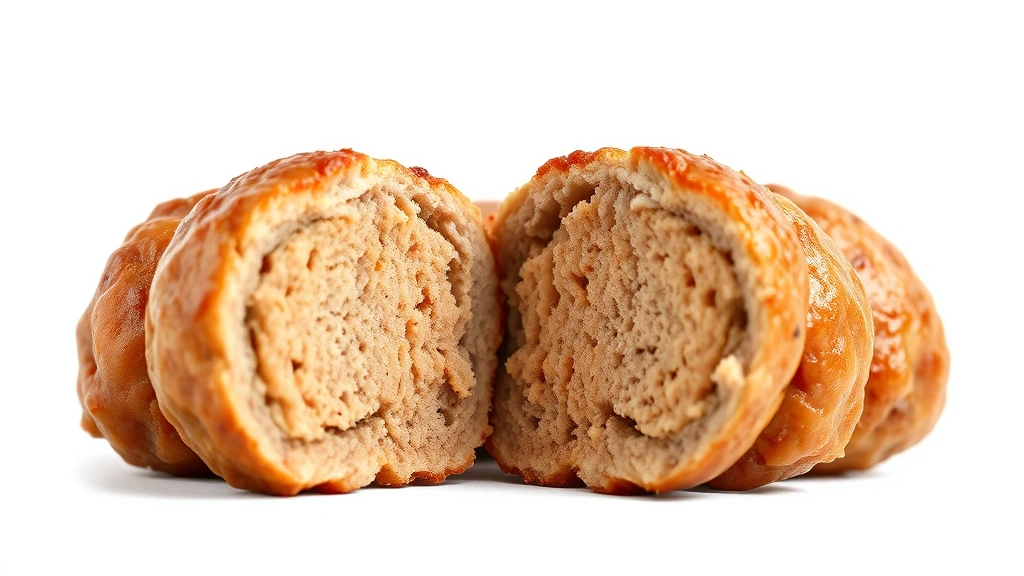
No thermometer? Cut the largest meatball in half. The inside should be no longer pink, and the juices should run clear. It’s not as precise as a thermometer, but it works in a pinch. The meat should look uniformly cooked throughout with no gray or pink centers.
Pan Prep Secrets
Your pan choice affects cooking time more than most people realize. A dark metal baking sheet heats up faster and browns meatballs quicker than a light-colored one. Ceramic or glass pans conduct heat differently—expect them to take 2-3 minutes longer.
Line your pan with parchment paper or lightly oil it. This prevents sticking and helps with browning. Don’t crowd the pan. Meatballs need space around them for air circulation. If they’re touching, they’ll steam instead of bake, and you’ll lose that nice browned exterior. I space mine about an inch apart.
For extra juicy meatballs, place them on a wire rack set over your baking sheet. This allows heat to circulate underneath, cooking them more evenly and preventing the bottoms from getting soggy.
Cooking Frozen Meatballs
Got frozen meatballs? You have two options. Option one: thaw them in the refrigerator overnight, then cook normally (15-20 minutes at 400°F). Option two: cook them straight from frozen, but add 5-10 minutes to your cooking time. So frozen meatballs at 400°F take roughly 20-30 minutes depending on size.
The frozen route requires more attention because the outside can brown while the inside is still cold. I recommend lowering the temperature to 375°F if cooking from frozen, which gives the inside time to cook through without over-browning the exterior. Check them at 20 minutes with your thermometer.
Resting Time Matters
This step gets overlooked constantly, but it’s crucial. After your meatballs reach 160°F internal temperature, pull them from the oven and let them rest for 3-5 minutes. This allows the juices to redistribute throughout the meat instead of running out when you cut into them.
It’s the same principle as resting a steak. Those few minutes make the difference between meatballs that are juicy and tender versus ones that feel dry in your mouth. I usually tent them loosely with foil during resting to keep them warm.
Troubleshooting Common Issues
Your meatballs are cooking unevenly? Check your oven temperature with a thermometer. Uneven heat distribution is usually the culprit. If the bottoms are burning while tops are pale, your pan is too dark or your oven runs hot on the bottom rack. Try moving to a middle rack or switching to a lighter-colored pan.
If meatballs are dry, you’re either cooking them too long or your meat mixture is too lean. Add more binding ingredients (egg and breadcrumbs) next time, or incorporate some fat. Ground pork helps beef meatballs stay moist. If they’re falling apart, you need more binder—add another egg or increase the breadcrumb ratio.
Meatballs browning too fast but not cooking through? Lower your oven temperature by 25°F and add time. This slows the browning and lets the interior cook gradually. You want that golden-brown exterior with a fully cooked interior, not charred outside with a cold center.
For side dishes that pair perfectly, check out authentic Mexican refried beans or arroz con pollo recipes for complete meal ideas.
Frequently Asked Questions
Can you overcook meatballs in the oven?
Yes, absolutely. Overcooked meatballs become dry and tough. Once they hit 160°F internal temperature, pull them out. Every minute past that point dries them out further. That’s why using a thermometer is so much better than guessing.
Should meatballs touch in the oven?
No. They need space for air circulation. Touching meatballs steam instead of bake, and they won’t brown properly. Space them at least an inch apart on your baking sheet.
Do you flip meatballs while cooking?
You don’t have to, but flipping them halfway through (around the 8-10 minute mark) ensures even browning on all sides. It’s optional but gives you better-looking results.
What’s the best way to keep meatballs warm?
After resting, transfer them to a serving dish and tent with foil. They’ll stay warm for 15-20 minutes. If you need them warm longer, keep them in a 200°F oven, but cover them to prevent drying.
Can you cook meatballs at a lower temperature?
Sure, but it takes longer. At 350°F, expect 25-30 minutes for medium-sized meatballs. Lower temps mean less browning and longer cooking times. I don’t recommend going below 350°F unless you have a specific reason.
How do you know if frozen meatballs are done?
Same rule: 160°F internal temperature. Use your meat thermometer. The thicker the meatball, the longer it takes. Check at 20 minutes and then every 3-5 minutes until you hit the target temperature.
What’s the difference between baking and pan-frying meatballs?
Oven baking is hands-off and cooks them evenly with minimal oil. Pan-frying gives faster browning and a crispier exterior but requires attention and more oil. Oven baking is better for large batches and healthier overall.
Conclusion: You’ve got this. The basic formula is 15-20 minutes at 400°F for medium-sized meatballs, but use your meat thermometer to verify doneness at 160°F. Account for your oven’s quirks, the size of your meatballs, and the type of meat you’re using. Rest them for 3-5 minutes after cooking, and you’ll have tender, juicy meatballs that’ll make people ask for your recipe. Start checking at 15 minutes, and you’ll never serve undercooked or dried-out meatballs again.
For vegetable sides, try air fried cauliflower recipes to round out your meal.


