
Knowing how long to cook chorizo is the difference between a juicy, flavorful sausage and a dried-out disappointment. Whether you’re firing up the griddle for breakfast, prepping for a game day gathering, or throwing together a quick weeknight dinner, chorizo timing matters—and it’s way simpler than you’d think.
Table of Contents
Main Cooking Methods
You’ve got options, and each one delivers different results. The method you choose depends on what you’re making and how much time you’ve got. Stovetop is fastest—perfect for a quick breakfast scramble. Oven baking is hands-off and great for feeding a crowd. Griddle cooking? That’s the sweet spot for even browning and that restaurant-quality sear.
Each method has its perks, and honestly, you can’t go wrong. The key is understanding the timing so you nail it every time. Let’s break down exactly what you need to know.
Stovetop: The Quick Route
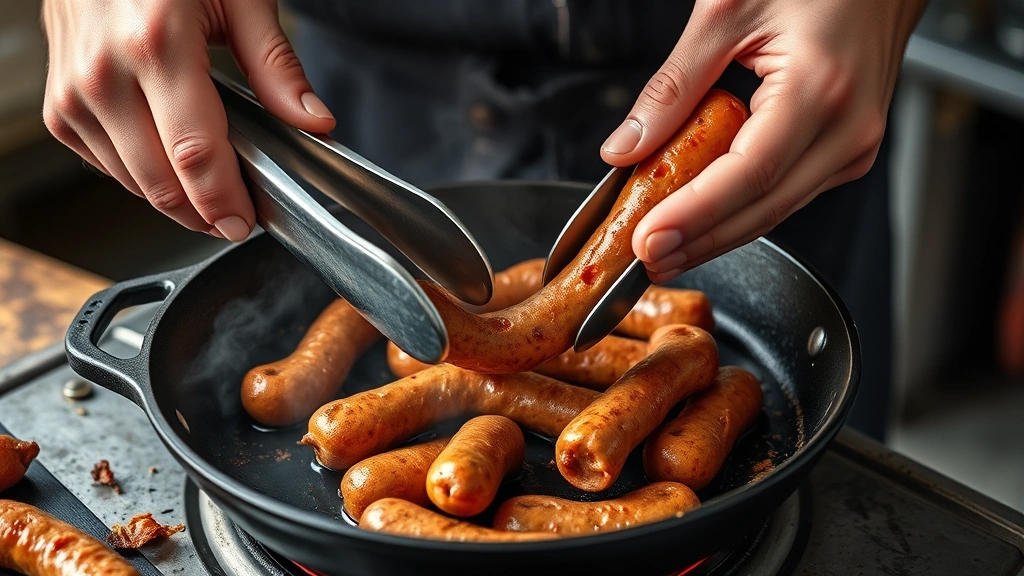
This is your go-to for weeknight cooking. Heat a skillet over medium-high heat and add your chorizo links or crumbled chorizo. For whole links, you’re looking at 15-20 minutes total, turning occasionally so they brown evenly on all sides.
If you’re using crumbled chorizo (the loose stuff), cut that time in half—about 7-10 minutes. You’ll know it’s ready when the outside is deeply browned and the meat releases its oils. Don’t crowd the pan; give each piece room to breathe. Overcrowding steams the meat instead of searing it, and nobody wants that.
Pro tip: Pierce the casings with a fork before cooking. This prevents them from bursting and lets the fat render out, giving you that crispy exterior everyone loves. It’s the same technique we use when cooking chicken tenders—proper prep saves headaches.
Oven Baking Times
Need to cook a bunch at once? The oven’s your friend. Preheat to 400°F and arrange chorizo links on a sheet pan lined with foil. Bake for 15-20 minutes, shaking the pan halfway through. The sausages should be browned and cooked through, with an internal temperature of 160°F if you’re checking with a meat thermometer.
Oven baking is brilliant because it’s mostly hands-off. You can prep other ingredients while they cook. Line your pan with foil for easy cleanup—trust me, chorizo fat is real and it sticks. If you want extra crispy results, bump the temperature to 425°F and reduce the time to 12-15 minutes.
For a healthier approach, place a wire rack on your sheet pan so the fat drips away from the meat as it cooks. This gives you all the flavor without the grease pooling underneath.
Griddle & Skillet Technique
If you’ve got a Blackstone griddle or cast iron skillet, you’re about to make magic. Heat your surface to medium-high—you want it hot enough that a drop of water sizzles immediately. Lay out your chorizo links in a single layer.
Cook for 4-5 minutes without moving them. This builds that gorgeous brown crust. Flip and cook another 4-5 minutes on the other side. Then turn every couple of minutes for the remaining 6-8 minutes until they’re cooked through. Total time: roughly 15-18 minutes for links.
The griddle method is where chorizo really shines. You get even heat distribution, beautiful browning on all sides, and you can cook a ton at once without overlapping. Plus, the flat surface means more contact area for that caramelized exterior.
Fresh vs. Cured Chorizo
Here’s something that trips people up: fresh chorizo and cured chorizo aren’t the same thing, and they don’t cook the same way. Fresh chorizo (usually found in the refrigerated section) needs to be cooked all the way through—it’s raw meat. That’s your 15-20 minute window on the stovetop or griddle.
Cured chorizo (the harder, drier kind you find sliced in packages) is already cooked. You’re just heating it through and getting a little color on the outside. This takes maybe 5-7 minutes on the stovetop. Don’t overcook it or it’ll dry out and lose its texture.
When shopping, check the label. If it says “fresh” or “crudo,” you’re cooking raw meat. If it’s labeled as “cured” or “fully cooked,” you’re just reheating. This distinction matters because undercooking fresh chorizo is a food safety issue, while overcooking cured chorizo is just sad.
Signs Your Chorizo Is Done
Temperature is the most reliable way to check. Fresh chorizo should hit 160°F internally—use a meat thermometer in the thickest part. But if you don’t have a thermometer, here’s what to look for:
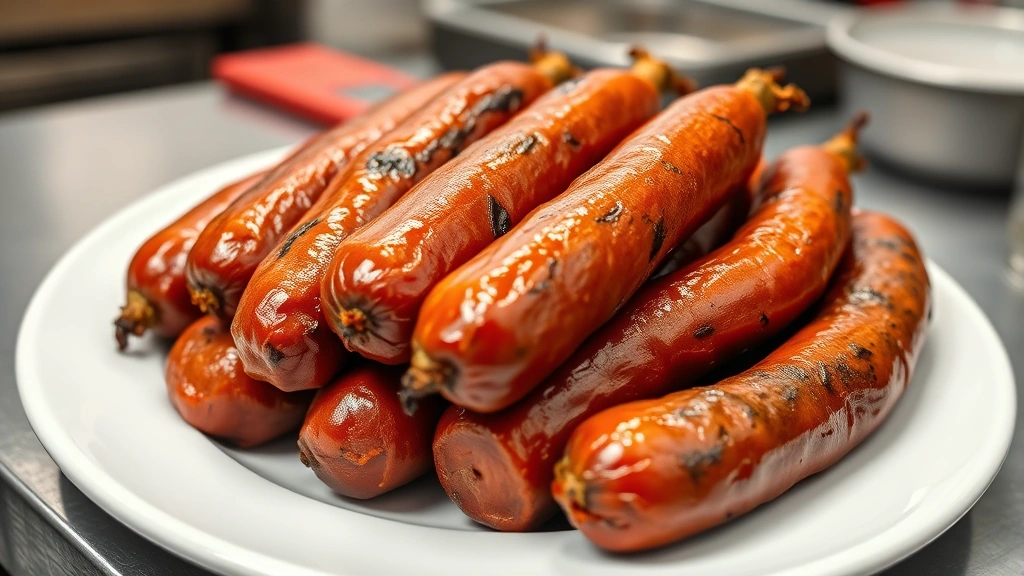
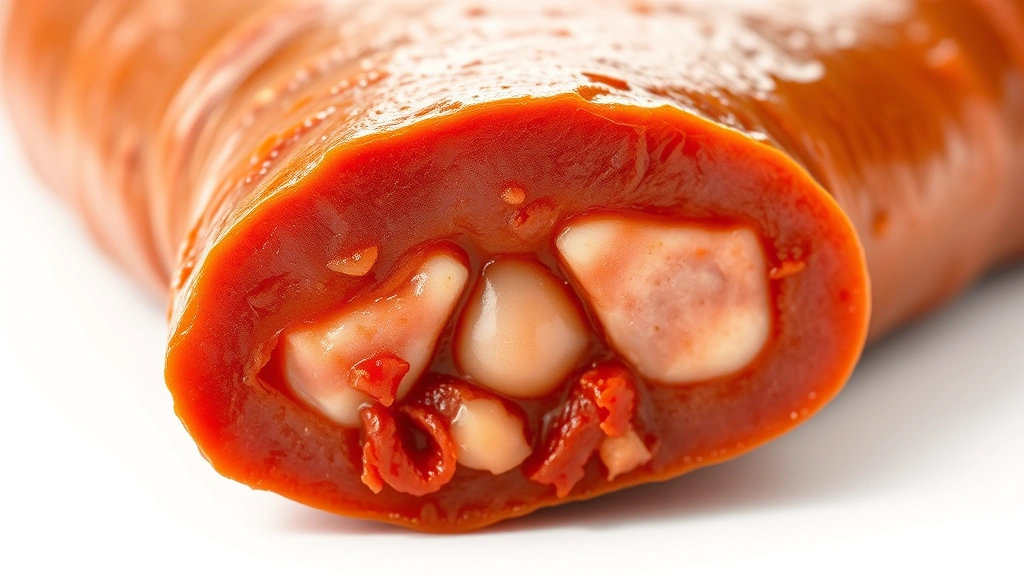
Visual cues: The casing should be deeply browned, almost mahogany colored. The meat shouldn’t be pink inside; it should be a uniform brown or gray throughout. When you cut into a link, no juices should run out—just a tiny bit of rendered fat is fine.
Texture: A fully cooked chorizo link should feel firm when you press it, not mushy or soft. There should be a slight give, but it shouldn’t feel raw or squishy inside.
The squeeze test: Carefully squeeze a cooked link with tongs. If it’s done, it’ll hold its shape and feel solid. If it’s still raw, it’ll feel loose and jiggly inside the casing.
Mistakes to Avoid
Let’s talk about what NOT to do, because these are common slip-ups. First mistake: cooking on too high heat. I get it—you want speed. But high heat burns the outside while leaving the inside undercooked. Stick with medium or medium-high and let the cooking happen naturally.
Second mistake: not piercing the casings. If you don’t poke holes, the casings burst from steam buildup, and you lose all that beautiful seasoned fat. It’s a two-second step that makes a huge difference.
Third mistake: moving the chorizo too much. Especially on a griddle or skillet, let it sit and develop that crust. Constant flipping and moving prevents browning and extends cooking time. Patience is a virtue here.
Fourth mistake: cooking from frozen without thawing. Fresh chorizo cooks unevenly when frozen. Take it out of the freezer 30 minutes before cooking, or thaw it overnight in the fridge. Your results will be way better.
Serving & Storage Tips
Cooked chorizo is incredibly versatile. Slice it up for tacos, crumble it into eggs, or add it to meal prep containers for the week. Pair it with homemade guacamole and you’ve got a winner.
Storage: Cooked chorizo keeps in the fridge for 3-4 days in an airtight container. You can also freeze it for up to 3 months. Just let it cool completely before storing, and portion it out so you’re not thawing more than you need.
Reheating: Warm it gently on the stovetop over low heat or in the oven at 300°F for about 10 minutes. Microwave works too, but it can dry things out. The stovetop is your best bet for keeping that texture intact.
Try pairing chorizo with Creole seasoning for a flavor boost, or use it as a pizza topping, in pasta, or mixed into rice dishes. The possibilities are endless.
Frequently Asked Questions
How do I know if chorizo is cooked through?
Use a meat thermometer to check for 160°F internal temperature. Visually, the casing should be deeply browned and the meat inside should be uniform in color with no pink. If you cut into it, no liquid should run out.
Can you eat chorizo raw?
Fresh chorizo is raw and must be cooked. Cured chorizo is already cooked and can technically be eaten as-is, though most people heat it through. Always check the label to know which type you have.
Why is my chorizo bursting while cooking?
You’re probably cooking on too high heat or didn’t pierce the casings. Both cause steam to build up inside and rupture the casing. Pierce with a fork before cooking and use medium-high heat instead of high.
How long does chorizo last in the fridge?
Cooked chorizo lasts 3-4 days in an airtight container. Raw chorizo lasts about 1-2 days. If you’re not using it soon, freeze it for up to 3 months.
Is chorizo healthier than other sausages?
Chorizo is higher in fat than some sausages, but it’s also packed with flavor and spices. Portion control matters more than the type of sausage. Cooking it on a rack so fat drips away helps reduce the fat content.
What’s the difference between Spanish and Mexican chorizo?
Spanish chorizo is cured and often smoked. Mexican chorizo is usually fresh and raw. They cook differently—Spanish is more about heating through, while Mexican requires full cooking. Check your label to be sure.
Final Thoughts
Cooking chorizo isn’t rocket science, but getting it right takes knowing a few key details. Fresh chorizo on the stovetop takes 15-20 minutes. Oven baking at 400°F takes about the same. Griddle cooking gives you the best crust in roughly 15-18 minutes. The real secret is not rushing it and letting the meat cook through properly.
Pierce those casings, use medium-high heat, and check for that 160°F internal temperature. Follow these guidelines and you’ll nail it every time. Your breakfast tacos, game day spreads, and weeknight dinners are about to get a serious upgrade. Now get cooking!


