
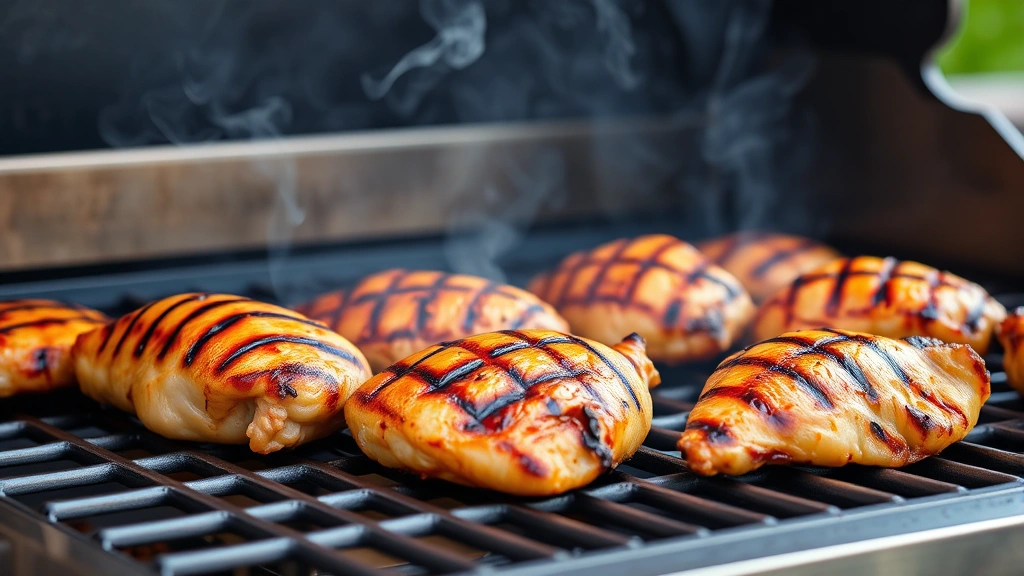
Knowing how long to cook chicken on grill is the difference between juicy, restaurant-quality bird and dry, rubbery disappointment. I’ve spent years perfecting this at backyard cookouts, and the truth is simpler than most people think—it’s all about temperature, thickness, and paying attention to what’s actually happening on your grates.
Table of Contents
Chicken Cuts Matter Most
The first thing to understand: not all chicken cooks the same way. Boneless, skinless breasts cook differently than bone-in thighs, which cook differently than whole legs. This is why generic timing advice fails people. A thin breast might be done in 6 minutes per side, while a thick thigh needs 8-10 minutes per side. The bone acts as a heat conductor and insulator simultaneously—it speeds up interior cooking while protecting the meat from drying out.
Breasts are the leanest cut and dry out fastest. Thighs have more fat and connective tissue, making them forgiving and flavorful. Drumsticks and wings fall somewhere in between. If you’re new to grilling chicken, start with bone-in, skin-on pieces. They’re harder to mess up and teach you what properly cooked chicken actually looks and feels like.
Temperature Guide & Doneness
Forget the old “no pink” rule. Safe chicken is about temperature, not color. The USDA says chicken reaches safe doneness at 165°F (74°C) in the thickest part. That’s non-negotiable for food safety. But here’s the pro move: pull bone-in thighs at 170-175°F for maximum juiciness. The extra 5-10 degrees won’t hurt you and transforms the meat texture.
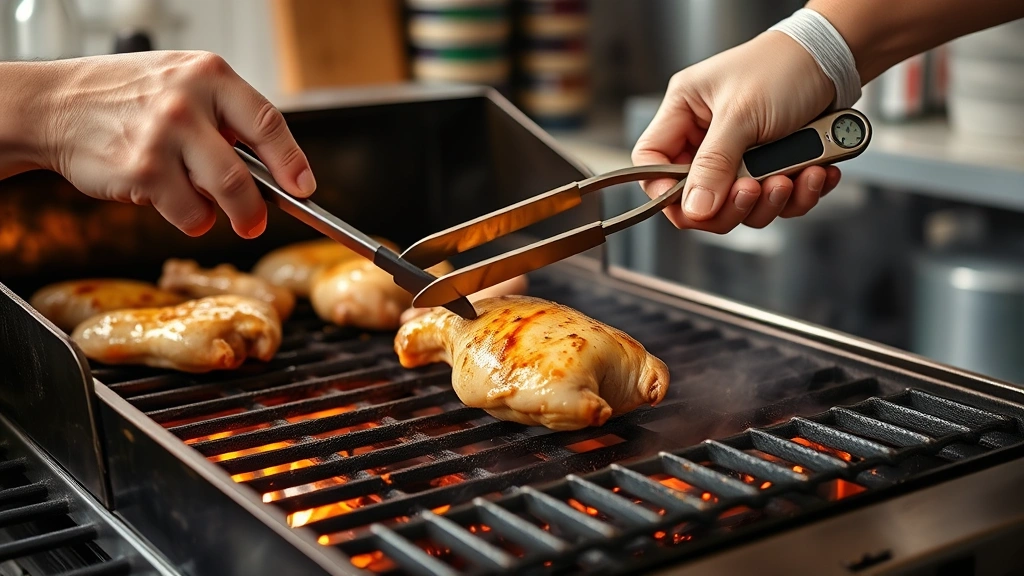
Use a reliable meat thermometer—not the cheap kind that came free with something else. A digital instant-read thermometer ($20-40) is the single best investment for grilling. Stick it into the thickest part without touching bone. Wait three seconds. That’s your real number. Color and texture are helpful guides, but temperature is the only honest measurement.
Exact Timing by Cut
Here’s where most articles get vague. I’m giving you actual numbers based on medium heat (around 400°F grill temperature):
Boneless, Skinless Breasts (¾-1 inch thick): 6-8 minutes per side. These are thin, so they cook fast. The goal is sear marks and 165°F internal temp. Don’t walk away—they dry out quick.
Bone-In, Skin-On Breasts (1.5 inches thick): 8-10 minutes skin-side down, then 6-8 minutes skin-side up. The bone means slower cooking, so you need more time. Skin-side down first to render fat and create that crispy exterior.
Bone-In Thighs (1-1.5 inches): 8-10 minutes per side on medium heat. These are forgiving. Even if you go a minute or two over, they stay juicy. The skin should be golden and crispy, meat 170-175°F inside.
Drumsticks: 10-12 minutes per side. They’re denser than breasts but smaller than thighs. Medium heat is your friend here—high heat burns the outside before the inside cooks.
Chicken Wings: 8-10 minutes per side on medium-high heat. Wings are all about the skin, so prioritize browning. They’re done when meat pulls easily from the bone.
Whole Chicken (spatchcocked, 3-4 lbs): 30-40 minutes total with indirect heat method (see below). Flip halfway through. This is the showstopper move—butterflied chicken cooks evenly and impresses everyone.
Direct vs Indirect Heat
This changes everything. Direct heat means the chicken sits directly over the flame or coals. Indirect means it’s off to the side, cooking from ambient heat. Most people use direct heat and get burned outsides with undercooked insides.
My method: Start with direct heat for 2-3 minutes per side to get sear marks and color. Then move to indirect heat for the remaining time. This gives you the best of both worlds—browning and even cooking. If your grill doesn’t have two zones, turn one burner off and keep the other on medium.
For thicker cuts like bone-in breasts or whole chicken, indirect heat is almost mandatory. Direct heat will char the skin before the meat cooks through. Set up your grill with one side hot and one side cool before you start.
Prep Work That Matters
Preparation determines 50% of your success. Pat the chicken completely dry with paper towels. Moisture is the enemy of browning—it creates steam instead of sear marks. Let it sit at room temperature for 15-20 minutes before grilling. Cold chicken from the fridge cooks unevenly.
Season generously 30 minutes before grilling. Salt draws moisture to the surface initially, then reabsorbs it, seasoning the meat throughout. Just salt and pepper works. Anything else is optional. Oil the grates, not the chicken—oiled chicken slips around and doesn’t get good contact with heat.
If you’re marinating, do it for 2-4 hours maximum. Longer than that and the acid breaks down the meat fibers, making it mushy. Pat it dry before grilling—wet marinade creates steam, not sear.
Flipping & Moving Chicken
Here’s the biggest mistake: constant flipping. Flip once. That’s it. Flipping every 30 seconds prevents browning and stresses the meat. Let it sit and build a crust. After 6-8 minutes, flip once. If it’s sticking, it’s not ready yet—wait 30 more seconds and try again.
Don’t move it around the grill looking for hot spots. If your grill has hot and cool zones, move it once to the cool side after searing. Resist the urge to poke, prod, and rearrange. Every time you move it, you’re releasing heat and interrupting the cooking process.
Use long tongs, not a fork. A fork punctures the meat and lets juices escape. Grab it firmly by the thickest part and flip decisively. If you’re nervous, practice with a steak first—the technique is identical.
Common Grilling Mistakes
Starting with cold chicken from the fridge is mistake number one. It cooks unevenly—outside burned, inside raw. Give it 15-20 minutes on the counter.
Cooking on too-high heat is mistake number two. High heat browns the outside while leaving the inside cold. Medium heat (around 400°F) gives you time to cook through and brown simultaneously. Use a grill thermometer if you’re unsure.
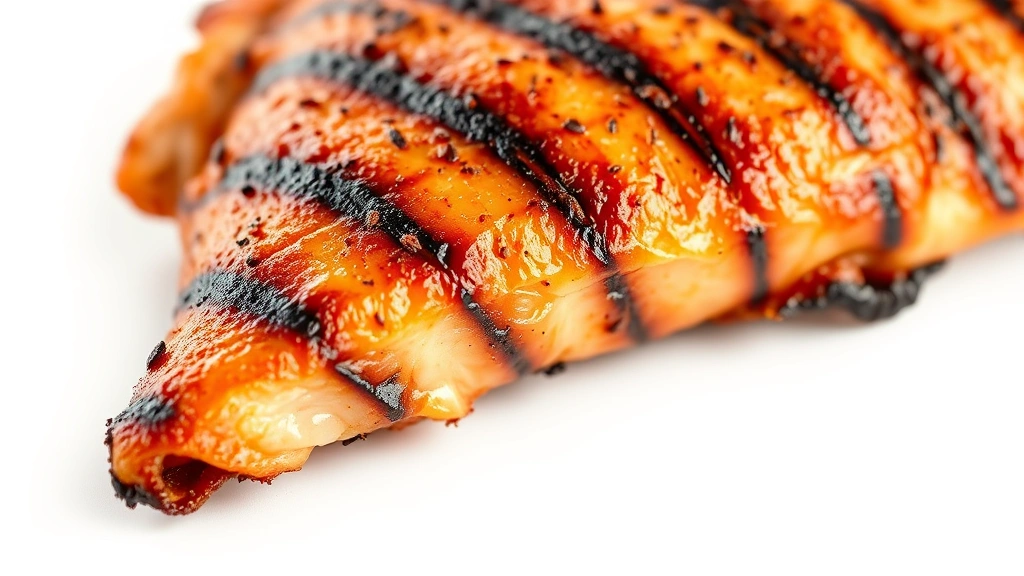
Not using a meat thermometer is mistake number three. Color is a terrible indicator. Some chicken stays pink inside at 165°F due to myoglobin (the protein that makes meat look red). Other chicken looks cooked at 155°F. Only temperature tells the truth.
Skipping the rest is mistake number four. After grilling, let it sit for 5-10 minutes. Carryover cooking brings the temperature up another 3-5 degrees, and resting redistributes juices. Cut into it immediately and all those juices run onto the plate instead of staying in the meat.
Rest & Serve Like a Pro
Transfer the chicken to a clean plate and tent it loosely with foil. Don’t cover it tightly—trapped steam makes the skin soggy. Five to ten minutes is perfect. This is when the proteins relax and reabsorb the juices they released during cooking.
While it rests, you can prep sides. Steam some broccoli or whip up a quick sauce. For a restaurant touch, try avocado mayo or aglio olio for dipping. If you’re making a pan sauce, learn how to make gravy from drippings—those browned bits on the grates are liquid gold.
Clean your grates while they’re still warm. This takes 30 seconds and prevents buildup. A grill brush and some elbow grease is all you need. If you want to keep your grill in top shape long-term, learn how to clean stainless steel appliances if your grill has stainless components.
Frequently Asked Questions
Can you cook chicken at high heat to speed things up?
Technically yes, but you’ll regret it. High heat (above 450°F) burns the outside before the inside cooks. Medium heat (400°F) is faster overall because it cooks evenly. You might save 2 minutes at high heat but lose 20 minutes troubleshooting undercooked chicken.
What if the outside is done but inside is raw?
Move it to indirect heat immediately. The outside is already cooked—it won’t burn further. Indirect heat lets the inside catch up without charring the exterior. This is also why thicker cuts need indirect heat from the start.
Is it okay to grill frozen chicken?
Not recommended. Frozen chicken cooks unevenly and takes 50% longer. Thaw it in the fridge overnight. If you’re in a rush, submerge it in cold water for 1-2 hours. Cold water thawing is safe and fast.
How do you know when bone-in chicken is actually done?
Temperature is the answer. 165°F minimum, 170-175°F for thighs. If you don’t have a thermometer, wiggle the leg—it should move freely in the socket. The meat should shred easily with a fork. But honestly, get a thermometer. They’re cheap and eliminate guesswork.
Can you cook chicken and vegetables at the same time?
Yes, but time them right. Chicken takes 12-20 minutes depending on cut. Vegetables like zucchini and peppers take 6-8 minutes. Start the chicken first, then add vegetables halfway through. Or use indirect heat for chicken and direct heat for vegetables simultaneously.
What’s the best way to prevent sticking?
Oil the grates, not the chicken. Heat the grill for 10 minutes before cooking. The chicken will naturally release when it’s ready to flip—don’t force it. If it’s sticking at 3 minutes, wait another 30 seconds and try again.


