
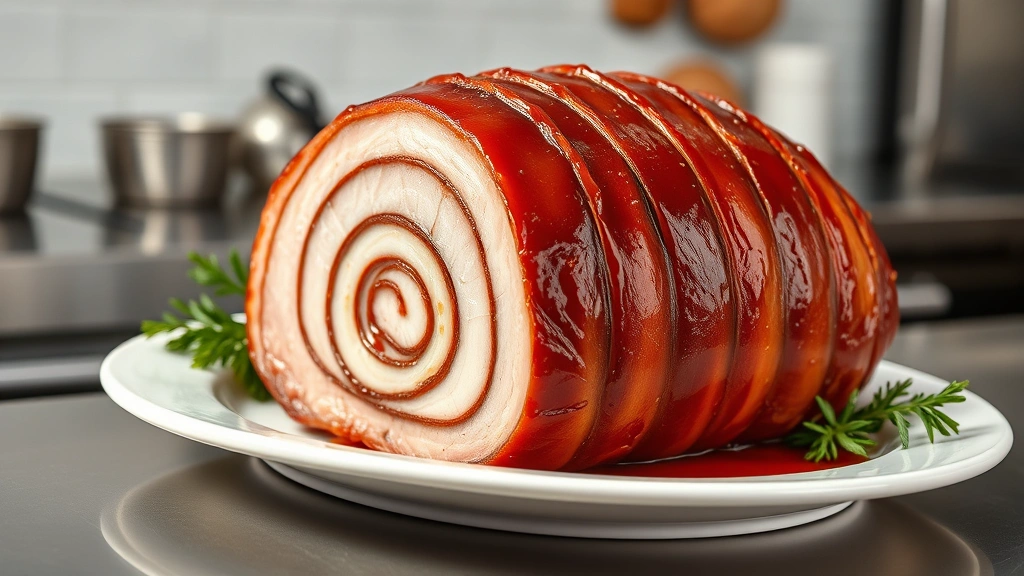
Learning how long to cook a spiral ham is one of those kitchen skills that separates the confident home cook from the stressed-out holiday survivor. I’ve been there—standing in front of the oven at 4 PM on Thanksgiving, calculator in hand, wondering if I’m about to serve your family either a hockey puck or a raw ham. The good news? Cooking a spiral ham isn’t rocket science. With the right timing, temperature, and technique, you’ll nail it every single time.
Table of Contents
Basic Timing Formula
The foundation of perfectly cooked spiral ham comes down to one simple calculation: 10-15 minutes per pound at 325°F. That’s it. Sounds easy, right? Well, there’s a bit more nuance depending on whether your ham is pre-cooked (which most spiral hams are) or bone-in versus boneless.
For a pre-cooked spiral ham—which is what you’ll find in most grocery stores—aim for the lower end: about 10 minutes per pound. A 7-pound ham takes roughly 70 minutes. A 10-pounder? About 100 minutes, or just under two hours. If you’re working with a bone-in ham that’s not pre-cooked, bump it up to 15-20 minutes per pound and add 15-20 minutes to your total time.
Here’s a pro tip I learned the hard way: always add an extra 15 minutes to your estimate. Ovens vary, ham thickness varies, and that extra buffer keeps you from panic-cooking at the end.
Temperature Matters Most
The oven temperature is non-negotiable if you want consistent results. 325°F is your sweet spot. Not 350°F, not 300°F—325°F. This temperature cooks the ham gently and evenly without drying out the exterior while the center comes up to temperature.
Use an oven thermometer to verify your oven is actually hitting 325°F. I can’t tell you how many kitchen disasters I’ve prevented with a cheap $5 oven thermometer. Your oven dial might say 325°F, but it could be running 15-20 degrees hot or cold. That throws off your entire timing.
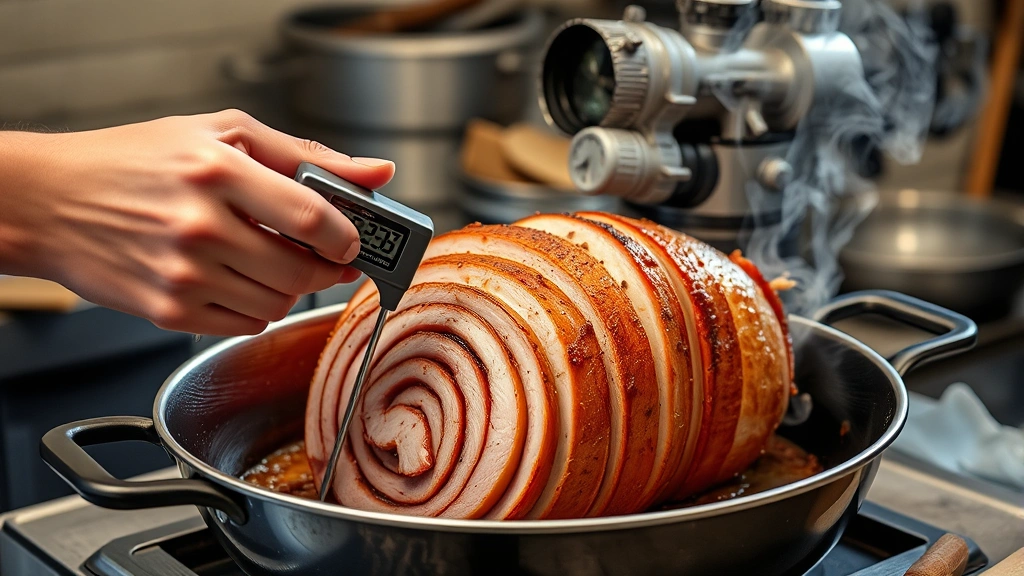
The internal temperature target is 140°F for pre-cooked ham and 160°F for uncooked ham. Get yourself a meat thermometer—the instant-read digital kind is fastest and most reliable. Stick it into the thickest part of the ham without touching bone, and you’ll know exactly where you stand.
Prep Work Before Cooking
Before that ham hits the oven, you’ve got some setup to handle. First, remove the ham from the refrigerator 30 minutes before cooking. This helps it cook more evenly. A cold ham straight from the fridge will cook unevenly—the outside will be done while the inside’s still cold.
Score the surface in a crosshatch pattern, cutting about ¼-inch deep through the fat layer. This serves two purposes: it looks fancy (which matters for presentation) and it lets heat penetrate more effectively. Plus, it gives your glaze somewhere to settle in and caramelize.
Place the ham cut-side down in a roasting pan. Add about ½ cup of water, juice, or broth to the pan—this creates steam and keeps things moist. Cover the pan tightly with foil. You want to trap that moisture in there for the first part of cooking.
Glazing and Basting
This is where people get creative, and rightfully so. A good glaze transforms a simple ham into something memorable. Whether you go with a Carolina BBQ sauce recipe, brown sugar and mustard, honey and pineapple, or something custom—the technique is what matters.
During the first 75% of cooking time, keep that foil on. This protects the ham and keeps it moist. With about 20-30 minutes left, remove the foil and start basting. Apply your glaze every 10 minutes for those final stages. Each layer builds flavor and creates that gorgeous caramelized exterior.
The foil comes off to let the glaze set and get sticky. You want that final 20-30 minutes uncovered so the glaze can caramelize and darken slightly. It should look glossy and appetizing when it comes out.
Different Cooking Methods
Most people stick with the oven, but you’ve got options. The oven method is standard for good reason—it’s reliable and feeds a crowd. But slow cookers work great too. In a slow cooker on low, a spiral ham takes 4-6 hours. On high, about 2-3 hours. You lose the glazed exterior, but you gain convenience and moisture.
If you’re into how long to BBQ chicken thighs, you might wonder about smoking a ham. It’s possible but requires more skill. A smoked ham at 225°F takes about 30 minutes per pound, and you need to manage temperature carefully. Save this method for when you’re feeling adventurous.
Instant Pot cooking is gaining popularity too. High pressure for 15 minutes per pound, then natural release. It’s fast—a 7-pound ham cooks in about 105 minutes total—but again, you sacrifice that caramelized exterior. Pick your method based on your priorities: speed, appearance, or moisture.
Checking for Doneness
Don’t trust time alone. Trust your meat thermometer. Stick it into the thickest part of the ham, away from bone, and wait for the reading. Pre-cooked ham needs to hit 140°F. Uncooked ham needs 160°F. Once you hit that target, you’re done.
The meat should be fork-tender. If you can easily pull a fork through it without resistance, temperature-wise you’re good. If there’s still toughness, give it another 10 minutes and check again.
Visual cues matter too. The exterior should be caramelized and glossy if you glazed it. The meat near the surface should look cooked through, not translucent. The glaze should be sticky and dark, not runny and pale.
Resting and Carving
This step gets skipped too often, and it’s a mistake. Once the ham comes out of the oven, tent it loosely with foil and let it rest for 10-15 minutes. This allows the juices to redistribute throughout the meat. Cut into it immediately and all those juices run out onto the cutting board instead of staying in your ham.
Carving a spiral ham is straightforward since it’s already pre-sliced. Follow the natural seams and cuts. A sharp carving knife makes this easier. If you’re serving it on a platter, arrange slices slightly overlapped for that restaurant-style presentation.
Pro move: save that ham bone and any drippings. They make incredible broth for soup. Simmer that bone with vegetables for a few hours and you’ve got liquid gold for your next cooking project.
Storage and Leftovers
Leftover ham keeps for 3-4 days in the refrigerator in an airtight container. Slice it, cube it, shred it—all work fine. Freeze it for up to 2 months if you want to save it longer. Thaw in the fridge overnight before using.
Leftover ham is gold for quick meals. Dice it into healthy vegetarian dinner recipes (okay, that’s more vegetarian-adjacent), add it to how long to steam asparagus for a quick side, or cube it for fried rice, soups, or sandwiches. It’s one of the most versatile leftovers you can have.
The glaze that dripped into the pan? Save that too. It’s already delicious and you can use it as a sauce for other meats or vegetables.
Troubleshooting Common Issues
Your ham came out dry? Next time, don’t skip the water in the pan and don’t remove the foil too early. Dry ham usually means either too high heat, too long cooking time, or not enough moisture. Lower the temperature to 300°F next time and check it 15 minutes earlier than your calculation suggests.
The exterior burned but the inside wasn’t done? Your oven is running hot. Use that oven thermometer and adjust downward. Also, don’t remove the foil until the last 20-30 minutes. The foil protects the surface while the interior catches up.
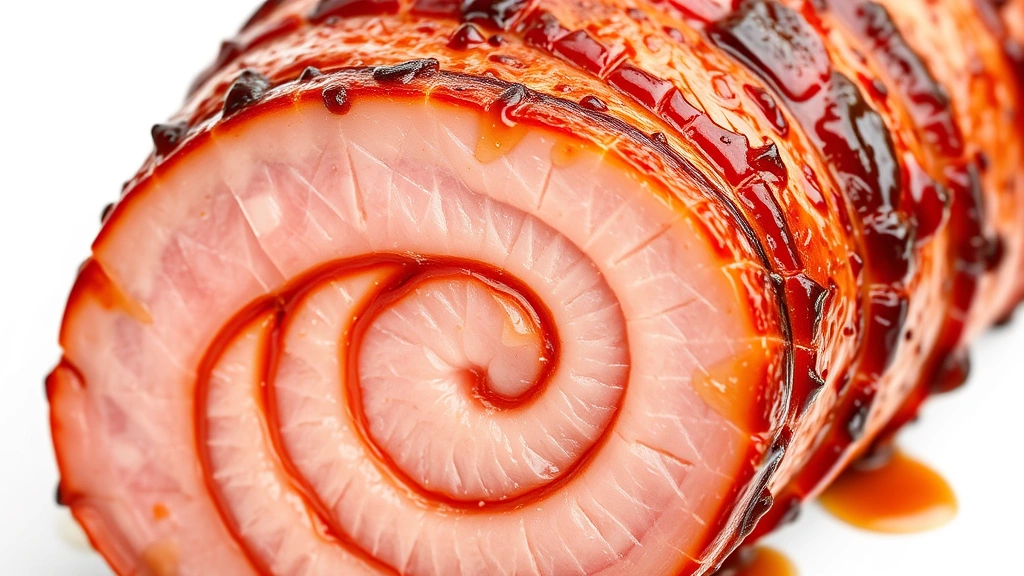
The glaze didn’t caramelize? Either your oven temperature wasn’t accurate, or you didn’t give it enough uncovered time at the end. Glaze needs dry heat to caramelize. If it just sits in steam, it stays sticky and pale instead of darkening.
The ham is still cold in the middle? This usually means it started too cold. Remember to pull it from the fridge 30 minutes early. Also verify your oven temperature and don’t trust the timer—use that meat thermometer.
Frequently Asked Questions
How long does a 10-pound spiral ham take to cook?
A 10-pound pre-cooked spiral ham at 325°F takes approximately 100 minutes, or about 1 hour 40 minutes. Always verify doneness with a meat thermometer rather than relying solely on time.
Can you cook spiral ham at 350°F instead of 325°F?
You can, but it’s not ideal. Higher heat cooks the exterior faster than the interior, risking a dry exterior and uneven cooking. Stick with 325°F for best results. If you must use 350°F, reduce cooking time by about 25% and watch it carefully.
Do you cook spiral ham covered or uncovered?
Cover it with foil for the first 75% of cooking time to trap moisture. Remove the foil for the final 20-30 minutes to allow the glaze to caramelize and the exterior to brown.
What’s the difference between pre-cooked and uncooked spiral ham?
Pre-cooked ham just needs heating through to 140°F. Uncooked ham needs to reach 160°F internally. Most store-bought spiral hams are pre-cooked. Check the label to be sure. Uncooked hams take longer—about 15-20 minutes per pound instead of 10-15.
Can you cook a spiral ham in a slow cooker?
Yes. On low, it takes 4-6 hours. On high, about 2-3 hours. You won’t get a caramelized exterior, but the meat stays incredibly moist. This is a great option if you need oven space for other dishes.
How do you know when spiral ham is done?
Use a meat thermometer. Pre-cooked ham is done at 140°F internal temperature. Uncooked ham is done at 160°F. Insert the thermometer into the thickest part without touching bone. That’s your definitive answer.
Should you let ham rest after cooking?
Absolutely. Rest it for 10-15 minutes loosely tented with foil. This allows juices to redistribute throughout the meat, keeping it moist and tender when you carve it.
What can you do with spiral ham leftovers?
Cube it for fried rice, dice it for soups, shred it for sandwiches, or add it to casseroles. It keeps 3-4 days refrigerated and freezes well for up to 2 months. Save the bone for making broth.
Final Thoughts
Cooking a perfect spiral ham comes down to three things: the right temperature (325°F), the right timing (10-15 minutes per pound for pre-cooked), and verification with a meat thermometer (140°F for pre-cooked ham). Skip the guesswork, follow these guidelines, and you’ll serve a ham that impresses every single time.
The beauty of a spiral ham is its reliability. It’s hard to mess up if you follow the basics. Keep the moisture in during cooking, glaze it properly in the final stages, and let it rest before carving. That’s the formula. Next holiday, you’ll be the one confidently pulling a beautiful, juicy ham from the oven while everyone else is still stressed about their timing.
Want to expand your cooking repertoire? Check out how to nail how long to bake chicken tenders for weeknight dinners. And if you’re planning a full holiday spread, knowing these timing basics makes everything else fall into place.


