
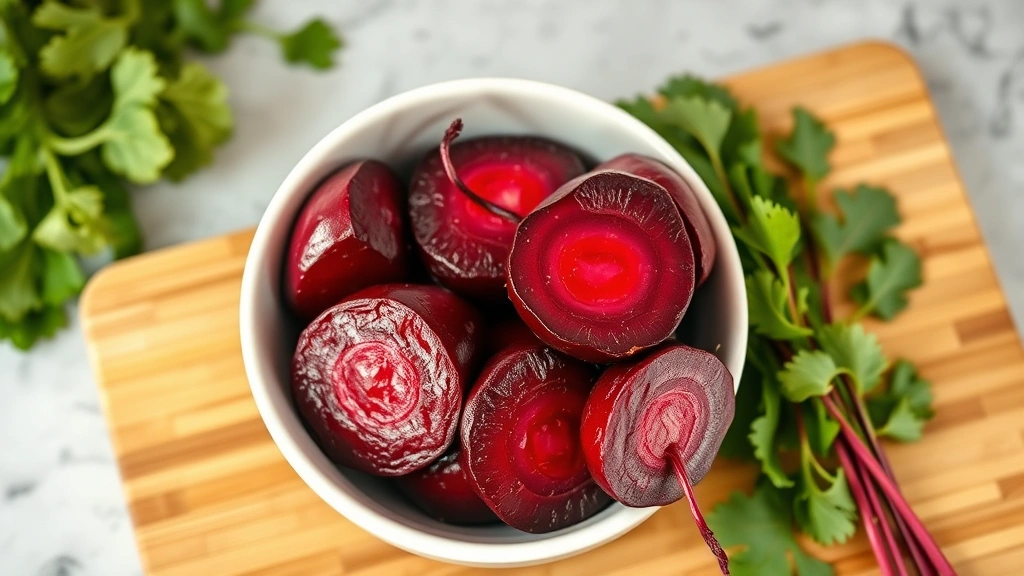
Learning how long to boil beets is one of those kitchen skills that separates mushy disappointment from perfectly tender, sweet vegetables that actually taste like something. Get this timing right, and you’ll have beets that are fork-tender with a vibrant color and natural earthiness intact. Miss it, and you’re left with either crunchy disappointment or a pot of vegetable mush.
Table of Contents
Boiling Time Basics
The standard answer is 30 to 45 minutes for medium-sized beets, but that’s just the starting point. Most home cooks don’t realize that beet size dramatically affects cooking time, and this is where a lot of people go wrong. I’ve seen folks throw a pot of beets on the stove and come back 20 minutes later expecting them to be done. That’s not how this works.
Here’s the real deal: small beets (about the size of a golf ball) will be done in 20 to 30 minutes. Medium beets (roughly 2 to 3 inches in diameter) take your standard 30 to 45 minutes. Large beets—the ones that look like they could double as a baseball—can take 45 to 60 minutes or even longer. The key is consistency. If you’re boiling a mix of sizes, you’re going to have some that are overdone while others are still crunchy.
Temperature matters too. A rolling boil cooks faster than a gentle simmer, but you don’t want to blast them. A moderate boil is your sweet spot—active bubbling without the aggressive rolling action that can damage the beets and cause them to bleed color into the water.
Size Matters Most
This is where most people stumble. Beet size is the primary factor determining cooking time, and it’s not something you can eyeball with confidence unless you’ve done this a hundred times. The thickness from skin to center is what really matters—that’s how far the heat has to travel.
Before you start boiling, take a moment to sort your beets. Grab the smallest ones and set them aside. Grab the largest ones and put them in a separate pile. The medium ones go in the middle. This way, you can pull out the small ones when they’re done, leave the medium ones in a bit longer, and let the large ones keep cooking. Or—and this is what I do—just stick with beets that are roughly the same size. Hit up the farmer’s market and specifically ask for medium beets. Most grocery stores sell them pre-sized anyway.
A helpful trick: if you’re dealing with truly giant beets, cut them in half before boiling. This cuts the cooking time significantly and ensures even cooking throughout. You’ll still get that tender texture, and the heat penetrates more uniformly.
Prep Work First
Don’t skip the prep. Scrub your beets under cold running water to remove any dirt. Use a vegetable brush or even an old toothbrush if you’ve got one. You want them clean but you’re leaving the skin on during cooking—that skin protects the beets and keeps them from bleeding out all their color and nutrients into the water.
Trim the greens off, leaving about an inch of stem attached. The roots can stay or go—it doesn’t matter much. If you’ve got long root tails, you can trim those too, but leave some stem at the top. This prevents the beet from bleeding too much during cooking.
Now, fill a large pot with enough water to cover your beets by about 2 inches. Don’t be stingy with water. You want plenty of it so the temperature doesn’t drop dramatically when you add the cold beets. A drop in temperature means longer cooking time.
Water Temperature Counts
Bring that water to a rolling boil before you add the beets. This is important. If you put cold beets into cold water and then heat it up, you’re adding 10 to 15 minutes to your cooking time. Start with boiling water, and you’re ahead of the game.
Some people add a splash of vinegar or lemon juice to the water. This is optional, but it can help preserve the color and adds a subtle flavor dimension. A tablespoon or two per gallon is all you need. Salt the water too—just like you would for pasta. This seasons the beets from the inside out.
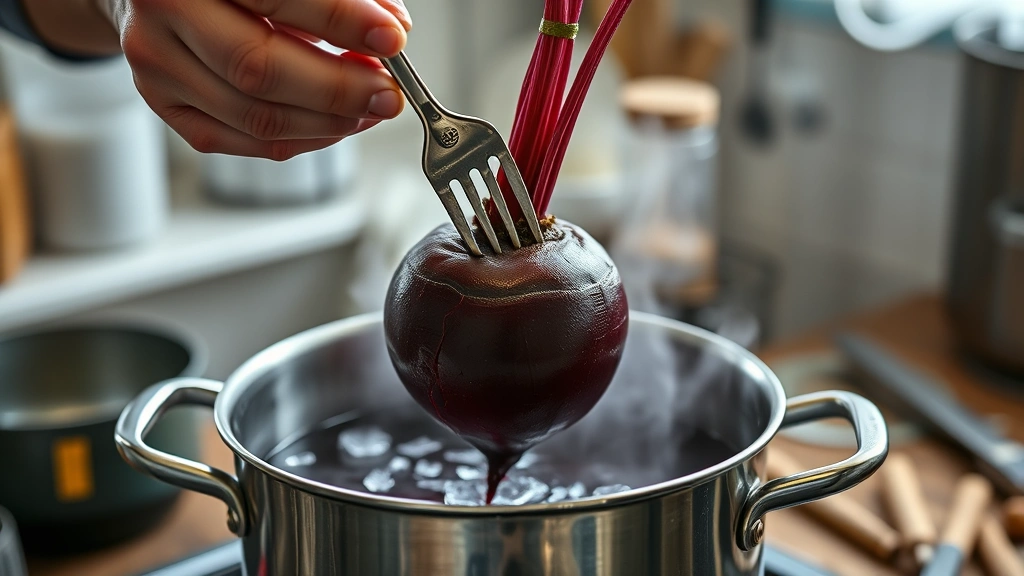
Once the beets hit the hot water, reduce the heat to a moderate boil. You want steady, active bubbling, not a violent rolling boil that bounces the beets around and damages them. Cover the pot partially—this helps retain heat and speeds up cooking slightly without trapping too much steam.
Testing for Doneness
Don’t rely on a timer alone. Timers are guidelines, not gospel. Start checking at the 25-minute mark for small beets, 35 minutes for medium, and 45 minutes for large ones. Use a fork or a sharp knife to pierce the thickest part of the largest beet. If it slides through with almost no resistance, you’re done. If there’s still a firm core, give it another 5 minutes and check again.
The beet should be tender throughout but not mushy. When you cut into it later, it should have a uniform color all the way through with no hard center. There’s a sweet spot between perfectly cooked and overcooked, and it’s only about 5 minutes wide, so pay attention.
Another trick: if you’re boiling beets alongside other vegetables like fried green beans or potatoes, remember that beets take longer than most other vegetables. Don’t try to multitask them in the same pot unless you’re okay with overcooked green beans.
Cooling and Peeling
This is where the magic happens. Once your beets are tender, drain them and run them under cold water until they’re cool enough to handle. Don’t skip this step—cooling stops the cooking process immediately. You can also plunge them into an ice bath if you’re in a hurry.
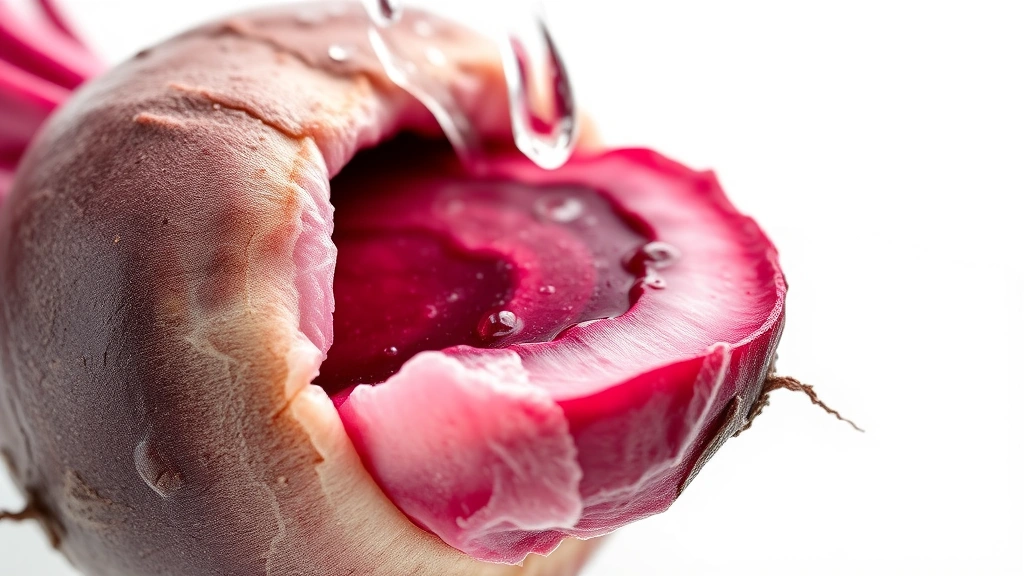
Once they’re cool, the skin practically falls off. Hold the beet under gently running water and rub it with your fingers or a soft cloth. The papery skin will slip right off, leaving the tender beet underneath. If the skin doesn’t come off easily, the beet wasn’t quite done cooking. If it comes off in big chunks, it was overdone.
Your hands will get stained red. This is normal and temporary. Rub them on a cut lemon or under running water with a bit of salt and it comes off faster. Wear an apron too—beet juice stains are real.
Common Mistakes
The biggest mistake is boiling beets with the skin off. Don’t do this. You’ll lose color, nutrients, and flavor. The skin is your protective barrier.
The second mistake is mixing beet sizes without a plan. If you’re boiling a pot of beets that range from golf-ball to baseball-sized, you’ll end up with some that are perfect and others that are either crunchy or mushy. Sort them or cut them to uniform size.
The third mistake is boiling them in too little water. If the water level drops below the beets during cooking, you’re essentially steaming them unevenly. Keep them submerged the whole time.
The fourth mistake is skipping the cold water bath after cooking. This stops the cooking process and makes peeling infinitely easier. Hot beets are harder to peel and they continue cooking, which can push you past that perfect tender stage.
Storage Tips
Once you’ve peeled your cooked beets, you can store them in the refrigerator for up to 5 days in an airtight container. They’re great sliced into salads, roasted with a bit of olive oil, or pureed into homemade sauces similar to applesauce preparations.
You can also freeze cooked beets for up to 3 months. Slice or cube them, lay them on a baking sheet to freeze individually, then transfer to a freezer bag. This prevents them from freezing into one giant block.
For meal prep, boil a big batch on Sunday and you’ve got beets ready to go all week. They’re versatile enough to work into salads, grain bowls, or as a side dish alongside proteins like swordfish or other main courses.
Frequently Asked Questions
Can I boil beets in a pressure cooker?
Absolutely. In a pressure cooker, medium beets take about 15 minutes at high pressure, plus time for the pressure to build and release. This cuts your total time roughly in half compared to stovetop boiling. It’s a solid option if you’re short on time.
Why are my boiled beets still hard in the center?
They didn’t cook long enough. The dense center takes longer to heat through than the outer layers. Make sure you’re starting with boiling water, not cold water, and give them the full cooking time based on their size. If they’re still hard after 60 minutes, they might be unusually large or old beets—try cutting them in half next time.
Does boiling beets remove their nutrients?
Some water-soluble vitamins leach into the cooking water, but not as much as you’d think. Keeping the skin on minimizes nutrient loss. If you’re concerned, save the cooking water and use it in soups or stocks—all those nutrients are still in there.
Can I add beets to recipes like Alabama white sauce?
Technically yes, though it’s unconventional. Beets have a strong earthy flavor that doesn’t naturally pair with traditional Alabama white sauce profiles. You’d be better off using them in their own sauce or as a separate component. That said, roasted beets with a creamy sauce can work in modern fusion cooking.
How do I know when to stop boiling?
Use the fork test. Pierce the thickest part of the largest beet. If the fork slides through with minimal resistance and the beet is uniformly tender, you’re done. If there’s a hard center, keep cooking. Check every 5 minutes after the initial time estimate.
What’s the difference between boiling and roasting beets?
Boiling is faster and results in a tender, slightly watery beet. Roasting takes longer (about an hour at 400°F) but concentrates the natural sugars and creates a caramelized exterior. Boiling is your move when you’re short on time; roasting is better if you want deeper flavor.
Final Thoughts
Nailing the timing on boiled beets comes down to three things: starting with boiling water, knowing your beet size, and using the fork test instead of relying solely on a timer. Medium beets in a rolling boil take about 35 to 45 minutes, but that’s just the starting point. Every stove is different, every beet is slightly different, and the only way to know for sure is to test them yourself.
Once you’ve got this down, you’ll have a reliable method for perfectly cooked beets every single time. They’re great in salads, as a side dish, or even paired with creative sauces and preparations. Master this timing, and you’ve got a skill that works in your kitchen for years.


