Getting how long to boil crab legs right is the difference between sweet, tender meat and rubbery disappointment. I’ve cooked hundreds of pounds of crab legs in my workshop kitchen, and I’m going to walk you through the exact timing, tricks, and troubleshooting that actually works.
Table of Contents
Basic Boiling Time
Here’s the golden rule: boil crab legs for 4-5 minutes if thawed, 6-8 minutes if frozen. That’s it. Most home cooks overthink this and end up with tough, stringy meat. The legs are already cooked when you buy them (whether fresh or frozen from the store), so you’re really just heating them through and infusing flavor.

I always set a timer on my phone because I’ll forget otherwise. Five minutes sounds short, but trust the process. The meat inside is already cooked, and crab legs are delicate—they don’t need much.
Size Matters Most
The weight and thickness of your crab legs changes everything. Here’s what I use:

- Snow crab legs (thin, light): 4 minutes thawed, 5-6 minutes frozen
- King crab legs (thick, heavy): 5-6 minutes thawed, 7-8 minutes frozen
- Blue crab claws: 3-4 minutes either way
If you’ve got a mix of sizes in your pot, go with the thickest pieces and add 30 seconds. Better safe than sorry, but not by much. The difference between perfect and overcooked is literally one minute.
Water Prep and Salt
Fill your pot with enough water to cover the legs by about 2 inches. Use a pot that’s at least 6-8 quarts for a standard batch. Bring the water to a rolling boil before you add anything.

For seasoning, I use 1/4 cup of sea salt per gallon of water. That sounds like a lot, but crab legs absorb it and it brings out the natural sweetness. Some people add Old Bay seasoning, lemon, or garlic to the water—all solid choices. I keep mine simple with salt and maybe a bay leaf.

The water needs to stay at a hard boil the entire time. If you dump cold crab legs in and the temperature drops, your timing gets thrown off. Let the water recover for 30 seconds after adding the legs, then start your timer.

Thawed vs Frozen Legs
There’s a real difference here, and it matters. Thawed legs cook faster because the heat penetrates immediately. Frozen legs have ice crystals that need to melt first, so they take longer.
My recommendation: thaw your legs in the refrigerator overnight if you can plan ahead. It’s safer, more consistent, and you’ll get better results. Just put them in a colander over a bowl and let them sit. If you’re in a rush, thaw them in cold water for 30-45 minutes.
Never thaw at room temperature—bacteria loves that. And don’t use hot water to thaw. You’ll start cooking the outside before the inside is ready.
Testing for Doneness
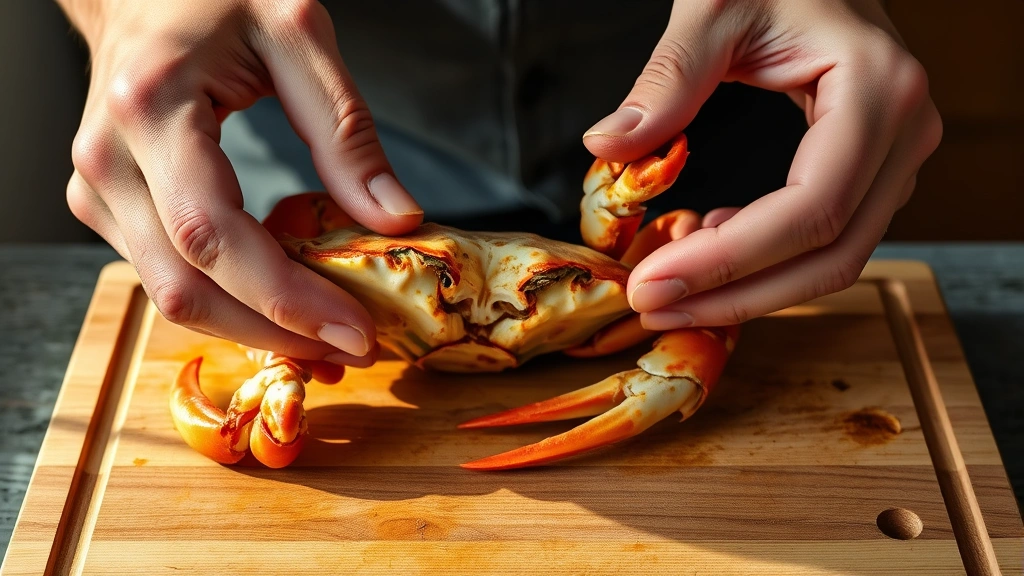
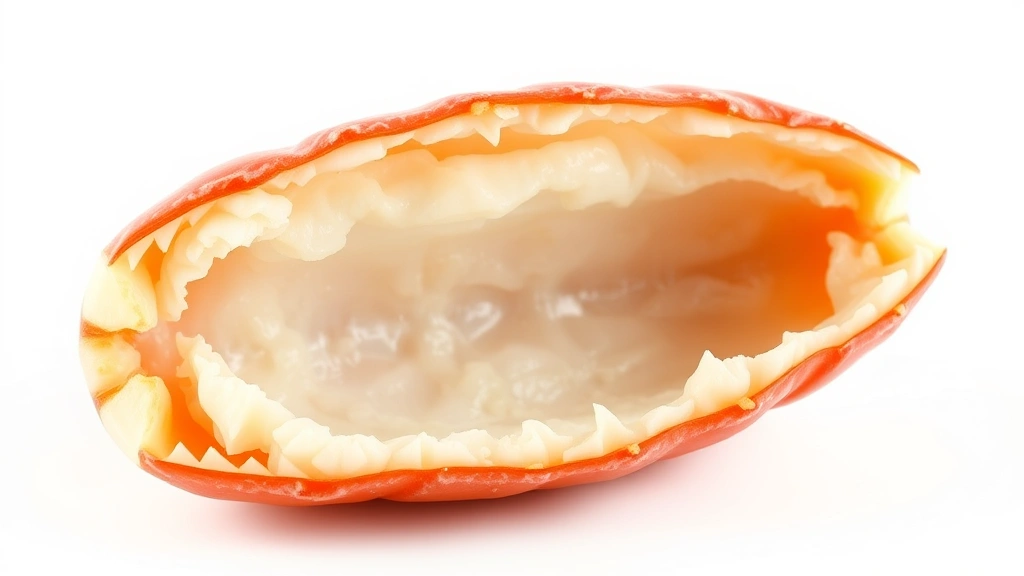
The shell should turn bright orange-red when done. That’s your visual cue. Pull one leg out at the 4-minute mark (if thawed) and crack it open. The meat should be opaque white with no translucent bits.
If you see any gray or translucent meat, give it another minute and check again. Once that meat is white and firm, you’re golden. It’ll continue cooking slightly from residual heat even after you pull it out, so don’t go crazy.

Temperature check: The internal temp should hit 165°F if you want to be precise about it. Use an instant-read thermometer in the thickest part. But honestly, the visual check works fine if you’ve done this a couple times.

Common Mistakes to Avoid
I see people make the same errors over and over. Here’s what kills crab legs:

- Overcooking by 2-3 minutes: This is the #1 killer. The meat gets rubbery and separates from the shell. Set a timer and stick to it.
- Not enough salt in the water: Bland meat is sad meat. Don’t skimp here.
- Crowding the pot: If you pile legs on top of each other, the bottom ones cook faster than the top ones. Work in batches if needed.
- Letting the water temperature drop: Keep that boil aggressive. If you add frozen legs and the water stops boiling, wait for it to recover before timing.
- Skipping the ice bath: After boiling, plunge them into ice water for 1-2 minutes to stop the cooking. This keeps the meat tender.
Flavor Variations
Once you’ve nailed the basic timing, play around. I love adding a Cajun boil recipe approach with Old Bay, cayenne, and whole spices. The legs absorb all that flavor in the water.
For a buttery finish, try making a garlic parmesan sauce recipe to dip the meat in. Or go the Asian route with soy sauce, ginger, and a touch of sesame oil in the boiling water.
The beauty of crab legs is they pair with almost anything. I’ve boiled them with beer, wine, lemon, Old Bay, and just plain salt. All work. The timing stays the same—only the flavor profile changes.
Storage and Reheating
Cooked crab legs keep in the fridge for 3-4 days in an airtight container. If you need them longer, freeze them for up to 3 months. Wrap them tightly in plastic wrap and then foil to prevent freezer burn.
To reheat, boil them again for 2-3 minutes, or steam them for 4-5 minutes. Don’t microwave—that’ll dry them out. If you’re serving them cold (like in a salad), just let them chill after boiling and don’t reheat at all.
Some people ask about steaming instead of boiling. Steaming takes about 1 minute longer than boiling for the same result. If you’ve got a steamer basket, go for it—there’s less water to manage and the legs don’t get waterlogged.

Frequently Asked Questions
Can you boil crab legs too long?
Absolutely. After 8-10 minutes for frozen or 6-7 minutes for thawed, the meat starts getting tough and stringy. The proteins contract and squeeze out moisture. Set a timer and stick to it. There’s no “a little longer won’t hurt”—it will.
Should crab legs be thawed before boiling?
You don’t have to, but it’s better if you do. Thawed legs cook more evenly and take less time. If boiling from frozen, add 2-3 extra minutes to your timer and make sure the water stays at a rolling boil the whole time.
What’s the difference between boiling and steaming crab legs?
Steaming takes about 1-2 minutes longer than boiling but gives you more control over moisture. Boiling is faster and easier for home cooks. Both work—pick whichever fits your setup.

How do you know when crab legs are done?
The shell turns bright orange-red, and the meat inside is opaque white with no translucent or gray areas. If you’re unsure, crack one open at the 4-minute mark and check. The meat should be firm and separate easily from the shell.

Can you add seasoning to the boiling water?
Yes, and you should. Salt is essential—use 1/4 cup per gallon. Beyond that, add Old Bay, bay leaves, lemon, garlic, or anything else you like. The legs will absorb the flavor as they cook.

What if your crab legs are still frozen solid when you cook them?
Add 2-3 extra minutes to the timer. Make sure your water is at a rolling boil before you add them, and keep it boiling the entire time. If the water temperature drops below a boil, wait for it to recover before starting your timer.
Final Thoughts
Mastering how long to boil crab legs is one of those skills that seems complicated until you do it once. After that, it’s muscle memory. Four to five minutes for thawed, six to eight for frozen. Set a timer. Don’t overcook. That’s the whole system.
The rest is just flavor variations and knowing your equipment. If you want to expand your seafood game, check out how to cook swordfish or explore high protein recipes that use similar techniques. And if you’re planning a full seafood spread, a Cajun boil recipe is the way to go.

Start with the basic timing, nail it, then build from there. You’ll be the person at dinner everyone asks for the crab leg recipe.