
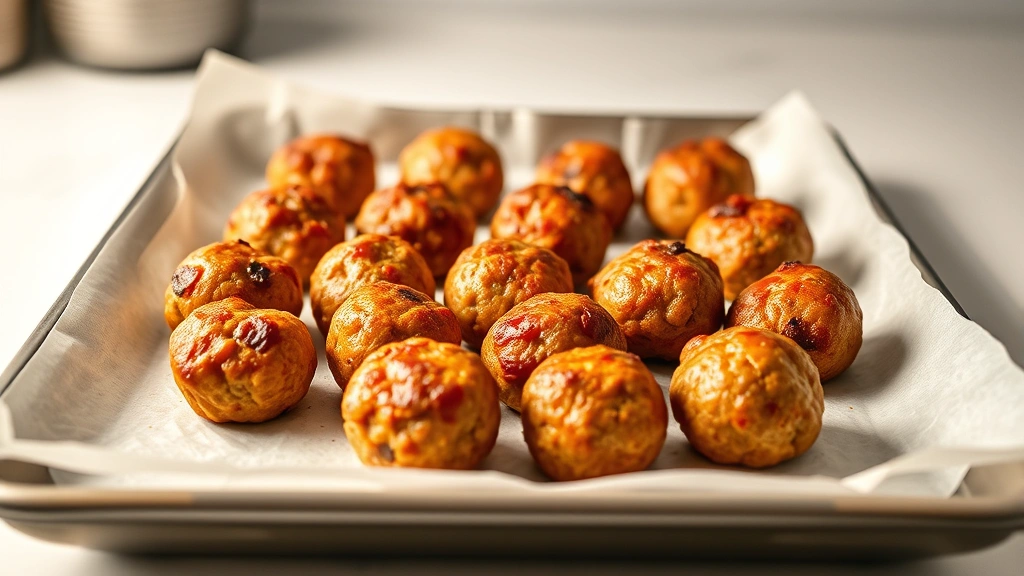
How long to bake meatballs at 400 degrees? The answer is simple: 20 minutes for perfectly cooked meatballs that are juicy inside and lightly browned outside. This is the golden standard that’ll save you from stovetop splatter and give you consistent results every single time. Whether you’re feeding a crowd or just your family, oven-baking at 400°F is the no-fuss method that actually works.
Table of Contents
Why 400 Degrees Works Best
Look, 400°F isn’t random. This temperature hits the sweet spot where your meatballs cook through without drying out. Lower temperatures (like 350°F) take 25-30 minutes and produce pale, steamed-looking results. Higher temps (425°F+) brown the outside before the inside is done, leaving you with burnt exteriors and raw centers. At 400°F, you get even heat distribution, proper browning, and that crucial Maillard reaction that makes them taste like actual food instead of hockey pucks.
The beauty of oven-baking is you’re not babysitting them like you would on the stovetop. No oil splatter on your shirt, no burnt spots from uneven heat, no turning them every 30 seconds. Just set it and forget it for 20 minutes.
Prep Work That Actually Matters
Before those meatballs hit the oven, take five minutes to get your mix right. Use a combination of ground meats—typically 80/20 ground beef mixed with ground pork or ground turkey gives you the best texture. The fat content matters because it keeps things moist during the bake.
Your binding ingredients are crucial too. Breadcrumbs soaked in milk (or what fancy cooks call a panade) absorb moisture and keep meatballs from becoming dense. Add one egg per pound of meat, plus salt, pepper, and whatever seasonings you’re using. Fresh garlic and onion go in here, not just powder. Mix it gently with your hands—don’t overwork it or you’ll end up with tough, dense balls that’ll make you regret every decision.
Roll them into even sizes. This isn’t just aesthetics; uniform meatballs cook at the same rate. Aim for roughly golf-ball sized (about 1.5 inches in diameter) for that perfect 20-minute window. Smaller meatballs finish in 15 minutes; larger ones need 25.
The 20-Minute Timing Guide
Here’s your actual game plan:
Prep time: 10 minutes to mix and roll. Don’t skip this—rushed meatballs are sad meatballs.
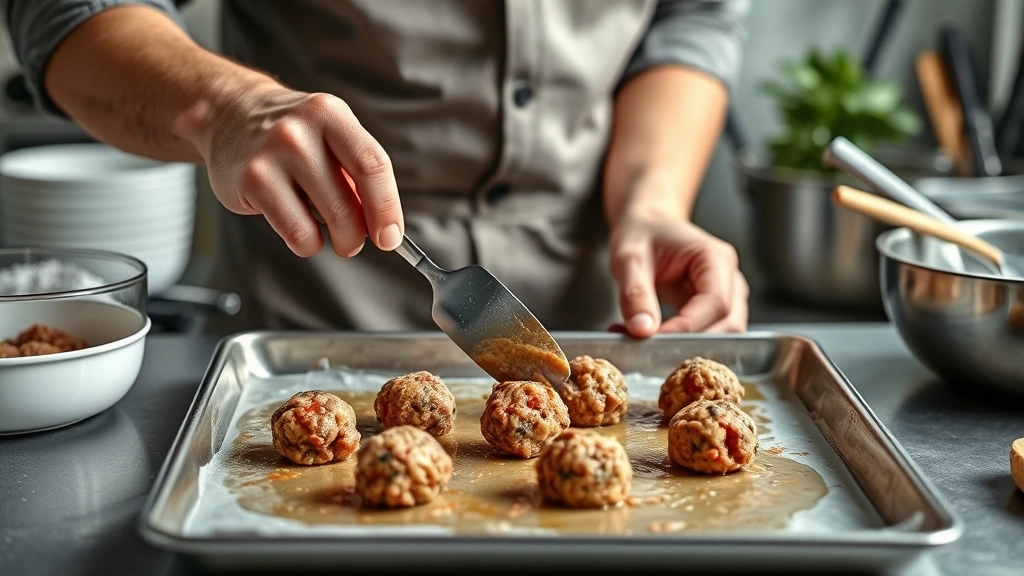
Preheat: Get your oven to 400°F for 5 minutes. Use a baking sheet with parchment paper or a light coating of oil. Arrange meatballs in a single layer, not touching.
Bake time: Exactly 20 minutes for standard 1.5-inch meatballs. At the 10-minute mark, shake the pan or use a spatula to roll them so they brown evenly on all sides. This step prevents flat spots and ensures consistent cooking.
Rest time: Let them sit on the pan for 2 minutes after removing from the oven. They’ll continue cooking slightly from residual heat, and this brief rest helps them hold together when you move them.
Total time from raw to table-ready: about 35-40 minutes. That’s genuinely faster than most stovetop methods and way less stressful.
How to Check for Doneness
The internal temperature should hit 165°F for poultry-based meatballs or 160°F for beef-based ones. Use an instant-read thermometer—stick it into the thickest meatball without hitting the pan. This is the only reliable way to know you’re done.
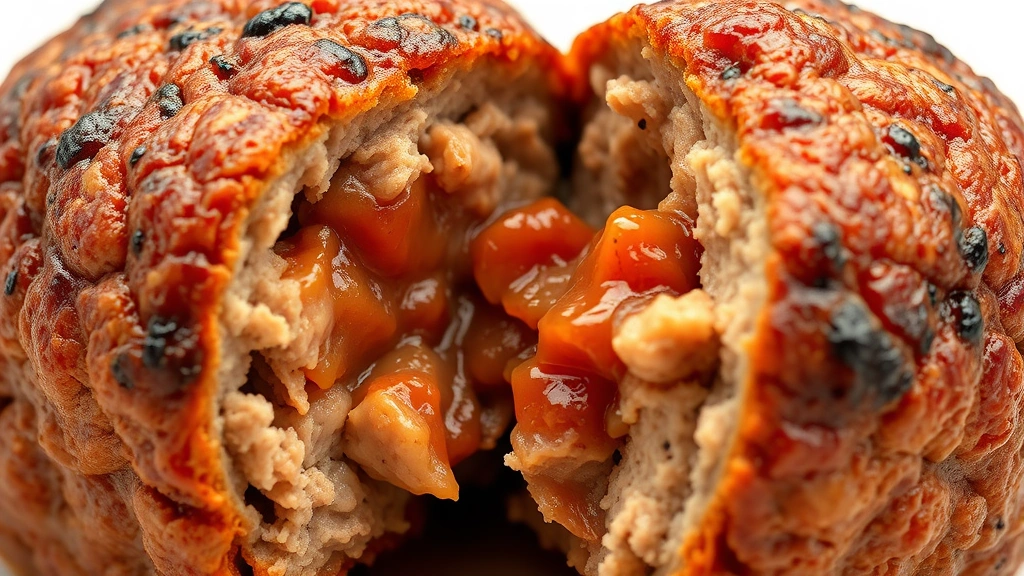
If you don’t have a thermometer, cut the largest meatball in half. The inside should be completely cooked through with no pink, and juices should run clear. If it’s still pink inside, give it another 2-3 minutes and check again.
The outside should be golden brown, not dark brown or black. If they’re looking too dark at the 15-minute mark, your oven might run hot—pull them out and check temperature. If they’re pale at 20 minutes, your oven might run cool, so give them another 2-3 minutes.
Adjusting for Different Sizes
Standard meatballs (1.5 inches): 20 minutes at 400°F. This is your baseline.
Small meatballs (1 inch or smaller): 12-15 minutes. These are great for appetizers or soups. Start checking at 12 minutes.
Large meatballs (2+ inches): 25-30 minutes. These take longer because heat needs to penetrate to the center. Don’t rush them or you’ll have a burnt outside and raw inside.
The key is consistency within a batch. If you’re making a big batch, sort them by size and bake on separate sheets if needed. Mixing sizes is a recipe for some being overdone while others aren’t finished.
Pan Setup and Spacing
Use a rimmed baking sheet (the sides prevent rolling disasters). Line it with parchment paper to prevent sticking and make cleanup actually possible. If you don’t have parchment, a light oil coating works, but parchment is genuinely worth it.
Arrange meatballs in a single layer with about a half-inch of space between them. They need airflow underneath to brown properly. Crowding the pan creates steam, and steamed meatballs are pale and disappointing. If you’re making a large batch, use two baking sheets and swap their oven positions halfway through (top to bottom, bottom to top) for even cooking.
Don’t use a glass baking dish. Glass conducts heat differently and often leads to overcooked bottoms. Stick with metal baking sheets.
Baking with Sauce vs. Plain
You have two approaches here, and they require different timing adjustments.
Plain bake method: Bake meatballs dry on parchment paper for 20 minutes as described above. This gives you maximum browning and flexibility. After baking, toss them into your sauce (marinara, Swedish meatball sauce, whatever) and simmer for 5-10 minutes to marry the flavors. This is my preferred method because you control browning independently from sauce flavor.
Sauce bake method: Place meatballs in a baking dish, pour sauce over them, cover with foil, and bake at 400°F for 25-30 minutes. The sauce prevents browning but keeps meatballs incredibly moist. This works great if you’re making a complete dish. Check temperature at 25 minutes; they might be done early if the sauce is hot.
If you’re making adobo sauce meatballs or something with bold flavors, the plain bake method lets those sauces shine without competing with oven browning flavors.
Storage and Make-Ahead Options
Baked meatballs are fantastic for meal prep. Here’s what actually works:
Refrigerator: Store cooked meatballs in an airtight container for up to 4 days. They stay moist because they’re already cooked through. Reheat in a 350°F oven for 8-10 minutes, or in sauce on the stovetop for 5 minutes.
Freezer: Cool completely, then freeze on a baking sheet in a single layer for 2 hours. Transfer to a freezer bag or container and freeze for up to 3 months. No need to thaw—just add 5-10 minutes to your reheating time.
Make-ahead raw: Roll meatballs, freeze them on a baking sheet, then transfer to freezer bags. Bake from frozen by adding 5 minutes to your baking time (25 minutes total at 400°F). This is genuinely convenient.
If you’re feeding a crowd, this approach saves you from cooking all morning. Bake them the day before, reheat when needed, and nobody knows you weren’t slaving away in the kitchen.
Frequently Asked Questions
Can I bake meatballs at a different temperature?
Yes, but timing changes. At 375°F, add 5 minutes (25 total). At 425°F, subtract 3-5 minutes (15-17 total). Stick with 400°F for the sweet spot—it’s the most forgiving and produces the best results consistently.
Why are my meatballs dry?
You’re either overbaking them or your meat mixture doesn’t have enough fat. Use 80/20 ground beef or add a tablespoon of olive oil to your mix. Also, don’t skip the breadcrumb-milk binder—it’s not optional. And pull them out at exactly 20 minutes; every extra minute dries them out.
Do I need to brown them on the stovetop first?
No. Oven-baking alone gives you plenty of browning at 400°F. Browning on the stovetop first is extra work that doesn’t improve the final result. Save your time and your oil.
How do I prevent flat spots on the bottom?
Shake the pan or roll them with a spatula at the 10-minute mark. This simple step prevents them from sticking and flattening. It takes 30 seconds and makes a real difference.
Can I cook meatballs from frozen without thawing?
Absolutely. Add 5 minutes to your baking time (25 minutes at 400°F). They’ll cook through evenly because oven heat distributes so well. No thawing required.
What’s the best meat combination?
80/20 ground beef mixed with ground pork (50/50 split) is the classic for a reason. The pork adds moisture and flavor; the beef provides structure. Ground turkey works too but needs extra fat—add a tablespoon of oil to prevent drying.
Should meatballs touch on the pan?
No. They need half-inch spacing minimum for airflow underneath. Touching meatballs steam instead of bake, and you lose that golden browning. Use two pans if needed.
Can I make Swedish meatballs this way?
Yes. Bake them plain for 20 minutes, then simmer in a sauce made from beef broth, sour cream, and Worcestershire for 10 minutes. The same 20-minute baking time works perfectly as a base for any sauce application.
Why does my oven seem to cook faster or slower than 20 minutes?
Ovens vary in accuracy. Buy a simple oven thermometer (they’re cheap) and verify your actual temperature. If it’s off, adjust accordingly. Also, meatball size matters—if yours are bigger or smaller than 1.5 inches, adjust timing accordingly.
Can I use this method for baking other proteins at the same temperature?
The principle works for different foods, but timing varies wildly. Tilapia bakes differently than meatballs. Each protein has its own requirements, so stick to tested recipes for best results.
Final Word
How long to bake meatballs at 400°F? Twenty minutes. That’s it. That’s the answer that works for standard-sized meatballs every single time. No guessing, no stovetop oil splatter, no burnt bottoms. Just golden, juicy meatballs that taste like you actually know what you’re doing in the kitchen.
The method is simple: prep your meat mixture right, roll them evenly, space them properly on a pan, and bake at 400°F for 20 minutes. Roll them at the halfway point for even browning. Check temperature with a thermometer to confirm doneness. That’s genuinely all there is to it.
Once you nail this basic technique, you can build on it. Make a batch for al pastor applications, toss them in adobo sauce, serve them with beans and greens, or freeze them for later. Or make a double batch and save half for meal prep before dessert night. The base technique stays the same.
Stop overthinking it. Twenty minutes at 400°F. You’ve got this.


