
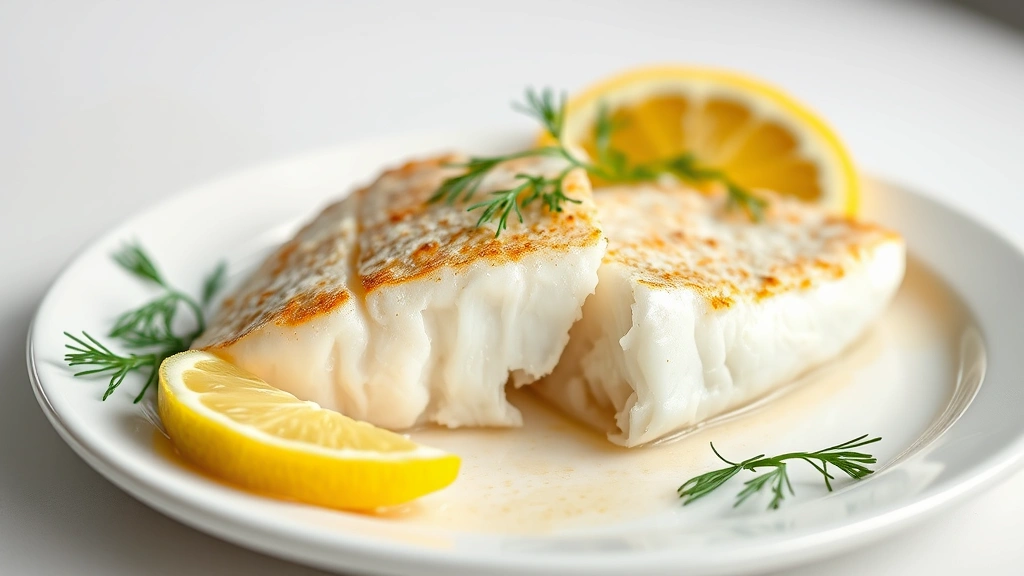
Learning how long to bake cod is the difference between a dry, rubbery mess and restaurant-quality flaky fish that falls apart at the touch of a fork. I’ve been cooking cod for years, and the secret isn’t complicated—it’s mostly about timing, temperature, and knowing when to stop before you wreck it.
Table of Contents
Baking Time & Temperature
The golden rule: bake cod at 400°F for 12-15 minutes. That’s your baseline. A standard 1-inch thick fillet will be perfectly cooked right in that window. The fish should be opaque throughout and flake easily when you test it with a fork. If you’ve got thicker fillets (1.5 inches), bump it to 15-18 minutes. Thinner ones (3/4 inch) might only need 10-12 minutes.
Temperature is non-negotiable here. 400°F is hot enough to cook the fish through without drying it out, and it’s cool enough that you won’t get a rubbery exterior before the inside finishes cooking. I’ve tried 375°F and 425°F—both work, but they extend or shorten the window, and honestly, 400°F just hits the sweet spot every time.
Prep Work Matters Most
Before the fish even touches the oven, you’ve got to nail the prep. Pat your cod fillets completely dry with paper towels. Moisture is the enemy of good flavor and browning. Wet fish steams instead of bakes, and that’s not what we’re after.
Season generously with salt and pepper at least 5 minutes before baking—this gives the salt time to penetrate the flesh. I usually add a light drizzle of olive oil, a squeeze of fresh lemon juice, and maybe some minced garlic or fresh herbs. Don’t go overboard with toppings; cod is delicate and deserves to shine. A simple preparation often yields the best results.
Thickness Affects Timing
This is where most people mess up. You can’t just follow one time for every piece of cod you bake. Thickness is everything. Measure your fillets at the thickest point before you start cooking.
- 3/4 inch thick: 10-12 minutes at 400°F
- 1 inch thick: 12-15 minutes at 400°F
- 1.25 inches thick: 15-17 minutes at 400°F
- 1.5+ inches thick: 18-20 minutes at 400°F
If your fillets are wildly different thicknesses, arrange them so the thicker ones are on the outside edge of the baking sheet where they get slightly more heat. Or pound thinner spots to even them out before baking.
Oven Setup Tips
Use a baking sheet lined with parchment paper or foil—makes cleanup easier and prevents sticking. Place the sheet on the middle rack of your oven. That middle position gives you the most even heat distribution. If you put it too high, the top might brown before the inside cooks. Too low, and the bottom can overcook.
I always preheat the oven for at least 10 minutes before the cod goes in. A properly preheated oven ensures consistent cooking from the moment the fish hits the heat. Don’t skip this step—it actually matters.
Signs Your Cod Is Done
The best way to tell if your cod is done is the flake test. Insert a fork into the thickest part at a 45-degree angle and gently twist. Properly cooked cod will flake apart easily and look opaque throughout. If it’s still translucent or resists flaking, it needs more time.
Another reliable method: check the internal temperature with an instant-read thermometer. Cod is safely cooked at 145°F (63°C). This is the USDA standard for all fish. Insert the thermometer into the thickest part without touching the bottom of the pan.
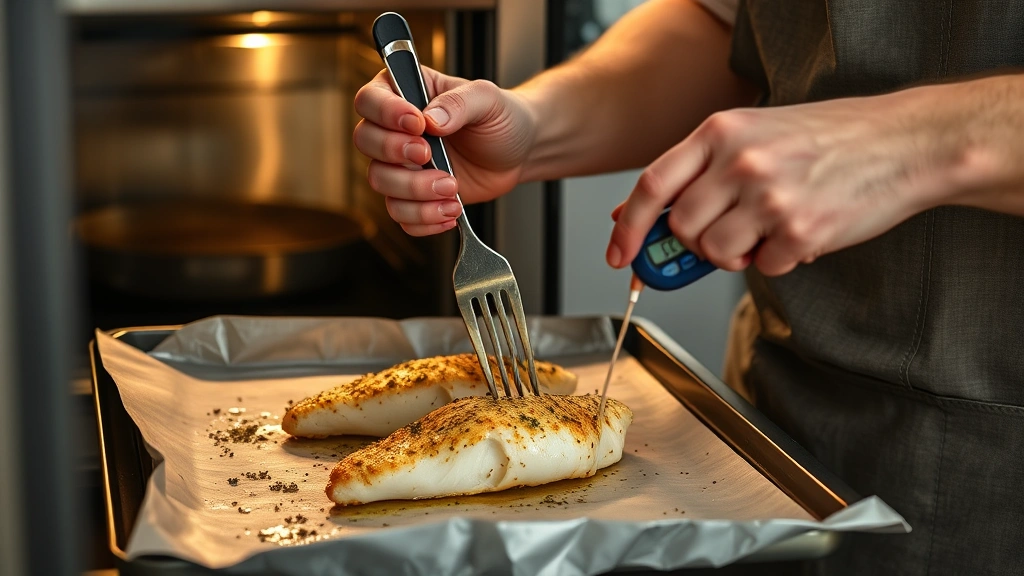
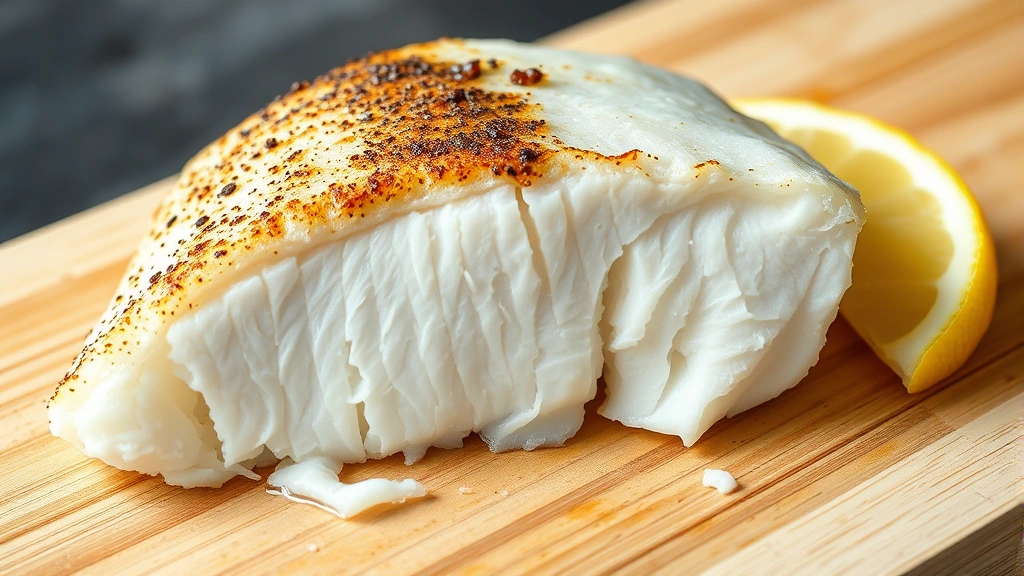
Visually, fully cooked cod changes from translucent to opaque white or off-white. The flesh should look firm but still moist, never dry or chalky. If you see white stuff oozing out (that’s albumin), you might be slightly past perfect, but the fish is still fine to eat.
Common Mistakes to Avoid
The biggest mistake is overcooking. Cod cooks fast, and there’s only a narrow window between perfect and dry. Set a timer and check at the lower end of your time range. You can always bake it longer, but you can’t undo overcooking.
Don’t use a wet baking sheet or parchment paper. Moisture prevents browning and makes the fish steam. Pat everything dry, including your hands if you’ve been handling the fish.
Avoid crowding the pan. Leave space between fillets so hot air can circulate. Crowded fillets steam instead of bake, and you lose the nice texture. If you’re cooking multiple fillets, use a larger sheet or cook in batches.
Don’t skip seasoning. Cod is a mild fish and needs salt and acid (lemon, lime, vinegar) to really shine. A pinch of salt and squeeze of lemon transforms it from bland to delicious.
Simple Flavor Boosters
Since cod is mild, you’ve got room to play with flavors. My go-to is butter, lemon, and fresh dill. Melt a tablespoon of butter, add minced garlic, fresh herbs, and a squeeze of lemon. Drizzle this over the cod before baking.
Other winners: a sprinkle of panko breadcrumbs mixed with parmesan and herbs for a light crust, a drizzle of soy sauce and ginger for an Asian twist, or a simple tomato-caper topping. The key is keeping toppings light so they don’t insulate the fish and mess with your baking time.
Fresh herbs like parsley, dill, tarragon, or chives go on after baking so they don’t lose their brightness. Dried herbs can go on before. A squeeze of fresh lemon or lime juice at the very end brightens everything up.
Pairing With Sides
Cod bakes in 12-15 minutes, so plan sides that cook in a similar timeframe. Steam broccoli in the microwave while the fish bakes—takes about 5 minutes and you can have it ready by the time the cod comes out of the oven.
Steaming green beans is another quick option that pairs beautifully with baked cod. You can steam them on the stovetop in about 8-10 minutes, so start them a few minutes after the fish goes in.
Roasted potatoes take longer, so either start them first or use quick-cooking sides like rice, couscous, or a simple salad. The beauty of baked cod is that it’s fast, so your whole dinner can be on the table in under 30 minutes.
Storage & Leftovers
Leftover baked cod keeps in the fridge for 3-4 days in an airtight container. It’s best eaten cold or gently reheated. To reheat, place it on a baking sheet, cover loosely with foil, and warm at 325°F for about 5-7 minutes. Don’t microwave it—that’ll dry it out further.
Cold leftover cod makes a great salad topper or can be flaked into fish tacos. You can also use it in homemade sauces or mixed into grain bowls. The delicate flavor works well in lots of applications.
Frequently Asked Questions
Can I bake frozen cod without thawing?
Yes, but add 5-10 minutes to your baking time. Bake at 400°F until the internal temperature reaches 145°F. A frozen 1-inch fillet will take about 17-20 minutes. It’s better to thaw cod in the fridge overnight if you have time—it cooks more evenly.
What if my oven runs hot or cold?
Use an oven thermometer to check the actual temperature. Most home ovens are off by 10-25°F. If yours runs hot, reduce the temperature by 25°F and check the fish earlier. If it runs cold, increase by 25°F. Always rely on the flake test and internal temperature, not just time.
Is cod better baked or pan-seared?
Both are great—it depends on what you want. Baking is more hands-off and gentler on delicate fillets. Pan-searing gives you a nice crust and more control over browning. For beginners, baking is more forgiving because it’s harder to overcook.
Why is my baked cod always dry?
You’re probably overcooking it. Start checking at 12 minutes for standard fillets. Also make sure you’re not using fillets that are too thin (under 3/4 inch). Thin fillets cook too fast and dry out easily. And always pat the fish dry before baking.
Can I add sauce before baking?
Light sauces are fine, but heavy ones can trap steam and affect cooking time. Add sauce after baking, or use a light drizzle of oil-based sauce before. Cream-based sauces are best added after the fish comes out of the oven.
How does baked cod compare to other white fish?
Cod is similar to baking tilapia—both are mild, flaky, and cook quickly at 400°F. Cod has a slightly firmer texture and more pronounced flavor. Halibut takes longer because it’s thicker, and sole cooks faster because it’s thinner. Adjust your time based on thickness, not species.
Final Thoughts
Baking cod is genuinely one of the easiest proteins to cook if you remember the basics: 400°F, 12-15 minutes for standard fillets, and a flake test to confirm doneness. Don’t overthink it. Pat it dry, season it well, and pull it out of the oven before it dries out. Once you’ve nailed this technique, you’ll have a go-to weeknight dinner that tastes restaurant-quality and takes less time than ordering takeout. The key is respecting the fish and not letting it sit in the oven longer than necessary.


