
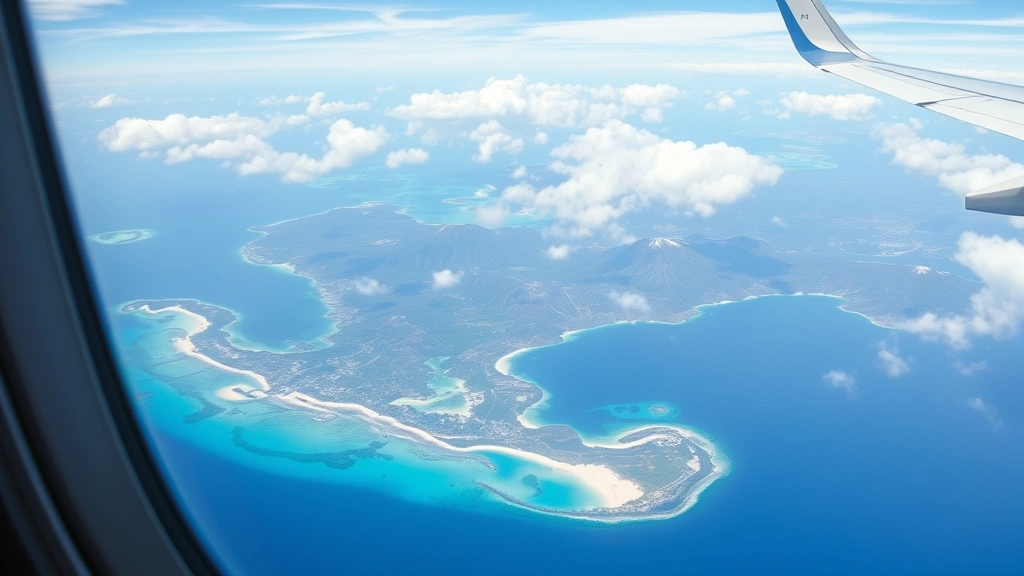
How long is the flight to Hawaii? That’s the million-dollar question when you’re planning your tropical escape. The short answer: expect anywhere from 5 to 12+ hours depending on where you’re flying from, which island you’re heading to, and whether you’re taking a direct flight or connecting through another city. Let me break down everything you need to know to plan your journey like a pro.
Table of Contents
Mainland Flight Times Explained
When you’re asking how long is the flight to Hawaii, you’re really asking about distance and air speed. From the West Coast (Los Angeles, San Francisco, Seattle), you’re looking at roughly 5 to 6 hours of actual flight time. From the Midwest (Chicago, Denver), bump that up to 8 to 10 hours with a connection. From the East Coast (New York, Boston, Miami), you’re staring down 11 to 14 hours total travel time when you factor in connections.
Here’s the reality: the actual flight duration is only half the battle. You’ve got to add security, boarding, taxiing, and any layover time. A “5-hour flight” from LA can easily turn into a 7 or 8-hour day when you account for getting to the airport two hours early and ground time at both ends.
West Coast Has the Advantage
If you’re on the West Coast, you’ve got the sweet spot for Hawaii travel. California, Oregon, and Washington residents can catch direct flights that get them to the islands in under 6 hours. This is why so many people treat Hawaii like a weekend getaway from places like San Francisco and Los Angeles. The proximity makes it almost as convenient as driving to another state, except you’re landing on a tropical island.
West Coast airports like LAX, SFO, and San Jose have the most frequent Hawaii service, which means more flight options, better prices during sales, and flexibility if you need to change dates. This geographic advantage is huge when you’re planning your escape.
Your Island Destination Matters
Not all Hawaiian islands are created equal when it comes to flight times. Honolulu (Oahu) is the main hub, so most flights land there first. If you’re heading to Maui, Big Island, or Kauai, you might have a direct flight, or you might connect through Honolulu, which adds another hour or two to your journey.
The Big Island’s Kona airport gets some direct flights from the mainland, but Hilo is less convenient. Maui’s Kahului Airport is well-served. Kauai’s Lihue Airport typically requires a connection through Honolulu. Molokai and Lanai? You’re definitely connecting, usually through Honolulu or Maui. Check your specific island’s airport options before booking—it could save you 2-3 hours of travel time.
Direct Flights vs Connections
This is where you make real decisions. A direct flight from LA to Honolulu takes about 5 hours and 15 minutes. A connecting flight from LA to Honolulu via Phoenix or Las Vegas might take 8-10 hours total, but the ticket could be $100-200 cheaper. You’re trading time for money, and only you know which one you value more.
Here’s my workshop wisdom: if you’re flying from the West Coast, always look for direct flights first. The time savings and convenience usually justify the slightly higher price. If you’re coming from the Midwest or East Coast, you’re connecting anyway, so you might as well comparison shop and potentially save some cash by choosing your connection city strategically.
Time Zone Tricks Nobody Talks About
This is where it gets fun. Hawaii is 2 hours behind California, 3 hours behind the Mountain Time Zone, and 5 hours behind the East Coast. So when you land in Honolulu at 11 AM local time after a 5-hour flight from LA, you’ve actually only been in the air for 5 hours, but your body thinks it’s 1 PM because you left at 6 AM Pacific Time.
The real trick? Hawaii is so far west that you actually gain time on your day. Leave New York at 8 AM, fly for 14 hours, and land at 6 PM Hawaii time—but you’ve only lost 9 hours of daylight because of the time zone shift. This is why Hawaii flights feel less brutal than the actual flight time suggests. Your body doesn’t get as hammered by jet lag as you’d think.
Smart Layover Strategies
If you’re stuck with a connection, turn it into an advantage. A 2-3 hour layover in Phoenix or Las Vegas gives you time to stretch, grab food that isn’t airplane chicken, and reset mentally before the final leg to Hawaii. Some people even book longer layovers intentionally—spend 4-5 hours in a layover city, grab a decent meal, use the airport gym or spa, and board the final flight refreshed.
Airlines like Southwest and Hawaiian offer decent connections, and their hubs (Las Vegas for Southwest, Honolulu for Hawaiian) are manageable. Just make sure your connection time is realistic—at least 90 minutes for domestic connections, 2 hours if you’re changing airlines. Nothing ruins a vacation faster than missing your connection.
Flight Day Prep Like a Veteran
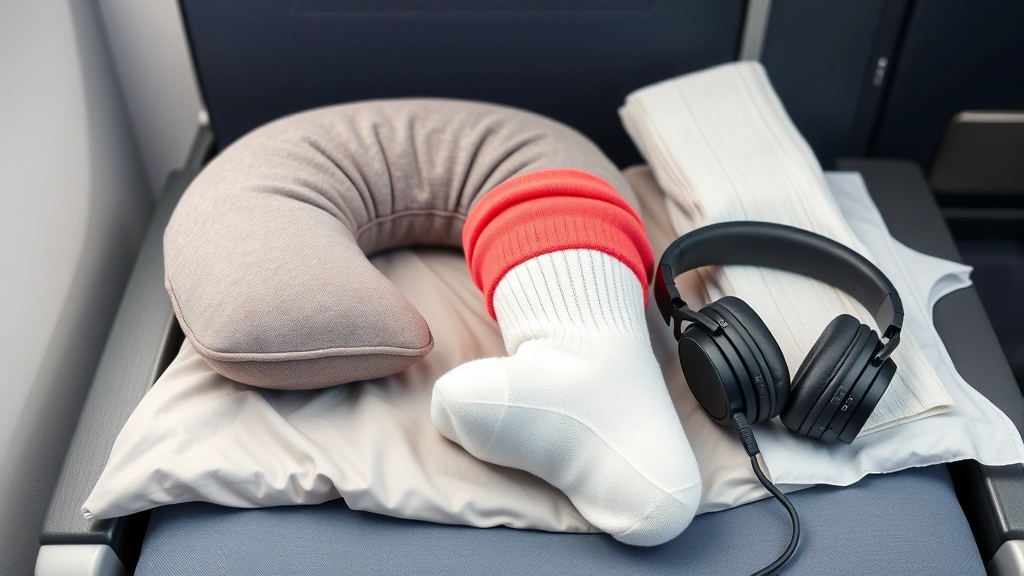
You want to minimize how long the flight FEELS, not just how long it actually is. Get to the airport early enough that you’re not stressed. Wear compression socks to prevent blood clots on long flights—this is legitimate medical advice, not just comfort theater. Bring a neck pillow, noise-canceling headphones, and download movies or podcasts before you board.
Stay hydrated. The cabin air is drier than the Sahara, and dehydration makes jet lag worse. Skip the alcohol and caffeine—they’ll mess with your sleep schedule and make the flight feel longer. Eat light snacks, move around the cabin every hour, and do some ankle circles and leg stretches. These aren’t just feel-good suggestions; they actually make a measurable difference in how you feel when you land.
Budget Airlines Change the Game
Southwest has shaken up Hawaii travel by offering cheaper fares and free checked bags. Spirit and Frontier also fly to Hawaii occasionally with rock-bottom prices, but you’re paying for everything à la carte. A $150 cheaper ticket might cost you $80 in baggage fees, seat selection, and carry-on restrictions.
Do the math before you commit. Sometimes the budget airline saves you real money; sometimes you’re better off paying a bit more for a full-service carrier. And here’s the thing—budget airlines’ flight times aren’t shorter, so you’re not saving time, just (potentially) money. Factor in potential delays and cancellations, which budget carriers have higher rates for, and the equation gets more complicated.
Frequently Asked Questions
What’s the shortest possible flight time to Hawaii?
From Los Angeles or San Francisco to Honolulu, you’re looking at about 5 hours and 15 minutes of actual flight time. That’s as short as it gets for mainland flights. Anything faster would require a private jet, which defeats the whole vacation budget.
Is there a way to get to Hawaii faster than flying?
Not practically. There’s no commercial ship service anymore that would get you there faster than flying. You could theoretically take a private yacht, but that’s a different vacation entirely. Flying is your only realistic option.
Do red-eye flights to Hawaii actually save time?
Not really. You’re flying the same distance in the same time; you’re just doing it at night. The time zone situation means you might land at a reasonable hour, which feels like a time-saver psychologically. But your body clock is going to be confused either way. Red-eyes can be good for maximizing your vacation days, though—leave after work, land in the morning, and hit the beach by afternoon.
How does a connecting flight affect total travel time?
A typical connection adds 2-4 hours to your total travel time, depending on the layover length. If you’re flying from the East Coast with a 2-hour layover in Phoenix, you’re looking at roughly 12-14 hours total from leaving home to arriving in Hawaii. Factor in airport time, and you’re probably looking at a 15-16 hour day.
What’s the best time of day to fly to Hawaii?
Early morning flights from the West Coast get you to Hawaii by early afternoon, giving you most of the day to enjoy. Red-eye flights work if you can sleep on planes. Avoid mid-afternoon departures—they get you to Hawaii after dark, and you’ve wasted the whole day. Check out our guide on how to get rid of a headache in 2 minutes for tips if you land with travel fatigue.
Does the airline matter for flight duration?
Not really. All commercial jets fly at roughly the same speed (around 500 mph). Hawaiian Airlines, United, American, and Southwest all take about the same time to get from point A to point B. What changes is comfort, service, and reliability—not the actual flight duration.
Can I break up a long Hawaii flight into two days?
Absolutely. If you’re flying from the East Coast and want to avoid the 14-hour slog, book a connection with a longer layover and spend a night in a hub city like Phoenix, Las Vegas, or Denver. It’s an extra night of hotel costs, but if you value your sanity, it might be worth it. Plus, you get to explore another city.
Bottom Line on Hawaii Flight Times
How long is the flight to Hawaii? It depends on where you’re starting, which island you’re going to, and whether you’re willing to connect. But here’s what matters: plan for the reality, not the ideal. Add 2-3 hours to the flight time for airport procedures and ground time. Book direct flights when possible. Use the time zone advantage to your benefit. And prep your body like you’re training for something important—because a 6-hour flight feels a lot shorter when you’re hydrated, stretched out, and not stressed.
Want to maximize your vacation planning? Check out our article on how long it takes to run a marathon for perspective on endurance activities, or learn about how to wrap a scarf for packing tips. And if you need post-flight relaxation, our guide on how to care for a money tree might inspire some tropical vibes once you’re there.
The flight is just the beginning. Once you land, the real adventure starts. Safe travels.


