
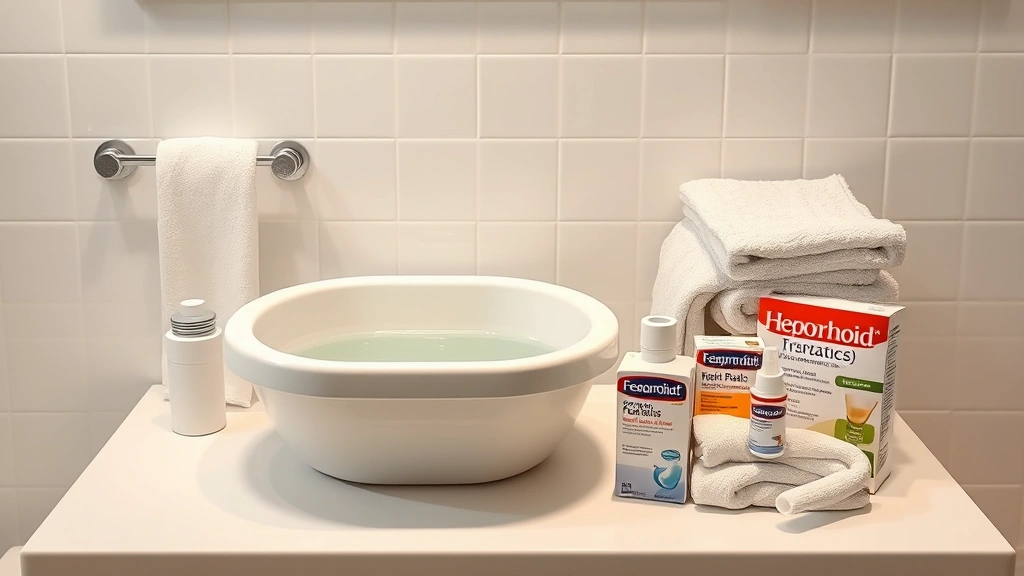
So how long for hemorrhoid to go away? The honest answer: most hemorrhoids resolve themselves within 1-2 weeks with proper home care, though some stubborn cases can linger 3-4 weeks or longer. But here’s the thing—you don’t have to white-knuckle through that discomfort. This guide walks you through exactly what to expect, what actually works, and when you need to call a doctor instead of just hoping it disappears.
Table of Contents
Timeline & What to Expect
Let’s cut through the mystery. External hemorrhoids—the ones you can actually see and feel—typically shrink noticeably within 7-10 days if you’re treating them right. Internal hemorrhoids, which sit higher up in your rectum, might take 2-3 weeks because they’re less accessible for direct treatment. The itching usually stops first, then the swelling gradually reduces, and finally any bleeding tapers off.
But here’s what nobody tells you: complete resolution doesn’t mean instant relief. You’ll probably feel 80% better in week two, but that last 20% can be annoyingly stubborn. Some people experience lingering mild discomfort for 3-4 weeks, especially if they keep irritating the area by straining or sitting too long.
The timeline also depends on severity. A Grade 1 or 2 hemorrhoid (small, minimal bleeding) vanishes faster than a Grade 3 or 4 (larger, prolapsing). If yours is seriously painful or bleeding heavily, don’t waste time with guesswork—see a healthcare provider.
Why Hemorrhoids Develop
Understanding the root cause helps you actually fix the problem instead of just treating symptoms. Hemorrhoids form when pressure builds in the veins around your rectum and anus. The usual culprits: chronic constipation, straining during bowel movements, sitting too long, heavy lifting, and dehydration. Pregnancy also triggers them because of increased abdominal pressure.
Think of it like this—your veins are basically getting squeezed and irritated. That pressure causes swelling, and the swollen tissue bleeds or itches. The longer the pressure persists, the worse they get. That’s why addressing the underlying cause matters just as much as treating the symptoms.
Fast Relief Strategies
Want actual relief today, not next week? Start with the basics that work immediately:
Sitz baths are your first move. Sit in warm (not hot) water for 10-15 minutes, 2-3 times daily and after bowel movements. The warm water relaxes the area, improves blood flow, and reduces inflammation. Add Epsom salt if you want—it’s soothing, though plain warm water works fine.
Over-the-counter creams and ointments containing hydrocortisone or witch hazel provide quick numbing and reduce swelling. Apply after each bowel movement and before bed. Don’t overuse them though—limit to 7-10 days because prolonged steroid use can thin skin.
Witch hazel pads are genuinely helpful. They’re portable, they cool the area instantly, and they contain tannins that reduce inflammation. Keep them in the bathroom and use them after every bowel movement.
Ice packs work for acute pain. Wrap ice in a thin cloth (not directly on skin) and apply for 10 minutes at a time. This numbs pain and reduces swelling quickly, though the relief is temporary.
Home Treatment Methods
Beyond quick fixes, these methods actually speed healing. Fiber supplementation is non-negotiable. Psyllium husk (Metamucil) or methylcellulose (Citrucel) softens stool so you’re not straining. Start with a smaller dose and increase gradually—jumping to full doses causes bloating. Most people see improvement within 2-3 days.
Stay hydrated. Drink at least 8-10 glasses of water daily. Dehydration hardens stool, which means more straining, which means more pressure on those veins. It’s simple but genuinely effective.
Avoid sitting on the toilet too long. Seriously. That’s literally pressing on the problem area. Spend 5 minutes maximum, then get up. If nothing’s happening, come back later instead of pushing.
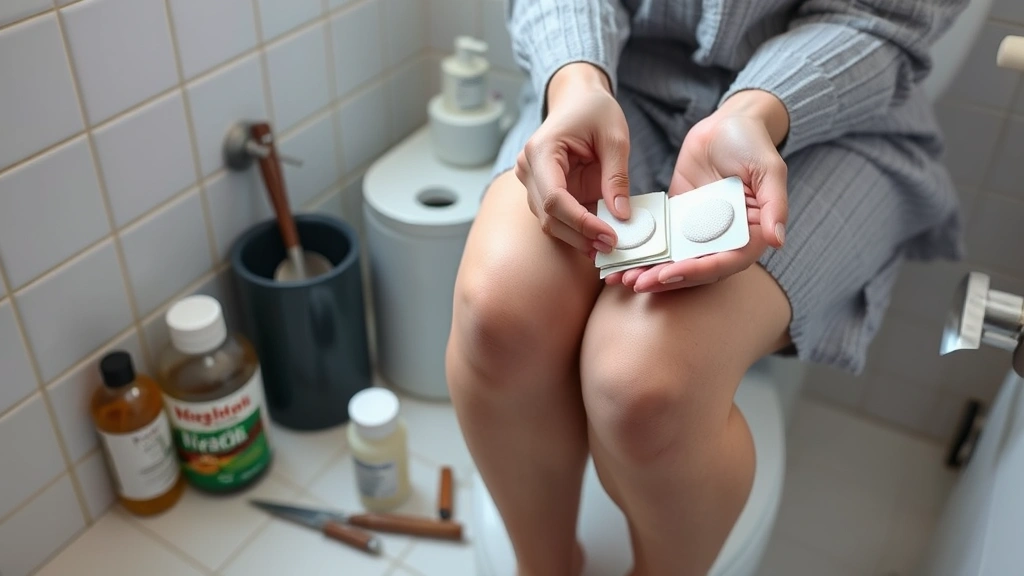
Wear loose, breathable clothing. Tight jeans and underwear trap moisture and heat, which irritates hemorrhoids. Cotton underwear is your friend here.
Use a donut cushion if you sit at a desk. It relieves pressure directly on the affected area. You don’t need anything fancy—a basic foam one works fine and costs $15-20.
Dietary Changes Matter
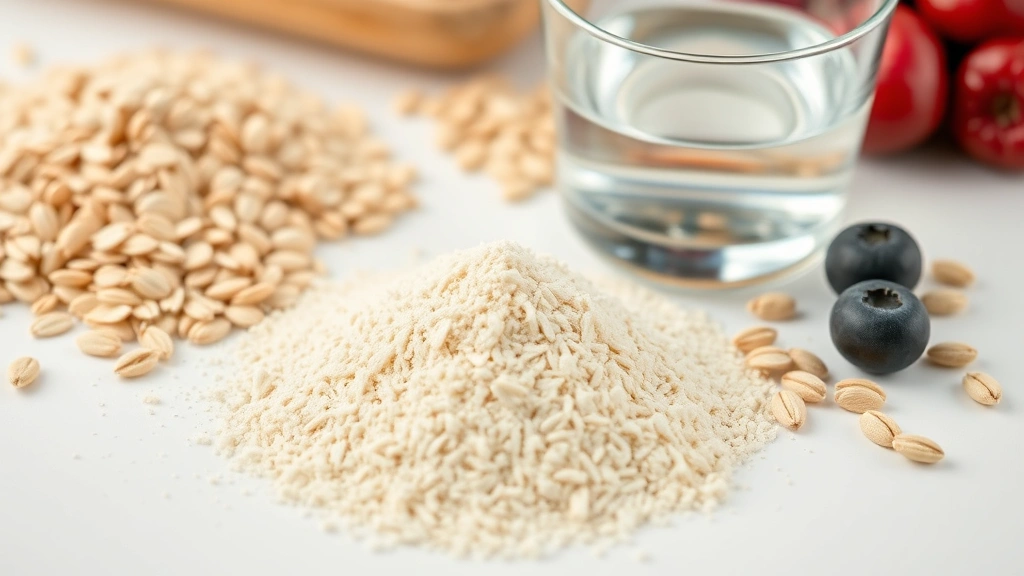
This is where most people miss the boat. You can treat symptoms all day, but if you’re still eating like you’re constipated, they’ll come back. Add fiber gradually—sudden increases cause gas and bloating. Aim for 25-35 grams daily from whole grains, vegetables, fruits, and legumes.
Prunes, pears, and berries are fiber powerhouses. So are beans, lentils, and oats. A simple breakfast of oatmeal with berries puts you ahead immediately.
Avoid foods that trigger constipation: processed foods, white bread, cheese, and excessive dairy. Also skip spicy foods temporarily—they can irritate the area further while you’re healing.
Coffee and alcohol dehydrate you, which hardens stool. Cut back while you’re dealing with this. I know it’s not fun, but it actually matters.
When to See a Doctor
Some situations need professional attention immediately. See a doctor if you’re experiencing heavy bleeding (more than a few drops), if the pain is severe and not improving after 3-4 days of home treatment, if you have fever or signs of infection, or if the hemorrhoid doesn’t shrink after 2 weeks.
Also get checked if you’re passing blood clots or if the hemorrhoid is protruding and you can’t push it back in. These situations need evaluation because they might require medical intervention or might indicate something else entirely.
Don’t assume all rectal bleeding is hemorrhoids. While it usually is, other conditions can cause bleeding too. A quick doctor visit rules out anything serious and gives you peace of mind.
Medical Treatment Options
If home remedies aren’t cutting it after 2 weeks, doctors have several effective options. Rubber band ligation is the most common office procedure—a tiny band cuts off blood supply to the hemorrhoid, which shrivels and falls off within a week. It works for internal hemorrhoids and takes 5 minutes.
Sclerotherapy injects a chemical that causes the hemorrhoid to shrivel. It’s less invasive than banding but sometimes less effective for larger hemorrhoids.
Infrared coagulation uses heat to seal blood vessels. It’s quick, relatively painless, and works well for bleeding hemorrhoids.
For severe cases, hemorrhoidectomy (surgical removal) is an option, but doctors reserve this for Grade 4 hemorrhoids or when other treatments fail. Recovery takes 2-4 weeks, so it’s not a quick fix, but it’s highly effective.
According to the Family Handyman approach to health maintenance, most people respond well to conservative treatment first. Medical procedures are backup plans, not first moves.
Prevention for Long-Term
Once they’re gone, keep them gone. The habits that prevent hemorrhoids are basically the same ones that treat them: stay hydrated, eat fiber, exercise regularly, and don’t strain. Seriously, don’t strain. That’s the biggest factor.
Take bathroom breaks seriously. Don’t ignore the urge to go—holding it hardens stool. Also, don’t spend 20 minutes on the toilet reading your phone. In and out, five minutes max.
Regular physical activity—even just walking 30 minutes daily—improves digestion and prevents constipation. This alone prevents most hemorrhoid recurrence.
If you have a job requiring long sitting periods, take breaks every hour. Stand up, walk around, stretch. Your veins will thank you.
Frequently Asked Questions
Can hemorrhoids go away on their own without treatment?
Yes, most external hemorrhoids resolve within 1-2 weeks even without treatment, though they’re uncomfortable. Home care speeds recovery significantly. Internal hemorrhoids also heal on their own but might take longer because you can’t treat them directly.
What’s the fastest way to make hemorrhoids go away?
Combining sitz baths, fiber supplementation, hydration, and over-the-counter creams produces the fastest results. Start these immediately—most people feel substantially better within 3-4 days. Don’t expect complete disappearance that fast, but pain and itching drop dramatically.
Are hemorrhoids permanent?
No. They’re temporary swelling of veins that resolves with time and proper care. However, they recur if you return to the habits that caused them (straining, constipation, dehydration). Prevention through lifestyle changes keeps them from coming back.
Can I exercise while I have hemorrhoids?
Light exercise is fine and actually helps. Walking and swimming don’t aggravate them. Skip heavy lifting and intense straining exercises until they’re healed. Exercise improves digestion, which prevents constipation, so it’s actually beneficial.
Should I use hydrocortisone cream long-term?
No. Limit hydrocortisone to 7-10 days maximum. Prolonged use thins skin and can cause other issues. Switch to witch hazel or plain moisturizing ointments for longer-term symptom management.
Do hemorrhoids cause cancer?
Absolutely not. Hemorrhoids are benign—they’re just swollen veins. However, rectal bleeding can come from other sources, so if bleeding is unusual or persistent, get it checked. But the hemorrhoids themselves aren’t dangerous.
The Bottom Line
Most hemorrhoids clear up in 1-2 weeks with proper home care. Start sitz baths, add fiber, stay hydrated, and use over-the-counter treatments immediately. The combination works fast and addresses the underlying cause, not just symptoms. If you’re not seeing improvement after 2 weeks or if pain is severe, see a doctor—medical options are straightforward and effective. The key takeaway: don’t just wait and hope. Active treatment actually works, and prevention through lifestyle changes keeps them from returning. You’ve got this.


