
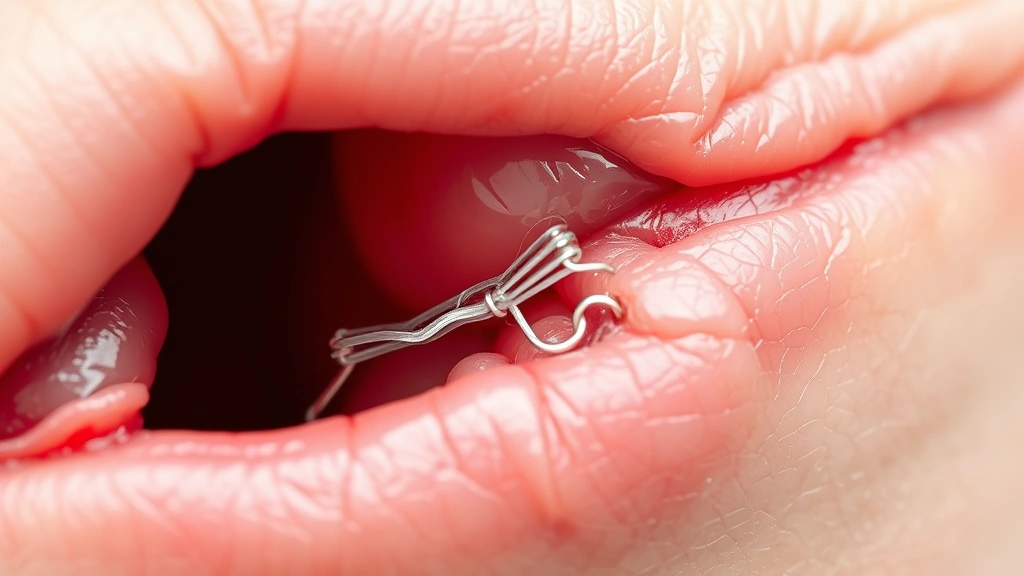
If you’re wondering how long for dissolvable stitches to dissolve, the answer typically ranges from 2 to 10 weeks, depending on the type of stitch material, wound location, and your body’s healing response. Unlike traditional stitches that require removal, dissolvable stitches—also called absorbable sutures—break down naturally as your body heals. Understanding this timeline helps you know what to expect during recovery and when to contact your healthcare provider if something seems off.
Table of Contents
What Are Dissolvable Stitches?
Dissolvable stitches are made from materials that your body naturally breaks down and absorbs over time. Unlike regular nylon or silk stitches that stay in place until removed, these absorbable sutures don’t require a follow-up appointment to take them out. Surgeons and doctors love them because they reduce the need for stitch removal visits and minimize scarring in many cases.
The most common absorbable materials include catgut (made from animal intestines), synthetic polymers like polydioxanone, and other lab-created compounds. Each type dissolves at a different rate, which is why your surgeon chooses specific materials based on your wound and healing needs.
Dissolution Timeline by Type
The dissolution timeline for dissolvable stitches varies significantly based on material composition. Here’s what you’re likely dealing with:
Fast-Dissolving Stitches (2-3 weeks): These typically use plain catgut or synthetic materials designed for quick absorption. You’ll find these in areas with fast healing, like facial wounds or minor lacerations. The stitches start breaking down almost immediately and are usually gone within 21 days.
Standard Stitches (4-6 weeks): Most common surgical procedures use this type. Materials like chromic catgut or synthetic polymers maintain strength for about a month before gradually dissolving. This timing allows wounds to gain sufficient strength before the stitches completely disappear.
Long-Lasting Stitches (8-10+ weeks): Deep tissue repairs and major surgeries often require stitches that stick around longer. Polydioxanone (PDS) and similar materials can take 8-10 weeks or even several months to fully dissolve, depending on how deep the stitches are placed.
According to Family Handyman’s health section, understanding your specific stitch type helps you manage expectations during recovery.
Factors Affecting Dissolution Speed
Your body isn’t a machine—it heals at its own pace. Several factors influence how quickly dissolvable stitches actually dissolve:
Age and Metabolism: Younger people generally heal faster, meaning their stitches dissolve quicker. If you’re older or have a slower metabolism, expect the process to take longer.
Infection Risk: Any infection at the wound site slows healing dramatically. If bacteria colonize the area, your body’s immune response gets distracted fighting infection instead of breaking down stitches efficiently.
Nutrition and Overall Health: Your body needs protein, vitamin C, and zinc to heal properly. Poor nutrition means slower stitch dissolution. Chronic conditions like diabetes also impact healing timelines significantly.
Moisture and Environment: Stitches in moist areas (like inside the mouth) dissolve faster than those in dry areas. This is why oral stitches often disappear within 2-3 weeks while abdominal stitches take longer.
Physical Activity: Strenuous activity puts stress on healing wounds, potentially slowing the dissolution process and increasing infection risk. Rest accelerates healing.

Wound Location Matters
Where the stitches are placed dramatically affects how long they last. Your mouth heals incredibly fast due to excellent blood flow, so oral stitches typically dissolve in 2-3 weeks. Facial wounds benefit from similar blood flow, resulting in faster dissolution—usually 3-4 weeks.
The scalp and extremities heal more slowly. Stitches on your arms, legs, or head might take 4-6 weeks to fully dissolve. Deep abdominal or chest stitches can take 8-10 weeks or longer because they’re working deeper in the tissue where blood flow is less robust.
Internal stitches (like those used during C-sections or major surgery) take the longest because they’re placed where your body’s healing processes work more slowly. These might not fully dissolve for 3-4 months.
Signs Something’s Wrong
Most of the time, dissolvable stitches do exactly what they’re supposed to do. But watch for warning signs that something isn’t right:
Excessive Redness or Warmth: If the area around your stitches becomes increasingly red, hot to the touch, or swollen beyond the first few days, you might have an infection. Don’t wait—contact your doctor.
Discharge or Pus: Clear or slightly bloody ooze during the first few days is normal. Yellow or greenish discharge indicates infection and requires immediate attention.
Stitches Not Dissolving: If it’s been 12 weeks and your stitches are still clearly visible and intact, something’s off. Some stitches can persist longer, but extended presence might mean your body isn’t breaking them down properly.
Increased Pain: Pain should decrease each day. If it suddenly worsens after improving, that’s a red flag for complications.
Separation or Opening: If the wound edges separate or the incision opens, seek medical care immediately. This compromises healing and increases infection risk.
Care During the Healing Process
You can’t speed up stitch dissolution, but you can create optimal conditions for healing. Keep the wound clean and dry—wash gently with mild soap and water, then pat dry. Avoid soaking the wound in bathtubs for extended periods while stitches are present.
Follow your surgeon’s wound care instructions religiously. Some wounds need antibiotic ointment; others need to stay dry. Don’t pick at dissolving stitches or try to remove them yourself—they’ll come out naturally.
Protect the wound from direct sunlight and trauma. Wear appropriate clothing to shield the area, and avoid activities that put stress on the healing tissue. This Old House’s wellness guide recommends proper wound protection during active recovery phases.
Eat well and stay hydrated. Your body needs fuel to heal. Focus on protein-rich foods, fruits, vegetables, and adequate water intake. If you’re taking medications, follow dosages exactly as prescribed.
When to Contact Your Doctor
Don’t tough it out if something feels wrong. Contact your healthcare provider immediately if you notice signs of infection, excessive pain, or wound separation. Call if stitches are still present after the expected dissolution timeline has passed by several weeks.
Reach out if you develop an allergic reaction—some people react to absorbable materials, causing itching, redness, or swelling beyond normal healing response. If you notice the stitches pulling through the skin or causing unusual discomfort, that’s also worth a call.
Don’t hesitate to ask your surgeon for specific timeline expectations before leaving the operating room or clinic. They know exactly what materials they used and can give you personalized estimates based on your wound and health status.
According to Bob Vila’s home health resources, knowing when to seek help prevents minor issues from becoming major complications.
Frequently Asked Questions
Can dissolvable stitches stay in too long?
Yes, occasionally. If stitches don’t dissolve within a reasonable timeframe (typically 2-3 months depending on type), they can become encapsulated by your body or cause irritation. This is rare but requires medical attention if it happens.
What happens if you swim with dissolvable stitches?
Most surgeons recommend avoiding swimming or soaking wounds while stitches are present. Chlorinated pools, salt water, and prolonged moisture increase infection risk. Wait until your doctor gives the all-clear before swimming.
Do dissolvable stitches hurt when they dissolve?
You shouldn’t feel pain as stitches dissolve. You might notice slight itching or a pulling sensation as the material breaks down, but significant pain isn’t normal and warrants a doctor’s call.
Why are my dissolvable stitches still visible after 6 weeks?
Depending on stitch type and location, this can be normal. Some stitches remain visible for 8-10 weeks before fully dissolving. However, if they’re causing problems or you’re concerned, ask your doctor for an evaluation.
Can you remove dissolvable stitches yourself?
Never. Attempting self-removal risks infection, improper wound closure, and increased scarring. Let them dissolve naturally or have a medical professional remove them if necessary.
How do dissolvable stitches dissolve in the body?
Your body’s immune system and natural enzymes gradually break down the stitch material. White blood cells and macrophages attack the foreign material, breaking it into smaller pieces your body can absorb and eliminate through normal metabolic processes.
The Bottom Line
Understanding how long for dissolvable stitches to dissolve helps you manage expectations and recognize when something needs medical attention. Most dissolvable stitches take 2-10 weeks to fully dissolve, depending on material type, wound location, and your individual healing response. Keep the wound clean, follow your surgeon’s instructions, eat well, and resist the urge to pick at stitches. If you notice signs of infection, excessive pain, or delayed dissolution, contact your healthcare provider promptly. Your body’s natural healing process is remarkable—give it the support it needs, and those stitches will disappear right on schedule.
For more information on medical recovery and health management, check out resources like Family Handyman, and don’t hesitate to reach out to your healthcare team with questions specific to your situation.


