
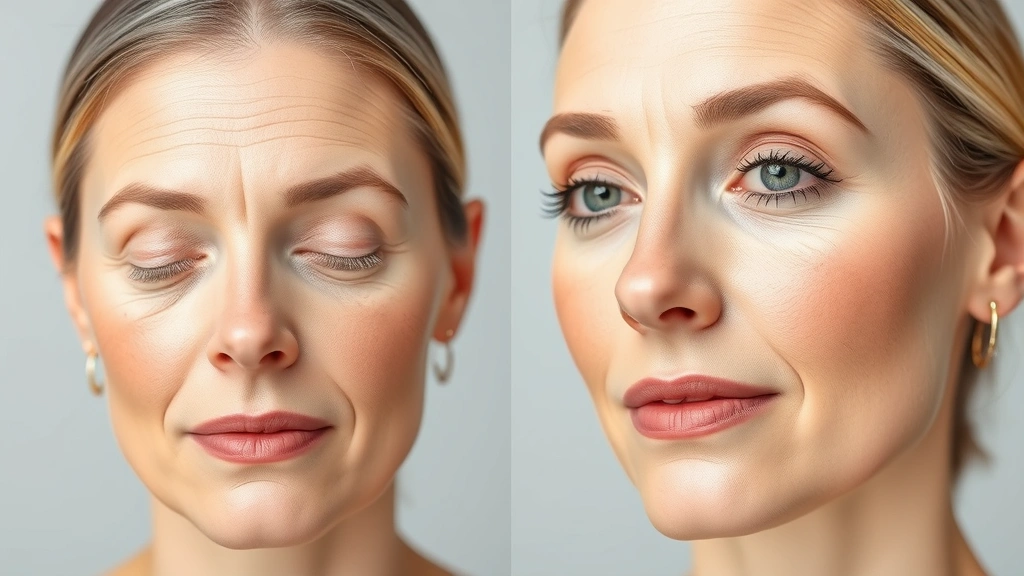
So you’re wondering how long for botox to work? You’re not alone—this is one of the most common questions people ask before getting their first injection. The short answer: results typically start showing up within 3-7 days, but the full magic takes about two weeks. But there’s way more to understand about the timeline, what to expect, and how to get the best results.
Table of Contents
The Real Timeline Expectations
Let’s be real—botox doesn’t work like flipping a light switch. It’s more like a dimmer that gradually gets turned down. When you walk out of your practitioner’s office, you won’t look dramatically different. Your face will look… well, like your face. That’s actually the goal with good botox work.
The botulinum toxin needs time to bind to nerve endings and block the signals that make muscles contract. This biological process doesn’t happen instantly. Most people notice the first subtle softening of lines around day three or four, but it’s usually so subtle that only you’ll notice it. By day seven, the changes become more apparent—those forehead lines aren’t as deep, your crow’s feet are less pronounced, and you might catch yourself looking in the mirror more often than usual.
Here’s the thing: patience is your friend here. The temptation to think “it’s not working” hits hard around day five or six when changes are still minimal. Resist that urge to call your practitioner demanding more units. You’re still in the early phase of the timeline.
What Happens in Week One
During those first seven days, your body is doing the heavy lifting. The botulinum toxin molecules are traveling through the tissue and attaching to acetylcholine receptors at the neuromuscular junction. This is pure biology—nothing you do will speed this up significantly, though we’ll talk about some smart strategies later.
Most people report that by day five or six, they start catching themselves in the mirror and thinking “wait, is that softer?” It’s that “did I imagine that or is something actually happening” phase. Some folks experience mild redness or slight swelling at injection sites, but this usually disappears within hours.
One thing to watch during week one: avoid aggressive facial massages, intense heat (like saunas or hot yoga), and strenuous exercise for at least 24 hours post-injection. These activities can increase blood flow and potentially spread the botulinum toxin to unintended areas. You want that stuff staying exactly where your practitioner put it.
The Two-Week Sweet Spot
Day 14 is when most people see genuinely noticeable results. This is when how long for botox to work transitions from theoretical to real. Your dynamic wrinkles—the ones that form when you make expressions—are noticeably softer. That deep forehead crease when you furrow your brow? Significantly reduced. Your crow’s feet when you smile? Much less dramatic.
At this two-week mark, many practitioners schedule a follow-up appointment. This is your chance to assess the results and potentially add a touch-up if needed. Some practitioners include this in their initial cost; others charge a small fee. It’s worth asking about their touch-up policy upfront.
The two-week timeline is important because it’s when you can accurately judge whether you got the right amount of product for your face. Some people find they want slightly more in certain areas; others realize their practitioner nailed it on the first try.
When You Hit Full Results
Full, maximum results typically appear between days 10-14, though some sources cite up to day 21 for complete settling. By week three, you’re definitely at peak effectiveness. This is when your face has fully adapted to the reduced muscle movement, and you’re seeing the ultimate smoothing effect.
At full results, you should notice: significantly softened dynamic wrinkles, a smoother forehead, reduced crow’s feet, softened frown lines between the brows, and an overall more refreshed appearance. The key word here is “softened”—good botox isn’t supposed to make you look frozen or unable to move your face. If you can’t raise your eyebrows at all or can’t frown, you either got too much product or it was placed incorrectly.
Full results last about three to four months for most people. Some lucky folks get four to five months, while others might see results fading around the 10-week mark. This varies based on metabolism, muscle mass, and how much you use those facial muscles.
Factors That Affect Speed
Not everyone’s timeline is identical. Several factors influence how quickly botox works for you personally.
Your metabolism: People with faster metabolisms might see results slightly faster but also might need touch-ups sooner. Your body is essentially processing everything quicker, including the botulinum toxin.
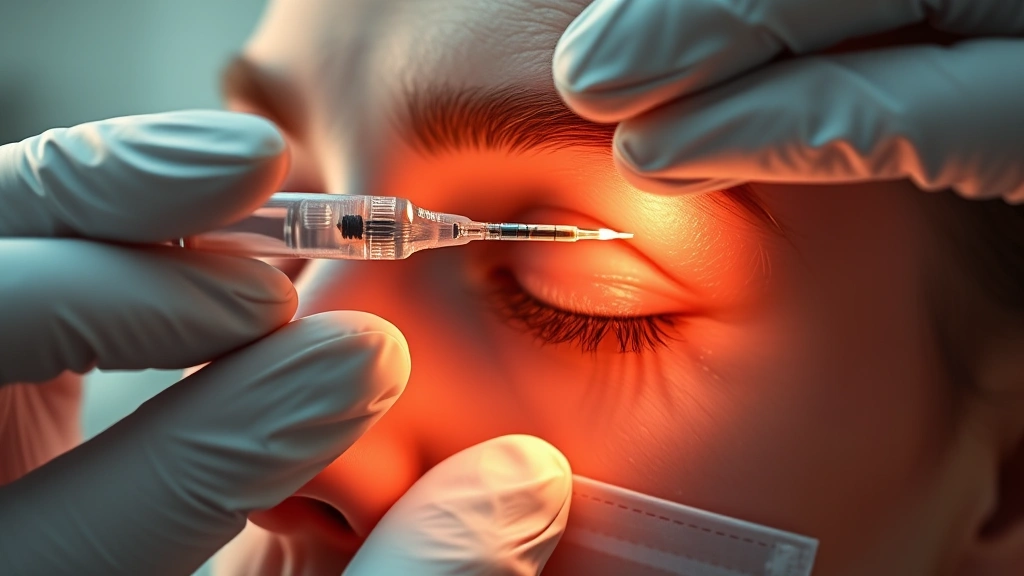
Muscle mass: If you have particularly strong facial muscles (some people are just naturally expressive), you might need slightly more product and might see results take a few extra days. Conversely, people with lighter muscle tone might see results faster.
Previous botox experience: If this is your first time, your body might take a few extra days to respond. If you’re a regular, your muscles already “know” how to respond, and you might see results by day three or four.
Injection technique: A skilled practitioner who knows exactly where to place each unit will see better and faster results than someone less experienced. This is why choosing a board-certified dermatologist or plastic surgeon matters.
Dosage: The amount of botox you receive affects the timeline slightly. Higher doses might show results marginally faster, but this also increases the risk of looking overdone.
Your Maintenance Schedule
Once you hit that three to four-month mark, you’ll notice your expressions starting to return gradually. Your forehead lines will slowly deepen again, your crow’s feet will become more apparent, and you’ll catch yourself furrowing your brow more easily. This is completely normal—the botulinum toxin is being metabolized by your body.
Most people schedule their next appointment around the 12-week mark, before results completely fade. Some prefer to wait until they really notice the lines returning, while others prefer the consistency of sticking to a regular schedule. Both approaches work fine.
Here’s a pro tip: if you schedule your next appointment before your current results fade completely, you might maintain results with slightly less product each time. Your muscles never fully “wake up,” so they need less to keep them relaxed. This can actually save you money long-term.
Common Misconceptions Debunked
“It works immediately.” Nope. If someone tells you botox works instantly, they’re either lying or you’re experiencing placebo effect. It takes time.
“More product = faster results.” False. More product just means more potential for side effects and an overdone appearance. The timeline is determined by biology, not dosage.
“You have to keep getting it or you’ll look worse.” This is the biggest myth. If you stop getting botox, your muscles will gradually regain their function, and you’ll return to your baseline appearance. You won’t suddenly have deeper wrinkles than before.
“All botox is the same.” There are different brands (Botox, Dysport, Xeomin), and they have slightly different onset times and durations. Dysport, for example, sometimes shows results slightly faster than Botox.
Tips for Maximizing Results
Want to optimize your botox timeline and results? Here are some practical strategies that actually work.
Stay hydrated: Drink plenty of water after your injection. Hydration supports the healing process and helps your body metabolize the botulinum toxin efficiently. Aim for at least eight glasses daily.
Avoid blood thinners: For at least 24 hours before and after injection, skip aspirin, ibuprofen, and other blood thinners. These can increase bruising and swelling. If you need pain relief, acetaminophen is your friend.
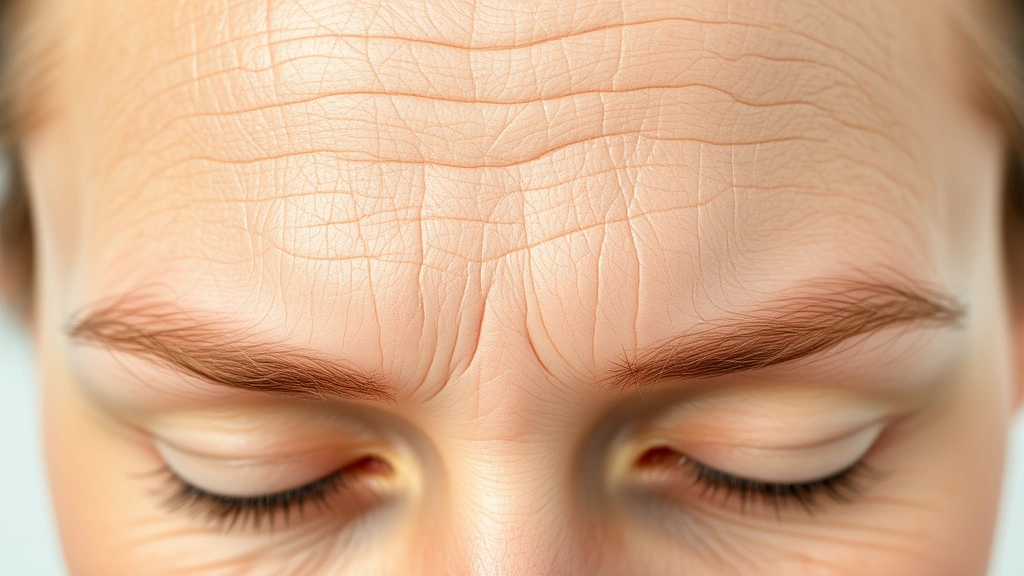
Don’t exercise hard for 24 hours: Intense workouts increase blood flow and can disperse the product. Light walking is fine; CrossFit is not.
Sleep on your back: For the first night after injection, try to sleep on your back. This prevents pressure on the injection sites.
Use sunscreen: UV damage can accelerate wrinkle formation, which works against what botox is trying to accomplish. Daily SPF 30+ is non-negotiable.
Manage stress: Chronic stress and tension can make your facial muscles work harder, potentially reducing botox effectiveness. Consider meditation, yoga, or whatever stress management works for you.
For more insights on timing and preparation, check out this helpful guide on how timing works in digital systems, which teaches you about patience in processes. You might also find it useful to understand how long to steam broccoli as a metaphor for proper timing in all things—botox included.
Frequently Asked Questions
Can I speed up how long for botox to work?
Not really. The biological process takes what it takes. However, staying hydrated, avoiding blood thinners, and not exercising intensely for 24 hours might help slightly. Your practitioner’s injection technique matters most—choose someone experienced.
What if I don’t see results after two weeks?
Contact your practitioner. You might be a non-responder (rare), the product might have been stored improperly, or the dosage might be too low for your muscle mass. A qualified practitioner will address this during your follow-up appointment.
How long does botox actually last?
Typically three to four months. Some people get five months; others need touch-ups at 10 weeks. This varies individually based on metabolism and muscle mass.
Is it bad to get botox too often?
Getting botox more frequently than every three months isn’t recommended because you risk developing antibodies that make the product less effective. Stick to the standard timeline unless your practitioner advises otherwise.
Does botox hurt?
Most people describe it as a quick pinch. The needle is very fine, and the injection takes seconds. If your practitioner is skilled, discomfort is minimal. Some practitioners use topical numbing cream to reduce sensation further.
Can I wear makeup after botox?
Most practitioners recommend waiting at least four hours before applying makeup to avoid introducing bacteria to the injection sites. After that, gentle application is fine.
What’s the difference between botox and fillers?
Botox relaxes muscles to reduce dynamic wrinkles. Fillers add volume to address static wrinkles and loss of facial fullness. They work differently and on different types of wrinkles. Many people use both.
The Bottom Line
Understanding how long for botox to work helps you set realistic expectations and avoid disappointment. You’re looking at a three to seven-day timeline for initial subtle changes, two weeks for genuinely noticeable results, and up to three weeks for maximum effectiveness. This isn’t a quick fix—it’s a gradual, natural-looking improvement that respects your face’s biology.
Choose a board-certified practitioner, follow post-injection care instructions, and be patient. The wait is worth it. And remember, good botox is invisible in the sense that people won’t say “wow, you got botox.” They’ll say “you look refreshed.” That’s the goal. If you want to learn more about other timing-related processes, understanding conversions and measurements can help you think about precise dosing, and learning about digital health checks reminds you that maintenance matters in all areas of life.


