
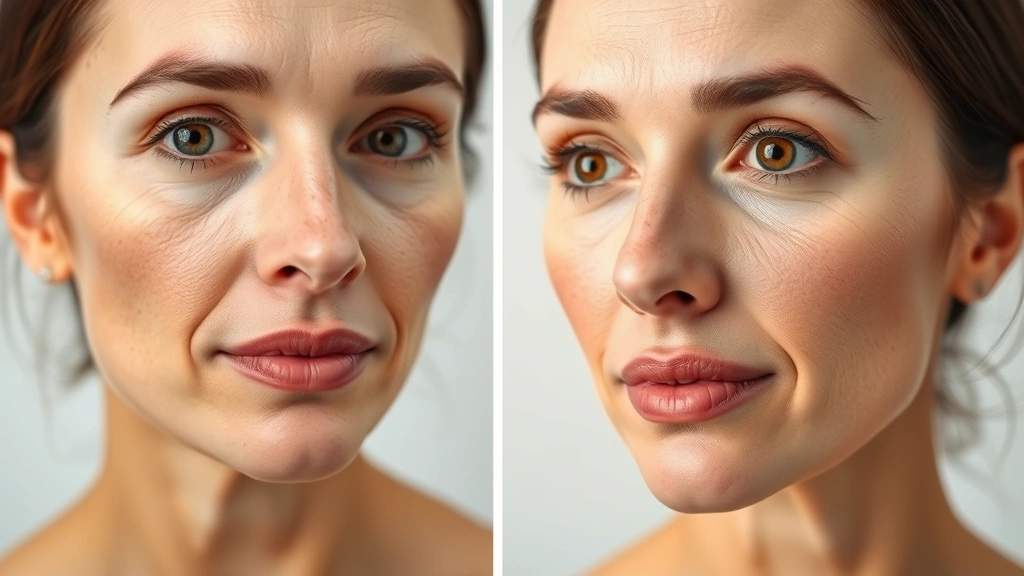
How long does tretinoin take to work? That’s the million-dollar question everyone asks when they start this powerful retinoid. Here’s the straight answer: you’re looking at 6-12 weeks for noticeable improvements, but the real magic happens over 3-6 months. Some folks see results in 4 weeks, others need patience until month four. It’s not like flipping a light switch—tretinoin rewires your skin cell turnover at the molecular level, and that takes time.
Table of Contents
The Real Tretinoin Timeline
Let’s be real: tretinoin isn’t a quick fix. This prescription retinoid works by increasing cell turnover and boosting collagen production, but your skin doesn’t reorganize overnight. The timeline breaks down like this: weeks 1-4 are your adjustment period, weeks 5-12 show initial improvements, and months 4-6 deliver the heavy hitters. By month 6-12, you’re looking at transformative results if you’ve stuck with it.
The reason it takes this long is biological. Tretinoin doesn’t just surface-level exfoliate—it penetrates the dermis and tells your fibroblasts to crank up collagen production. That’s a slow, methodical process. Your skin cells have a natural cycle, and you need to complete multiple cycles before the cumulative effects become obvious. Think of it like compound interest for your skin: small daily improvements stack into major results.
What Happens First Month
Week one through four is the “honeymoon period” that quickly turns into the “adjustment hell” phase. Many people experience what’s called the retinization period—increased dryness, mild irritation, and sometimes temporary breakouts. This is normal. Your skin is adjusting to increased cell turnover, and dead skin cells are being pushed to the surface faster than usual.
During this first month, don’t expect visible improvements yet. You might notice your skin feels different—possibly drier or slightly textured. Some people see a slight reduction in oiliness if they’re acne-prone. The key here is establishing a routine that minimizes irritation. Most dermatologists recommend starting with the lowest concentration (0.025%) and the lowest frequency (2-3 times weekly) to let your skin adapt. This is when understanding how long does it take for the antibiotics to work becomes relevant if you’re combining tretinoin with oral antibiotics for acne—timing matters.
Months Two & Three Changes
By week 5-8, you’ll start noticing real changes. Fine lines become less pronounced. Your skin texture improves noticeably—roughness smooths out, pores appear smaller, and that overall “glow” starts showing up. Acne-prone skin usually sees a 20-30% improvement in breakouts by this point. Hyperpigmentation begins fading, though this is the slowest benefit to achieve.
Months two and three are when people get excited and push too hard. They increase frequency or concentration too quickly, which backfires. Stick with your established routine. The retinization process is still happening—your skin barrier is still adapting. Many people make the mistake of thinking “more is better” and end up with compromised skin barriers, increased sensitivity, and actually slower results.
By month three, you should be able to increase frequency slightly if your skin has tolerated the initial dose well. Some people move from 2x weekly to 3x weekly. Others bump up from 0.025% to 0.05%. But do this gradually, over weeks, not days.
Three to Six Month Results
This is where tretinoin earns its reputation. Months 3-6 deliver the transformative results people talk about. Fine lines are noticeably reduced. Deeper wrinkles show improvement (though they won’t disappear completely). Acne improves by 40-60% for most people. Dark spots fade significantly. Your skin texture becomes noticeably smoother and more refined.
Collagen remodeling is in full swing now. Your skin looks plumper, firmer, and more youthful. The benefits compound because you’ve completed multiple skin cell cycles. If you started at 0.025%, you might now be at 0.05% or even 0.1%, depending on your tolerance and goals.
This is also when people often see the best results for treating melasma and post-inflammatory hyperpigmentation. However, hyperpigmentation is the slowest benefit—some people need 6-12 months for significant fading. Patience is critical here.
Understanding Retinization
Retinization is the adaptation period your skin goes through when starting tretinoin. It’s not a single event—it’s a process that unfolds over 8-12 weeks. During this time, your skin experiences increased sensitivity, dryness, and sometimes irritation. This is your skin adjusting to accelerated cell turnover and increased collagen production.
The retinization process involves several changes happening simultaneously. Your skin barrier is being remodeled. Desquamation (shedding of dead skin cells) increases dramatically. Your skin becomes more sensitive to other actives and environmental stressors. Many people experience temporary breakouts as congestion comes to the surface. This is purging, not a sign that tretinoin isn’t working—it’s actually a sign it IS working.
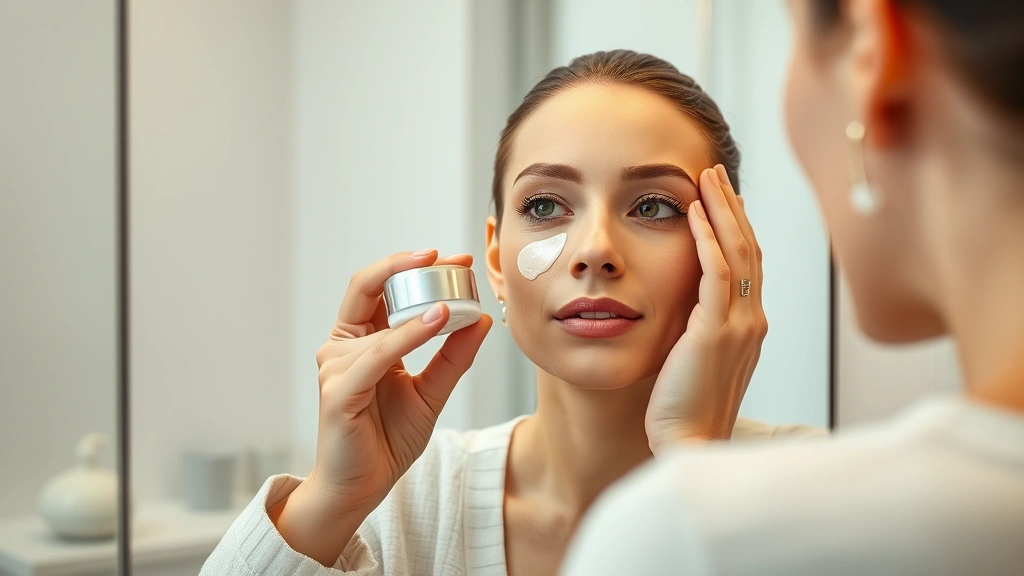
The key to managing retinization is supporting your skin barrier. Use a good moisturizer, avoid other potentially irritating ingredients, wear SPF daily (tretinoin increases sun sensitivity), and resist the urge to “help” the process along with extra exfoliation or actives. Your skin needs calm, consistent support during this phase.
Factors That Affect Speed
Not everyone’s timeline is identical. Several factors influence how quickly you’ll see results. Tretinoin concentration matters significantly—0.025% takes longer to show results than 0.1%, but 0.1% also comes with more irritation risk. Frequency matters too. Using it 5 nights weekly produces faster results than 2 nights weekly, but again, irritation risk increases.
Your starting skin condition affects the timeline. Someone with severe acne might see dramatic improvements by month 2, while someone using tretinoin for anti-aging might need 4-6 months. Age plays a role—younger skin often responds faster to tretinoin, though older skin also responds well, just sometimes more slowly. Skin barrier health matters—if you start with a compromised barrier, the timeline extends because you’ll need to go slower.
Your skincare routine supports or hinders the timeline. Using harsh cleansers, skipping moisturizer, or combining tretinoin with other irritating actives slows progress and increases side effects. Consistency is huge—missing doses delays results. Using it sporadically means your skin never fully adapts, and you’ll experience more irritation without the benefits.
Sun exposure directly impacts results. Tretinoin increases photosensitivity, meaning UV damage accelerates. If you’re not using SPF 30+ daily, you’re actively working against tretinoin’s benefits and potentially causing more damage than improvement. Diet, sleep, and stress influence skin health too—tretinoin works best when your overall health supports it.
Common Timeline Mistakes
The biggest mistake people make is expecting results too fast and abandoning tretinoin at 4-6 weeks. They see some dryness and irritation, minimal visible improvement yet, and think it’s not working. Then they quit right before the magic happens. Tretinoin needs 8-12 weeks minimum to show meaningful results for most people.
The second mistake is increasing too aggressively. Someone starts 0.025% twice weekly, and by week 3 they’re using 0.1% nightly because they’re impatient. This backfires spectacularly. You get severe irritation, compromised skin barrier, and actually slower overall progress because you’re dealing with damage control instead of continued improvement.
Third mistake: combining tretinoin with too many other actives. Vitamin C serums, AHAs, BHAs, niacinamide—all fine eventually, but not during retinization. Your skin can only handle so much, and overloading it means either irritation or reduced tretinoin efficacy because your barrier is overwhelmed.
Fourth mistake: inconsistency. Using tretinoin sporadically—3 times one week, once the next week—means your skin never fully adapts. You experience irritation without the cumulative benefits. Consistency matters more than frequency. 2 times weekly, every single week, beats 5 times weekly with gaps.
Fifth mistake: ignoring sun protection. This one’s critical. Tretinoin increases UV sensitivity, so skipping sunscreen doesn’t just reduce results—it actively causes damage. You’re literally undoing tretinoin’s work while also increasing skin cancer risk.
Different Skin Concerns Timeline
The timeline varies depending on what you’re treating. For acne, you typically see 20-30% improvement by 6 weeks, 40-60% by 3 months, and 70-80% by 6 months. Some people get even better results by month 9-12. Hormonal acne responds a bit slower than bacterial acne.
For fine lines and wrinkles, the timeline is longer. Fine lines start improving around 8-12 weeks. Moderate wrinkles show improvement by 3-4 months. Deep wrinkles improve slowly—you might need 6-12 months to see significant change, and some deep wrinkles won’t disappear completely (but they’ll be noticeably better). Tretinoin can’t completely erase deep wrinkles, but it can reduce them by 30-50%.
For hyperpigmentation and dark spots, expect the slowest timeline. Surface-level spots might fade in 2-3 months. Deeper melasma or post-inflammatory hyperpigmentation takes 6-12 months or longer. Some people need combination treatments (like hydroquinone) alongside tretinoin for faster results.
For texture and large pores, you see improvement starting around 6-8 weeks, with significant improvement by 3 months. Pores don’t actually shrink, but they appear smaller as skin becomes smoother and collagen increases.
Reaching Maintenance Phase
After 3-6 months, most people reach a “maintenance phase” where they’ve achieved their goals and now use tretinoin to maintain results. This usually means reducing frequency slightly—maybe from 4 nights weekly to 3 nights weekly. Some people stay at their effective dose indefinitely. Others find they can reduce concentration after reaching goals.
The maintenance phase is where tretinoin becomes part of your routine rather than an active treatment. You’re not chasing new improvements—you’re preventing regression and continuing slow, incremental improvements. Many people stay on tretinoin long-term because the benefits are worth the commitment, and the irritation decreases significantly once retinization is complete.
Maintenance doesn’t mean you can become careless. You still need good skincare, SPF daily, and consistency. But the intensity of the routine can relax once you’ve adapted. Your skin barrier is stronger, your tolerance is higher, and you understand what works for you.
Frequently Asked Questions
Can tretinoin work faster if I use it every night?
Not really, and it’s risky. Using tretinoin every night from the start usually causes excessive irritation, which can damage your skin barrier and actually slow progress. Starting low and going slow—2-3 times weekly initially—produces better long-term results than aggressive daily use. You can increase frequency gradually after 4-6 weeks if your skin tolerates it well.
Why am I breaking out more after starting tretinoin?
That’s likely purging, not tretinoin making your acne worse. Tretinoin increases cell turnover dramatically, pushing congestion to the surface faster. This temporary breakout usually lasts 2-4 weeks and is actually a sign tretinoin is working. However, if breakouts continue beyond 6 weeks and are worsening, talk to your dermatologist—it might indicate the concentration is too strong for your skin.
Is 6 weeks too early to give up on tretinoin?
Yes. Six weeks is right in the middle of retinization. Most dermatologists recommend 8-12 weeks minimum before evaluating whether tretinoin is working. Meaningful improvements take longer. Give it at least 12 weeks before deciding it’s not for you.
Does tretinoin work better for younger or older skin?
Both respond well, just differently. Younger skin often shows acne improvement faster (4-6 weeks). Older skin shows anti-aging benefits, but sometimes more slowly (8-12 weeks for fine lines). Age isn’t a barrier to tretinoin success—consistency and patience matter more.
Can I speed up tretinoin results with other treatments?
Not during retinization. Adding other actives usually just causes irritation and slows progress. After you’re fully adapted (3+ months), you can carefully add complementary treatments like hydroquinone for hyperpigmentation or vitamin C for brightening. But during the first 8-12 weeks, keep it simple—tretinoin, moisturizer, and SPF.
What if I miss doses of tretinoin?
Occasional missed doses aren’t catastrophic, but consistency matters. Missing doses regularly means your skin never fully adapts, and you experience more irritation without the cumulative benefits. If you miss a dose, just resume your normal schedule the next time—don’t double up.
How long before tretinoin stops working?
Tretinoin doesn’t really “stop working” if you maintain consistent use. However, if you stop using it, your skin gradually returns to its pre-tretinoin state over 3-6 months. The collagen improvements persist longer than surface-level benefits, but the anti-aging and acne-fighting effects will fade. That’s why tretinoin is typically a long-term commitment for best results.


