
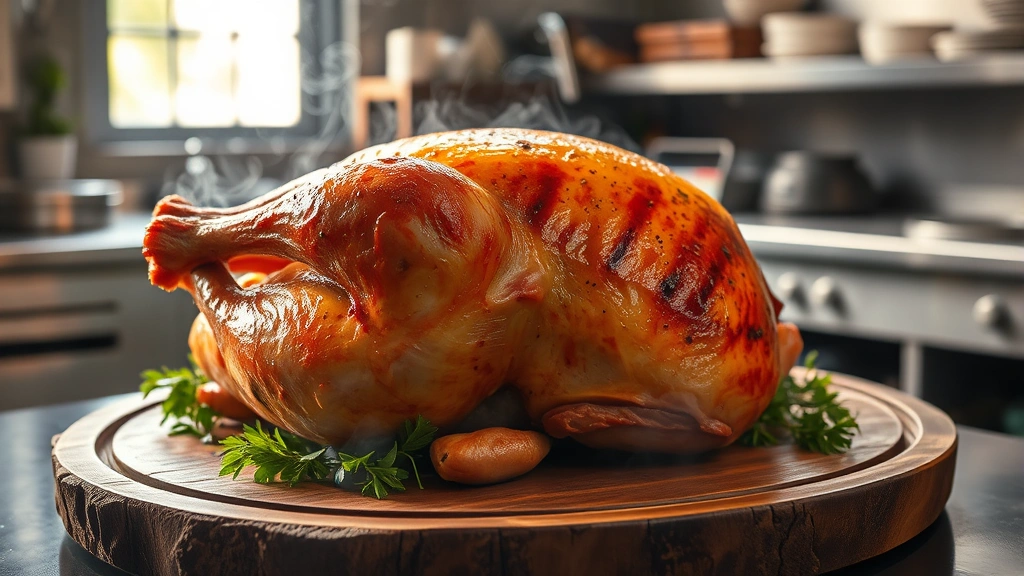
How long does it take to smoke a turkey? That’s the million-dollar question every pitmaster asks before firing up the smoker for the holidays. The short answer: plan on roughly 30 minutes per pound at 225-250°F, but there’s way more to it than that simple math.
Table of Contents
Smoking Time Basics
Let me break this down in the most practical way possible. When you’re smoking a turkey, you’re working with low and slow heat—typically between 225°F and 250°F. At these temperatures, expect to spend roughly 13-15 minutes per pound for a whole bird. So a 12-pound turkey would take approximately 2.5 to 3 hours, while a 16-pound bird might need 3.5 to 4 hours.
Here’s the catch: these are estimates, not guarantees. Every smoker runs differently. Your offset barrel smoker won’t behave the same as your pellet grill or your ceramic kamado. Air flow, insulation, weather conditions, and how often you peek inside all affect your actual smoking time. I’ve seen turkeys finish 30 minutes ahead of schedule and others run 45 minutes behind. That’s why using a reliable meat thermometer is non-negotiable.
Temperature Matters Most
The smoking temperature you choose directly impacts your timeline. At 225°F, you’re looking at the longer end of the spectrum—roughly 15 minutes per pound. Bump it up to 250°F, and you’ll shave off about 2-3 minutes per pound. Some folks run their smokers at 275°F for faster results, which brings you down to about 12-13 minutes per pound.
Don’t go hotter than 275°F if you want that authentic smoked flavor. Higher temperatures cook too fast for the smoke to properly penetrate the meat. You’ll end up with a bird that looks smoked but tastes more like it came out of a regular oven. The whole point of smoking is patience—let that low heat do the heavy lifting.
I recommend sticking with 250°F as your sweet spot. It’s warm enough to keep things moving along, but cool enough that you won’t dry out the turkey. Plus, it gives you a nice safety window if things run long.
Turkey Size Calculations
Turkey size is your primary variable. Let me give you real numbers based on 250°F:
12-pound turkey: 2.5-3 hours
14-pound turkey: 3-3.5 hours
16-pound turkey: 3.5-4 hours
18-pound turkey: 4-4.5 hours
20-pound turkey: 4.5-5 hours
22-pound turkey: 5-5.5 hours
These timeframes assume an unstuffed bird. If you stuff your turkey, add 15-30 minutes to the total time because the stuffing needs to reach 165°F internally, and heat takes longer to penetrate to the center.
Here’s a pro move: if you’re feeding a crowd and worried about timing, split the load. Smoke two 12-pound turkeys instead of one 24-pound monster. They’ll cook faster individually, you’ll have better smoke penetration, and you’ll have more flexibility if one finishes before the other. Plus, you can use the sides like how long to steam green beans to time your sides better.
Preparation Before Smoking
Before you even think about smoking time, you need to prep properly. Remove your turkey from the fridge 30-45 minutes before smoking. A cold bird takes longer to cook, and you want more consistent temperature throughout.
Pat the skin completely dry—moisture is the enemy of crispy skin. Use paper towels and don’t be shy about it. Inject your marinade if you’re using one (I recommend doing this the night before). Season inside and out, and let those flavors sit for at least 2 hours, preferably overnight.
Truss your turkey or leave it loose? This affects airflow and cooking time slightly. A trussed bird cooks a bit slower because the legs are tucked in tight against the body. I prefer leaving it loose for more even cooking and crisper skin all around.
The Stall Phenomenon
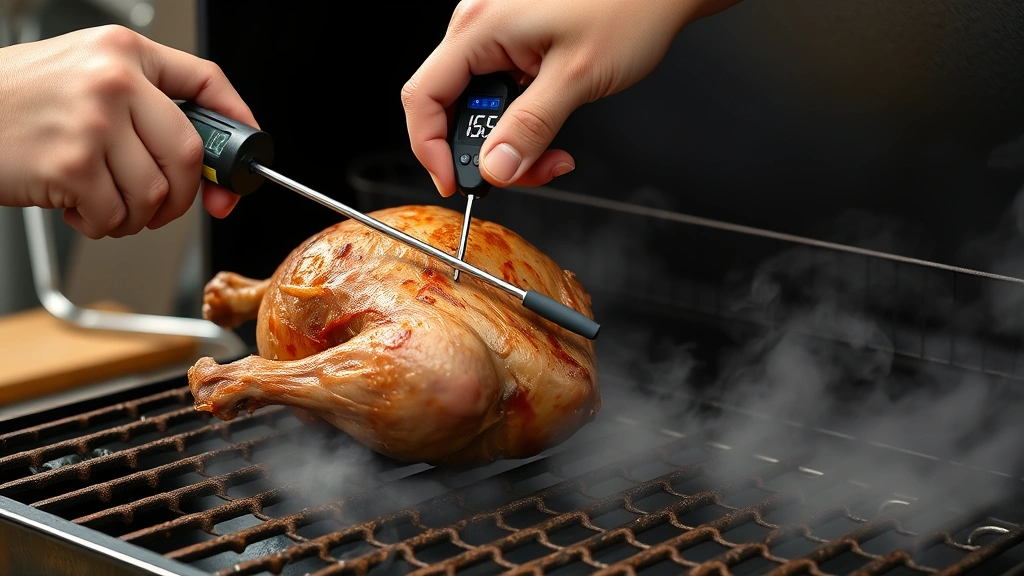
Here’s something that throws people off: the stall. Around 150-160°F internal temperature, your turkey’s temperature will plateau for 30 minutes to an hour. It’s maddening. You’re checking every 15 minutes, and the thermometer isn’t moving. This happens because of evaporative cooling on the meat’s surface.
Don’t panic. Don’t crank up your smoker temperature. The stall is normal and temporary. Some folks wrap their turkey in foil at this point to push through faster—this is called the Texas crutch. If you do this, you’ll lose some of that smoked bark on the outside, but you’ll save 20-30 minutes. It’s a trade-off.
My preference? Push through without wrapping. Yes, it takes longer, but the bark and color are worth the wait. Plan accordingly and start earlier in the day.
Checking for Doneness
Forget about pop-up timers. They’re unreliable and often pop before your turkey is actually done. Use an instant-read meat thermometer instead. Your turkey is done when the thickest part of the thigh reaches 165°F. That’s the food safety standard.
Check the thigh, not the breast. The thigh is the thickest part and takes longest to cook. Once the thigh hits 165°F, your turkey is safe to eat. The breast will likely be at 160-165°F by then too.
Some folks prefer pulling their turkey at 160°F in the thigh because carryover cooking will bring it to 165°F during resting. This helps keep the breast from drying out. Either way works, but know your preference before you start.
Resting Your Bird
Don’t skip this step. After your turkey comes off the smoker, let it rest for at least 20-30 minutes before carving. This allows the juices to redistribute throughout the meat. If you cut into it immediately, all those juices run out onto your cutting board instead of staying in the turkey.
Wrap it loosely in foil to keep it warm while resting. This resting period also gives you time to finish up your sides and get everything plated. It’s a built-in buffer if you’re running tight on timing.
Troubleshooting Timing Issues
Your turkey is cooking too fast? Drop your smoker temperature by 25°F and relax. Faster isn’t better. You want that smoke flavor, and that takes time.
Your turkey is cooking too slow? Check your thermometer calibration first. An off thermometer can throw your whole timeline out the window. If your smoker temp is actually running 20°F cooler than you think, everything takes longer. Invest in a reliable dual-probe thermometer—one for the smoker, one for the meat.
Running behind schedule? You have options. Increase smoker temperature to 275°F for the final hour. Wrap the turkey in foil to speed things up. Or accept that dinner runs 30 minutes late—your guests will survive. A perfectly smoked turkey is worth the wait.
Pro Tips for Success
Plan for the worst-case scenario. If your math says 4 hours, plan for 4.5 hours. You’d rather finish early than scramble at the last minute.
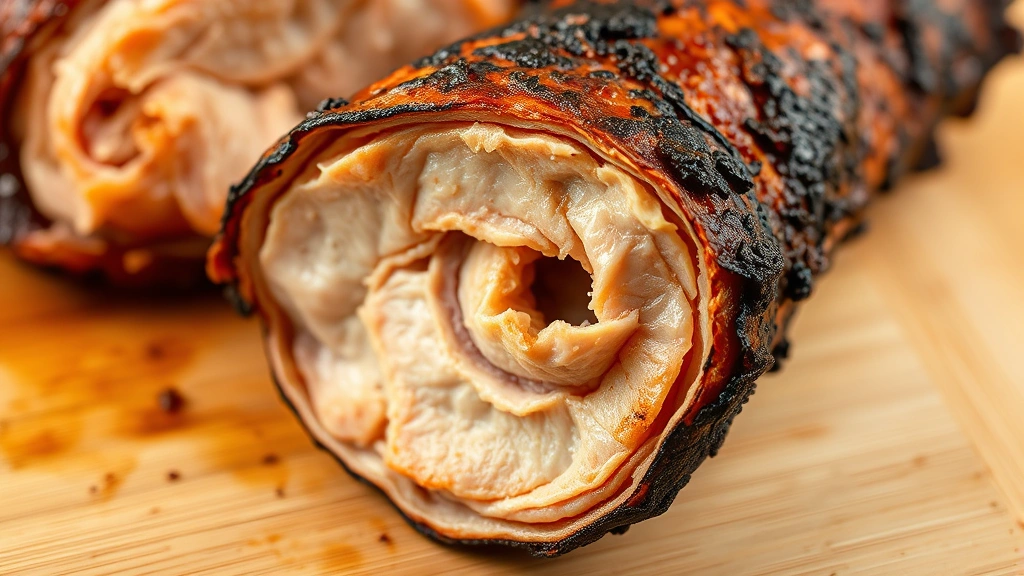
Use a reliable thermometer. Get a quality dual-probe model. Cheap thermometers are worse than useless—they’re misleading. Spend $30-50 on something that works.
Maintain consistent smoker temperature. Fluctuations add time. Invest in a good smoker or learn your equipment inside and out. Know where the hot spots are and how to manage airflow.
Start early. If you’re serving dinner at 6 PM and your turkey takes 4 hours, you need to start at 1 PM. Add 30 minutes for prep, 30 minutes for resting, and you’re starting at noon. Plan backwards from your target dinner time.
Prepare sides that don’t need the oven. Since your smoker’s running, make sides on the stovetop or use high fiber three ingredient snack recipes as inspiration for prep-ahead options. This eliminates the oven bottleneck.
Keep the smoker closed. Every time you open it to peek, you’re adding 10-15 minutes to your cooking time. Resist the urge. Use your thermometer probe to check temps without opening the door.
For more detailed prep work, check out resources like Family Handyman for comprehensive holiday cooking guides.
Frequently Asked Questions
Can I smoke a turkey overnight?
Yes, but it’s risky from a food safety standpoint. The USDA recommends keeping poultry in the danger zone (40-140°F) for no more than 2 hours. If you want to smoke overnight, use a cold smoker that keeps temperatures below 90°F, and plan to finish cooking the next day. Most home smokers get too hot for true cold smoking. Stick to daytime smoking for safety.
What if my turkey finishes too early?
Wrap it in foil and place it in a 200°F oven to keep warm. It’ll hold temperature for up to an hour without drying out. This is actually a great scenario—you can relax and finish other prep work.
Should I brine my turkey before smoking?
Brining adds moisture and flavor, but it extends cooking time by 15-20 minutes because the bird starts wetter. If you brine, pat it extra dry before smoking and add 15 minutes to your timeline estimate.
How do I get crispy skin?
Dry skin before smoking, maintain consistent 250°F temperature, and don’t wrap in foil until the final stages. Some folks brush the skin with butter mixed with paprika during the last 30 minutes. Avoid the Texas crutch if crispy skin is your priority.
Can I smoke a frozen turkey?
Not safely. A frozen turkey takes significantly longer to reach safe internal temperature, and the outside might overcook before the inside is done. Thaw your turkey in the fridge for 24 hours per 4-5 pounds. A 16-pound bird needs 3-4 days to thaw properly.
What wood should I use?
Apple, cherry, and hickory are excellent for turkey. Avoid strong woods like mesquite unless you’re mixing them with milder varieties. Use wood chunks rather than chips for longer, slower smoke. Soak your wood for 30 minutes before using, though some pitmasters skip this step.


