
So you’re wondering how long does it take oil paint to dry—and honestly, it’s one of the most important questions any painter needs to ask before diving into a project. Unlike acrylics that dry in minutes, oil paint operates on its own timeline, and understanding that timeline can be the difference between a masterpiece and a muddy mess.
Table of Contents
Oil Paint Drying Timeline
Let’s cut right to it: oil paint typically takes 24 to 48 hours to become touch-dry, meaning you can press your finger against it without leaving a mark. But here’s where it gets tricky—touch-dry doesn’t mean you can paint over it safely or handle it roughly. The actual curing process takes much longer, usually between 3 to 6 months for a standard painting to cure completely through its entire depth.
The initial surface drying happens relatively quickly because the solvents in the paint evaporate. What takes forever is the oxidation process happening beneath the surface. Oil paint doesn’t dry like water-based mediums; it cures through a chemical reaction with oxygen in the air. This is why you’ll sometimes hear old-school painters talk about leaving paintings to cure over the winter—they’re not being dramatic, they’re just respecting the science.
Factors That Affect Drying Time
Not all oil paint dries at the same rate, and that’s where things get interesting for us workshop folks. Several variables play into how quickly your work will be ready for the next layer or to hang on a wall.
The type of oil in your paint matters significantly. Linseed oil (the most common) dries faster than walnut or safflower oil. If you’re using student-grade paint versus professional-grade, you’ll notice differences too. Professional paints often have better pigment-to-binder ratios, which can affect drying times. The color of the paint also plays a role—earth tones and darker colors typically dry faster than light colors like titanium white or cadmium yellow.
Touch Dry vs. Fully Cured
This is where most people get confused, so let’s break it down clearly. Touch-dry means the surface won’t stick to your finger anymore. You can usually achieve this in 24-48 hours under normal conditions. Tack-free is when you can gently place something against it without leaving an impression. That takes about 3-7 days depending on thickness.
Fully cured is the complete oxidation of the paint film all the way through. This is when the paint has reached its final hardness, color stability, and durability. We’re talking weeks to months here. Many professional painters recommend waiting at least 6 months before varnishing a painting, and some old masters waited a year or more.
The practical takeaway? You can paint over a layer after 3-7 days with thin glazes, but thick impasto work might need 2-3 weeks between layers to avoid muddying colors.
Temperature and Humidity Impact
Temperature is your best friend or worst enemy when working with oil paint. Warmer conditions speed up drying—ideally you want your studio between 65-75°F. Below 50°F, drying becomes painfully slow. Above 85°F, you might actually dry the surface too quickly while the interior stays wet, which can cause cracking.
Humidity plays an equally important role. Low humidity (below 40%) actually helps drying because moisture in the air can slow oxidation. High humidity (above 70%) significantly extends drying times. If you’re painting in a basement or damp studio, you’ll notice dramatically slower drying compared to a dry, warm space. This is why so many professional painters prefer working during spring and fall—the humidity is usually moderate.
Here’s a pro tip: if you’re in a humid climate, running a dehumidifier in your studio can cut drying times by 20-30%. It’s one of those small investments that pays dividends when you’re waiting between layers.
Paint Thickness Matters
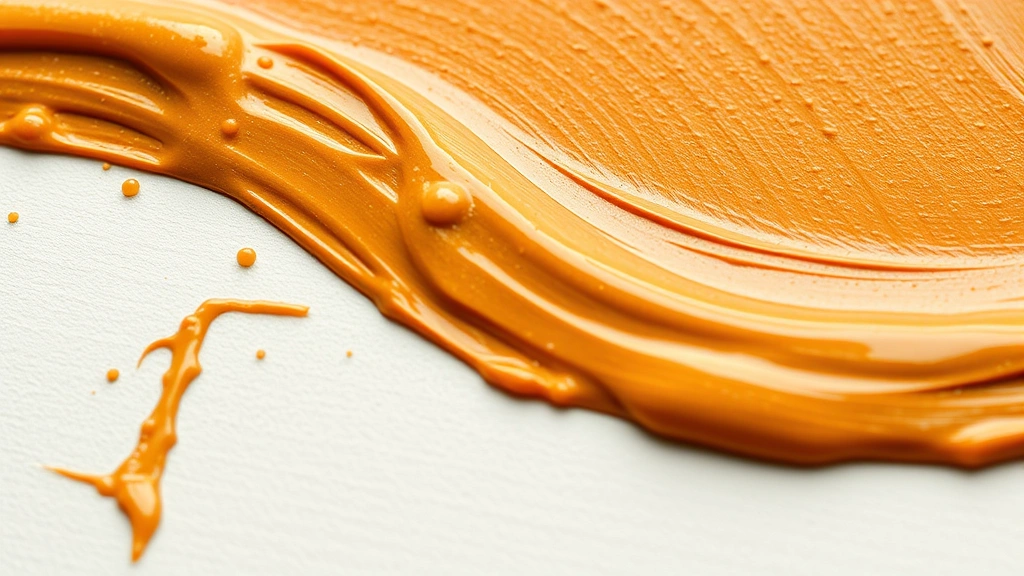
A thin glaze layer might be touch-dry in 12-18 hours. A thick impasto application with heavy paint buildup? You’re looking at 3-5 days before it’s truly touch-dry, and weeks before it’s safe to paint over aggressively.
This is why the old masters used a technique called “fat over lean”—they’d apply thin underpainting layers first, let them cure properly, then build up thicker paint on top. It’s not just tradition; it’s practical chemistry. Thin layers cure faster because there’s less paint depth for oxygen to penetrate.
If you’re doing heavy impasto work, consider using fast-drying mediums mixed into your paint. They won’t change the paint characteristics dramatically, but they’ll speed up that crucial oxidation process.
How to Speed Up Drying Time
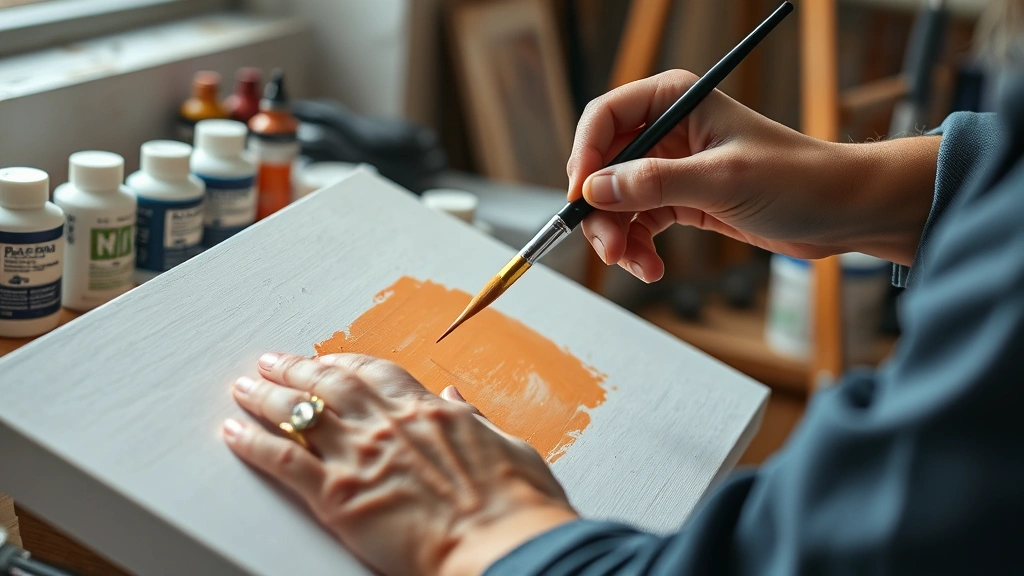
If you’re impatient like most of us, there are legitimate ways to speed things up without compromising your work. First, use a fast-drying medium like Liquin or Alkyds. These aren’t traditional oils, but they work beautifully and can cut drying time to 24 hours or less. Just know that once you go down this road, you’re committed to it for the painting—you can’t mix traditional oils and alkyds arbitrarily.
Increase air circulation with fans, but don’t point them directly at the painting—you want gentle air movement, not aggressive drying. Use a dehumidifier if you’re in a damp climate. Keep your studio warm but not hot. Add a small amount of siccative (drying agent) to your paint—products like Liquin or cobalt drier work well, but use sparingly. Too much can cause cracking and yellowing.
Consider using alkyd primers for your underpainting. They dry much faster than traditional gesso, and oil paint adheres beautifully to them. You can have an underpainting done and ready to glaze over in 24 hours instead of waiting days.
Common Drying Mistakes
Don’t stack wet paintings face-to-face—you’ll ruin both. Store them vertically or use painting racks designed for this purpose. Don’t cover wet paintings with plastic or cloth; you’ll trap moisture and slow drying dramatically. Don’t paint in direct sunlight; it can cause uneven drying and color shifts.
The biggest mistake? Painting over a layer before it’s ready. You’ll muddy your colors and create adhesion problems. If you’re working wet-on-wet (alla prima style), that’s one thing. But if you’re building layers, patience is essential. Many frustrated painters blame their materials when really they just didn’t wait long enough.
Don’t use heat sources like hair dryers or space heaters directly on paintings. Uneven heat causes cracking. Don’t assume white paint dries as fast as earth tones—it doesn’t. Titanium white especially takes longer because of its density and pigment composition.
Ventilation and Studio Setup
Your studio environment is critical for proper drying. Ideally, you want consistent air movement without drafts. A ceiling fan on low speed works beautifully. Windows open slightly (weather permitting) provide natural air exchange. If you’re using solvents like mineral spirits or turpentine, ventilation becomes even more important for health reasons.
Position your wet paintings away from direct sunlight but in a spot with good ambient light and air circulation. A dedicated drying rack or shelf system keeps paintings organized and allows air to reach all surfaces. If you’re serious about painting, consider setting up a designated drying area separate from your main work space—it keeps things organized and prevents accidental smudging.
Dust is another consideration. Oil paint attracts dust particles like a magnet while it’s drying. A clean studio with minimal air disturbance helps prevent this. Some painters use cardboard boxes with one side open as dust shields, creating a semi-enclosed drying space with controlled air flow.
Oil Mediums and Additives
The medium you mix with your paint dramatically affects drying time. Linseed oil-based mediums dry slower than alkyd or Liquin-based mediums. Turpentine and mineral spirits are solvents that help paint flow but don’t significantly speed drying. Linseed oil actually slows drying slightly, while stand oil (polymerized linseed oil) dries faster.
Fast-drying mediums like Liquin or Winsor & Newton’s Winton Fast Drying Medium can reduce drying time to 24 hours. These are alkyd-based and work beautifully for building layers quickly. However, they have a slightly different working time and feel than traditional oils, so experiment on test paintings first.
Drying accelerators (siccatives) like cobalt drier or lead drier speed oxidation chemically. Use these sparingly—typically just a few drops per cup of paint. Too much causes yellowing, cracking, and other problems. Many modern painters avoid lead-based driers entirely due to health concerns, opting for cobalt or manganese alternatives.
Storing and Handling Wet Paintings
Store wet oil paintings in a cool, dry place with good air circulation. A vertical drying rack is ideal—it keeps paintings separate and allows air to circulate around all surfaces. If you’re stacking paintings, place spacers between them and never let them touch face-to-face.
Don’t store wet paintings in plastic bags or sealed containers—you’ll trap moisture and create mold and mildew problems. Paper or cloth wrapping is better if you must cover them, but ideally leave them uncovered in a proper drying space.
Handle wet paintings by the edges or stretcher bars only. Even touch-dry paint can be damaged by careless handling. Wait at least 3-7 days before moving a painting any distance, and even then, be gentle. Transport paintings flat or vertical, never tilted at odd angles.
For detailed guidance on measuring and planning your studio space, check out our guide on how to measure windows to optimize natural light in your workspace.
Frequently Asked Questions
Can I varnish oil paint after 24 hours?
No. Even though the surface might be touch-dry, the paint beneath is still curing. Varnishing too early can trap solvents and moisture, causing yellowing and adhesion problems. Wait at least 6 months, preferably longer, before varnishing. Some conservators recommend waiting a full year for thick paintings.
Why is my white paint taking forever to dry?
Titanium white and other light colors dry significantly slower than earth tones or darker colors. This is because titanium white uses more binder relative to pigment, and the binder is what needs to oxidize. It’s not uncommon for thick applications of white to take 2-3 weeks to cure properly.
Does oil paint dry faster on canvas or wood?
Canvas and wood absorb some of the oil, which can actually speed drying slightly. However, the difference is minimal compared to other factors like temperature and humidity. The type of primer you use matters more than the substrate.
Can I use a heat gun to speed up drying?
Not recommended. Uneven heat causes the surface to dry faster than the interior, leading to cracking and wrinkling. Gentle ambient warmth is fine, but direct heat sources are problematic. Stick with proper ventilation and patience instead.
What’s the difference between touch-dry and ready to paint over?
Touch-dry means the surface won’t stick to your finger (24-48 hours). Ready to paint over with thin glazes is 3-7 days. Ready to paint over with heavy applications is 2-3 weeks or more. The thicker your previous layer, the longer you should wait.
Does turpentine speed up drying?
Turpentine is a solvent, not a drying agent. It helps paint flow and thin out, but it actually can slow drying slightly by keeping the paint wetter longer. If you want to speed drying, use alkyd mediums or drying accelerators instead.
Can I paint wet-on-wet indefinitely?
Yes, as long as the paint is still wet and hasn’t formed a skin. However, colors will blend and muddy if you’re not careful. Most painters work wet-on-wet for 2-4 hours, then let layers cure before continuing. This gives you control and prevents muddy color mixing.
Is oil paint ruined if it gets too cold while drying?
Cold slows drying dramatically but doesn’t ruin paint. Temperatures below 50°F significantly extend drying times. Below freezing, oxidation essentially stops. Move paintings to warmer conditions to resume proper curing. Extreme temperature swings can cause cracking, so avoid moving paintings between very hot and very cold spaces.
Understanding how long does it take oil paint to dry is essential for successful painting. The bottom line: plan for 24-48 hours for touch-dry, 3-7 days before painting over, and 6+ months for full curing. Respect the chemistry, control your environment, and your paintings will reward you with beautiful, durable results that last centuries.


