
So you’re wondering how long does it take paint to dry—and honestly, it’s one of those questions that doesn’t have a one-size-fits-all answer. The drying time for paint depends on a bunch of factors: the type of paint you’re using, humidity levels, temperature, ventilation, and how thick you applied it. Whether you’re tackling a bedroom refresh or a full exterior repaint, understanding these variables will save you from the rookie mistake of applying a second coat too soon and ruining your work.
Table of Contents
Paint Types & Drying Times
Not all paint is created equal, and neither are their drying times. Acrylic latex paint, the most common choice for interior walls, typically dries to the touch in 1-3 hours and can handle a second coat in 4-8 hours. Oil-based paints are the slow coaches of the paint world—they need 6-8 hours before they’re dry to the touch and 16-24 hours between coats. Then you’ve got specialty paints like enamels and urethanes, which have their own quirks and timelines.
The label on your paint can gives you manufacturer estimates, but those are baseline numbers under ideal conditions. Real-world workshops rarely have ideal conditions. Humidity in your garage, the cold snap outside, or that afternoon sun beating through your window—all of these throw a wrench into the timeline.
Latex vs Oil-Based Paint
Here’s the real talk: latex (water-based) paint dries faster because water evaporates quicker than oil solvents. You’re looking at 1-3 hours for latex to be dry to the touch, compared to 6-8 hours for oil-based. But there’s a catch—latex paint can be tricky in humid conditions because the water takes longer to evaporate when there’s already moisture in the air.
Oil-based paint, on the other hand, cures through oxidation, which is a slower chemical process. It’s not just about water evaporating; the paint molecules are actually bonding and hardening. This is why oil-based finishes tend to be harder and more durable once fully cured, even though they take forever to dry initially. If you’re working on trim or doors that need durability, the wait might be worth it.
For most DIYers tackling interior walls, latex is the practical choice. You can knock out a room in a day without losing your mind waiting for coats to dry. Just remember: faster drying doesn’t mean lower quality—modern latex formulations are genuinely excellent.
Temperature & Humidity Impact
Temperature is your paint’s best friend or worst enemy. Paint dries fastest between 50-85°F (10-29°C). Too cold, and the paint thickens and dries sluggishly. Too hot, and it can dry too fast, causing brush marks and uneven coverage. Humidity is equally important—aim for 40-50% relative humidity. Above 85% humidity, and you’re basically asking paint to dry in a sauna. Water-based paints especially struggle in humid conditions because there’s nowhere for that moisture to go.
Here’s a practical scenario: you’re painting your bedroom in spring with 70% humidity and 62°F temperatures. Your latex paint that normally dries in 3 hours might take 5-6 hours. Add a cold front moving in, and you could be looking at 8+ hours. This is why checking the weather forecast before a paint project is smart thinking, not overthinking.
If you’re painting in less-than-ideal conditions, add 25-50% to the manufacturer’s recommended drying time. Better to overestimate and finish early than to apply a second coat too soon and watch it peel or blotch.
Ventilation Matters
Air movement is a game-changer for drying time. A stagnant room with no airflow is basically a humidity trap. Open windows, run ceiling fans, or set up a box fan pointing toward the painted surface. You want air moving across the paint, not just in the room—that’s what actually speeds evaporation.
In winter when you can’t open windows, crack them just enough to create airflow while keeping most of the heat in. Use fans strategically: point them parallel to the wall rather than directly at it, which can cause uneven drying and lap marks. If you’re painting in a basement or bathroom with zero ventilation, consider using a portable dehumidifier alongside fans.
Pro tip: if you’re doing multiple rooms, paint the first room, then move to the second while the first dries. By the time you finish room two, room one is ready for its second coat. It’s like a painting assembly line for your home.
Coat Thickness & Application
How thick you lay down the paint matters more than people realize. A thin, even coat dries much faster than a thick one. This is where technique comes in—use proper roller technique with a quality roller cover, and you’ll get better coverage with less paint. Avoid the temptation to load up your brush or roller “just to speed things up.” That thick coat will take 2-3 times longer to dry and might sag or drip in the process.
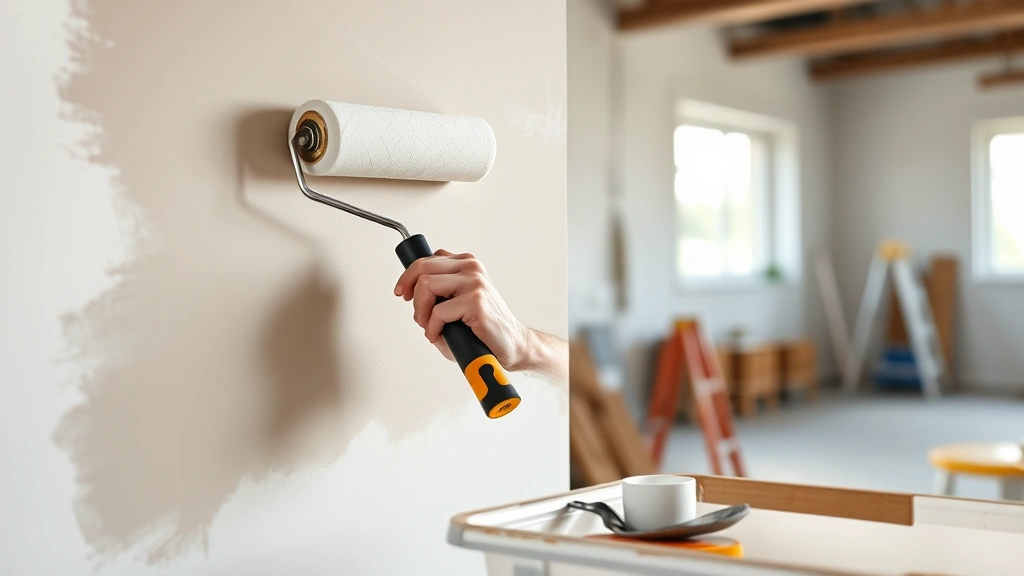
The sweet spot is two thin coats rather than one thick coat. Yes, it takes longer overall, but you get better color coverage, fewer visible brush marks, and more predictable drying times. Each thin coat dries faster, so you’re actually saving time compared to fighting with one gloppy application.
Surface preparation also affects drying. A glossy or semi-gloss surface (like old trim) needs primer before painting, which adds another drying step. Priming on glossy surfaces is non-negotiable—if you skip it, your paint won’t adhere properly, and you’ll be redoing the job anyway.
Dry Time vs Cure Time
Here’s where most people get confused: “dry to the touch” is not the same as “fully cured.” Dry to the touch means you can run your finger across it without leaving a mark. Fully cured means the paint has hardened throughout and reached its maximum hardness and durability. For latex paint, dry to the touch is 1-3 hours, but full cure can take 2-4 weeks. For oil-based, it’s 6-8 hours to dry and 3-4 weeks to cure.
This distinction matters if you’re planning to wash walls, hang pictures, or move furniture back into the room. You can apply a second coat after the paint is dry to the touch, but you should wait at least a week before subjecting the paint to moisture or heavy use. If you’re painting a bathroom or kitchen, wait the full cure time before exposing it to steam and humidity.
Many painting headaches come from people thinking “dry” means “done.” It doesn’t. Give your paint time to cure properly, and it’ll last years longer without peeling or chipping.
Speeding Up Drying Process
If you’re in a time crunch, there are legitimate ways to speed things up without compromising quality. First, control your environment: set the temperature between 70-75°F, keep humidity between 40-50%, and get air moving with fans. These three factors alone can cut drying time by 20-30%.
Second, choose the right paint. Quick-dry latex formulations exist and do exactly what they say—they dry faster without sacrificing quality. They cost a bit more, but if you’re tackling a project in less-than-ideal conditions, they’re worth it. Some brands offer “fast-dry” or “quick-coat” lines specifically designed for this.
Third, use a quality primer if you’re painting over dark colors or glossy surfaces. Good primer reduces the number of topcoats you need, which cuts total project time. Skip the primer, and you might need three coats instead of two—now you’re actually spending more time waiting for paint to dry.
What not to do: don’t use heat guns or space heaters directly on wet paint. This causes uneven drying, brush marks, and can actually damage the paint film. Don’t apply thick coats thinking it’ll save time—it won’t. Don’t paint in direct sunlight on a hot day; the edges will dry too fast and create lap marks.
Common Drying Mistakes
The number one mistake is applying the second coat too soon. You see the paint looks dry, so you think it’s ready. Thirty minutes later, you’ve got a sticky mess where your brush is pulling up the first coat. Patience is genuinely a virtue in painting.
The second mistake is painting in poor conditions and expecting good results. Painting at 45°F in 80% humidity will take forever and probably look terrible. Check the can’s temperature and humidity requirements before you start. If conditions aren’t right, wait or adjust your environment.
Third mistake: painting without proper ventilation, then wondering why the paint smells awful for days and takes forever to dry. Even latex paint needs air movement. Open windows, run fans, and let the space breathe.
Fourth: using old or cheap paint. Budget paint has lower pigment concentration and often includes fillers that affect drying time and adhesion. Spend a few extra dollars on quality paint from trusted brands recommended by Family Handyman, and you’ll get better drying performance and a better-looking finish.
Fifth mistake: not reading the label. Seriously. The can tells you everything: drying time, cure time, temperature requirements, humidity limits, coverage rate, and recoat time. Spend 60 seconds reading it before you crack open the can.
Frequently Asked Questions
Can I paint over paint that’s only partially dry?
No. Painting over partially dry paint causes adhesion problems, brush marks, and the topcoat can pull up the base coat. Always wait for the full dry-to-the-touch time before applying another coat. If you’re impatient and mess up, you’ll end up sanding and starting over, which takes way longer.
Does paint dry faster in sunlight?
Not necessarily. Direct sunlight can actually cause problems—the edges dry too fast while the center stays wet, creating lap marks and uneven coverage. Paint dries best in shade with good air circulation. If you’re painting exterior trim, aim for overcast days or paint in the shade side of the house.
How long before I can shower in a painted bathroom?
Wait at least 24-48 hours before exposing newly painted walls to steam and moisture. Better yet, wait a full week. The paint might be dry to the touch after a few hours, but it’s not ready for bathroom humidity until it’s properly cured. Exposing it too early can cause peeling and damage.
What if paint won’t dry even after 24 hours?
Check your conditions: temperature below 50°F, humidity above 85%, or zero ventilation will all cause slow drying. Open windows, run fans, adjust the thermostat, and use a dehumidifier if needed. If it’s still not drying after 48 hours in reasonable conditions, the paint might be defective—contact the manufacturer or your retailer.
Is oil-based paint worth the long drying time?
For trim, doors, and high-traffic areas, yes. Oil-based paint creates a harder, more durable finish. For walls, latex is usually the better choice unless you specifically need oil-based for adhesion to glossy surfaces. Check This Old House’s painting guides for detailed recommendations based on your specific project.
Can I speed up drying by opening windows in winter?
You can, but you’ll lose heat and waste energy. Better approach: crack windows just enough for airflow, use fans to move air around the room, and keep the thermostat at 70-75°F. This maintains temperature while improving ventilation. If it’s below 50°F outside, wait for warmer weather or consider a space heater to keep the room at proper painting temperature.
What’s the difference between primer and paint drying times?
Primer typically dries faster than paint—often 1-2 hours for latex primer versus 1-3 hours for latex paint. However, you still need to wait for primer to fully dry before applying topcoat. Don’t assume primer dries faster means you can skip the waiting time. Read the label on your specific primer.
Final Thoughts
Understanding how long does it take paint to dry comes down to knowing your paint type, controlling your environment, and respecting the process. Latex paint typically dries to the touch in 1-3 hours under ideal conditions, while oil-based needs 6-8 hours. Temperature between 70-75°F, humidity around 40-50%, and good air circulation are your best friends. Apply thin, even coats, wait for proper drying between coats, and don’t rush the cure time—your finished project will thank you with a professional-looking, durable result.
Whether you’re painting a single bedroom or an entire house, these principles stay the same. Plan ahead, check the weather and conditions, and give yourself extra time if you’re working in less-than-ideal situations. For more detailed painting techniques, check out Bob Vila’s comprehensive painting guide. And remember—the time you spend waiting for paint to dry is time well spent if it means avoiding costly mistakes.


