
Figuring out how long does it take to get sober isn’t a one-size-fits-all answer—it depends on your body, what you drank, and how much. Let’s break down the actual science behind alcohol metabolism and give you realistic timelines for getting back to baseline.
Table of Contents
Alcohol Metabolism Basics
Your body processes alcohol at a pretty consistent rate—roughly one standard drink per hour. That’s the baseline your liver works with, and it doesn’t speed up no matter how much water you drink or how hard you exercise. Your liver has enzymes (mainly alcohol dehydrogenase) that break down ethanol into acetaldehyde, then into acetic acid. This process is steady and predictable, which is why we can actually calculate sobriety timelines with decent accuracy.
The catch? Your body can’t store alcohol like it stores carbs or fat. It prioritizes processing it out immediately, which is why alcohol hits your bloodstream so fast. Understanding this metabolic rate is crucial because it’s the foundation for everything else about how long does it take to get sober.
Standard Drink Timeline
A standard drink in the U.S. is 14 grams of pure alcohol. That’s one 12-oz beer, one 5-oz glass of wine, or 1.5 oz of spirits. If you stick to one standard drink, you’re looking at roughly 60 minutes to full sobriety. Two drinks? About two hours. Three drinks? Three hours, and so on. The math is straightforward, but real-world variables complicate it fast.
Most people underestimate how much they’ve actually consumed because cocktails at bars often contain 1.5 to 2 standard drinks per serving. That margarita you thought was one drink? Probably closer to 1.5 or 2. This is why people often feel more intoxicated than they expected—they’re not accounting for the actual alcohol content.
Factors Affecting Sobriety Speed
Body weight matters significantly. A 140-pound person will feel effects faster and stay intoxicated longer than a 200-pound person drinking the same amount. Women typically reach higher blood alcohol concentrations than men at the same dose because they have less body water and different enzyme activity. Food in your stomach slows absorption but doesn’t change the total processing time. Eating before or while drinking spreads out the absorption, so you don’t spike as high, but your liver still takes the same time to process the total alcohol.
Tolerance is real but doesn’t actually change your metabolism—it just changes how impaired you feel. A heavy drinker might seem less drunk at the same blood alcohol level as someone who rarely drinks, but their liver is still processing at the same rate. Medications, liver health, and metabolism all play roles too. If you’re on certain medications or have liver issues, sobriety takes longer.
First Hour Effects
In the first 15-20 minutes after drinking, alcohol is still being absorbed. You might not feel the full effects yet, which is why “pre-gaming” or drinking quickly can catch people off guard. The peak blood alcohol level usually hits around 30-90 minutes after drinking, depending on food intake and individual factors.
During this first hour, your judgment and reaction time are already compromised even if you don’t feel that drunk. This is critical for anyone thinking about driving—you’re impaired before you realize it. The National Highway Traffic Safety Administration data backs this up consistently.
Peak Blood Alcohol Levels
Your blood alcohol concentration (BAC) peaks when you’ve finished drinking and absorption is complete. At this point, your liver is working at full capacity to process it out. A BAC of 0.08% (the legal driving limit) takes about 5-6 hours to clear if you drank enough to reach it. But here’s the thing—you’re impaired well before 0.08%. At 0.05%, your reaction time and vision are already affected.
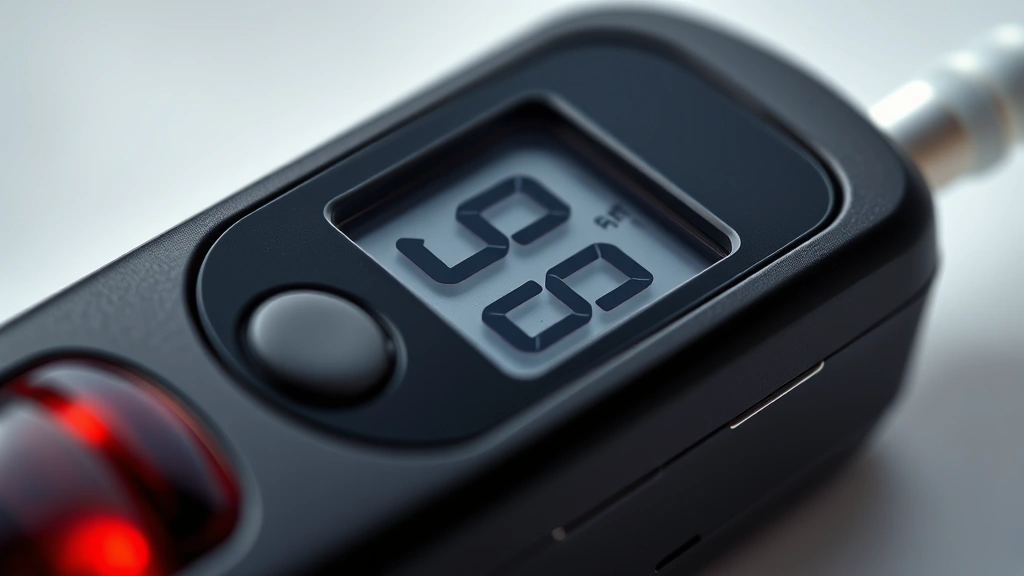
The relationship between drinks consumed and BAC varies wildly based on body weight, food, and other factors. Use an online BAC calculator if you want specifics, but remember they’re estimates. The only accurate measurement is a breathalyzer or blood test.
Recovery Timeline by Amount
One drink: 1-1.5 hours to feel completely normal. You might feel fine after 45 minutes, but reaction time is still slightly off.
Two drinks: 2-2.5 hours. Most people feel pretty normal after 2 hours, but some impairment remains.
Three drinks: 3-4 hours. Noticeable intoxication, and you’ll definitely feel it for the full timeline.
Four drinks: 4-5 hours. Significant impairment, and you should not drive during this window.
Five or more drinks: 5+ hours, often much longer. Depending on body weight and food, this could easily stretch to 8-10 hours. This is where hangovers start becoming a real factor.
These timelines assume you’re a relatively healthy adult of average weight. Adjust upward if you’re smaller or have liver issues.
Can You Speed Up Sobriety
Let’s be real—you can’t actually speed up how fast your liver processes alcohol. Coffee, cold showers, energy drinks, and exercise don’t change the metabolic rate. They might make you feel more alert, but they don’t reduce your BAC faster. Your liver is already running at maximum capacity.
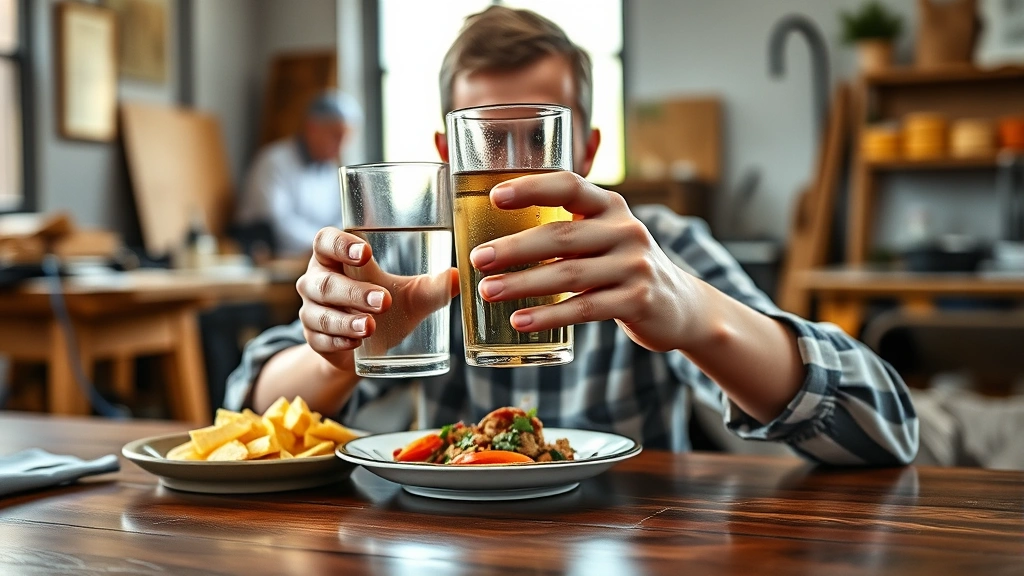
What you CAN do is reduce how much you drink in the first place, eat before drinking, and pace your consumption. Alternating alcoholic drinks with water or non-alcoholic beverages slows absorption and keeps you hydrated. Sleep helps your body recover from the overall effects, but it doesn’t speed up alcohol elimination. Getting good sleep after a night of drinking helps with hangover recovery, though—that’s different from actual sobriety.
When Safe to Drive
The legal limit is 0.08% BAC, but impairment starts well before that. At 0.05%, you’ve already got reduced coordination and impaired judgment. The safest rule? Don’t drive if you’ve had any alcohol in the last few hours. Use a taxi, rideshare, or designated driver. No timeline is worth risking yourself or someone else.
If you’re wondering about the morning after, remember that alcohol is still processing while you sleep. You might feel fine but still be over the legal limit. A general rule: one drink per hour, so if you drank five drinks, you should wait at least 5-6 hours before driving, and preferably longer. Err on the side of caution here.
Hangover vs Still Drunk
Here’s where people get confused. You can be sober (BAC at 0 or near 0) but still hungover. A hangover is dehydration, electrolyte imbalance, and your body’s inflammatory response to alcohol. It can last 12-24 hours even after you’re completely sober. Feeling terrible the next morning doesn’t mean you’re still drunk—it means your body is recovering from the damage.
Conversely, you can be still drunk but not feel as bad as you will when the hangover hits. The worst feeling often comes 6-12 hours after drinking when the hangover symptoms peak but you’re not drunk anymore. This is why people sometimes feel worse the next day than they did the night before.
Frequently Asked Questions
How long does it take to sober up from one beer?
One standard beer (12 oz) takes about 60 minutes to process completely. You’ll likely feel normal after 45 minutes, but some impairment remains for the full hour.
Does food help you sober up faster?
No, food doesn’t speed up sobriety. It slows down alcohol absorption, so you don’t get as intoxicated initially, but your liver still takes the same time to process the total alcohol. Eating before or while drinking is smart for reducing peak intoxication, but it doesn’t change the timeline.
Can you sober up in 30 minutes?
Not really, unless you only had a tiny amount. Your liver processes roughly one drink per hour, and that’s the hard limit. You might feel more alert in 30 minutes, but you’re not actually sober yet.
Does drinking water help you sober up?
Water doesn’t speed up alcohol metabolism, but it helps with hydration and can reduce hangover severity. Staying hydrated while drinking slows absorption and helps your body function better overall, but it doesn’t actually make you sober faster.
How long until I can safely drive?
Wait at least as many hours as you had drinks, plus one more for safety. If you drank three drinks, wait at least 4 hours. If you’re unsure, use a rideshare service. It’s not worth the risk.
Does coffee make you sober?
No. Coffee is a stimulant that might make you feel more alert, but it doesn’t reduce your BAC. You’re just a more awake version of drunk, which is actually more dangerous because you might overestimate your ability to function.
Why do I feel worse the next morning?
That’s the hangover, not residual intoxication. By the next morning, you’re completely sober, but your body is dehydrated and inflamed. Hangovers can last 12-24 hours and are completely separate from how long it takes to get sober.
The Bottom Line
So, how long does it take to get sober? Roughly one hour per standard drink, give or take based on your body weight, food intake, and overall health. The math is simple, but the variables are real. The most important thing to remember is that you’re impaired before you feel impaired, so don’t drive if you’ve had anything to drink in the last few hours.
If you’re planning a night out, plan your transportation before you drink. If you’re at home, the timeline matters less, but understanding it helps you make better decisions about how much to consume. And remember—a hangover the next day doesn’t mean you’re still drunk. You could be completely sober and still feel miserable. That’s just your body recovering.
For more on beverages and recipes, check out our Best Bloody Mary Recipe, Baileys Drink Recipes, and Blackberry Margarita Recipe guides. And if you’re planning holiday gatherings, our Christmas Punch Recipes are worth checking out.
According to the National Institute on Alcohol Abuse and Alcoholism, understanding alcohol metabolism is key to making informed decisions about consumption. The CDC’s alcohol fact sheets provide additional data on safe drinking practices, and SAMHSA offers resources if you need support with substance use.


