
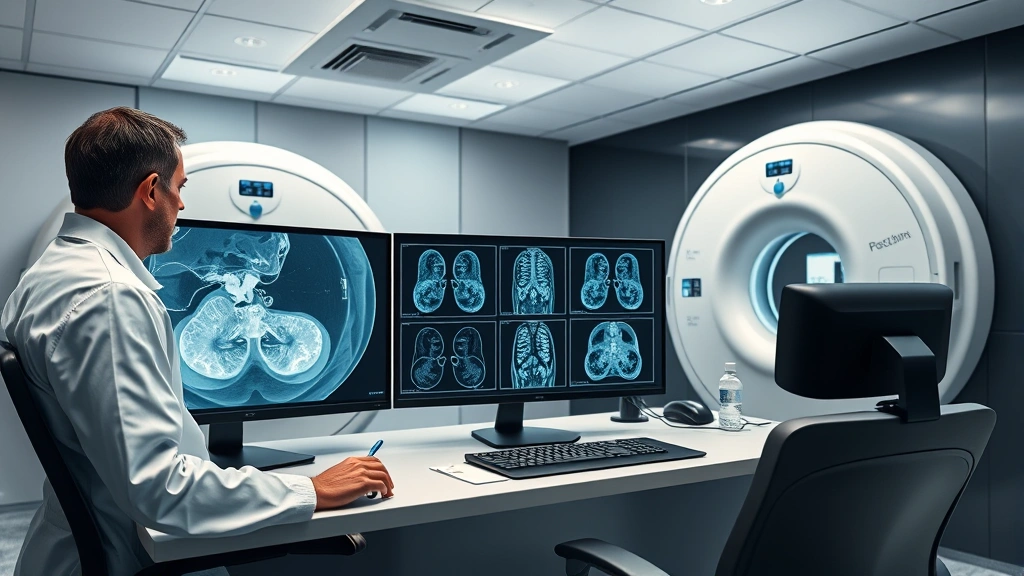
Wondering how long does it take to get CT scan results? The short answer: anywhere from a few hours to several business days, depending on urgency, facility workload, and whether a radiologist needs to dig deeper. But let’s walk through the real timeline so you know what to expect when you’re sitting in that waiting room.
Table of Contents
Urgent vs. Routine Scans
Here’s the deal: not all CT scans are created equal. If you’re in the ER with chest pain or a suspected stroke, your scan gets priority. Radiologists will eyeball those images within minutes—sometimes before you even leave the scanner. We’re talking 15 to 30 minutes tops for life-threatening situations.
Routine scans? Different story. If you’re getting a CT to check for kidney stones or follow up on a known issue, you’re looking at 24 to 72 hours. The imaging center processes your scan, queues it for radiologist review, and then your doctor gets the official report. Nobody’s rushing because there’s no immediate danger.
When the Radiologist Reviews
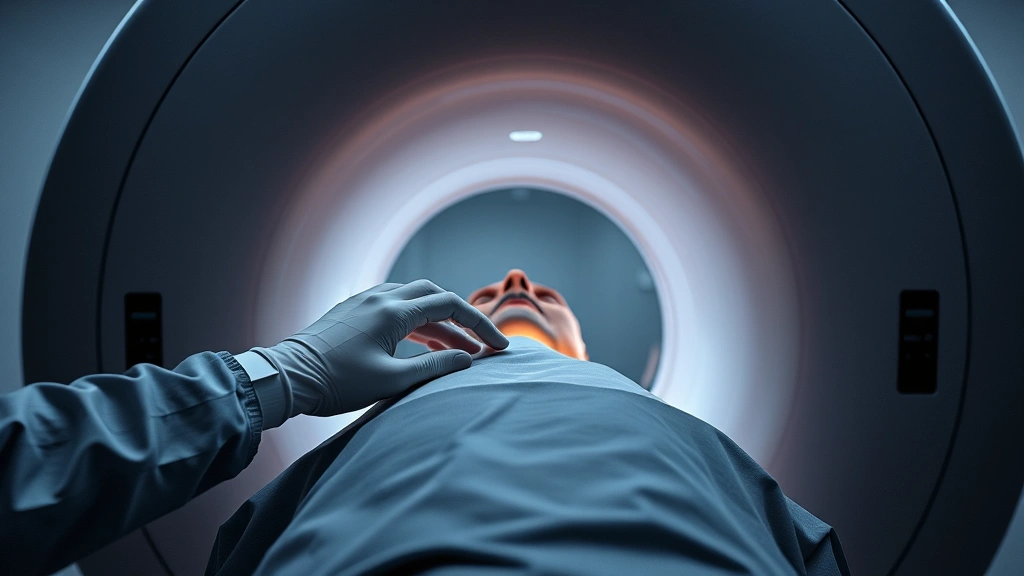
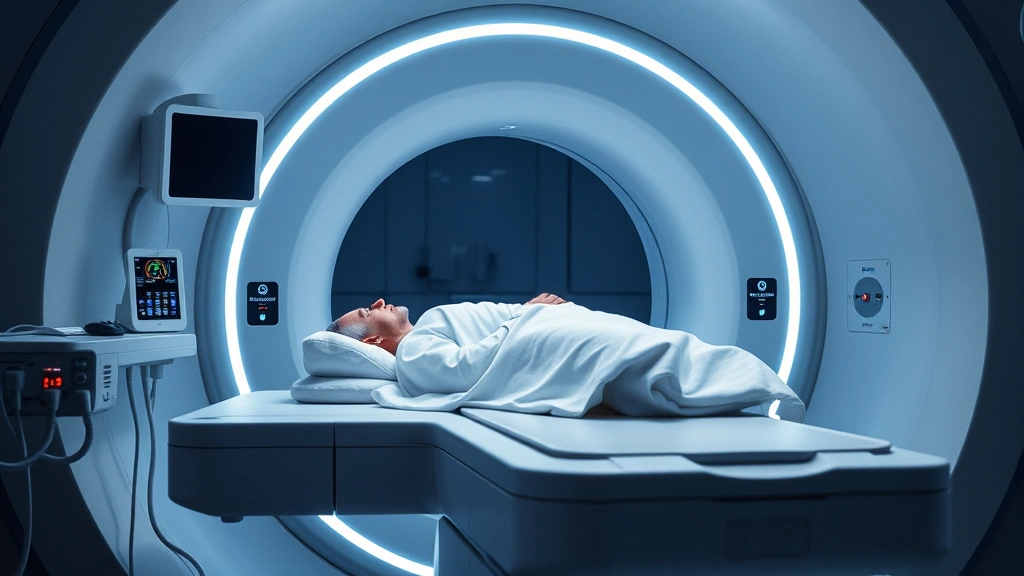
The actual scan itself takes maybe 10 to 15 minutes. You go in, they shoot X-rays from multiple angles, create a 3D image, and you’re done. But here’s what most people don’t realize: the technician who runs the machine isn’t the person interpreting it. A radiologist—a doctor specially trained in reading medical images—has to review those pictures and write up a report.
That radiologist might have 50 other scans in their queue. If your facility is busy, you could be waiting while they work through the backlog. This is where the real timeline gets stretched. Some facilities have radiologists on-site 24/7; others have them come in during business hours. If your scan gets done at 5 PM on a Friday, don’t expect results until Monday.
Hospital Centers vs. Outpatient Clinics
Hospital-based imaging departments usually move faster because they have radiologists present most of the time. They’re staffed for emergencies, so they’ve got coverage. You might get results the same day, especially if you’re admitted as an inpatient.
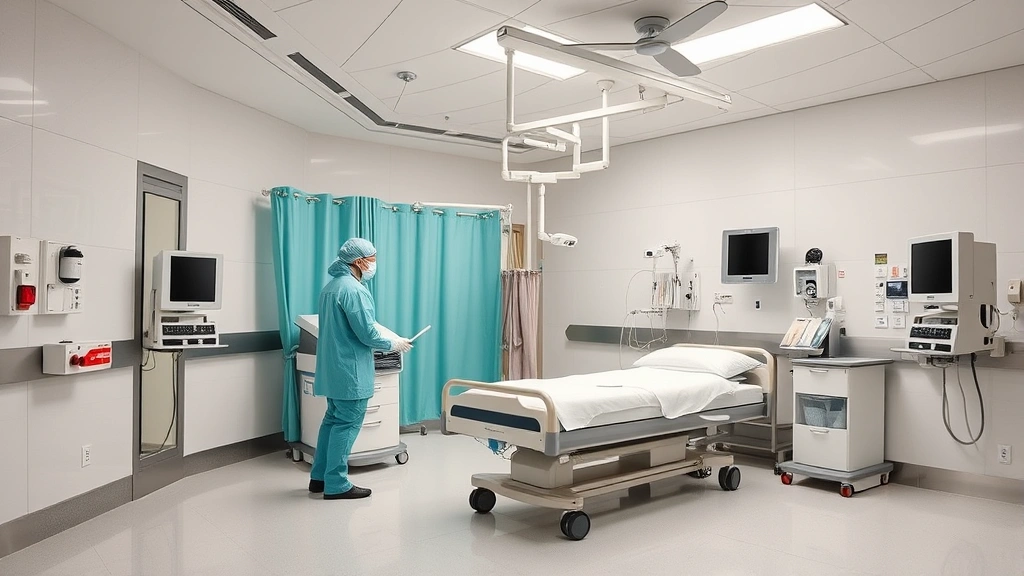
Standalone imaging centers or outpatient clinics? They often contract radiologists who work remotely or come in on a schedule. Your scan might get uploaded to a cloud system, reviewed by a radiologist in another state, and sent back electronically. This adds time but also flexibility. These centers can be more efficient because they’re not juggling emergency cases constantly.

Factors Slowing Results Down
Several things can stretch your wait time beyond the standard 24-72 hours. First, complexity. A simple chest X-ray comparison takes minutes. A full abdominal CT with contrast where the radiologist is looking for subtle lesions? That’s 20-30 minutes of careful review per scan.
Second, staffing. If a radiologist calls in sick or a facility is short-handed, everything backs up. Third, whether you had contrast dye. Contrast scans require more careful interpretation because the dye highlights certain tissues, and radiologists need to rule out complications.
Fourth, your insurance. Some insurers require pre-authorization or additional documentation before they’ll approve the scan. This bureaucratic step can delay the whole process. And fifth, whether your doctor ordered stat (immediate) reading or routine reading. Stat readings jump the queue.

Emergency Scan Turnaround
In emergency departments, CT scan results come back fast—sometimes in 15 minutes. The radiologist gets a stat notification, drops everything, and interprets your images immediately. Your ER doctor gets the preliminary report verbally, and the official written report follows within an hour or two.

This is why ER visits feel different from routine imaging appointments. The whole system is designed for speed because minutes matter. If you’re having a stroke, that CT needs to be read before your treatment window closes. If you’ve got a ruptured appendix, the surgeon needs to know before they wheel you into the OR.

Complex Cases Need Extra Time
Sometimes radiologists spot something unexpected or ambiguous. Maybe they see a nodule that needs comparison with an older scan. Maybe they want a colleague’s opinion before signing off. These consultations add 24-48 hours easily.

If your case goes to a tumor board or multidisciplinary conference (common with cancer diagnoses), you might wait a week or more for a comprehensive report that includes input from oncologists, surgeons, and radiologists. It’s slower, but you get a more thorough answer.

How You’ll Get Your Results
Most facilities give results to your ordering physician first. Your doctor then contacts you—by phone, patient portal, or at your next appointment. Some facilities let you request results directly from the imaging center, but they usually won’t interpret them for you. They’ll give you the report, but your doctor should explain what it means.
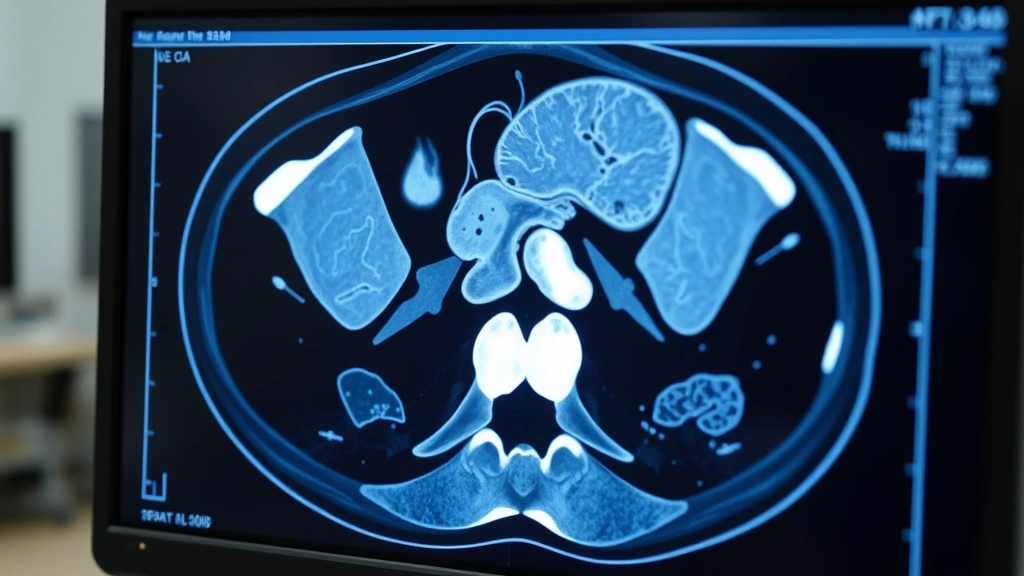
Patient portals have sped things up significantly. Many hospitals now post results online within 24 hours, and you can see them before your doctor calls. This is helpful for reducing anxiety, though it can also cause panic if you misinterpret medical jargon. “Incidental finding” doesn’t always mean bad news—it just means they found something unexpected.

Speed Up the Process Yourself
Want faster results? Ask your ordering physician to request stat reading if it’s justified. Request an urgent appointment if you’re concerned. Call the imaging center directly 24 hours after your scan and ask about status—sometimes just asking moves your case along.

Bring all relevant prior imaging to your appointment. If the radiologist can compare your current scan to old ones, they interpret faster and more accurately. Get copies of your results and take them to your follow-up appointments. This prevents repeat scans and keeps things moving.

If you’re dealing with a physical rehabilitation concern that required imaging, having those results documented helps your therapist coordinate care faster. Transparency between providers speeds everything up.
For ongoing health monitoring situations, understanding how your body processes different substances can sometimes inform imaging protocols. Some facilities adjust their procedures based on patient health status, which can affect interpretation time.

Frequently Asked Questions
Can I get CT results the same day?
Yes, but it depends on timing and urgency. If you scan in the morning at a hospital, you might get results by afternoon. If you scan at 4 PM on a Friday at an outpatient center, expect Monday. Emergency scans almost always get same-day results.
Why do some facilities take longer than others?
Staffing, radiologist availability, workload, and facility type all matter. Hospitals with 24/7 radiology coverage move faster than clinics with scheduled radiologists. Busy urban centers might take longer than smaller facilities simply due to volume.
What if I don’t hear back in three days?
Call your doctor’s office or the imaging center directly. Sometimes reports get stuck in the system or lost in communication between facilities. A simple phone call usually gets things moving. If it’s been a week, escalate to the facility manager.
Can I see my CT images before the radiologist report?
Technically yes—some facilities give you a CD of your images. But you shouldn’t try to interpret them yourself. Radiologists train for years to spot abnormalities. What looks fine to you might be significant, or what looks bad might be normal variation.
Does contrast dye delay results?
Slightly. Contrast scans require more careful review, so they might take an extra 12-24 hours. But contrast also provides critical information, so the trade-off is worth it for diagnostic accuracy.
What about online portals—are results there faster?
Sometimes. Many health systems post results online within 24 hours, often before your doctor calls. But this varies by facility and whether they’ve integrated their imaging systems with their patient portal. Check your hospital’s website to see if this is available.


