

Knowing how long does it take to defrost a turkey is one of those critical kitchen skills that separates holiday dinner success from last-minute panic. Whether you’re planning Thanksgiving or Christmas dinner, getting your bird thawed properly makes all the difference between a juicy, evenly-cooked turkey and a disaster that leaves you scrambling. Let me walk you through exactly what you need to know.
Table of Contents
Defrost Timeline Basics
Here’s the straight truth: defrosting a turkey takes time, and there’s no real shortcut without compromising safety. The USDA gives us clear guidelines, and they’re not suggestions—they’re the foundation of food safety. For every 4-5 pounds of turkey, you need roughly 24 hours of thawing time using the refrigerator method. That 16-pound bird? You’re looking at 3-4 days minimum.

The reason this timeline matters is bacterial growth. Thaw your turkey too fast at room temperature, and you’re creating a breeding ground for pathogens like Salmonella. Thaw it properly, and you’ve got a safe, delicious bird ready for the oven. Think of it like seasoning a cast iron pan—rushing the process gives you worse results.

Refrigerator Method
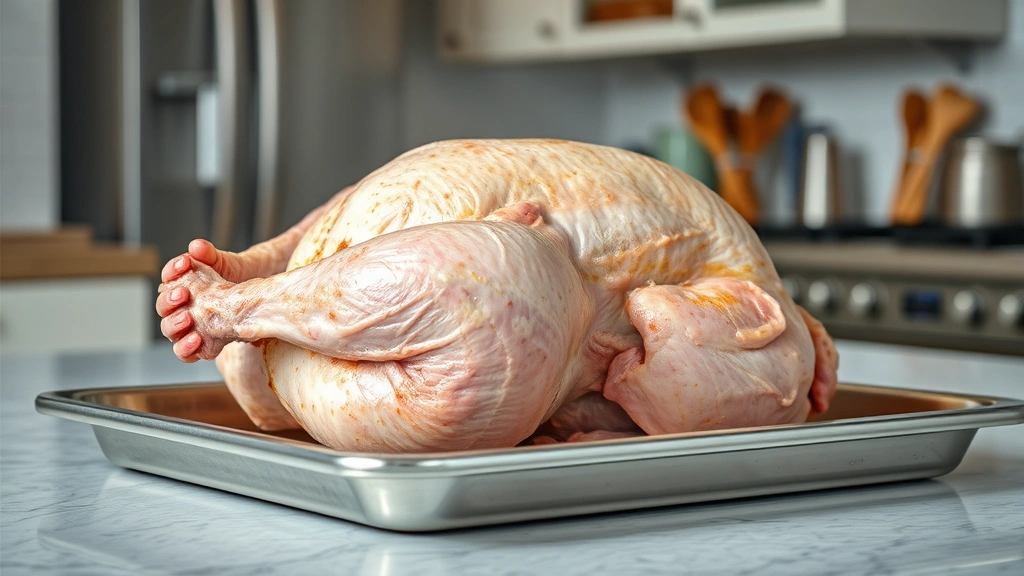
This is the gold standard, and honestly, it’s the easiest if you plan ahead. Place your frozen turkey on a tray (to catch drips—trust me on this), and stick it on the lowest shelf of your fridge. The cold, controlled environment keeps bacteria growth minimal while the ice gradually melts.

The math is simple: allow 24 hours for every 4-5 pounds. So a 12-pound turkey needs about 3 days, a 16-pounder needs 4 days, and a massive 20-pound bird needs 5 days. Write it on your calendar. Seriously. I’ve seen too many people do the math wrong and end up with a partially frozen turkey at 3 PM on dinner day.
Once it’s thawed in the fridge, you’ve got about 1-2 days before you need to cook it. Don’t leave it sitting there for a week—that’s asking for trouble. The beauty of this method is you can refreeze it if plans change, as long as you haven’t started cooking.
Cold Water Method
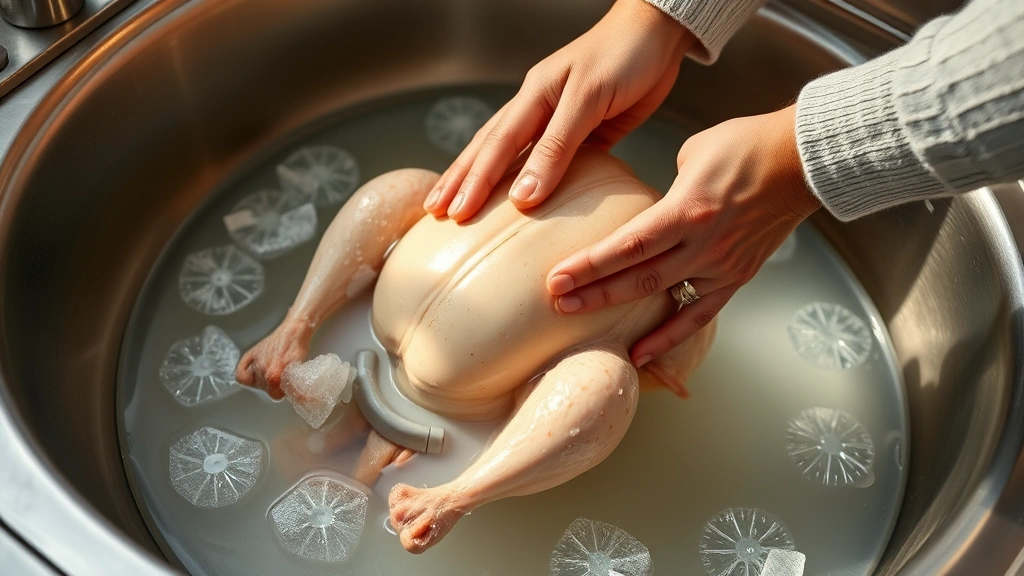
When you’ve procrastinated (no judgment—life happens), the cold water method is your backup plan. This cuts your thawing time to about 30 minutes per pound, which means that same 16-pound turkey is ready in roughly 8 hours instead of 4 days.
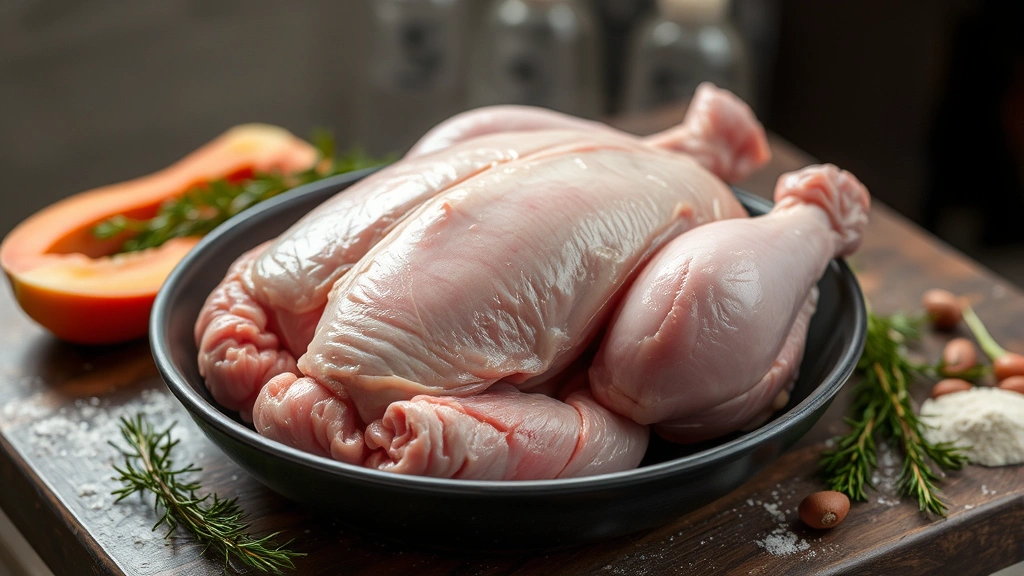
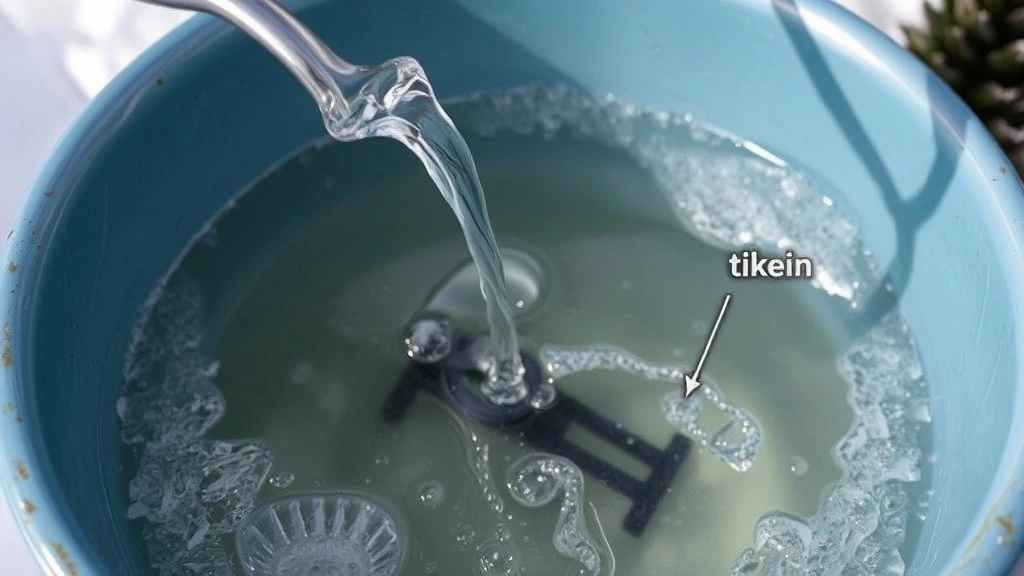
Here’s how it works: Keep your turkey in its original packaging and submerge it completely in cold water. Change the water every 30 minutes. This is important—stagnant water allows bacteria to multiply. Fresh, cold water keeps the temperature in the safe zone while melting the ice faster than the fridge alone.
The downside? You’re tied to your kitchen for the afternoon, and you’ll be changing that water constantly. But it works. A 20-pound turkey will be completely thawed in about 10 hours using this method. Just keep that water cold—add ice if needed to maintain temperatures below 40°F.

Emergency Thawing Options
Let’s say you forgot entirely and it’s 8 AM on Thanksgiving. You’ve got a 14-pound frozen turkey and dinner guests arriving at 6 PM. Don’t panic. You have options, though none are ideal.
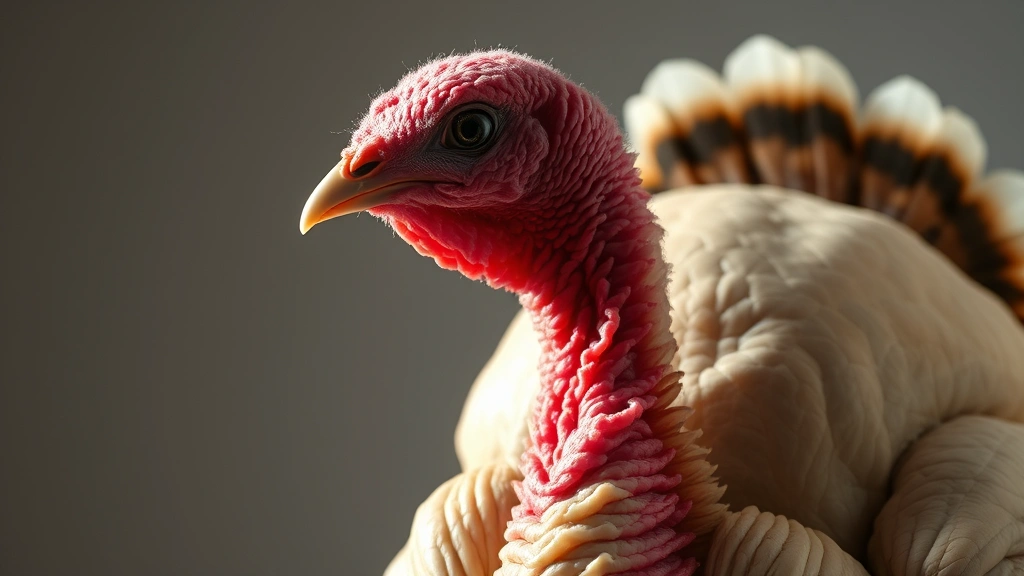
The cold water method is your fastest legitimate option at this point. Get that bird in a sink or cooler, submerge it completely, and start changing water every 30 minutes. You’re looking at 7-8 hours for a medium bird, so you’d be cutting it close but potentially doable if you start immediately.

Some people try the microwave defrost setting, and while it technically works, it’s risky. Microwaves thaw unevenly—you’ll get warm spots that encourage bacterial growth while other parts stay frozen. If you go this route, thaw in short bursts and rotate frequently. It’s not my recommendation, but it’s better than cooking a frozen turkey.

The oven? Don’t do it. Cooking a partially frozen turkey means the outside overcooks before the inside reaches safe temperatures. You’ll end up with dry, rubbery meat and potential food poisoning. Not worth it.

Temperature & Food Safety
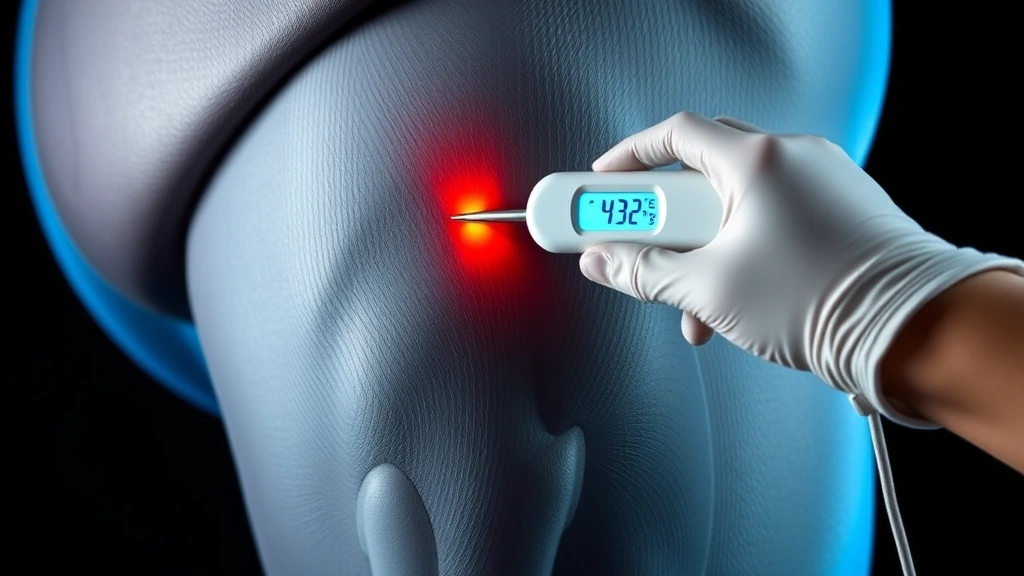
This is where things get serious. The USDA says turkey must reach an internal temperature of 165°F in three places: the thickest part of the thigh, the innermost part of the wing, and the thickest part of the breast. Use a meat thermometer—don’t guess.

Proper thawing ensures even cooking, which means the inside reaches that 165°F target at the same time the outside browns nicely. A turkey that’s still partially frozen in the middle will have cold spots where bacteria can survive, even if the outside temperature reads safe.
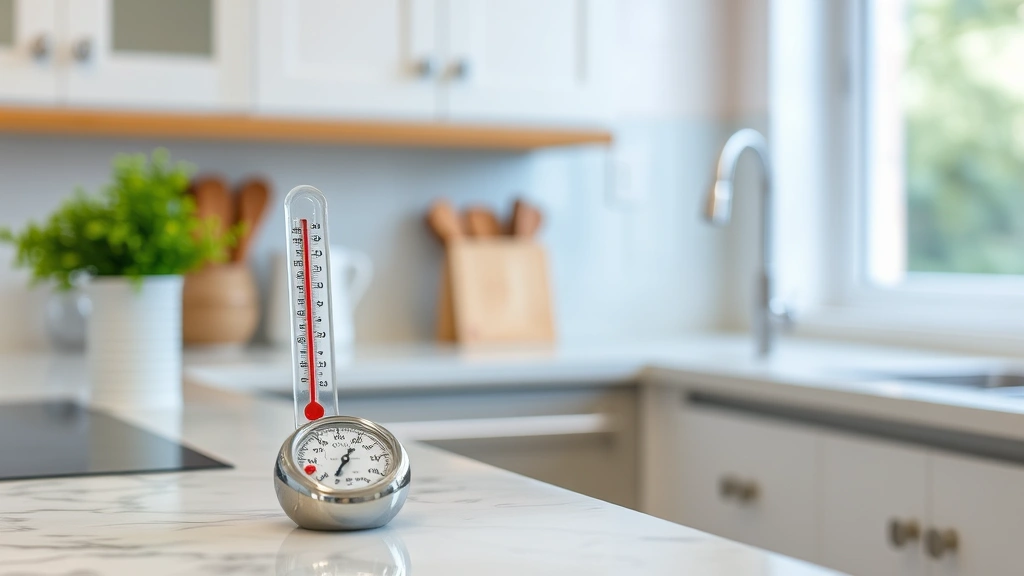
Keep your fridge at 40°F or below and your thawing water below 40°F. These aren’t arbitrary numbers—they’re the temperature threshold where harmful bacteria multiply rapidly. Above 40°F, you’re entering the danger zone. Below it, bacterial growth slows dramatically.
Size Matters Most
The weight of your turkey is the single biggest factor in defrost time. Here’s a quick reference:
- 8-12 pounds: 2-3 days (refrigerator), 4-6 hours (cold water)
- 12-16 pounds: 3-4 days (refrigerator), 6-8 hours (cold water)
- 16-20 pounds: 4-5 days (refrigerator), 8-10 hours (cold water)
- 20-24 pounds: 5-6 days (refrigerator), 10-12 hours (cold water)
If you’re buying a fresh turkey instead of frozen, you’ve got about 1-2 days in the fridge before cooking. Fresh birds don’t need thawing, which is why some people prefer them for last-minute dinners—though they cost more.
Storage Tips
Once your turkey is thawed, keep it on the lowest shelf of your fridge to prevent drips onto other foods. Place it on a tray or in a roasting pan to catch any liquid. Raw turkey juice can contaminate anything below it, so this matters.

Keep your fridge clean and organized. If you’re doing barbacoa recipe slow cooker or other holiday dishes, make sure raw turkey is completely separate from ready-to-eat foods. Cross-contamination is how foodborne illness spreads.
If you’ve thawed your turkey in the fridge and plans change, you can refreeze it without cooking. Just do it while it’s still cold. If you’ve used the cold water method, cook it before refreezing. The cold water method brings it closer to the danger zone, so you shouldn’t refreeze without cooking first.

Common Mistakes to Avoid
The biggest mistake I see? Thawing on the counter. It’s convenient, sure, but the outside reaches unsafe temperatures while the inside is still frozen. Bacteria love that temperature range, and you’re basically creating a petri dish.

Another common error: forgetting to change the water during cold water thawing. People get distracted, and suddenly it’s been two hours since the last water change. The water warms up, bacteria multiply, and you’ve defeated the purpose of the method.

Underestimating time is huge. People think, “Oh, I’ll just thaw it overnight.” A 16-pound turkey needs 4 days, not 4 hours. Plan ahead. Write it on your calendar. Set a phone reminder.

Not using a thermometer is dangerous. You can’t tell if a turkey is done by color or texture. The only reliable way is internal temperature. Grab a good instant-read thermometer—they’re cheap and essential.
Lastly, people often ignore the USDA guidelines and do their own thing. Those guidelines exist because of actual food poisoning cases. They’re not suggestions. Follow them.
Frequently Asked Questions
Can I thaw a turkey at room temperature?
No. Room temperature (above 40°F) is the danger zone for bacterial growth. Bacteria double in population every 20 minutes in this range. Stick to refrigerator or cold water methods only.

How do I know if my turkey is fully thawed?
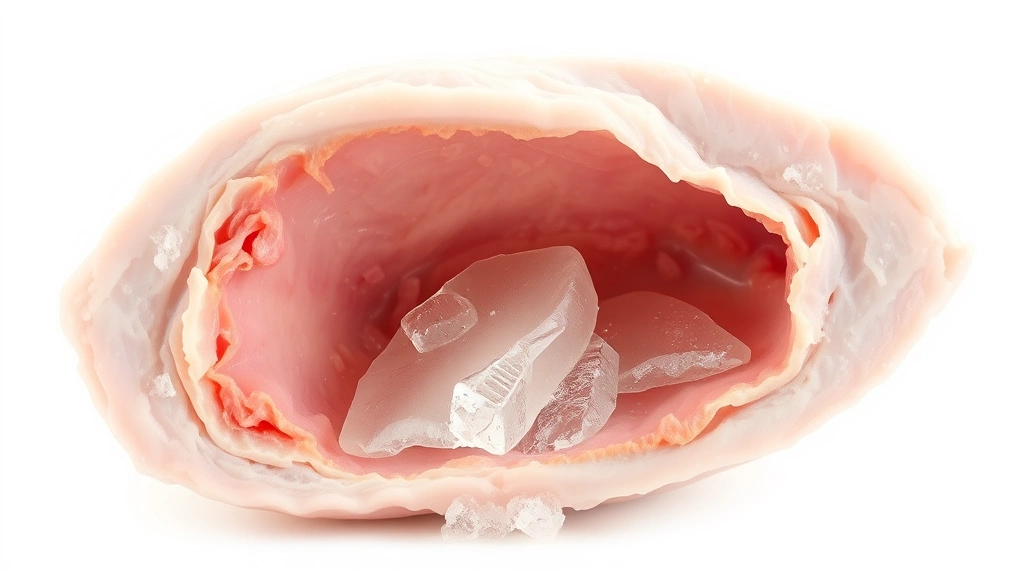
Press the thickest part of the thigh. It should feel soft and pliable, not hard or icy. You should also be able to move the legs freely. If there’s any ice inside the cavity, it needs more time.
Can I cook a turkey from partially frozen?
Technically yes, but it’s risky. Cooking times become unpredictable, and cold spots in the center may not reach safe temperatures. It’s not recommended by the USDA. Thaw it properly first.

What if I thaw it but don’t cook it immediately?
You’ve got 1-2 days max in the fridge after thawing. Don’t wait longer than that. If you need more time, keep it frozen and thaw closer to cooking time.
Is a thawed turkey safe to refreeze?
If thawed in the refrigerator, yes—refreeze it anytime while it’s cold. If thawed using the cold water method, cook it first before refreezing. The cold water method brings it too close to unsafe temperatures to refreeze without cooking.
Do I need to remove the giblets before thawing?
No, leave them in the cavity during thawing. Remove them once the turkey is thawed and before cooking. They’ll come out easily once everything’s soft.
What’s the fastest safe way to thaw a turkey?
Cold water method, changing water every 30 minutes. It cuts thawing time roughly in half compared to the refrigerator method, though you need to stay home and monitor it.


