
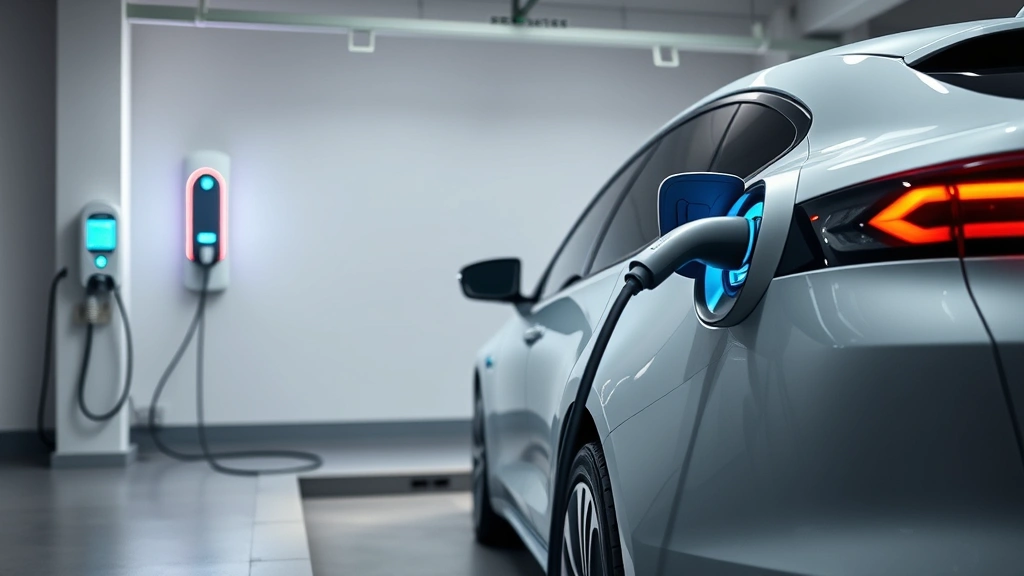
So you’re wondering how long does it take to charge an electric car—and honestly, it’s one of the first questions everyone asks when they’re thinking about going electric. The short answer? It depends on a bunch of factors, but we’re talking anywhere from 20 minutes to 12+ hours depending on your charger type and battery size. Let me walk you through the real-world numbers so you can actually plan your EV life without stress.
Table of Contents
Three Charging Levels Exist
Before we dig into the nitty-gritty, you need to understand that electric vehicle charging comes in three main flavors, and they’re as different as a garden hose versus a fire hydrant. Each level delivers power at different rates, which dramatically changes your charging timeline. Think of it like filling a swimming pool—you can use a regular faucet (slow), a garden hose (medium), or open the floodgates (fast).
The charging infrastructure in North America is standardized, which makes things easier. Most EVs use either the SAE J1772 connector for Levels 1 and 2, or the CCS (Combined Charging System) for DC fast charging. Understanding these differences is crucial because they’ll determine whether you’re charging overnight or grabbing coffee while your car juices up.
Level 1: Slowest Option
Level 1 charging uses a standard 120-volt household outlet—the same one you’d plug a lamp into. This is the tortoise of EV charging. You get roughly 2-5 miles of range per hour of charging, depending on your vehicle’s efficiency. For a typical EV with a 60 kWh battery, you’re looking at 24-48 hours to reach a full charge from empty.
Here’s the reality: Level 1 is basically an emergency backup plan. Some folks use it when they don’t have access to better charging infrastructure, but it’s not practical for daily driving unless you’re only putting 20-30 miles on your car each day. The power draw is minimal (about 1.4 kW), so your home’s electrical system won’t break a sweat, but your patience definitely will.
The only real advantage to Level 1 is that you don’t need any special equipment—just plug into any outlet. No electrician, no installation costs, nothing fancy. If you’re testing the EV waters or have a plug-in hybrid that you rarely fully deplete, Level 1 might work. But for serious EV ownership, you’ll want to upgrade.
Level 2: Home Sweet Charging
This is where most home charging happens, and it’s the sweet spot for daily EV life. Level 2 uses a 240-volt circuit (like your electric dryer or oven outlet) and delivers 7-19 kW of power depending on your charger and home electrical capacity. You’re looking at 4-10 hours for a full charge on most vehicles.
Level 2 chargers come in two flavors: hardwired units that a licensed electrician installs permanently, or portable units you can plug into an existing 240V outlet. Most people go hardwired because it’s cleaner and faster. Installation typically costs $500-$2,500 depending on your electrical panel’s distance from the charging location and whether you need panel upgrades.
Here’s why Level 2 dominates: you charge overnight and wake up to a full battery. For the average commuter driving 30-50 miles daily, you’ll plug in when you get home, charge while you sleep, and have a full tank by morning. A 11 kW Level 2 charger can add 30-40 miles per hour, which means most daily driving needs are covered. Some newer 19 kW chargers can push 50+ miles per hour, getting you to full charge even faster.
Level 3: DC Fast Charging
DC fast charging is the highway pit stop option. These commercial chargers deliver 50-350 kW of direct current power, bypassing your vehicle’s onboard charger entirely. This is where the impressive numbers come in: you can add 200 miles of range in 20-30 minutes on newer fast chargers.
The catch? Not all EVs support the same fast-charging speeds. Tesla’s Supercharger network is proprietary (though that’s changing), Electrify America uses CCS connectors, and other networks like EVgo have different standards. A Tesla Model 3 might charge faster than a Chevy Bolt at the same station, or vice versa. Battery size also matters—a 100 kWh battery charges faster than a 50 kWh battery at the same station.
Fast charging is expensive per kWh compared to home charging, but it’s invaluable for road trips. Most people use it occasionally, not daily. Your battery also degrades slightly faster with constant DC fast charging, so it’s best reserved for when you actually need the speed. Think of it like using premium fuel—great when you need it, but not necessary for everyday driving.
Battery Size Matters
A 40 kWh battery charges way faster than an 80 kWh battery at the same charger—that’s just math. Smaller batteries reach full charge quicker because there’s less capacity to fill. A Tesla Model 3 Standard Range (50 kWh usable) charges faster than a Model 3 Long Range (75+ kWh usable) at the same Supercharger.
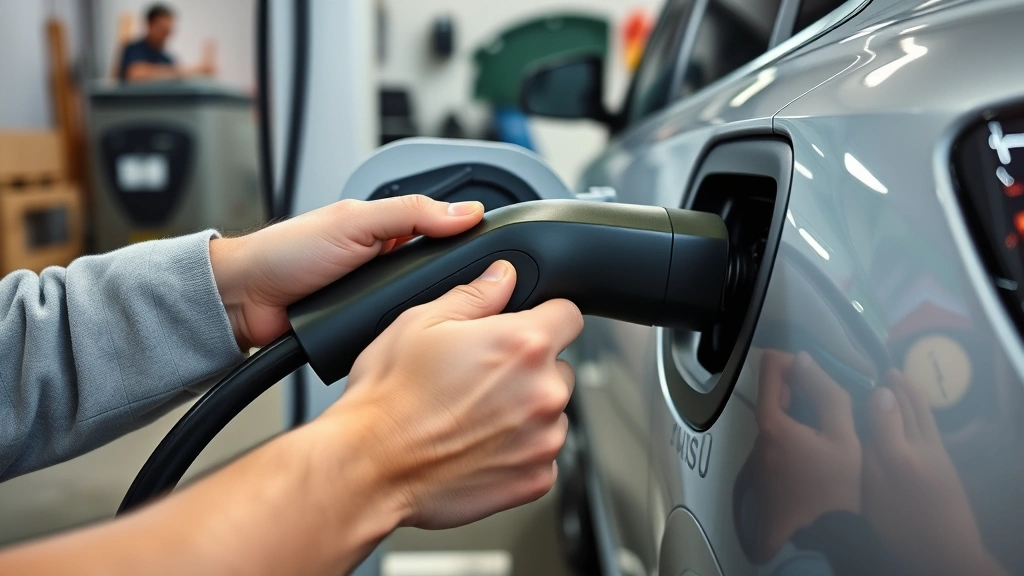
This is important when comparing charging times between different vehicles. You can’t just say “EV charging takes 6 hours” because it depends entirely on battery size. A Nissan Leaf with a 40 kWh battery might fully charge on Level 2 in 6 hours, while a Cadillac Lyriq with 112 kWh might need 10+ hours. When shopping for an EV, factor in both the charger you’ll install and your actual battery size.
Battery chemistry also plays a role. Newer LFP (lithium iron phosphate) batteries in some EVs actually prefer slow charging and can handle frequent fast charging better than traditional NCA/NCM batteries. It’s another variable in the charging equation, but for most people, this is getting into weeds you don’t need to worry about.
Temperature Effects on Speed
Cold weather is the enemy of fast charging. When your battery is cold, the charger automatically reduces power to protect the battery from damage. In freezing temperatures, you might see DC fast charging speeds drop by 30-50%. Some newer EVs have battery preconditioning that warms the battery before you arrive at a fast charger, which helps, but it’s not magic.
Hot weather is less of a problem but still relevant. Extreme heat also throttles charging speed to protect battery chemistry. The sweet spot for charging is around 65-75°F—moderate temperatures where the battery is happy and the charger can deliver full power. If you’re charging in winter, park in a garage if possible and avoid fast charging when the battery is ice-cold.
This is one reason why EV owners in temperate climates report faster charging times than those in harsh winters. It’s not the charger being different—it’s the physics of battery chemistry responding to temperature. Plan accordingly if you live somewhere cold.
Real-World Charging Times
Let’s get specific with actual vehicles and real-world scenarios. A Tesla Model 3 with a 75 kWh battery: Level 1 takes about 30 hours, Level 2 (11 kW) takes about 7 hours, and a Supercharger gets you to 80% in 25 minutes. That 80% threshold matters—the last 20% charges slower to protect the battery.
A Chevy Bolt EV with a 65 kWh battery: Level 1 takes 24 hours, Level 2 (7 kW) takes about 9 hours, and DC fast charging at 150 kW gets you 80% in about 30 minutes. A Nissan Leaf Plus with 62 kWh: Level 1 is 20+ hours, Level 2 (6.6 kW) is about 8 hours, DC fast charging is 40 minutes to 80%.
The pattern is clear: Level 2 at home is your baseline for daily charging, DC fast charging is for road trips and emergencies, and Level 1 is basically irrelevant for modern EV ownership. Most people never use Level 1 intentionally—it just exists as a backup.
Tips for Faster Charging
First, precondition your battery. If your EV has this feature (most do), use the app or infotainment system to warm the battery before you arrive at a fast charger. This dramatically improves charging speed in cold weather. It’s like warming up an engine before a hard drive—it performs better when it’s already warm.
Second, don’t charge from completely empty. Charging from 10% to 80% is faster than 0% to 100% because the charger can push more power when the battery isn’t nearly full. If you’re road-tripping, charge to 80% and move on rather than waiting for that last 20%—you’ll save 10-15 minutes and barely lose any range.
Third, maintain your battery health. Keep it between 20-80% for daily charging if possible. This extends battery life and actually improves long-term charging speeds. Avoid leaving your car plugged in at 100% for weeks at a time. Your battery will thank you, and you’ll keep faster charging speeds longer.
Fourth, upgrade your home charger if possible. Going from a 7 kW Level 2 to an 11 kW or 19 kW charger cuts your charging time significantly. If you have three-phase power available (some homes do), you might qualify for a 22 kW charger—basically the fastest home charging gets. Check with your electrician about what your home can support.
Charging Cost Breakdown
Home Level 2 charging is cheapest—roughly $0.03-0.05 per mile depending on local electricity rates. DC fast charging at commercial networks costs $0.10-0.25 per mile, sometimes higher. Level 1 is cheap per kWh but takes forever, so the cost-per-mile is actually terrible when you factor in time.
A full charge on Level 2 at home for a 60 kWh battery might cost $8-15 depending on your electricity rate. That same charge at a fast-charging network could cost $20-40. Over a year, if you’re road-tripping constantly, fast charging gets expensive. But for occasional use, it’s worth it for the time savings.
Installing a Level 2 charger at home pays for itself in about 2-3 years through electricity savings versus gas. It’s one of the best investments for EV ownership. Some states and utilities offer rebates that cut installation costs significantly—check your local programs.
Frequently Asked Questions
Can I charge my EV overnight on Level 2?
Absolutely. Most EVs charge fully on Level 2 in 6-10 hours, so plugging in when you get home means you wake up with a full battery. This is the standard charging routine for EV owners. You’ll rarely need to think about charging again if you have Level 2 at home.
Is fast charging bad for my battery?
Frequent DC fast charging does degrade batteries slightly faster than Level 2 charging, but modern EV batteries are designed to handle it. Using fast charging occasionally (road trips) won’t significantly impact battery life. Daily fast charging might reduce lifespan by a few percentage points over 10 years, but it’s not a deal-breaker.
How much does it cost to install a Level 2 charger?
Installation typically costs $500-$2,500 depending on your location, electrical panel distance, and whether you need panel upgrades. The charger itself costs $300-$800. Some utilities and states offer $500-$1,000 rebates, which significantly reduces your out-of-pocket cost.
Can I use a regular outlet to charge my EV?
Yes, that’s Level 1 charging, but it’s slow—2-5 miles per hour. If you only drive 20 miles daily and have time to charge, Level 1 works. For normal EV ownership, you’ll want Level 2 at minimum.
Why does my EV charge slower in winter?
Cold batteries charge slower for safety reasons. The charger reduces power to prevent damage to cold battery chemistry. Preconditioning (warming the battery) before charging helps, but physics still applies—cold batteries are slower batteries.
Should I charge to 100% every time?
For daily driving, charge to 80% to extend battery life. Charging to 100% is fine occasionally (road trips), but constantly topping off to 100% degrades the battery faster. Most EV owners set their daily charge limit to 80% in the app.
What’s the difference between kW and kWh?
kW is power (charging speed), kWh is energy (battery capacity). A 10 kW charger delivers power fast, but how long it takes depends on your battery’s kWh size. A 60 kWh battery charged at 10 kW takes about 6 hours (ignoring losses).


