
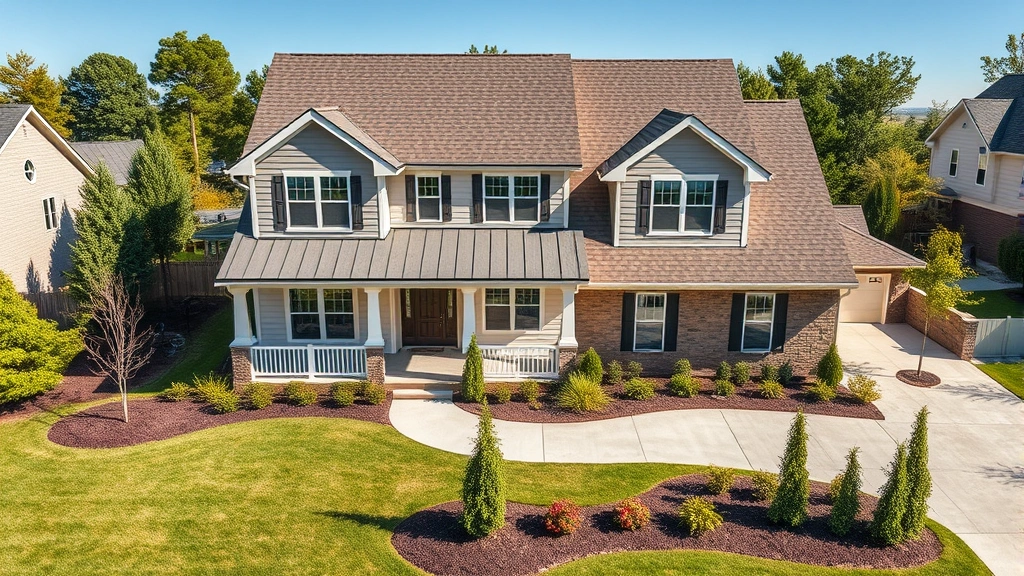
So you’re wondering how long does it take to build a house? The short answer: anywhere from 6 months to over 2 years, depending on what you’re building and what Mother Nature throws at you. But that’s just the surface—there’s a lot happening behind the scenes, and understanding the real timeline can save you headaches, money, and sanity.
Table of Contents
Typical Construction Timeline
Let’s break down the real numbers. A standard single-family home in the U.S. typically takes between 7 to 12 months from breaking ground to moving in. But here’s where it gets tricky—that timeline assumes no major hiccups, decent weather, and materials showing up on schedule. Most builders will tell you they’re running 2-4 weeks behind, and that’s before we even talk about supply chain issues or surprise structural problems.
The pre-construction phase (permits, planning, site prep) can eat up another 2-6 months before a single foundation hole gets dug. So if you’re counting from the moment you sign the contract, you’re looking at closer to 10-18 months for a typical build.
Foundation Work Begins
The foundation stage typically runs 4-8 weeks. This includes site clearing, grading, excavation, and pouring the concrete foundation. Sounds straightforward, right? Not always. If the soil conditions are sketchy or they hit unexpected rock, add another 2-3 weeks. Weather plays a huge role here too—you can’t pour concrete in freezing temperatures or heavy rain, so winter builds get delayed fast.
This is also when utility connections start getting planned. Getting water, sewer, electric, and gas lines to your site requires coordination with multiple municipal departments, which moves at the speed of bureaucracy.
Framing: The Skeleton
Once the foundation cures (usually 7-10 days), framing begins. This phase typically takes 4-6 weeks for a standard home. You’ll see the walls, roof structure, and overall shape come together. This is the most visible progress, and it’s exciting—but it’s also where timing can get compressed if the crew is working efficiently and materials are on-site.
Modern prefab framing can speed this up significantly. Some builders are using pre-cut lumber packages that reduce framing time by 20-30%. If you’re interested in understanding how systems work in your new home, check out our guide on how to program your Honeywell thermostat—you’ll need to know this stuff once you move in.
Systems Installation Phase
This is where things get dense with activity. Electrical rough-in, plumbing, HVAC, and insulation typically happen over 4-8 weeks. These trades need to work in a specific sequence, and if one crew shows up late, everyone backs up. It’s like a domino effect—the electrician needs to finish before drywall goes up, the plumber needs to be done before the inspector signs off, and so on.
Inspections happen at multiple checkpoints here. Your building inspector will want to see the rough electrical, plumbing, and framing before anything gets covered up. Delays in inspection scheduling can add 1-2 weeks to this phase alone.
Interior Finishing Touches
Drywall, taping, mudding, painting, flooring, cabinetry, and trim work typically consume 6-10 weeks. This is where the house starts feeling like a home. Drywall alone takes 2-3 weeks (install, tape, mud, sand, paint), and that’s if everything goes smoothly.
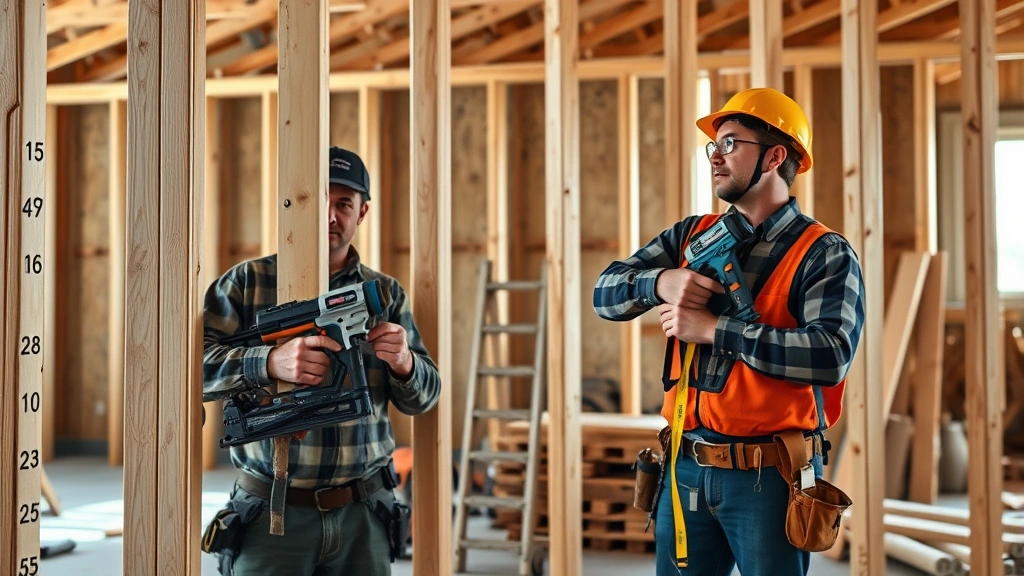
Flooring installation, cabinet hanging, and finish carpentry are labor-intensive and can’t all happen simultaneously. There’s a choreography to it. You need to understand that quality takes time—rushing this phase shows up in every room for the next 30 years.
Exterior Completion
Roofing, siding, exterior doors, windows, and landscaping typically run parallel with interior work, taking 4-8 weeks total. The roof needs to be weather-tight before interior work really ramps up. Siding and exterior finishing can happen while interior crews are working, which helps compress the timeline.
Weather is the biggest wildcard here. Roofers won’t work in heavy rain or high winds. Siding crews need dry conditions. One bad storm system can push this phase back 1-2 weeks.
Final Inspections Matter
The final walkthrough and inspections typically take 1-2 weeks. Your inspector needs to verify that everything meets code—electrical, plumbing, structural, fire safety, energy efficiency. If issues are found, they need to be corrected before the certificate of occupancy is issued.
This is non-negotiable. You can’t move in without that certificate, and fixing problems after discovery can add weeks if they’re structural or systems-related. It’s worth having your own inspector do a pre-final walkthrough to catch issues before the official inspection.
Weather & Unforeseen Delays
Here’s the reality check: weather is the single biggest factor in construction delays. Rain, snow, extreme heat, and high winds all shut down work. In northern climates, winter can add 2-4 months to the timeline. In the South, hurricane season can wreak havoc.
Beyond weather, supply chain disruptions are real. If lumber, windows, or appliances are backordered, you’re waiting. Material shortages have become the new normal post-2020, adding 4-12 weeks to many projects.
Unexpected structural issues discovered during construction (rot, poor soil conditions, utility conflicts) can add 2-6 weeks depending on severity. This is why thorough pre-construction site assessment matters.
Custom vs. Standard Builds
Standard production builds in established subdivisions move faster—usually 6-9 months. Custom homes built on your own land? Add 3-6 months minimum. Custom builds involve more decisions, more back-and-forths, and more specialized work. High-end custom homes can stretch to 18-24 months.
The complexity factor matters too. A simple rectangular ranch builds faster than a multi-level home with complex roof lines and custom features. Every architectural wrinkle adds time.
If you’re building in an area where you need to handle your own systems setup, you might want to familiarize yourself with things like basic tech troubleshooting for the smart home components increasingly common in new builds.
Frequently Asked Questions
What’s the fastest a house can be built?
In ideal conditions with experienced crews and prefab components, a standard home can be framed and dried-in within 8-10 weeks. However, getting to move-in ready still takes 6-9 months minimum. Modular homes can be faster—sometimes 4-6 months total—but they’re more limited in customization.
Does the size of the house affect build time?
Absolutely. A 1,500 sq ft home builds faster than a 4,000 sq ft custom mansion. However, it’s not perfectly proportional. A 3,000 sq ft home doesn’t take twice as long as a 1,500 sq ft home—you’re looking at maybe 20-30% longer. The foundation, roof, and many systems don’t scale linearly with square footage.
Can I speed up the building process?
Yes, but with caveats. Paying for expedited permits can help. Using prefab framing or modular components saves time. Having all decisions made upfront prevents delays. But you can’t rush inspections, material curing times, or weather. Trying to compress the timeline too aggressively often results in quality issues or rework that actually delays things.
What happens if construction stops mid-project?
If work halts for more than a few weeks, you’re looking at delays when restarting. Crews move to other jobs, material prices may change, and permits might need renewal. A 2-month work stoppage can easily add 4-6 weeks to your final timeline once work resumes.
Is there a best time of year to start building?
Spring through early fall is ideal in most climates. Starting in spring gives you the full warm season to work with. Starting in fall means you’re racing winter. Winter starts are generally the worst—you’re fighting weather from day one, and the framing stage (which needs dry conditions) happens in the worst season. If you must build in winter, budget an extra 2-4 months.
How do permits affect the timeline?
Significantly. Getting initial permits can take 2-8 weeks depending on your jurisdiction. Then inspections must happen at specific stages. If an inspector finds issues, corrections and re-inspection add 1-3 weeks per cycle. Some municipalities are faster than others—rural areas sometimes move quicker, while urban areas can be bureaucratic nightmares.


