
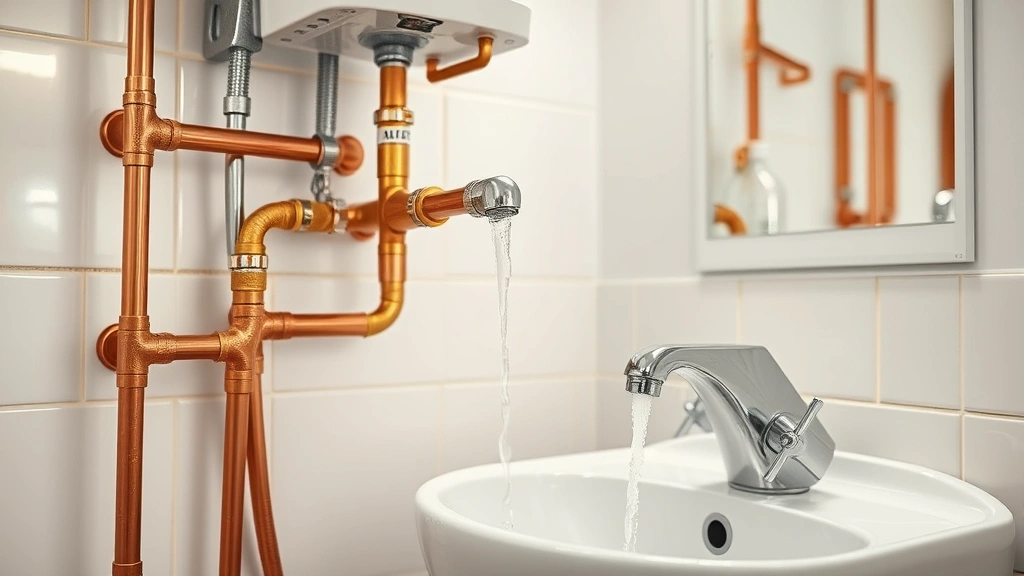
So you’re wondering how long does it take to become a plumber? The honest answer: it’s not a quick sprint, but it’s a solid career move that’ll pay off big time. Most folks are looking at 4-5 years of combined classroom and hands-on work before you’re fully licensed and ready to charge customers for your expertise. But the timeline varies depending on where you live, what path you take, and how hard you’re willing to hustle.
Table of Contents
Apprenticeship Basics Explained
The standard route to becoming a licensed plumber starts with an apprenticeship program. Think of it like a paid internship that actually teaches you the trade from the ground up. You’ll work alongside experienced plumbers, learning everything from pipe fitting to code compliance while earning a paycheck. Most apprenticeships run 4-5 years, combining classroom instruction with real jobsite experience.
Here’s the kicker: you’re getting paid while you learn. Starting wages for apprentices typically range from 40-50% of a journeyman plumber’s salary, and that percentage increases as you progress. It’s not get-rich-quick money, but it beats paying tuition while sitting in a classroom all day.
Classroom Hours Required
Every plumber needs formal classroom training—there’s no way around it. The typical requirement is 400-600 hours of classroom instruction spread across your apprenticeship years. This covers plumbing codes, safety protocols, blueprint reading, and the science behind water pressure and drainage systems.
Most programs structure this as evening or weekend classes while you work during the day. Some offer block scheduling where you do intensive weeks of classroom time. You’ll learn about different pipe materials, fixture installation, troubleshooting leaks, and—crucially—how to pass your licensing exams. This classroom work isn’t busywork; it’s the foundation that separates competent plumbers from dangerous hacks.
On-the-Job Training Timeline
The real education happens on job sites. Most apprenticeships require 8,000-10,000 hours of on-the-job training under a licensed plumber’s supervision. That sounds like a lot because it is—it’s roughly 4-5 years of full-time work. During this time, you’re not just watching; you’re actively installing pipes, repairing fixtures, diagnosing problems, and learning how to handle customers.
Your mentor (usually a journeyman plumber) will gradually give you more responsibility. Year one, you’re mostly running materials and prepping work. By year four, you’re tackling complex installations with minimal supervision. This hands-on experience is irreplaceable—you can’t learn how to sweat copper joints or diagnose a sewer backup from a textbook.
Licensing Exams and Testing
Once you’ve logged enough hours and classroom time, you’ll take the journeyman plumber exam. This isn’t a joke test—it covers plumbing codes, safety standards, calculations, and practical knowledge. Pass rates vary, but expect to study hard. Many apprentices take prep courses or study groups to boost their odds.
The exam typically has two parts: a written section covering codes and theory, and sometimes a practical component where you demonstrate actual plumbing skills. Different states have different testing boards, so check your local requirements. Most people pass on their first or second attempt, but some need multiple tries. Plan for 2-4 weeks of solid studying before test day.
Fast-Track Options Available
If you’re impatient (and who isn’t?), some states and trade schools offer accelerated programs. You might compress the timeline to 2-3 years by doing intensive full-time classroom work combined with accelerated on-the-job hours. However, these programs are demanding—you’re looking at 40+ hour weeks of both classroom and fieldwork simultaneously.
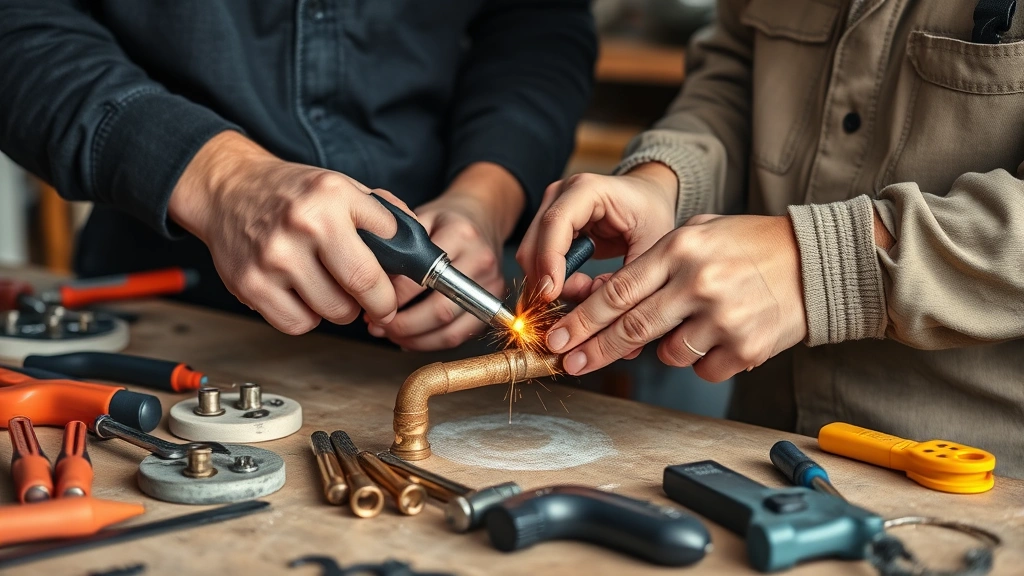
Some military programs also offer plumbing training that can shorten your civilian apprenticeship timeline. If you served in the military and worked in construction or maintenance, you might get credit for those hours toward your civilian license. It’s worth checking with your state’s licensing board about prior experience credits.
State Variations Matter
Here’s where it gets tricky: every state has different requirements. Some states require 8,000 hours of apprenticeship; others want 10,000. Some require 400 classroom hours; others demand 600. A few states have reciprocity agreements, meaning if you’re licensed in one state, you can transfer to another with minimal additional requirements. Most don’t.
California, Texas, Florida, and New York all have slightly different timelines and requirements. Before committing to an apprenticeship, research your specific state’s licensing board requirements. The difference between states could mean 6 months to a year of additional training. Your state’s plumbing board website will have the exact breakdown.
Master Plumber Path
Want to go beyond journeyman? Becoming a master plumber adds another 1-2 years. After you’re licensed as a journeyman, you need additional experience (usually 2+ years of full-time work) and more classroom hours (typically 300-400 additional hours). Then you’ll take the master plumber exam, which is significantly harder than the journeyman test.
Master plumbers can design plumbing systems, pull permits, and run their own businesses. It’s the credential that lets you bid on major commercial projects and hire your own crew. If you’re thinking long-term about building a plumbing business, this is the path to take.
Real-World Timeline Breakdown
Let’s get specific. Here’s what a typical 5-year journey looks like:
Years 1-2: Apprenticeship entry level. You’re learning basics, working under constant supervision, taking evening classes. You’re making maybe $18-25/hour depending on location. You’ll complete roughly 4,000 hours of fieldwork and 200-300 classroom hours.
Years 2-3: Intermediate apprenticeship. More complex tasks, less supervision, higher pay ($25-35/hour). Another 2,000-3,000 fieldwork hours and 100-200 classroom hours.
Years 3-4: Advanced apprenticeship. You’re nearly independent, handling most tasks with occasional check-ins. Pay jumps to $30-40/hour. Final 2,000-3,000 fieldwork hours and remaining classroom requirements.
Year 5: Final hours, exam prep, and licensing. You take the journeyman exam and (hopefully) pass. You’re now a licensed plumber earning $45-65/hour as a journeyman.
This timeline assumes you’re doing full-time work. If you’re part-time or in a slower market, add 1-2 years. If you’re in a fast-track program, subtract 1-2 years. The variation is real.
Frequently Asked Questions
Can you become a plumber without an apprenticeship?
Not legally. Every state requires some form of apprenticeship or equivalent training before you can get licensed. You can’t just take a test and become a plumber. Some states allow alternative pathways like trade school plus work experience, but you still need formal training and documented hours.
How much does plumbing school cost?
Most apprenticeships are free or low-cost because employers sponsor them. You might pay $500-2,000 for classroom materials and exam fees over 5 years. If you go the trade school route instead of apprenticeship, expect $10,000-30,000 total. But remember, you’re earning while you apprentice, so you’re not going into debt like college students.
What’s the difference between a journeyman and master plumber?
A journeyman is fully licensed and can do all plumbing work independently. A master plumber has additional training and can design systems, pull permits, and run a business. Most plumbers are journeymen. Masters typically earn 15-25% more but have more responsibility and business overhead.
Can you switch careers and become a plumber?
Absolutely. Career changers go through the same apprenticeship timeline as anyone else—4-5 years. Some people start apprenticeships in their 30s, 40s, or even 50s. The trade values competence over age. If you’re switching from a skilled trade (electrician, HVAC), you might get some hour credits, shaving off 6-12 months.
What if I already have some plumbing experience?
Many states offer credit for relevant experience. If you’ve worked in maintenance, construction, or HVAC, you might qualify for hour reductions. Document everything and talk to your state’s licensing board about prior experience credits. This could cut 6 months to 2 years off your timeline.
How do I find an apprenticeship program?
Start with your local union plumbers’ local (if your area has one), trade schools, or the Associated Builders and Contractors. Check your state’s licensing board website for approved programs. Many plumbing companies hire apprentices directly. You can also contact the United Association of Plumbers and Pipefitters for resources.
Is plumbing a good career choice?
Yes. Plumbers earn solid middle-class income ($50,000-80,000+ annually), have job security, and can build their own business. Unlike some careers, plumbing skills are always in demand. Every building needs plumbing, and people need repairs. The job market is strong, especially in growing areas.


