
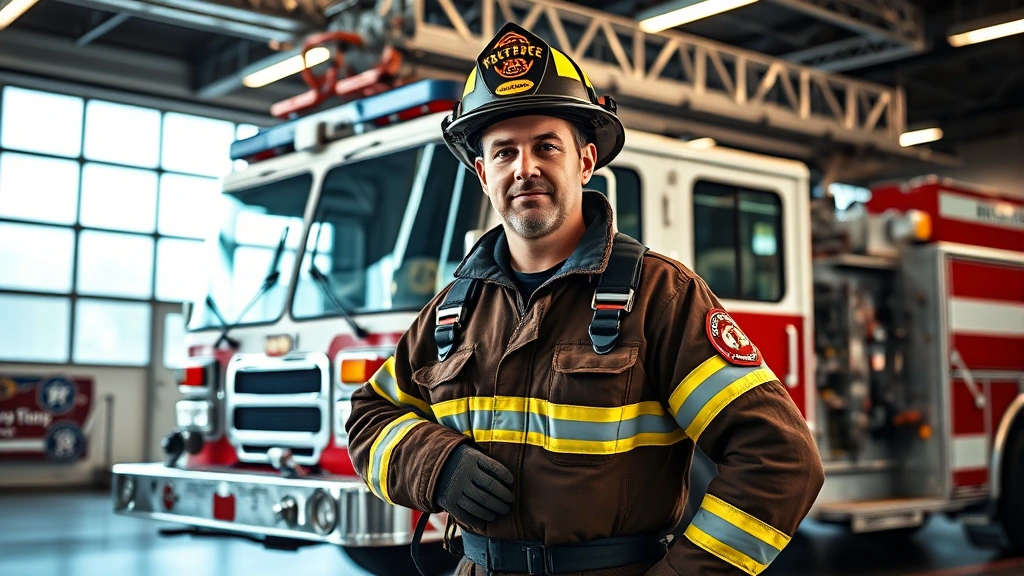
So you’re wondering how long does it take to become a firefighter? The short answer: typically 12-18 months from application to your first day on the job, but the full journey—including prerequisites and optional certifications—can stretch 2-4 years. Let me walk you through the real timeline, because this career path isn’t a straight shot, and knowing what’s ahead helps you prepare like a pro.
Table of Contents
Eligibility Requirements First
Before you even think about timeline, you need to check the boxes. Most departments require you to be at least 18 years old (some want 21), have a high school diploma or GED, and hold a valid driver’s license. You’ll also need to pass a basic background check just to apply. This isn’t a lengthy process—maybe 2-4 weeks if you’ve got your documents ready—but it’s the gate you walk through before anything else happens.
Some departments prefer EMT certification before you apply. That’s an additional 4-6 months if you don’t have it already. Many candidates get their EMT-Basic while waiting for the hiring process to move forward, which is smart use of downtime. Think of it like prepping your workspace before the main project begins.
Written Exam & Testing Phase
The written exam typically happens 2-3 months after you submit your application. You’ll need 3-6 weeks to study effectively (more if you’re not a strong test-taker). The test covers reading comprehension, mechanical reasoning, spatial relations, and situational judgment. It’s not rocket science, but it requires focused preparation.
Most departments use the Firefighter Candidate Physical Ability Test (CPAT) or similar assessments. If you pass the written exam—usually top 50% of candidates move forward—you’ll schedule the physical test within 4-8 weeks. The timeline here depends entirely on your department’s hiring cycle and how many candidates they’re processing.
Physical Agility Test (CPAT)
The CPAT is where the rubber meets the road. You’ve got 10 minutes 20 seconds to complete eight events while wearing a 75-pound weighted vest: stair climbing, hose drag, ladder climb, forcible entry, victim rescue, ceiling breach, and stair descent. Sounds brutal? It is, but it’s designed to mirror real firefighting demands.
Most candidates spend 2-3 months training specifically for CPAT if they’re not already in peak condition. You’ll want to incorporate stair work, heavy carries, and functional strength training. The test itself takes about 30 minutes per candidate, and departments often run these events over 2-3 days to test all qualified applicants. If you pass—typically top 10-15% advance—you’re moving into the investigation phase.
Background Investigation Process
This is the longest, most thorough part of the hiring process. Your background investigator will contact previous employers, neighbors, friends, and family. They’ll review your financial history, driving record, and any legal issues. This typically takes 8-12 weeks, sometimes longer if they need to track down references or verify employment history.
Stay squeaky clean during this phase. Any red flags—missed court dates, financial irresponsibility, dishonesty—will disqualify you. The investigator is basically asking everyone who knows you: “Is this person trustworthy enough to run into burning buildings?” You can also reference our guide on how to fold an American flag as a way to demonstrate respect for the profession and institution.
Medical & Psychological Evaluation
Once your background clears, you’ll undergo a comprehensive medical exam and psychological evaluation. The medical exam includes vision and hearing tests, drug screening, and a physical by a physician. The psychological evaluation is typically a written test (like the MMPI-2) followed by an interview with a clinical psychologist. This phase takes 4-6 weeks total.
The psychological eval isn’t trying to trick you—they’re assessing whether you can handle the stress, trauma, and decision-making firefighting demands. Be honest. If you’ve got anxiety or depression, disclose it; many firefighters manage these conditions successfully. The department wants to know you’ll reach out for help when needed, not that you’re a robot.
Fire Academy Training Duration
Congratulations—you’ve been hired. Now the real work starts. Fire academy runs 12-18 weeks (3-4.5 months) depending on your state and department. Some academies run full-time (40+ hours/week), others part-time over 6-9 months. You’ll learn firefighting tactics, hazmat response, rescue techniques, equipment operation, and fire behavior.
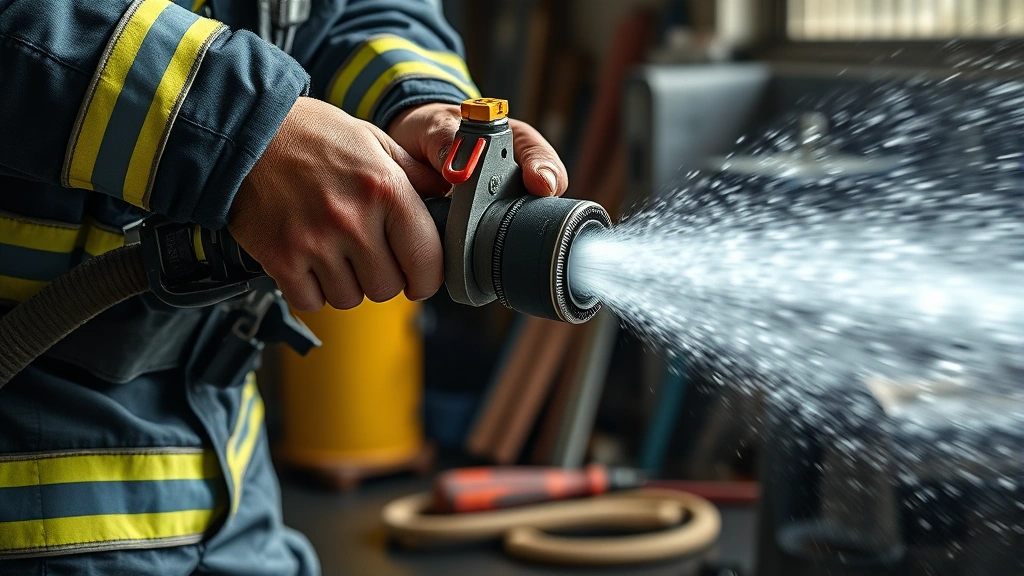
Most academies are structured like military training: physical conditioning, classroom instruction, practical drills, and scenario-based training. You’ll spend weeks on ladder work, hose deployment, ventilation, and victim rescue. By week 12, you’re running live fire exercises. The academy culminates in written and practical exams. Failure rates typically run 10-20%, so take it seriously.
This is also where you’ll earn your Firefighter I and II certifications, which are required in most jurisdictions. These certifications are portable—you can use them in other departments if you transfer later.
Probation & On-the-Job Training
After academy, you’re assigned to a fire station for probation—typically 6-12 months. You’ll work alongside experienced firefighters, learning station procedures, equipment specifics, and how your particular department operates. This is supervised on-the-job training, and you’re being evaluated constantly on technical skills, judgment, and fit with the crew.
Probation is pass/fail. You need to demonstrate competency in all required skills and show you can work as part of a team under stress. Most candidates pass, but some wash out here if they can’t handle the reality of the job or don’t mesh with their crew. Think of it like the final quality check before you’re fully certified.
Advanced Certifications Beyond Basics
After you’re fully certified and off probation, many firefighters pursue additional certifications: Hazmat Technician (40-80 hours), Rescue Technician (120+ hours), Paramedic certification (1,000+ hours if you don’t already have EMT), or Fire Inspector credentials. These add 6 months to several years depending on which path you choose.
Some departments require Paramedic certification (about 70% of calls are medical now), which adds 6-12 months if you’re starting from scratch. Others offer it as optional career advancement. You can also check out healthy lunch recipes meal prep to understand the physical demands of maintaining peak condition as a firefighter.
Timeline Breakdown: Start to Finish
Minimum Timeline (12-18 months): Application → Written exam (2-3 months) → Physical test (4-8 weeks) → Background check (8-12 weeks) → Medical/Psych (4-6 weeks) → Academy (12-18 weeks) = roughly 12-18 months if everything moves smoothly and you pass on first attempts.
Realistic Timeline (18-24 months): Most candidates experience delays. Departments might have hiring freezes, you might need to retake the written exam, or your background investigation might take longer. Budget 18-24 months as your planning window.
With Prerequisites (2-4 years): If you need EMT certification first (4-6 months) or want to pursue Paramedic training after hire (6-12 months), you’re looking at 2-4 years total to become a fully certified firefighter-paramedic.
Department Variations Matter
Big-city departments (FDNY, LAFD, Chicago) have massive applicant pools and longer timelines—sometimes 2+ years just to get hired due to volume. Smaller departments might hire in 6-12 months. Rural departments sometimes have lower barriers and faster hiring. Your location dramatically impacts timeline.
Also, some departments hire seasonally or have specific hiring windows (once per year or every two years). Check your target department’s hiring schedule before you start the process. You might be waiting 12+ months just to apply if you miss the window.
Frequently Asked Questions
Can you become a firefighter in 6 months?
Not realistically. The hiring and vetting process alone takes 6-12 months in most cases. Academy is another 3-4 months minimum. You could theoretically compress it to 6-9 months in a small, rural department with accelerated hiring, but that’s rare. Plan for 12-18 months minimum.
What’s the hardest part of becoming a firefighter?
The psychological evaluation and background investigation trip up many candidates. Any history of dishonesty, financial irresponsibility, or substance abuse can disqualify you. The physical test is challenging but trainable; the background check is unforgiving.
Do you get paid during fire academy?
It depends. Some departments hire you as an employee first, so you’re paid during academy (typically at a reduced rate, around $30,000-$40,000/year). Others require you to attend academy at your own cost before hiring. Ask your specific department—it’s a significant financial difference.
How many times can you retake the firefighter exam?
Most departments allow 2-3 attempts within a 12-month period. If you fail three times, you’re typically disqualified for 1-2 years before you can reapply. Take your test prep seriously.
Is the firefighter academy harder than military basic training?
Different challenges. Military basic is more about discipline and mental toughness; fire academy is more technically demanding and physically specific. Both are hard. Fire academy is typically shorter (12-18 weeks vs. 8-10 weeks for military), but the technical knowledge is denser. You can reference the importance of discipline in our article on how to turn off iPhone 15 as an example of following procedures precisely.
Can you become a firefighter part-time while working?
Some departments offer part-time or volunteer positions. Volunteer fire departments have shorter timelines (2-6 months to basic certification) and let you maintain another job. Career firefighting requires full-time commitment once hired. Check your local volunteer departments if you want flexibility.
What if you fail the physical test?
Most departments let you retake it after 30-90 days. Use that time to train specifically for CPAT. Many candidates pass on the second attempt. Focus on stair climbing, heavy carries, and functional strength.
Final Takeaway
Becoming a firefighter takes patience. From the day you submit your application to the day you’re fully certified and off probation, plan for 18-24 months in most markets. The hiring process is deliberately thorough because departments need people they can trust with their lives and the public’s safety. Use the waiting periods productively: get your EMT certification, train for the physical test, study for the written exam. The more prepared you are, the faster you’ll move through each phase. And once you’re in? You’re part of a profession that’s genuinely noble. That timeline is worth the wait.
For more context on commitment and preparation, you might find value in our guide on how long does it take for ibuprofen to work, which illustrates how different processes have different timelines depending on conditions.


