

So you’re wondering how long does it take to become a dental hygienist? The short answer: typically 2-4 years, depending on your starting point and the path you choose. But there’s way more to unpack here, and the real timeline involves education, licensing, and hands-on training that’ll shape your entire career. Let’s dig into what you’re actually looking at.
Table of Contents
Education Requirements Overview
Before you can call yourself a dental hygienist, you need formal education from an accredited program. Most programs require a high school diploma or GED as your entry point. The dental hygiene field is regulated, which means you can’t just wing it or learn on the job like some trades. You’ll need classroom instruction, laboratory work, and clinical experience with actual patients.
The typical timeline breaks down like this: most people spend 2 years in an associate degree program, though bachelor’s degrees take 4 years. Some states have shorter certificate programs that might get you started in 12-18 months, but these are less common and often require additional education later. Think of it like building a house—you need the right foundation before you can add anything on top.
Associate Degree Path
The associate degree is the most popular route, and for good reason. You’re looking at about 2 years of full-time study, which typically breaks down to 4 semesters. During this time, you’ll take courses in oral anatomy, dental materials, periodontics, and patient care techniques. It’s not just sitting in classrooms either—a solid chunk of your time goes to hands-on clinical practice.
Most associate programs require around 2,000+ clinical hours where you’re actually working with patients under supervision. That’s a lot of chair time, and it’s essential because you can’t practice on mannequins alone. You need real-world experience dealing with different patient situations, anxiety levels, and dental conditions. Many programs structure this so you’re alternating between classroom days and clinic days, which keeps things varied and prevents burnout.
If you’re comparing this to becoming a pharmacist, you’ll notice dental hygiene is significantly faster—pharmacists typically need 6-8 years total. The trade-off is that hygienists have a more defined scope of practice, which actually works in your favor for getting licensed quickly.
Bachelor’s Degree Option
Want to go deeper? A bachelor’s degree in dental hygiene takes 4 years and opens more doors for advancement. You’ll cover everything in the associate program, plus additional coursework in research, education, management, and advanced clinical techniques. This path makes sense if you’re thinking about teaching, research, or moving into dental public health roles down the line.
The bachelor’s route doesn’t necessarily mean more clinical hours—you’re mostly adding general education requirements and specialized upper-level courses. However, some bachelor’s programs do include more advanced clinical experiences, which can make you more competitive for specialized positions. It’s worth checking how many credits you need to graduate college because dental hygiene bachelor’s programs typically require 120+ semester hours total.
Here’s the real talk: employers don’t always prefer bachelor’s degrees for basic hygiene positions. But if you’re eyeing leadership roles, teaching positions, or working in specialized settings like research facilities or public health departments, that four-year degree becomes valuable. It’s an investment in your future flexibility.
Licensing Exams and Certification
You can’t practice as a dental hygienist without passing your licensing exams, and that’s where the timeline gets specific. After completing your education program, you’ll take the National Board Dental Hygiene Examination (NBDHE), which is a standardized test covering everything you’ve learned. Most people schedule this within a few months of graduation, so add 2-4 months to your timeline if you need study time.
Beyond the national exam, most states require a clinical licensing exam where you actually demonstrate your skills on patients. This varies by state—some use the Northeast Regional Board Exam, others have their own state-specific exams. You’ll need to schedule this after passing the national board, which adds another month or two. Some states let you take these simultaneously, while others require you to pass the national exam first.
There’s also the jurisprudence exam in some states, which tests your knowledge of dental practice laws and regulations. This is usually the easiest of the three and can often be taken online. Once you pass all required exams, you’ll get your license and can legally practice. The entire exam process typically takes 3-6 months from start to finish, depending on how quickly you schedule appointments and study.
Clinical Hours and Hands-On Training
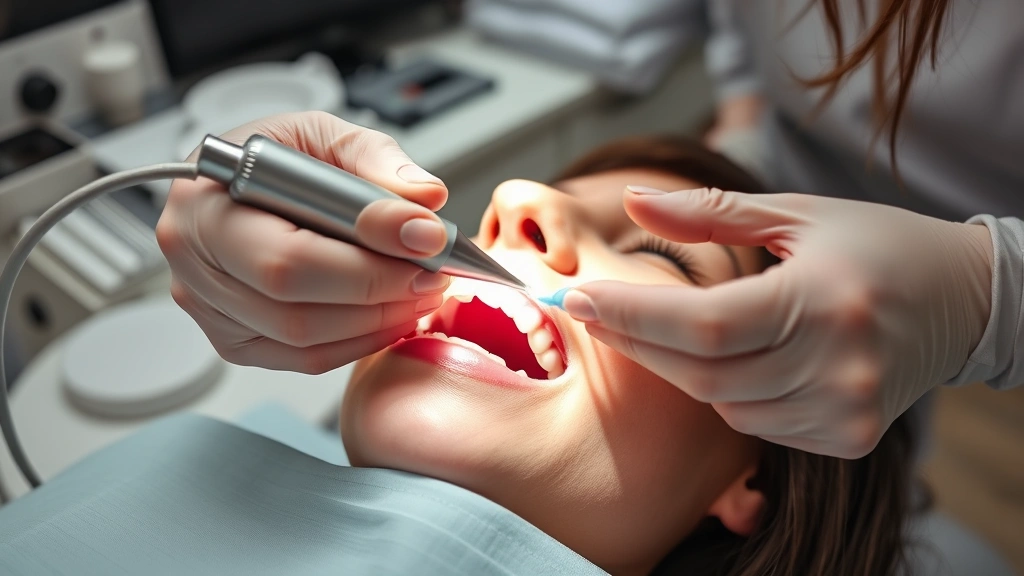
Here’s where dental hygiene differs from purely classroom-based programs: you need serious clinical experience. Most accredited programs require 2,000-2,500 clinical hours, and these aren’t optional or theoretical. You’re actually cleaning teeth, taking X-rays, performing assessments, and educating patients under the supervision of licensed dentists and experienced instructors.
These clinical hours are built into your program timeline—they’re not something you do after graduation. You’ll typically spend 2-3 days per week in the clinic, working with real patients who come to the dental school or program clinic. This is actually great because you get paid experience while learning, and patients get affordable dental care. It’s a win-win that keeps the timeline realistic.
The clinical component is why you can’t really speed up dental hygiene education much. You can’t cram patient interactions or skip ahead on experience. Some accelerated programs try to compress everything into shorter timeframes, but they still require the full clinical hours—they just pack them more densely into your schedule.
State-by-State Variations
Here’s something that trips people up: requirements vary significantly by state. Some states are reciprocal, meaning they recognize licenses from other states. Others require additional exams or credentials even if you’re licensed elsewhere. If you’re planning to practice in a specific state, you need to check their dental board requirements early in your planning.
A few states have different hygiene categories with varying requirements. For example, some states allow expanded functions for dental hygienists who complete additional training, which can add 6-12 months to your timeline if you want those credentials. Other states are more restrictive about what hygienists can do, so the scope of practice varies wildly depending on where you want to work.
Before enrolling in a program, verify that it’s accredited by the Commission on Dental Accreditation (CODA) and check if that accreditation is accepted in your target state. Some programs are accredited in their state but not nationally, which could limit your mobility. This research step takes a few weeks but saves you massive headaches down the road.
Accelerated Programs Available
If you’re in a hurry, some programs claim to get you licensed in 12-18 months. These exist, but they’re intense. You’re essentially taking the same curriculum but at a much faster pace—think full-time classes plus evening clinics, weekend clinics, and compressed schedules. It’s doable, but it’s grueling, and you need to be sure you’re choosing an accredited program.
The catch with accelerated programs is that they still need to meet the clinical hour requirements, so they pack those hours densely into your schedule. You might be in clinic 4-5 days per week instead of 2-3. Some accelerated programs are designed for people who already have a bachelor’s degree in another field, which lets them skip general education requirements and focus purely on dental hygiene coursework.
Be cautious about programs that seem too fast or too cheap. Accreditation matters, and cutting corners on education can hurt your licensing exam performance. A slightly longer program from a well-established school might actually get you to practice faster because you’ll pass your exams on the first try instead of needing retakes.
Career Advancement After Certification
Getting licensed isn’t the end of the timeline—it’s the beginning of your career. Most dental hygienists start in general practice, but after a few years of experience, you can pursue specializations. Periodontal specialization, for example, typically requires an additional 12-24 months of postgraduate training. If you’re interested in teaching or research, you might pursue a master’s degree, which adds 2 more years.
Some hygienists transition into dental therapy or advanced practice roles, which require additional certification. These pathways can add 6 months to 2 years depending on what you pursue. The nice thing is that you’re already licensed and earning while you pursue these advanced credentials, so it’s not the same time commitment as the initial education.

Professional development doesn’t stop after licensing. Most states require continuing education hours annually (typically 12-24 hours per year) to maintain your license. This keeps you current with new techniques and materials but is usually just a few courses per year, not a major time commitment.
Frequently Asked Questions
Can you become a dental hygienist in 1 year?
Realistically, no. Even the fastest programs take 12-18 months, and those are extremely compressed and rare. The standard is 2 years for an associate degree. You could theoretically complete coursework faster, but you still need to complete all required clinical hours, which takes time. Rushing through education often means struggling with licensing exams, so the faster route isn’t always the smarter one.
Is dental hygiene school harder than nursing school?
They’re different challenges. Dental hygiene is more specialized and focused, while nursing has broader medical knowledge requirements. Dental hygiene programs are typically 2 years versus nursing’s 4 years, but both require significant clinical training. The difficulty really depends on your strengths—if you’re detail-oriented and good with hands-on work, dental hygiene might feel easier. If you prefer broader medical knowledge, nursing might suit you better.
Do you need a bachelor’s degree to start dental hygiene school?
No, you just need a high school diploma or GED. Most associate degree programs don’t require a bachelor’s degree beforehand. However, some bachelor’s programs do require certain prerequisites like biology or chemistry, which might add a semester if you haven’t taken them. You can always earn your bachelor’s degree in dental hygiene directly rather than getting one first in another field.
How much does dental hygiene school cost?
Program costs vary wildly from $20,000 to $60,000+ for the full program depending on whether it’s public, private, or at a dental school. Community colleges are typically cheaper than private institutions. This doesn’t affect your timeline directly, but it might influence which program you choose, which could affect how quickly you graduate depending on program structure and your ability to attend full-time.
Can you work while attending dental hygiene school?
It’s challenging but possible. Most programs are full-time with clinical requirements that make part-time work difficult. Some people work weekends or evenings, but you’ll be exhausted. Many programs are structured so you can’t work significant hours during the week because of clinic schedules. Some programs are more flexible than others, so ask about scheduling before enrolling if this is important to you.
What’s the difference between a dental hygienist and a dental therapist?
Dental therapists have expanded scope of practice and can perform some procedures that hygienists cannot, like fillings in some states. Becoming a dental therapist typically requires additional training beyond hygiene certification—usually 12-24 months of additional postgraduate education. It’s a separate career path that builds on hygiene experience.
How long does it take to get a dental hygiene license after graduation?
Typically 2-4 months from graduation to fully licensed. You’ll take the national board exam within a few weeks of graduation, then schedule your clinical exam. Some states let you test simultaneously, others require sequential testing. Once you pass all exams, you can apply for your state license, which usually processes within 2-4 weeks. The entire process from graduation to practicing independently usually takes 3-6 months.
The Complete Timeline Summary
Here’s the bottom line: how long does it take to become a dental hygienist is typically 2-4 years from start to practicing independently. That breaks down roughly like this: 2 years for an associate degree program (or 4 years for a bachelor’s), plus 3-6 months for licensing exams and processing. If you’re starting from scratch with no college credits, you’re looking at a 2-year and 3-6 month timeline for the most common path.
The real-world timeline also depends on your choices. If you already have some college credits, you might shave a few months off. If you choose an accelerated program, you could potentially be licensed in 18-24 months, but you’ll be working incredibly hard. If you want a bachelor’s degree and plan to specialize later, you’re looking at 4+ years before you’re fully practicing in your specialty.
The key is that dental hygiene has a defined, regulated pathway. You can’t skip steps or fake experience. But that’s actually a good thing because it means employers know exactly what you’ve learned and what you’re capable of doing. Once you’re licensed, you’re entering a field with solid job security, decent pay, and flexibility in how you structure your career. That 2-4 year investment pays dividends for decades.


