

So you’re wondering how long does it take to be a tan—well, grab a cold drink and let’s break this down like we’re hanging out in the workshop. The truth is, getting a tan isn’t one-size-fits-all. Whether you’re chasing that golden glow from the sun, a spray booth, or a bottle of self-tanner, the timeline varies wildly depending on your skin type, the method you choose, and how seriously you’re willing to commit to the process.
Table of Contents
Natural Sun Tanning Timeline
Let’s start with the classic method—good old sunshine. If you’re going the natural route, expect your first noticeable tan to develop within 3 to 6 hours of sun exposure. But here’s the catch: that initial color is mostly erythema, which is basically your skin’s inflammatory response to UV rays. It’s not a true tan yet.
A genuine, lasting tan develops over several days. Most people see a real, buildable tan after about 2 to 3 days of consistent sun exposure. If you’re spending 30 minutes to an hour in the sun daily, you’ll notice deepening color within a week. After 2 to 3 weeks of regular sun time, you’ll have a solid, noticeable tan that makes you look like you actually took a vacation.
The key here is consistency and patience. Your skin needs time to produce melanin—that’s the pigment that creates the tan. Think of it like staining wood; you don’t get the final color in one coat. You’re building layers.
Skin Type Matters Most
This is where things get real. If you’ve got fair skin, you’re looking at longer timeframes—we’re talking 4 to 6 weeks to develop a deep, lasting tan. Medium skin tones typically tan faster, showing visible results within 1 to 2 weeks. Darker skin tones naturally have more melanin, so they’ll show color changes more quickly, sometimes within just a few days.
Your genetics literally control how fast you tan. Some people’s skin just doesn’t produce melanin as readily. That’s not a flaw; it’s just biology. If you’re naturally pale, you might never achieve that deep bronze look without artificial methods, and that’s completely okay.
The Fitzpatrick scale classifies skin types from I (very pale) to VI (dark brown). If you’re Type I or II, realistic expectations are crucial. You might spend weeks in the sun and still have a light tan. Type V and VI folks will see dramatic changes in days.
Spray Tan Results Fast
Want instant gratification? Spray tans are your answer. You can walk into a booth and walk out looking tanned in just 15 to 30 minutes. The color develops fully within 4 to 8 hours as the DHA (dihydroxyacetone) in the spray solution reacts with your skin’s amino acids.
Professional spray tans typically last 7 to 10 days before fading. The best part? There’s zero UV damage. You’re not cooking your skin; you’re just coating it with a temporary color. This method is perfect if you need a tan for an event and don’t have weeks to wait.
The downside is cost—professional spray tans run $25 to $75 per session, and if you want to maintain that color year-round, you’re looking at monthly visits. But for special occasions or someone with sensitive skin, it’s worth every penny.
Self-Tanner Application Guide
Self-tanning lotions, mousses, and sprays are the middle ground. You apply them at home, and they work similarly to spray tans—using DHA to create color. Visible results appear within 2 to 4 hours, with full color development by the next morning.
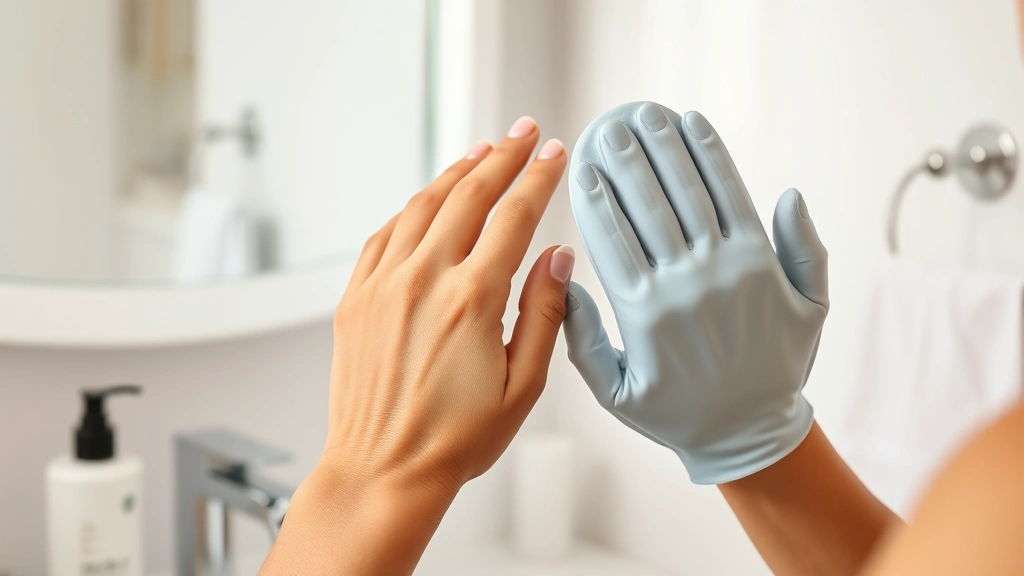
Here’s the real talk: application matters everything. If you slap it on unevenly, you’ll get streaks and patches. The best approach is to exfoliate first, apply moisturizer to dry areas, and use a tanning mitt to apply the product evenly. Many people mess this up on their first try, so don’t sweat it if your initial attempt looks blotchy.
Self-tanners last about 5 to 7 days before fading, and they fade unevenly if you don’t maintain them. You’ll need to reapply every week if you want consistent color. Cost-wise, you’re looking at $10 to $30 per bottle, and one bottle lasts several applications, making it the budget-friendly option.
Tanning Beds Speed Things Up
Tanning beds accelerate the process significantly. You can develop a visible tan in 1 to 2 sessions, with each session lasting 10 to 20 minutes. Most people see noticeable results after 3 to 5 visits spread across 1 to 2 weeks.
The catch? Dermatologists universally agree that tanning beds carry serious health risks. They emit UVA and UVB radiation, which increases skin cancer risk and accelerates aging. If you’re considering this route, understand you’re trading appearance for health concerns. It’s not a decision to make lightly.
Tanning beds cost $20 to $50 per session, and maintenance requires weekly visits. Over a year, that adds up fast. Plus, you’re building tolerance, so you’ll need longer sessions over time to maintain results.
First Tan Expectations
Your first tan ever will likely disappoint you. Don’t panic—this is normal. Your initial tan will be lighter than you expect because you’re starting from zero melanin production. It takes your skin a few weeks to really ramp up melanin synthesis.
Expect your first tan to take 2 to 3 weeks of consistent sun exposure before it looks genuinely impressive. The first week, you’ll see color, but it’ll be subtle. By week two, friends might notice. By week three, you’ll have something worth showing off.
Also, understand that tans fade. Once you stop the tanning method, your skin naturally sheds that melanin-rich outer layer. You’ll lose color gradually over 2 to 4 weeks. This is why maintenance is key if you want to keep that glow year-round.
Maintaining Your Tan
Getting the tan is one thing; keeping it is another. If you’re using natural sun exposure, you need consistent maintenance. Just 15 to 30 minutes of sun exposure 2 to 3 times weekly keeps your tan from fading completely.
For spray tans and self-tanners, you’re reapplying every 5 to 7 days. Many people do a maintenance application weekly rather than letting it fade completely. It’s less noticeable that way.
Moisturizing heavily extends tan life significantly. Dry skin sheds faster, taking your tan with it. Use a quality moisturizer daily, and your tan will last noticeably longer. Some people swear by tanning-specific moisturizers that claim to extend color, though regular lotion works fine.
Common Tanning Mistakes
Let’s talk about what not to do. First mistake: not using sunscreen with natural sun tanning. Yeah, you want color, but burning is counterproductive and dangerous. Use SPF 15 to 30 and reapply every two hours. You’ll tan slower, but you’ll actually keep your skin healthy.
Second mistake: uneven application with self-tanners. This is why the tanning mitt exists. Use it. Seriously. Your elbows, knees, and hands will thank you.
Third mistake: expecting results overnight from natural sun tanning. You need patience. Rome wasn’t built in a day, and neither is a proper tan. If you’re rushing the process, you’ll either burn or get frustrated and quit.
Fourth mistake: overdoing tanning beds. More sessions don’t equal better results. Your skin needs recovery time. Spacing sessions 48 hours apart is standard for a reason.
Safety Considerations Matter
Here’s what you need to know: UV exposure causes skin damage, period. Whether it’s from the sun or a bed, UVA and UVB rays damage DNA in your skin cells. This increases melanoma risk, basal cell carcinoma risk, and squamous cell carcinoma risk. It also causes premature aging, wrinkles, and age spots.
If you have a family history of skin cancer, fair skin, or lots of moles, talk to a dermatologist before pursuing any tanning method. They can assess your individual risk and guide you toward safer options like spray tans or self-tanners, which carry zero UV risk.
Self-tanners and spray tans are genuinely safe. They don’t use UV radiation. The only concern is allergic reactions to DHA, which is rare. If you’re concerned, do a patch test 24 hours before full application.
Natural sun exposure is safest when you’re smart about it: use sunscreen, limit peak hours (10 AM to 4 PM), and build gradually. You can absolutely tan safely with sun exposure; you just need discipline.
Frequently Asked Questions
How long does it take to get a tan from the sun?
You’ll see initial color within 3 to 6 hours, but a true, lasting tan takes 2 to 3 weeks of consistent sun exposure. Fair skin types might need 4 to 6 weeks for a noticeable tan.
Can you get a tan in one day?
You can get color in one day, but it won’t be a true tan. That initial redness is your skin’s inflammatory response, not actual melanin. A real tan requires multiple days or weeks of consistent exposure.
Do spray tans look natural?
Professional spray tans look natural when applied correctly. At-home self-tanners can look streaky if you’re not careful with application. Invest in a good tanning mitt and go slow.
How often should I tan to maintain color?
For natural sun tanning, 2 to 3 sessions weekly of 15 to 30 minutes maintains color. For spray tans and self-tanners, weekly reapplication keeps you looking consistently bronzed.
Is it safe to tan every day?
Daily sun tanning significantly increases skin cancer risk and accelerates aging. Limit natural sun exposure to 3 to 4 times weekly maximum. Tanning beds should never be used daily—space sessions 48 hours apart minimum.
What’s the fastest way to get a tan?
Spray tans are fastest—you get results in hours. Self-tanners are second, showing results within 4 to 8 hours. Tanning beds take 1 to 2 weeks for impressive results. Natural sun tanning takes 2 to 3 weeks minimum.


