
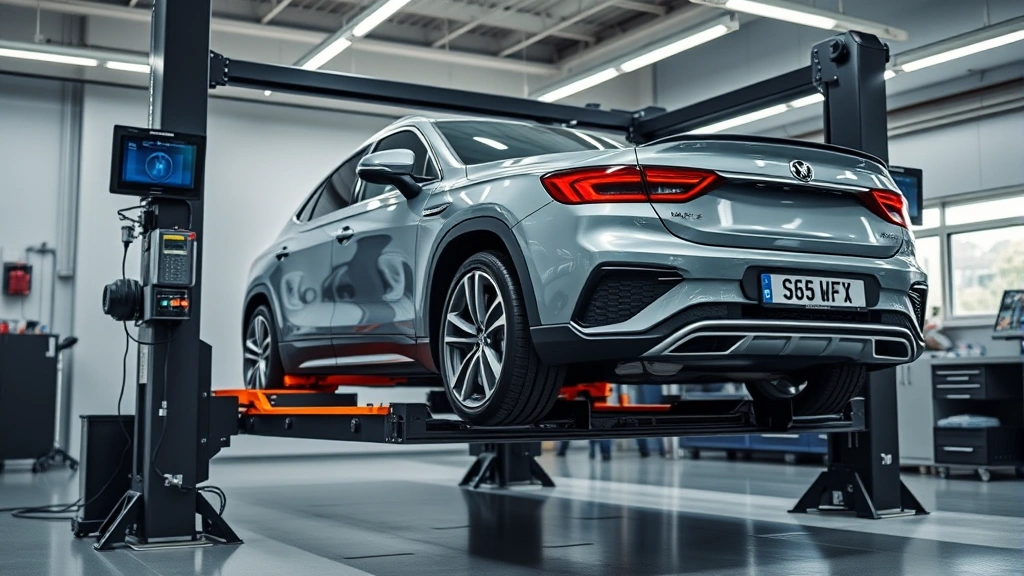
So you’re wondering how long does it take to align a car—and honestly, it’s one of those jobs that can vary wildly depending on what you’re dealing with. Most wheel alignments take anywhere from 30 minutes to 2 hours at a professional shop, but there’s way more to the story than that quick number.
Table of Contents
Alignment Basics Explained
Before we dive into timing, let’s talk about what alignment actually is. Your vehicle’s wheels need to sit at precise angles relative to the suspension and steering system. When these angles drift out of spec, your car pulls to one side, your tires wear unevenly, and your fuel economy tanks. Think of it like your car’s posture—everything needs to be square and balanced.
A proper alignment involves checking and adjusting three main angles: camber (the tilt of the wheel), caster (the angle when viewed from the side), and toe (whether the wheels point straight or inward/outward). Technicians use specialized computer equipment to measure these angles down to fractions of a degree.
Typical Time Frame
Here’s the straight answer: how long does it take to align a car typically runs 30 minutes to 2 hours. A basic two-wheel alignment on a straightforward vehicle might take 30-45 minutes. A full four-wheel alignment usually takes 1 to 1.5 hours. If your suspension has damage or adjustments are stubborn, you’re looking at the longer end of that range.
The computer diagnostic portion takes about 10-15 minutes. The actual adjustment and re-checking takes another 15-45 minutes depending on complexity. Then there’s the road test to confirm everything feels right.
Factors Affecting Duration
Several things can stretch out your alignment appointment. If your car has been in an accident or hit a pothole hard, the suspension might be bent, requiring repairs before alignment is even possible. Worn suspension components add time because technicians need to replace them first—you can’t align a vehicle with a shot ball joint or tie rod.
Vehicle age matters too. Older cars with manual adjustment points take longer than newer vehicles with electronic adjustments. Some luxury and performance cars have all-wheel-drive systems that require four-wheel alignment, which is more complex than a standard front-wheel-drive setup.
Shop workload plays a role as well. A busy shop might have you waiting, though the actual work time stays the same. Weather can even affect timing—cold temperatures can make adjustment mechanisms stiffer.
Alignment Types Differ
Not all alignments are created equal. A two-wheel alignment (front-end only) is the quickest option, usually 30-45 minutes. This works fine for front-wheel-drive vehicles without suspension issues. A four-wheel alignment takes 1-2 hours because technicians must measure and adjust all four wheels relative to each other.
Some shops offer thrust alignment, a middle ground that’s faster than full four-wheel but more thorough than two-wheel. Then there’s Z-axis alignment for vehicles with adjustable rear suspension. If you’re not sure which type you need, a good shop will diagnose and recommend the right approach.
Cost Breakdown
Pricing varies by location and shop, but expect to spend $75-$200 for a basic two-wheel alignment. Four-wheel alignment typically runs $150-$300. Luxury vehicles and all-wheel-drive systems can cost $200-$400 or more.
Some shops bundle alignment with other maintenance. If you’re already getting new tires, many shops offer free or discounted alignment. Many warranty their alignment work for 6-12 months, so if something goes wrong shortly after, they’ll redo it at no charge.
Pro tip: Don’t cheap out on alignment. A $50 bargain-basement job from a shop with outdated equipment will leave you fighting a pulling steering wheel and replacing tires early. That $150 professional alignment saves you money on tire replacement and fuel costs down the road. Check out resources like Family Handyman for more vehicle maintenance guidance.
DIY vs Professional
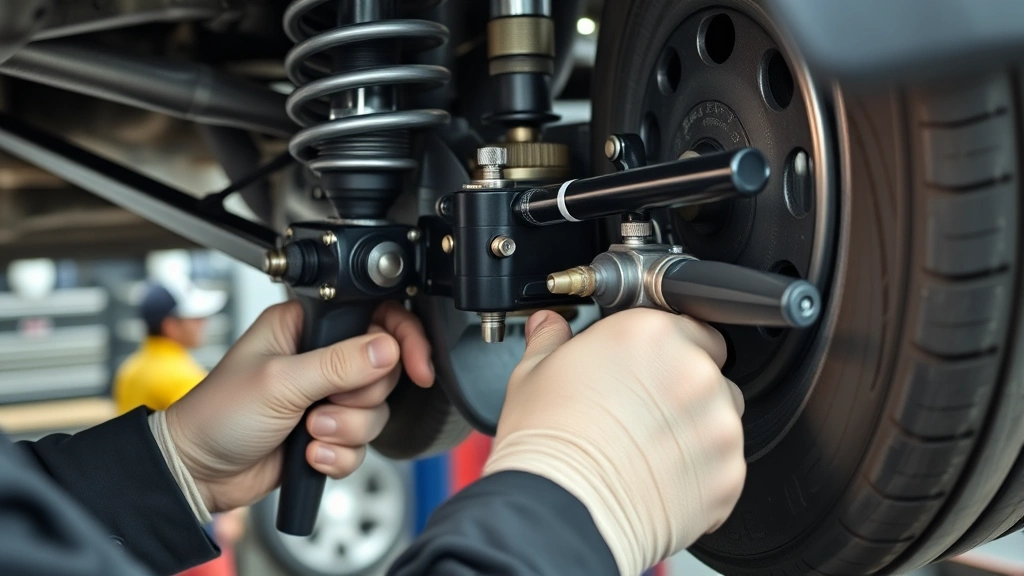
Here’s the real talk: you cannot do a proper wheel alignment at home. This isn’t like removing battery corrosion, where basic tools and patience get you there. Alignment requires a $20,000-$50,000 computerized alignment rack that measures wheel angles to 0.1-degree accuracy.
You might find YouTube videos showing folks adjusting camber plates or tie rods, but without precise measurement equipment, you’re just guessing. You’ll end up spending more on premature tire wear than the professional alignment cost. Some adjustments require specific tools you won’t own.
The exception: if you’re a serious car enthusiast with alignment equipment in your shop, you’ve got the skills. For everyone else, this is a job for the pros. It’s one of those services where professional equipment and expertise actually save you money.
Signs You Need Alignment
Your car will tell you when alignment is off. The most obvious sign is pulling to one side when you let go of the wheel on a straight road. Uneven tire wear—one edge wearing faster than the other—screams alignment problem. Your steering wheel might be off-center even when driving straight.
Squealing tires during turns, a vibration in the steering wheel, or a generally loose/wandering feel at highway speeds all point to alignment issues. After hitting a pothole or curb hard, get an alignment check even if the car seems fine. Suspension damage isn’t always obvious immediately.
Some shops offer free alignment checks. Take them up on it. A five-minute diagnostic costs nothing and tells you exactly what you’re dealing with.
Maintenance Schedule
How often should you align your car? Most manufacturers recommend checking alignment annually or every 12,000-15,000 miles. If you drive aggressively, hit potholes regularly, or tow a trailer, check it more often.
After any suspension work—replacing shocks, springs, or control arms—get an alignment. Same goes after accidents, even minor ones. Winter driving in cold climates can gradually throw off alignment, so spring is a good time for a check.
Think of alignment like brushing your teeth. Regular maintenance prevents bigger problems. A yearly alignment check keeps your tires lasting longer, your car handling better, and your wallet happier. It’s also a good time to have the shop check your suspension components, similar to how you’d check your transmission fluid regularly.
What Happens During Alignment
When you roll into a shop for alignment, here’s what actually happens. First, the technician does a visual inspection of your suspension—checking for worn components, damage, or anything obviously wrong. Then your car gets positioned on the alignment rack, which has sensors on each wheel.
The computer measures the current angles of all four wheels. The tech compares these measurements to your vehicle’s specifications. Then comes the adjustment phase—loosening bolts, turning adjustment screws, and repositioning components until the angles match spec.
After adjustments, the car gets re-measured to confirm everything is correct. Most shops also do a test drive to make sure the steering feels right and the car doesn’t pull. This entire process is what takes up that 30-minute-to-2-hour window. Check This Old House for more detailed vehicle maintenance information.
Red Flags to Watch
If a shop tells you alignment takes 5 minutes, walk out. That’s not a real alignment. If they can’t explain what adjustments they made or show you before-and-after measurements, they’re not doing quality work.
Some shops use outdated equipment that doesn’t measure as precisely. Ask if they use a modern computerized system. Older string-and-tape methods are faster but less accurate. You want laser or camera-based systems.
Be wary of shops that pressure you into alignment when you haven’t noticed any problems. That said, if your tires are wearing unevenly or the car pulls, don’t put it off. Driving a misaligned car is like walking with a twisted ankle—it works, but you’re damaging yourself in the process.
Frequently Asked Questions
Can I drive my car immediately after alignment?
Yes, absolutely. Your car is perfectly safe to drive right after alignment. The technician will have done a test drive before you pick it up. You might notice the car handles differently—usually better—which takes a moment to adjust to, but there’s no danger.
How long does alignment last?
A proper alignment typically lasts 6-12 months under normal driving conditions. Aggressive driving, rough roads, or hitting potholes can throw it off sooner. That’s why regular checks are important. Some shops warranty their work for 6 months, meaning they’ll redo it free if something goes wrong.
Is four-wheel alignment worth the extra cost?
For most vehicles, yes. Four-wheel alignment ensures all four wheels are working together, not just the front two. This improves handling, extends tire life, and improves fuel economy. The extra $50-$150 over a two-wheel alignment pays for itself in tire savings.
What’s the difference between alignment and balancing?
Completely different services. Alignment adjusts the angle of your wheels. Balancing distributes weight evenly around the tire and wheel. You can need one without needing the other, though they’re often done together. Balancing takes 15-30 minutes per wheel.
Can bad alignment damage my car?
Yes, it can. Misalignment causes uneven tire wear, eating through tires faster and costing you money. It puts extra stress on suspension components, potentially leading to costly repairs. It also hurts fuel economy. Left unchecked, it can eventually damage the suspension itself.
Do I need alignment after getting new tires?
Not necessarily, but it’s a good idea to check. If your tires were wearing unevenly before replacement, alignment was probably the cause. Getting an alignment after new tires ensures they’ll wear evenly and last as long as possible. Many tire shops offer discounted alignment with tire purchases.
Why is my alignment so expensive?
The equipment is expensive and requires trained technicians. Modern alignment racks cost $25,000-$50,000. Technicians need certification and training. You’re paying for precision equipment and expertise, not just labor. Think of it like taking your car to a doctor—you’re paying for knowledge and specialized tools.


