
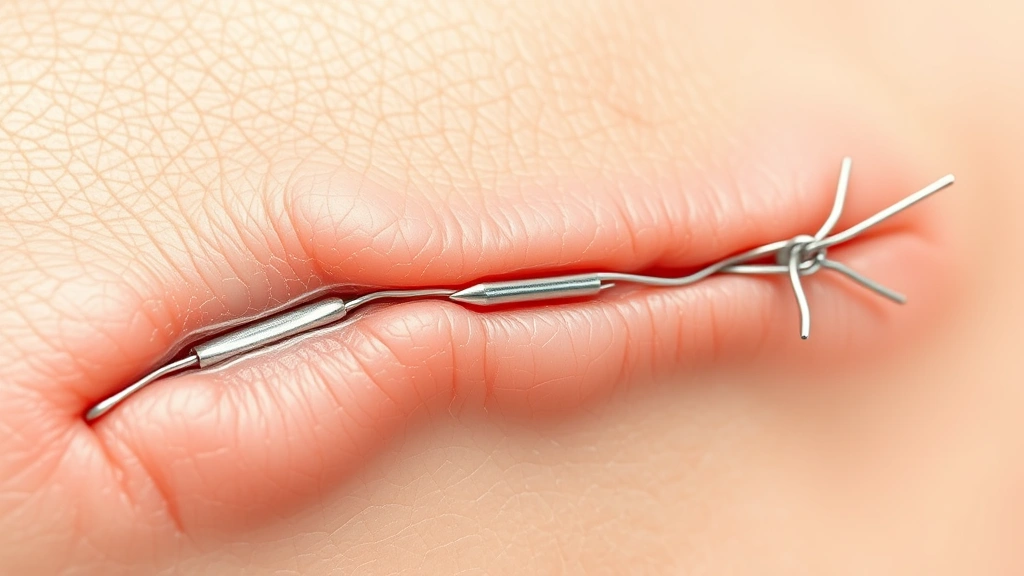
So you’ve got stitches and you’re wondering how long does it take stitches to dissolve—yeah, that’s the million-dollar question everyone asks after surgery or a nasty wound repair. The short answer? It depends on the type, but most dissolvable stitches vanish between 2 to 10 weeks, though some stick around longer. Let me break down exactly what you need to know so you’re not sitting there obsessing over your incision.
Table of Contents
Types of Dissolving Stitches
Not all dissolvable stitches are created equal, and that’s the first thing you need to understand. Your doctor chose a specific material based on where the wound is and how fast they want it to heal. The main types include plain gut, chromic gut, synthetic polymers like polyglactin (Vicryl), polydioxanone (PDS), and polyglycolic acid (Dexon). Each one breaks down at a different rate, which is why timing varies so much.
Plain gut stitches are the old-school option and dissolve fastest—usually within 7 to 10 days. They’re absorbed by your body’s natural enzymes, which is pretty wild when you think about it. Chromic gut takes longer, hanging around for 2 to 3 weeks because it’s been chemically treated to resist breakdown. The synthetic options? Those are the marathon runners of stitches. Polyglactin sticks around 2 to 3 weeks, while polydioxanone can last 4 to 6 weeks or even longer depending on the depth and tension of the wound.
Timeline Breakdown by Material
Here’s where things get specific. If your doc used plain gut stitches—common for superficial wounds and facial work—expect them gone in about a week. You might notice them getting loose and falling out naturally, which is totally normal. Don’t panic if you see a stitch hanging there; just gently remove it with clean tweezers if it’s really bothering you, or let it fall out on its own.
Chromic gut stitches typically last 10 to 21 days. These are used when you need a bit more holding power but still want the convenience of dissolvable material. Polyglactin (Vicryl) is probably what most surgeons use these days for general surgery. Expect 14 to 21 days before they start breaking down significantly, though they may take another week or two to completely disappear. Polydioxanone (PDS) is the heavyweight—it can last 4 to 6 weeks, sometimes longer. This gets used when you need serious strength, like in deeper layers of tissue.
Polyglycolic acid (Dexon) falls in the middle, usually dissolving around 2 to 3 weeks. The timeline isn’t exact because every body is different. Your metabolism, infection status, and how well you’re taking care of the wound all play a role in how fast your body breaks down these materials.
Factors Affecting Dissolution Speed
Your body isn’t a machine with exact timing, so several things can speed up or slow down stitch dissolution. Infection is the big one—if your wound gets infected, your immune system goes into overdrive, and those stitches can break down faster than expected. That’s actually not a good thing because it means your wound might open up before it’s ready.
Moisture levels matter too. Wounds that stay too wet tend to dissolve stitches faster, while dry wounds slow the process. That’s why your doctor gave you specific instructions about keeping it clean but not soaking wet. Your age and overall health also factor in. Younger people with good circulation and no chronic conditions typically see faster dissolution. If you’re dealing with diabetes, poor circulation, or taking immunosuppressant medications, your stitches might stick around longer.
The location of the wound changes everything. Facial stitches dissolve faster than abdominal ones because there’s better blood flow to your face. Stitches in areas with a lot of movement—like joints or the lower abdomen—might take longer because the constant tension keeps them from breaking down as quickly. Tension actually preserves stitches longer, which is why surgeons use stronger materials in high-movement areas.
Care During the Dissolving Process
While your stitches are doing their thing, you’ve got a job to do. Keep the wound clean and dry, but don’t obsess over it. Gentle washing with mild soap and water once or twice a day is plenty. Pat it dry—don’t rub. If your doc said to keep it covered, use a clean bandage and change it daily or whenever it gets damp.
Don’t pick at the stitches, even if they’re hanging loose and driving you crazy. I know it’s tempting, but pulling at them before they’re ready can reopen the wound. If a stitch is clearly loose and bothering you, you can gently remove it, but only if it’s obviously ready to come out. When in doubt, leave it alone or call your doctor.
Avoid submerging the wound in water—no baths, swimming, or hot tubs until your doc gives the all-clear. Showers are fine as long as you’re careful and keep the water pressure gentle. Wear clean clothes, avoid tight waistbands or pressure on the wound, and don’t do anything strenuous. I know you want to get back to your normal routine, but giving your body time to heal means those stitches can do their job properly.
When Stitches Don’t Dissolve
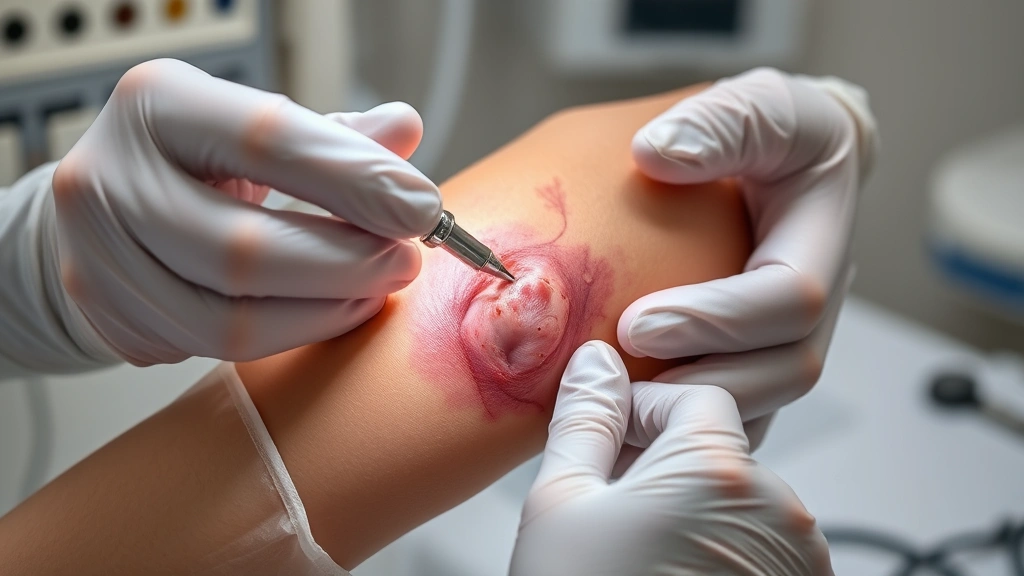
Sometimes stitches just don’t want to leave the party. If you’re past the expected timeline and your stitches are still hanging in there, don’t freak out. It happens more often than you’d think, especially with synthetic materials in areas with low blood flow or high tension. Some people’s bodies just take longer to break down certain materials.
However, if stitches are still present 2 to 3 weeks past the expected timeline and they’re bothering you, causing irritation, or you’re concerned about infection, call your doctor. They might need to remove them manually. This is a quick office procedure—your doc just snips them and pulls them out. It’s not painful, though it might feel a bit weird.
Sometimes stitches get encapsulated, meaning your body walls them off instead of dissolving them. This is rare but can happen. If you notice a small lump or knot under the skin where a stitch should have dissolved, that might be what’s happening. Again, your doctor can address this if it becomes a problem.
Signs of Complications
Watch for signs that something’s not right. If the area around your stitches gets red, swollen, warm, or starts draining pus, you’ve got an infection brewing. That’s a call-your-doctor situation, not something to wait out. Increased pain, especially after it was getting better, is another red flag. A little discomfort is normal, but sharp pain or throbbing means something’s off.
If the wound opens up or the stitches break before they’re supposed to, get medical attention. Don’t just tape it up and hope for the best. Premature stitch failure usually means infection or excessive tension, both things your doctor needs to know about. Allergic reactions to the stitch material are rare but possible—if you develop a rash, itching, or hives around the wound area, mention it to your doctor.
Keloid formation is another potential issue, especially in people prone to them. If you notice the scar getting thicker and raised instead of flattening out as it should, that’s worth discussing with your doctor. It’s not necessarily dangerous, but it might affect cosmetic outcome.
Can You Speed Up Dissolution?
Short answer: not really, and you shouldn’t try. Your body dissolves stitches at its own pace based on biological processes you can’t force. Trying to speed it up by picking at them, soaking the wound, or using home remedies will only cause problems. The timeline exists for a reason—your wound needs time to build strength before those stitches are gone.
What you can do is optimize the conditions for normal dissolution. Keep the wound clean, stay hydrated, eat well (especially protein for tissue repair), and avoid smoking. Smoking constricts blood vessels and slows healing, which actually delays stitch dissolution. Get adequate sleep because that’s when your body does most of its repair work. Manage stress if you can, since stress hormones can slow healing.
If you’re really concerned about timeline, talk to your doctor. They might have used a specific material with a known timeline, and they can give you a better estimate based on your particular wound and health status. Some surgeons will remove stitches manually if they’re taking too long and causing irritation, even if they theoretically could dissolve on their own.
Aftercare Tips That Matter
The best thing you can do is follow your surgeon’s aftercare instructions to the letter. They’re not just being cautious—they’ve seen what happens when people don’t follow the protocol. Keep the wound protected from dirt and contamination. If you work in a dirty environment, cover it with a clean bandage even after it’s mostly healed.
Stay current on tetanus shots. If your wound was dirty or caused by something rusty, and your tetanus isn’t up to date, get a booster. Don’t apply any creams, oils, or home remedies unless your doctor specifically approved them. That includes vitamin E oil, antibiotic ointments (unless prescribed), or essential oils. Stick with what your doctor recommended.
Avoid direct sunlight on the wound for at least a year if possible. UV exposure can darken scars and make them more noticeable. Use SPF 30+ sunscreen on healing scars. If you’re prone to keloids or have darker skin (which has higher keloid risk), ask your doctor about preventive measures like silicone gel sheets or scar treatment options.
Don’t compare your healing timeline to someone else’s. Everyone heals differently. Your friend’s stitches might be gone in two weeks while yours take four, and that’s completely normal. As long as there’s no infection or other complications, you’re fine.
Frequently Asked Questions
What if I accidentally pull out a stitch?
Don’t panic. If it comes out cleanly and the wound looks okay, just keep it clean and dry. If it’s still early in the healing process and the wound opens up, contact your doctor. They might need to reinforce it or monitor it closely. One missing stitch usually isn’t catastrophic, but it depends on the wound’s location and how much tension it was under.
Can I shower with dissolving stitches?
Yes, but be gentle. Let water run over the wound, don’t scrub it, and pat dry carefully. Avoid soaking the wound or letting it sit under running water for extended periods. Keep shower time reasonable and avoid very hot water, which can increase bleeding and swelling.
Why are my stitches itchy?
Itching is part of the healing process. Your nerves are regenerating and your body is repairing tissue. It’s annoying but usually a good sign. Don’t scratch—that can introduce infection. If itching is severe, ask your doctor if you can use a mild antihistamine or hydrocortisone cream.
Do dissolvable stitches hurt when they dissolve?
No, you shouldn’t feel them dissolving. You might notice them getting loose or feel them moving around a bit, but actual dissolution is painless. If you’re experiencing pain, it’s probably from the wound itself or a potential complication, not the stitches dissolving.
What happens if stitches dissolve too fast?
If your wound opens before it’s strong enough, you could have complications like infection or increased scarring. This usually happens because of infection, excessive moisture, or tension on the wound. Contact your doctor if you notice the wound reopening.
Are dissolvable stitches better than regular stitches?
They’re not necessarily better—just different. Dissolvable stitches are more convenient because you don’t need a follow-up appointment for removal. Regular stitches give your doctor more control over when they come out. Your surgeon chose the right option for your specific wound.
Can I exercise while stitches are dissolving?
Hold off on strenuous activity until your doctor clears you. Usually that’s 1 to 2 weeks depending on the wound location and severity. Light activity like walking is usually fine earlier. Anything that stretches or puts tension on the wound should wait until you’re further along in healing.


