
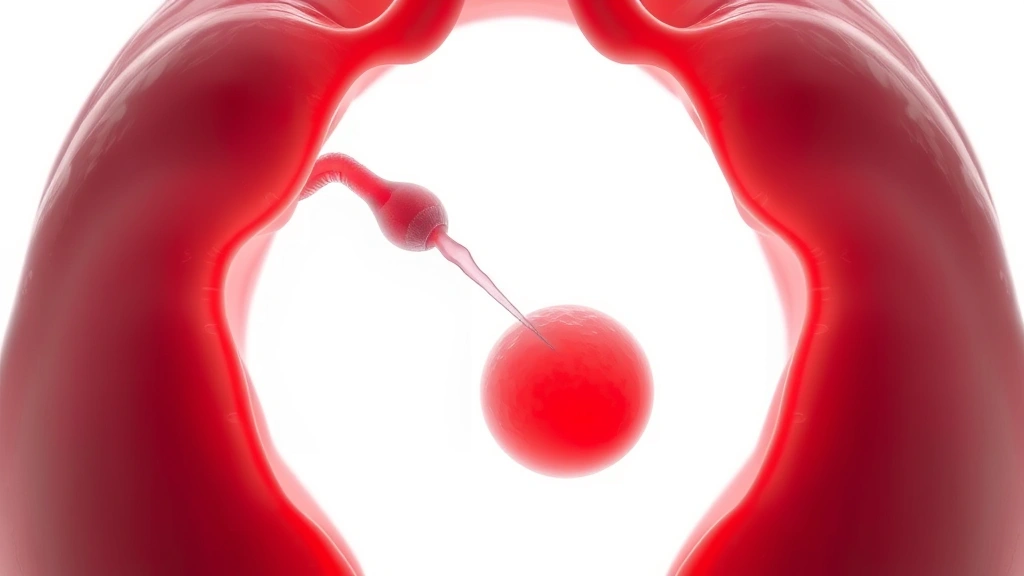
Understanding how long does it take sperm to reach the egg is one of the most fundamental questions about human reproduction, and the answer might surprise you—it’s far more complex than a simple timeline. Whether you’re curious about fertility, trying to conceive, or just want to understand the biology behind it all, this deep dive covers everything from that initial moment of ejaculation to the final fertilization event.
Table of Contents
The Journey Begins
The moment of ejaculation marks the starting line for millions of sperm cells. But here’s where it gets interesting: not all sperm take the same route, and not all of them are heading in the right direction. After ejaculation into the vagina, sperm face their first major obstacle—the acidic environment. Most sperm don’t survive this initial challenge, which is why the body releases millions of them in a single ejaculate.
Within seconds to minutes, some sperm begin their ascent through the cervix. This isn’t a leisurely swim; it’s a race against time and biology. The cervical mucus acts as both a barrier and a guide, filtering out weak or abnormal sperm while helping healthy ones navigate toward the uterus. This selection process is nature’s quality control, ensuring only the strongest candidates proceed.
Sperm Speed Matters
Sperm cells are surprisingly fast swimmers, moving at roughly 3 millimeters per minute under ideal conditions. That might not sound impressive until you realize these cells are microscopic—in relative terms, they’re covering significant ground. However, speed varies dramatically depending on sperm quality, which depends on factors like age, health, diet, and lifestyle.
Healthy sperm can traverse the cervix in as little as 15 minutes, though some take several hours. The cervical mucus consistency plays a huge role here. During the fertile window (around ovulation), cervical mucus becomes thinner and more alkaline, creating a more hospitable environment for sperm passage. This is why timing matters so much when trying to conceive.
Cervical Conditions Impact
The cervix isn’t just a passive corridor—it’s an active participant in the conception process. The cervical mucus quality changes throughout the menstrual cycle, and this dramatically affects sperm transit time. During the follicular phase and after ovulation, cervical mucus is thick and hostile. But during the fertile window, it transforms into a clear, stretchy consistency that resembles egg whites.
This optimal mucus consistency can reduce sperm travel time through the cervix to just 2-3 minutes for the fastest swimmers. Without this favorable mucus, the same journey might take hours or might not happen at all. Women with cervical mucus issues sometimes struggle with fertility, which is why fertility specialists pay close attention to this factor.
Fallopian Tube Travel
Once sperm navigate through the cervix and uterus, they enter the fallopian tubes—and this is where the timeline becomes more variable. The distance from the uterus to the egg in the fallopian tube is only about 4-6 inches, but the path is anything but straight. The fallopian tubes have a muscular wall and are lined with cilia (tiny hair-like structures) that help move sperm toward the egg.
Sperm can reach the fallopian tubes within 5-30 minutes of ejaculation, though some sources suggest it can take up to several hours. The muscular contractions of the uterus and fallopian tubes, triggered by prostaglandins in semen, help propel sperm upward. This is one reason why sexual arousal and orgasm matter—they increase these contractions.
Timing and Ovulation
Here’s a critical fact: the egg is only viable for about 12-24 hours after ovulation. This creates an urgent timeline for sperm. However, sperm can survive in the female reproductive tract for 3-5 days under optimal conditions, which is why sex doesn’t need to occur exactly at ovulation for conception to happen.
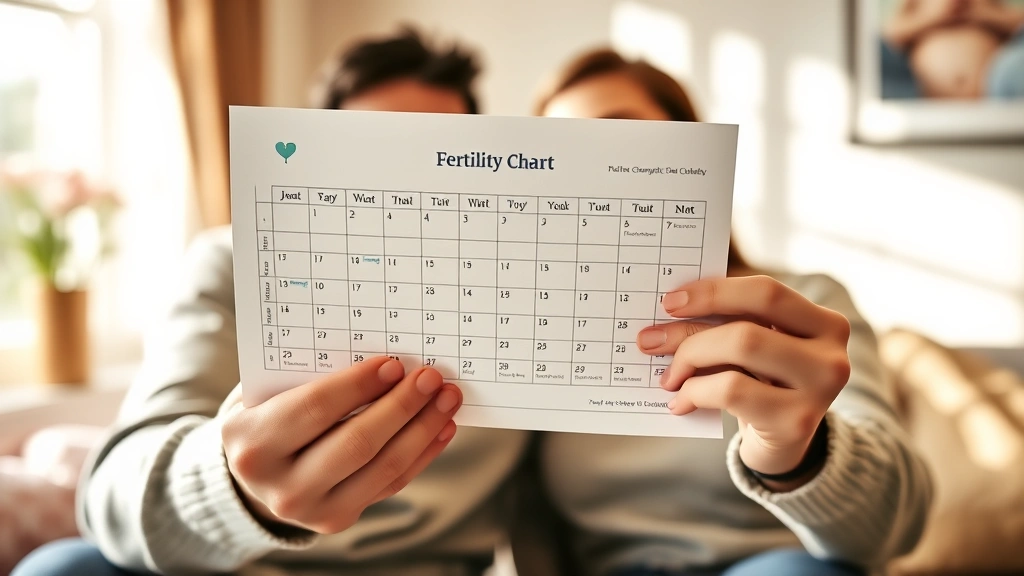
The fertile window typically spans 5 days before ovulation and 1 day after. Sperm deposited during this window can wait for the egg to arrive. This waiting period actually works in nature’s favor, as it allows for continued selection of the healthiest sperm. Think of it as a natural filtering system where only the most viable sperm remain capable of fertilization by the time the egg appears.
The Final Approach
When sperm finally reach the egg, they’ve already traveled an incredible distance relative to their size. The egg is surrounded by a protective layer called the corona radiata, which sperm must penetrate. Multiple sperm begin this process simultaneously, but only one will successfully fertilize the egg. This final approach takes additional time as sperm release enzymes to break through the egg’s outer layers.
The actual penetration and fusion of the sperm nucleus with the egg nucleus happens relatively quickly once a sperm breaches the zona pellucida (the egg’s innermost protective layer). This fertilization event, while instantaneous in some ways, is the culmination of hours or even days of travel and competition.
Factors Affecting Duration
Several variables influence the total travel time from ejaculation to fertilization. Sperm quality is paramount—measured by count, motility, and morphology. Men with low sperm count or poor motility will have fewer sperm reaching the egg, and those that do may take longer. Age affects both sperm quality and female reproductive health, making conception slower in older couples.
Environmental factors matter too. Temperature, stress levels, nutrition, and overall health impact sperm function. Some research suggests that healthy dinner recipes for 2 and maintaining good nutrition supports reproductive health. Additionally, infections, hormonal imbalances, or structural issues in the reproductive tract can significantly slow or prevent sperm transit.
Conception Window
The practical conception window is broader than many people realize. Because sperm can survive for several days, couples don’t need to time intercourse with surgical precision. Having regular intercourse every 2-3 days throughout the cycle, or at least during the 5 days before ovulation, maximizes chances of conception. This takes pressure off couples trying to conceive and acknowledges the biological reality of sperm longevity.
Understanding this window helps explain why some couples conceive quickly while others take months despite seemingly doing everything right. It’s not just about the sperm reaching the egg in the shortest time possible—it’s about having viable sperm present when the egg is ready for fertilization. For couples interested in supporting overall wellness during this time, exploring comfort food recipes that are also nutritious can be helpful.
Frequently Asked Questions
How fast do sperm actually swim?
Sperm swim at approximately 3 millimeters per minute under ideal conditions. In relative terms, this is quite fast for such microscopic cells. However, this speed varies significantly based on sperm quality, with healthy sperm moving faster than those with poor motility.
Can sperm reach the egg in minutes?
Yes, some sperm can reach the fallopian tubes within 5-15 minutes of ejaculation, though most take longer. The fastest sperm, traveling through optimal cervical mucus, might reach the egg within 30 minutes to a few hours. However, many sperm take much longer, and this variation is normal.
How long can sperm survive waiting for an egg?
Sperm can survive in the female reproductive tract for 3-5 days under optimal conditions, with some studies suggesting up to 7 days in rare cases. This longevity is why the fertile window extends several days before ovulation. The egg, by contrast, is only viable for 12-24 hours after ovulation.
Does the position during intercourse affect sperm travel time?
While some positions may deposit sperm closer to the cervix, there’s limited scientific evidence that position significantly affects conception rates in fertile couples. The cervix can access semen regardless of position, though deeper penetration might offer a minor advantage in some cases.
What reduces sperm travel time?
Optimal cervical mucus consistency (during the fertile window), good sperm quality, healthy reproductive tract anatomy, and strong uterine contractions all contribute to faster sperm transit. Age, stress, infections, and poor sperm quality can slow the journey considerably.
Is it possible to feel sperm traveling?
No, sperm movement through the reproductive tract isn’t perceptible. Women cannot feel sperm swimming or fertilization occurring. Any sensations during or after intercourse are related to physical contact, muscle contractions, or other factors—not sperm movement.
How does female orgasm affect sperm travel?
Female orgasm increases uterine contractions, which may help propel sperm upward. Some research suggests this could slightly reduce sperm travel time, though the effect isn’t dramatic enough to make orgasm essential for conception. However, it doesn’t hurt and might provide a small advantage.
The Bottom Line
So, how long does it take sperm to reach the egg? The honest answer is: it depends. Sperm can reach the fallopian tubes in as little as 5-15 minutes, but the complete journey from ejaculation to fertilization typically takes 12 hours to several days. The fastest sperm might fertilize the egg within hours, while others take much longer—and many never make it at all.
What matters most isn’t achieving the fastest possible time, but rather having healthy sperm present during the fertile window when the egg is available. This is why understanding your cycle, maintaining good health, and having regular intercourse during the fertile window matters more than obsessing over exact timing. If you’re trying to conceive and have concerns about fertility, consulting with a reproductive specialist can help identify any issues affecting sperm transit or egg quality. For additional wellness support, resources like easy dessert recipes to feed a crowd can help maintain healthy eating habits during stressful periods.


