
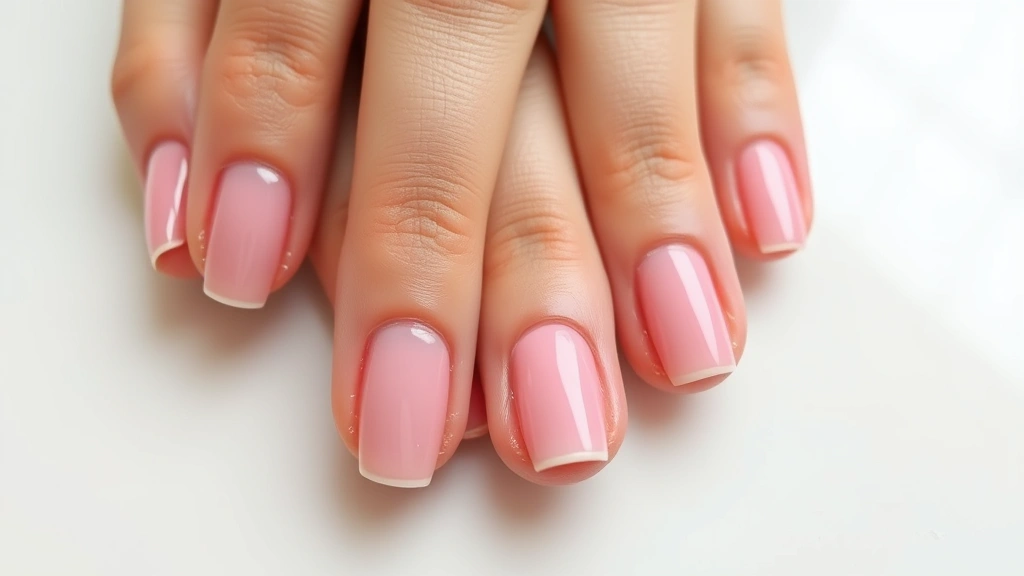
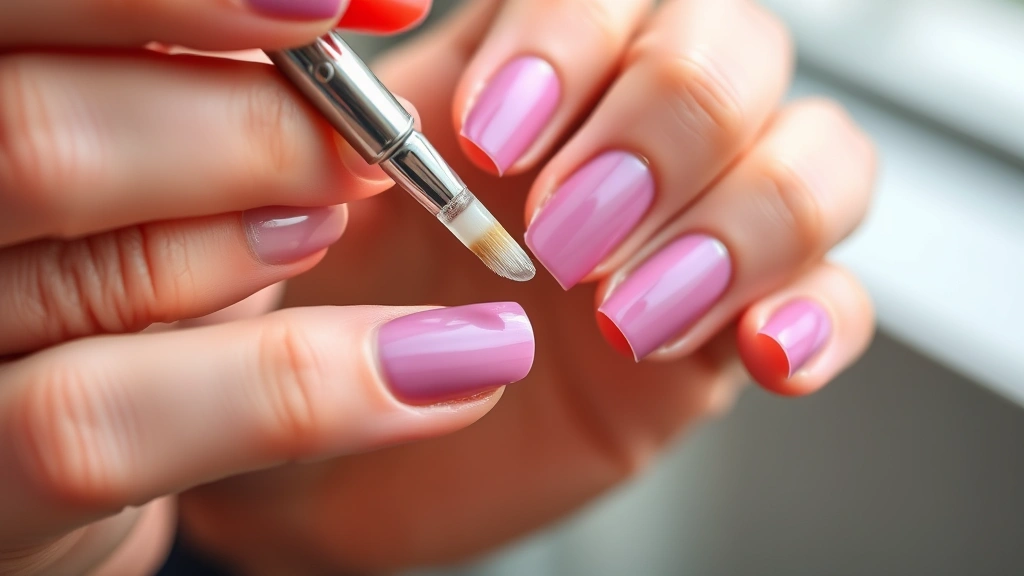
So you’ve just painted your nails and you’re wondering how long does it take nail polish to dry—and whether you can actually use your hands without smudging everything to hell. Look, I get it. You want to know the real timeline, not some glossy magazine answer. The truth is, drying time depends on several factors, and I’m going to walk you through all of them like we’re troubleshooting a project in the shop.
Table of Contents
Drying Time Basics
Let’s start with the baseline. Standard nail polish typically takes 15-20 minutes to dry to the touch, but that doesn’t mean it’s actually dry. Think of it like paint—tacky to the touch is different from fully cured. Most professionals recommend waiting a full 2-3 hours before you really trust your nails with serious activity. If you’re doing a full manicure with base coat, color, and top coat, you’re looking at closer to 3-4 hours for complete hardness.

The tricky part? That 15-20 minute window is when your nails are most vulnerable. You can touch them without leaving fingerprints, but one careless bump against a doorframe or a quick hand swipe through your hair, and you’re starting over. I’ve seen it happen a hundred times—people think they’re good to go after 20 minutes and end up with a disaster.
Factors Affecting Dry Time
Drying time isn’t one-size-fits-all. Several variables come into play that most people don’t think about. The thickness of your polish application matters—a thin, even coat dries faster than a thick, globby one. The brand of polish affects it too. Some formulas are engineered to dry faster, while others prioritize durability and take longer.
Your nail health plays a role as well. Healthy nails with good moisture balance actually dry polish faster than dry, brittle nails. The surface of your nail acts like a canvas, and just like any surface, condition matters. If your nails are dehydrated, the polish sits on top longer before bonding properly.

Base Coat Matters
Here’s something that separates the pros from the amateurs: a quality base coat is non-negotiable. A good base coat creates a smooth surface for the color polish to adhere to, but it also affects drying time. Most base coats dry faster than color polish—usually in about 5-10 minutes. This is actually helpful because it gives the color something stable to sit on.
If you skip the base coat, you’re not just risking staining your nails (though that’s bad too). You’re also creating an uneven surface that causes the color polish to dry unevenly. Some spots will seem dry while others are still tacky. Use a base coat every single time. It’s like priming before painting—it makes everything work better and faster.

Temperature & Humidity Impact
This is where most people miss the mark. Room temperature and humidity directly control how fast your polish dries. Cold, dry environments are your friend. Warm, humid conditions are your enemy. In a cold room (around 65-70°F), polish dries noticeably faster than in a warm room (75°F+).

Humidity is the real culprit though. High humidity slows down the evaporation process that allows polish to dry. In summer or in a steamy bathroom, expect drying times to stretch by 50% or more. I learned this the hard way doing nails in a beach house—everything took forever because of the moisture in the air. The solution? Move to a cooler, drier room or run an air conditioner while your nails dry. It sounds simple, but it genuinely cuts drying time in half.
Quick-Dry Techniques
If you’re impatient (and let’s be honest, who isn’t?), there are legitimate ways to speed things up. Quick-dry sprays work surprisingly well—they cool the nails rapidly, which accelerates the evaporation process. Spray them on after about 10 minutes and you can cut overall drying time down to 30-45 minutes. They’re not magic, but they’re effective.

Another trick: use a fan. Not a hair dryer on high heat (that can cause uneven drying and bubbles), but a regular room fan set on low. Position it so it gently blows across your nails. This increases air circulation without the harsh heat. You can also dip your nails in ice water for 30 seconds after they’re tacky to the touch—this hardens the outer layer quickly. Just be gentle and don’t submerge them completely.
LED nail lamps designed for gel polish don’t work on regular polish, but there are UV-free quick-dry lamps specifically made for traditional polish. They’re not as fast as gel, but they can reduce drying time to about 8-10 minutes. It’s a solid investment if you do your nails regularly.

Polish Type Differences
Not all polish is created equal. Gel polish is a completely different animal—it requires an LED lamp and takes 30-60 seconds to cure, not dry. Regular gel polish cures (not dries) in about 2 minutes under a proper LED lamp. But if you’re using traditional lacquer-based polish, you’re dealing with evaporation-based drying, which is slower.
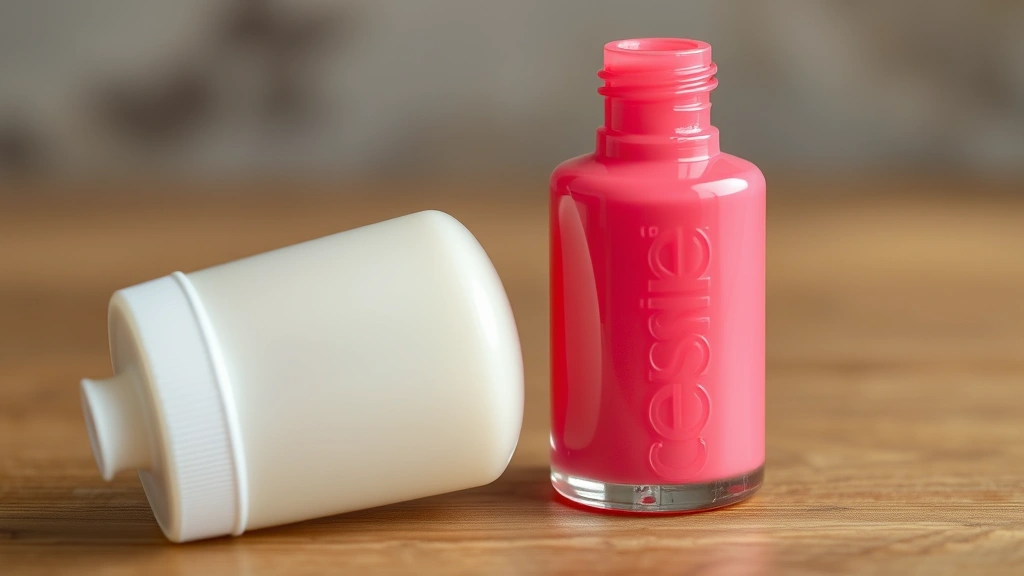
Fast-dry formulas from brands specifically engineered for quick drying can reduce your wait time to about 10-15 minutes to the touch and 1-2 hours for full hardness. They cost a bit more, but if you’re someone who can’t sit still, they’re worth it. Read the label—if it says “quick-dry” or “fast-dry,” it’s been formulated with solvents that evaporate more rapidly.

Avoiding Smudges Completely
The real goal isn’t just drying—it’s avoiding smudges during the process. Here’s my workshop-tested strategy: after applying your top coat, wait at least 30 minutes before doing anything with your hands. I know that sounds long, but it’s the sweet spot where the polish is hard enough to handle minor contact without smudging.
During those first 30 minutes, keep your hands elevated and still. Gravity helps the polish dry evenly. Don’t type, don’t scroll your phone, don’t run your fingers through your hair. I get it—it’s boring. But this is where patience pays off. If you absolutely must do something, use your knuckles or the sides of your hands, not your fingertips.
After 30 minutes, you’re generally safe for light activity. After 2 hours, you can do almost anything. After 4 hours, your nails are fully hardened and you can be rough with them without worry. This timeline works for standard polish. Gel is faster, but traditional polish needs this patience window.
Top Coat Strategy
Your top coat is the final layer and it’s crucial for both protection and drying speed. A quality top coat seals everything in and actually helps the polish cure faster by creating a hard protective shell. Apply it thin—thinner than your color coats. A thick top coat takes longer to dry than a thin one.
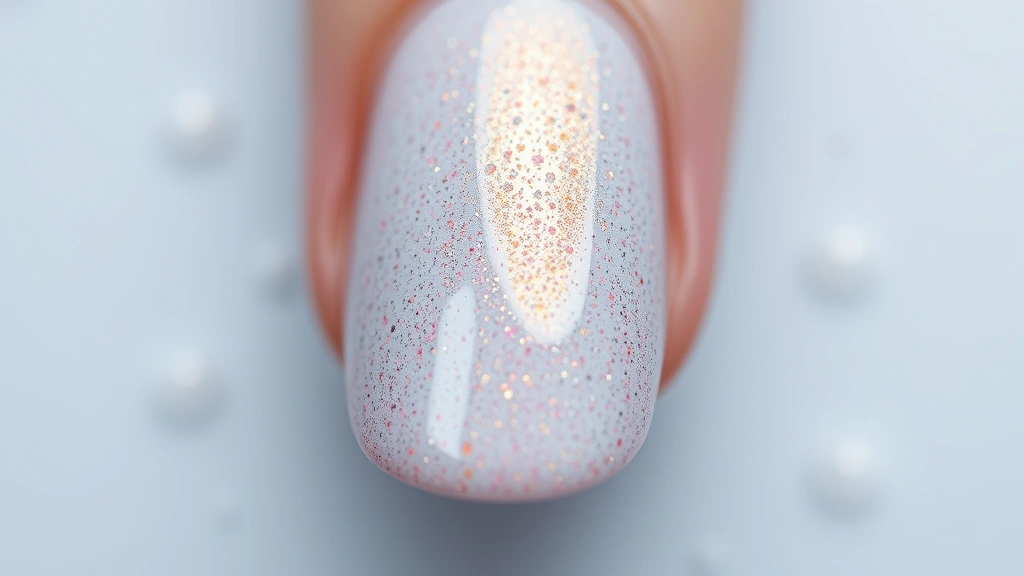
Some top coats are specifically formulated as quick-dry. These are worth seeking out because they can shave 15-20 minutes off your total drying time. They work by using fast-evaporating solvents. The trade-off is that they might not last quite as long as traditional top coats, but for most people, the speed advantage is worth it. Apply your top coat and then wait the full recommended time before considering your nails truly done.
Common Mistakes to Avoid
I see people mess this up constantly. The biggest mistake? Applying polish too thick. Thin, even coats dry faster and look better than thick coats. Use a light hand and let the brush do the work. Two thin coats beat one thick coat every time.

Second mistake: touching your nails or blowing on them to speed drying. I know the impulse—you want to help the process. But blowing on wet polish actually introduces moisture and can cause streaking and uneven drying. Just let it sit. Third mistake: doing your nails in a humid environment without realizing it. If your bathroom is steamy from a recent shower, do your nails elsewhere.
Fourth mistake: using your nails immediately after they feel dry to the touch. They might feel good, but they’re not fully cured. That tacky stage is misleading—it feels like it’s done, but it’s not. Wait the full time. Finally, don’t use cheap polish expecting fast drying. Cheap formulas often have inconsistent solvent ratios and dry unevenly. Spend a few extra dollars on quality polish from established brands.
Frequently Asked Questions
Can I speed up nail polish drying with a hair dryer?
Not really, and I’d advise against it. Heat from a hair dryer can cause the polish to dry too fast on the outside while the inside is still wet, leading to bubbles and uneven finish. If you must use heat, use it on the lowest setting and keep it moving. Better option: use a fan on low or a quick-dry spray designed for nail polish.

How long until I can shower after painting my nails?
Wait at least 4-6 hours, preferably overnight. Water and steam from a shower can soften nail polish that hasn’t fully cured. The moisture can cause the polish to become cloudy, develop watermarks, or even chip. If you absolutely must shower sooner, wear gloves or keep your hands out of the water stream.
Does the color of polish affect drying time?
Yes, actually. Dark colors and reds tend to dry slightly slower than light colors and pastels because of the pigment density. It’s not a huge difference—maybe 5-10 minutes—but it’s noticeable. If you’re doing a dark color, add an extra 15-20 minutes to your total drying time estimate.
Is gel polish really faster than regular polish?
Yes, but it’s a different process. Gel doesn’t dry—it cures under UV or LED light in 30-60 seconds. However, gel requires special lamps and removal is more involved. For pure speed, gel wins. For simplicity and flexibility, regular quick-dry polish is better.
What’s the difference between dry and fully cured?
Dry means the solvents have evaporated and the polish feels hard to the touch. Fully cured means the polish has hardened completely and is resistant to chipping and scratching. Regular polish takes 24 hours to fully cure, though it’s usable after 4 hours. Gel is fully cured as soon as the lamp turns off.


