

So you’re wondering how long does it take grass seed to grow—and honestly, it’s one of the most common questions I get when folks are tackling their lawn. The short answer? Most grass seed germinates in 7-14 days, but you’re looking at 4-6 weeks before you’ve got a lawn thick enough to actually use. But here’s the thing: that timeline depends heavily on what you’re doing, what type of seed you’re planting, and the conditions you’re giving it. I’ve seen lawns come in lush and green in a month, and I’ve also seen people wait months because they didn’t nail the basics. Let me walk you through exactly what determines how fast your grass grows and what you can do to speed things up.
Table of Contents
Germination Timeline Breakdown
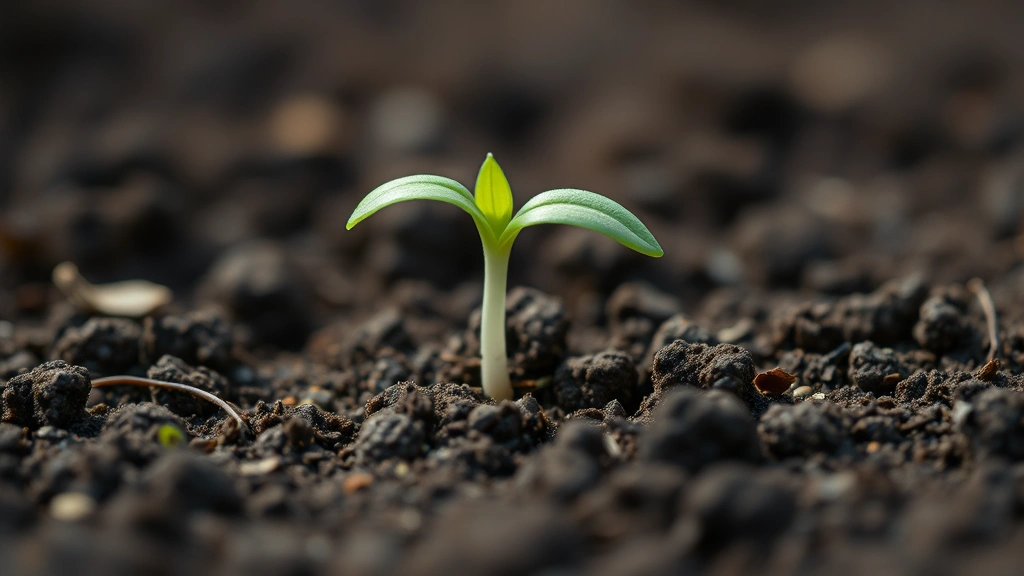
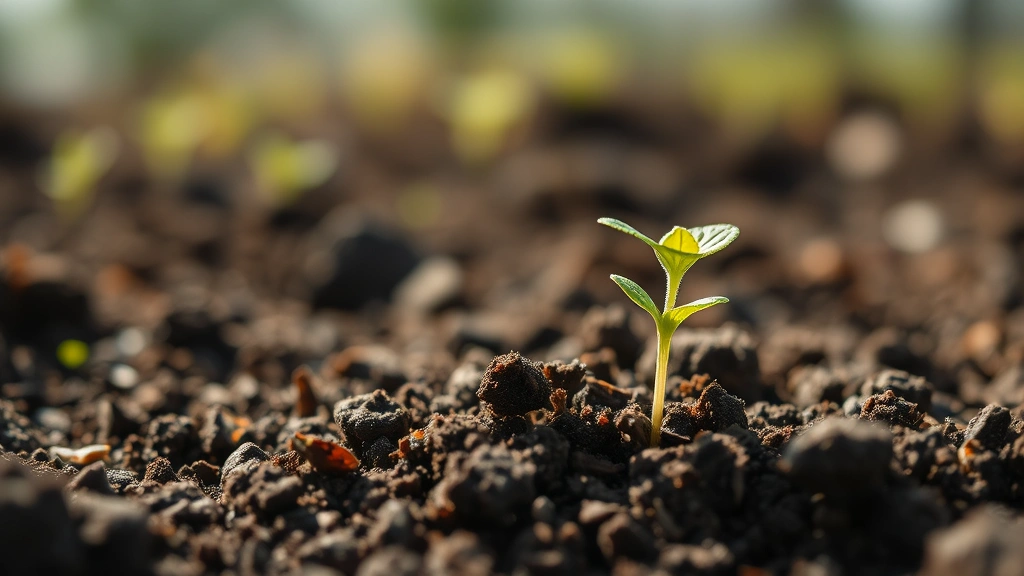
Let’s get specific about what happens week by week. Days 1-3, your seed is absorbing water and waking up—nothing visible yet, but the magic’s starting. By day 5-7, you’ll see tiny white shoots pushing through the soil if conditions are right. This is germination, and it’s the first checkpoint. Most cool-season grasses (like fescue and bluegrass) hit this stage in 7-10 days. Warm-season grasses (like Bermuda and zoysia) take longer—sometimes 14-21 days—because they need warmer soil.
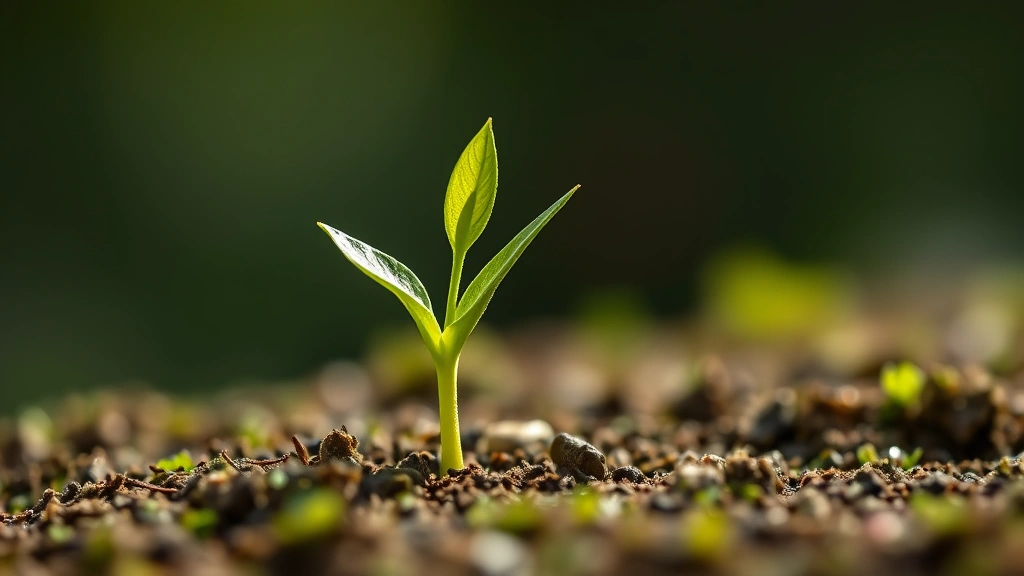
After germination, you enter the growth phase. Weeks 2-3, your seedlings develop roots and their first real leaves. This is when they’re most vulnerable because they’re still shallow-rooted and thirsty. By week 4-6, you’ve got established plants that can handle foot traffic and look like actual lawn. But here’s what I tell people: just because it looks like lawn doesn’t mean it’s done. It takes 8-12 weeks for most grass to develop deep roots that make it truly resilient.

Grass Seed Types Matter
Not all grass seed grows at the same rate, and picking the wrong type for your climate is like trying to grow tomatoes in Alaska—possible, but way harder than it needs to be. Cool-season grasses (fescue, bluegrass, ryegrass) germinate fastest, typically 7-14 days. They thrive in northern climates and love spring and fall temperatures. If you’re in zones 3-6, these are your speed demons.

Warm-season grasses (Bermuda, zoysia, St. Augustine) are slower to germinate—14-30 days—but once they get going, they’re incredibly dense and durable. These are your southern grass types, zones 7-10. The catch? They need soil temps above 65°F to even think about germinating. Plant them too early in spring, and you’re just wasting seed.

There’s also a middle ground with transitional grasses, but honestly, stick with what’s native to your zone. You’ll get faster results and way less frustration.

Soil Temperature Is Critical
This is the hidden variable that trips up most people. Soil temperature, not air temperature, controls how fast seed germinates. A cool-season grass seed needs soil temps around 50-60°F to start moving. Warm-season grass needs 60-70°F minimum, ideally 70-80°F. Check your soil temp with a simple probe thermometer—it costs like eight bucks and saves you from planting too early.

Here’s what I see constantly: someone plants in early April when the air is 60°F, but the soil is still 45°F. Nothing happens for three weeks. Then they panic and replant. Meanwhile, if they’d waited two weeks for the soil to warm up, they’d have germination in 10 days. Timing matters. For cool-season grass in the north, late August through September is golden because soil temps are dropping into that sweet 50-60°F range. For warm-season in the south, late spring (May-June) is your window.

Moisture Consistency Wins
You can have perfect seed, perfect soil temp, and perfect sunlight, but if you mess up watering, you’re done. Grass seed needs consistent moisture for the first 3-4 weeks, but not waterlogged. The soil should feel like a wrung-out sponge—damp, not soggy.

Most people either underwater (seed dries out and dies) or overwater (seed rots or gets disease). The key is frequency. Light, frequent watering beats occasional heavy watering. I recommend watering twice daily for the first 2 weeks—early morning and late afternoon—keeping the top inch of soil moist. After germination hits, you can back off to once daily, then every other day as the grass establishes.
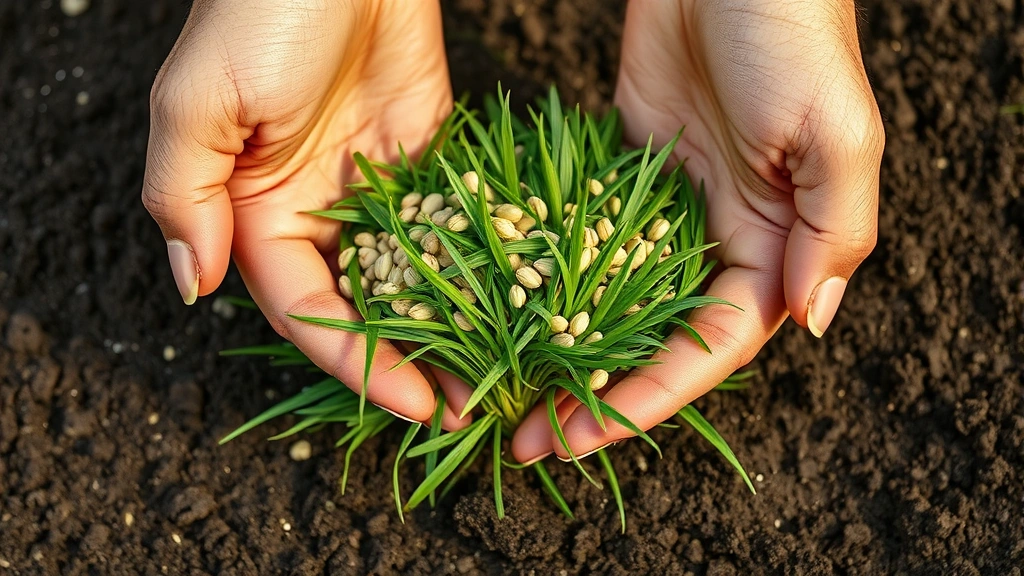
If you’re in a hot climate, you might need three times daily. If you get rain, adjust accordingly. This is where a simple rain gauge helps—aim for about 1 inch of water per week total, from rain plus irrigation.
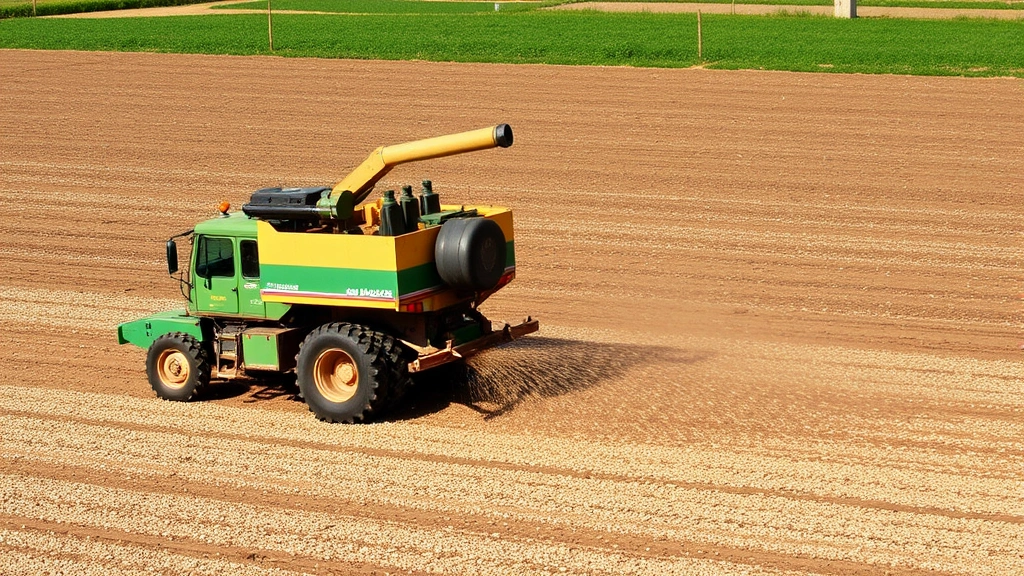
Sunlight Requirements
Most grass varieties need at least 4-6 hours of direct sunlight daily to germinate and grow strong. Some shade-tolerant varieties (like fine fescue) can handle 3-4 hours, but they’ll still be slower. Full shade? Forget it. Grass won’t establish well.

If you’re dealing with shaded areas, you’ve got options: choose shade-tolerant seed blends, improve air circulation by pruning trees, or consider alternatives like groundcovers or moss. But for standard lawn seed, sunlight is non-negotiable for speed.

Speeding Up Growth
Want results faster? Here’s what actually works. First, prepare your soil properly. Loosen the top 2-3 inches, remove rocks and debris, and rake smooth. Better soil contact means faster germination. Second, use quality seed. Cheap seed has more chaff and lower germination rates. You’ll pay more upfront but get results 1-2 weeks faster. Third, consider starter fertilizer. It won’t make seed germinate faster, but it fuels growth once seedlings appear, getting you to a usable lawn 2-3 weeks quicker.

Fourth, keep that soil temp in the sweet spot. If you’re planting in cool season, wait for soil temps around 55-60°F. If warm season, wait for 70°F+. Patience here saves weeks later. Fifth, don’t skimp on watering. Consistent moisture is the single biggest factor controlling germination speed. Miss a few days and you’re starting over.
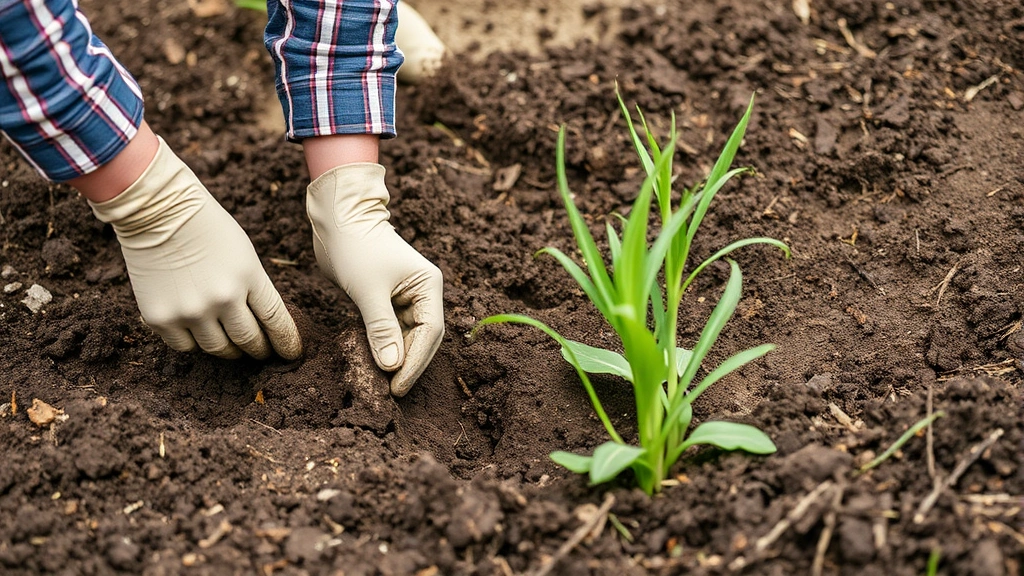
Common Mistakes Slow You Down
I see the same errors over and over. Planting too early in spring because the air feels warm—soil’s still cold. Planting too thick hoping for faster coverage—overcrowding slows growth and increases disease. Watering inconsistently—seed germinates, then dries out, and you’re back to square one. Walking on the lawn before it’s established (before week 4 minimum)—you’re compacting soil and damaging delicate shoots.

Another big one: using old seed. Grass seed viability drops after a year or two. Buy fresh seed each season. And don’t use weed-and-feed products on new seed—the herbicide can stunt germination. Wait until your grass is mowed 3-4 times before adding any chemicals.

Finally, people often blame the seed when the real problem is their soil. Compacted, poor-quality soil will slow germination by weeks. Spend time on soil prep—it’s the foundation of everything.

When to Mow New Grass
This is where patience pays off. Don’t mow until your grass is at least 3-4 inches tall and well-established. For most lawns, that’s week 4-6 after planting. Mowing too early stresses young plants and can kill them. When you do mow, set your blade high (3-4 inches) and remove no more than one-third of the blade height. Light, frequent mowing beats heavy cutting.
For the first few mowings, use a rotary mower on a high setting rather than a reel mower. Reel mowers can pull young grass out of the ground. Once your lawn’s been mowed 3-4 times, it’s established enough for normal maintenance and you can dial in your preferred height.
Frequently Asked Questions
Can I speed up grass seed germination with fertilizer?
Not really. Fertilizer doesn’t make seed germinate faster, but starter fertilizer does fuel growth once seedlings appear. For pure germination speed, soil temperature and moisture are the real drivers. Focus on those first, add fertilizer as a growth accelerant after germination.
What’s the fastest-growing grass seed?
Perennial ryegrass germinates fastest among cool-season grasses (5-10 days). For warm-season, Bermuda grass is the speed champion (14-21 days). But “fastest” only matters if conditions are right—wrong soil temp or moisture kills even fast seed.

How long before I can walk on new grass?
Wait at least 3-4 weeks before any foot traffic. The grass needs time to develop roots deep enough to handle pressure. By week 6-8, you can use it normally. Before that, every footstep compacts soil and damages delicate shoots.

Does grass seed grow better in shade or sun?
Sun, definitely. Most grass needs 4-6 hours of direct sunlight daily. Shade slows germination and growth significantly. If you have shady areas, use shade-tolerant seed blends and improve air circulation where possible.

Why isn’t my grass seed germinating?
Most common culprits: soil temperature too low, inconsistent watering, poor seed-to-soil contact, or old seed. Check your soil temp first—if it’s below 50°F for cool-season or 65°F for warm-season, wait. Then dial in your watering routine. Consistent moisture beats everything else.

Can I plant grass seed in summer?
Not recommended. Summer heat stresses young seedlings, and you’ll need constant watering to keep them alive. Cool-season grass planted in summer typically fails. Warm-season grass in peak summer (July-August) also struggles. Stick to spring/early summer or late summer/fall for best results.
The Bottom Line on Grass Growth
So how long does it take grass seed to grow? Seven to fourteen days for germination, four to six weeks for a usable lawn, eight to twelve weeks for a truly established one. But that timeline is flexible based on your seed type, soil temperature, moisture consistency, and sunlight. Get those variables right, and you’ll hit the fast end of that range. Mess them up, and you could be waiting months.
The real secret isn’t magic seed or special tricks—it’s understanding that grass is a plant with specific needs, and when you meet those needs consistently, it grows fast. Nail your soil prep, pick the right seed for your zone, get your soil temperature in the sweet spot, and commit to consistent watering. Do that, and you’ll have a lawn you can actually use in a month. Shortcuts and guessing? That’s how you end up replanting in September.
If you’re tackling other outdoor projects while you wait for that grass to grow, check out our guide on how to build a table for a backyard setup, or learn about how to change smoke alarm battery while you’re doing spring maintenance around the house. And if you’re getting into the plant game, our how to water an orchid guide covers precision watering techniques that actually apply to seed starting too.
For more detailed information on grass establishment timelines, check out Family Handyman’s lawn care resources and This Old House’s landscaping guides. Your local cooperative extension office (a .edu resource) also has zone-specific seed recommendations and soil temperature data that’s invaluable for timing your planting perfectly.


