
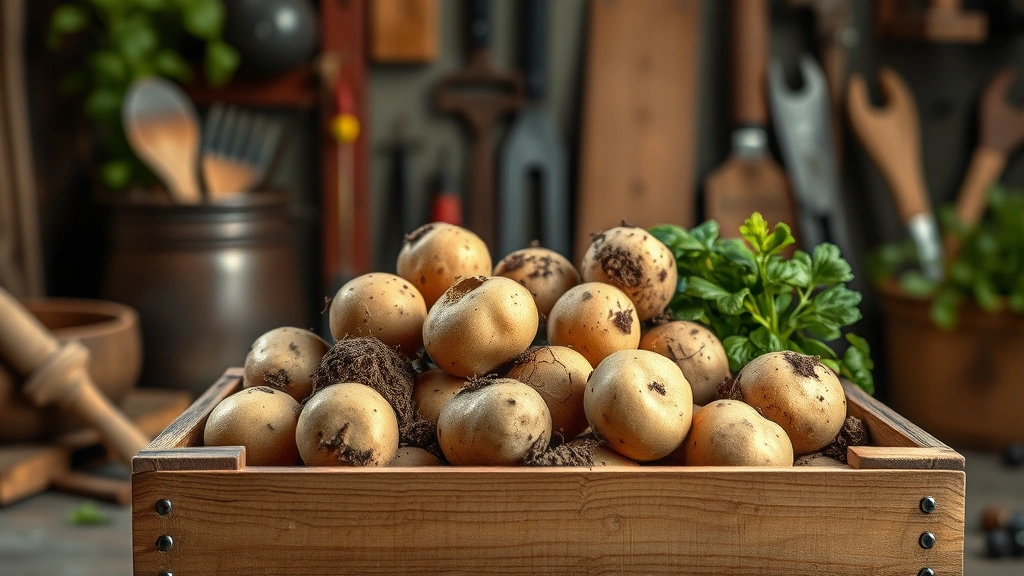
So you’re wondering how long does it take for potatoes to grow? The short answer is 60-90 days from planting to harvest, but there’s way more to the story. Whether you’re a seasoned gardener or just sticking a seed potato in the ground for the first time, understanding the potato growing timeline helps you plan better, troubleshoot problems faster, and actually get a decent harvest instead of a handful of marble-sized spuds.
I’ve grown potatoes in containers, raised beds, and traditional in-ground gardens, and I can tell you the variables that actually matter. Soil temperature, potato variety, sunlight, and moisture all play huge roles in how quickly your potatoes go from seed to dinner plate. Let’s dig into this.
Table of Contents
Potato Growing Timeline Overview
Here’s the real breakdown: potatoes typically take 70-120 days total from the moment you plant that seed potato until you can dig up a full harvest. Most gardeners hit the sweet spot around 80-90 days. But this isn’t a hard rule—it’s more like a target range that shifts based on what you’re growing and where you’re growing it.
The timeline breaks down into four main phases: sprouting (7-14 days), vegetative growth (3-4 weeks), flowering and tuber development (3-4 weeks), and final maturation (2-3 weeks). Each phase has specific conditions that either speed things up or slow them down. I’ve seen potatoes mature in 65 days under perfect conditions and take 110+ days when things weren’t ideal.
Early Season Planting Stage
When you first plant your seed potatoes, nothing visible happens for about 7-14 days. The seed potato is sitting in the soil, absorbing moisture and getting the metabolic engine started. Soil temperature is critical here—if your soil is below 45°F, germination basically stalls. Ideally, you want soil temps between 50-70°F for reliable sprouting.
This is where a lot of beginners get impatient and replant. Don’t do that. If you planted in April and nothing shows by mid-April, give it another week. The seed potato is working underground. Once you see that first green shoot breaking through the soil surface, you’re officially in business. From that point, the plant starts its serious growth phase.
Growth Acceleration Phase
Weeks 2-5 after planting is when potatoes really take off. The plant develops leaves, stems, and a root system. This phase demands consistent moisture and decent sunlight—at least 6 hours daily, though 8+ is better. The plant is building the structure it needs to support tuber development underground.
During this phase, you should be actively managing the plant. Hill up soil around the stems as they grow—this encourages more tuber development and prevents green potatoes from being exposed to light. I typically hill up twice during this stage, once when the plant is 6 inches tall and again two weeks later. It takes maybe 10 minutes per row and makes a real difference in yield.
Watering is inconsistent during this phase. You want consistently moist soil, not waterlogged. Stick your finger 2 inches into the soil—if it’s dry, water deeply. If it’s damp, wait another day or two. Overwatering at this stage causes rot and disease problems that’ll haunt you at harvest.
Flowering and Tuber Formation
Around week 5-6, your potato plants will flower. These little white, pink, or purple flowers are beautiful, but here’s the thing: they’re not directly connected to your harvest. The flowers are nice indicators that tuber formation is happening underground, but you don’t need flowers to get potatoes. Some varieties barely flower at all.
This is the critical phase for tuber sizing. Underground, the plant is diverting energy into developing those potato tubers. This is why consistent watering matters so much—moisture stress during this phase results in smaller potatoes or misshapen ones. Nutrient availability matters too. If your soil is depleted, consider a balanced fertilizer now. Potassium especially supports tuber development.
When you make cheesy mashed potatoes later, you’re eating the result of this phase. The bigger and more consistent your watering during weeks 5-8, the better quality spuds you’ll have.
Maturation and Harvest Ready
By week 8-10, your potato plants start showing signs they’re winding down. Leaves may yellow, stems get woody, and if you dig carefully around the base, you’ll feel firm potatoes. This is your signal that harvest is approaching. Most potatoes are technically harvestable at this point, but waiting another 2-3 weeks lets them develop thicker skins, which means they’ll store better.
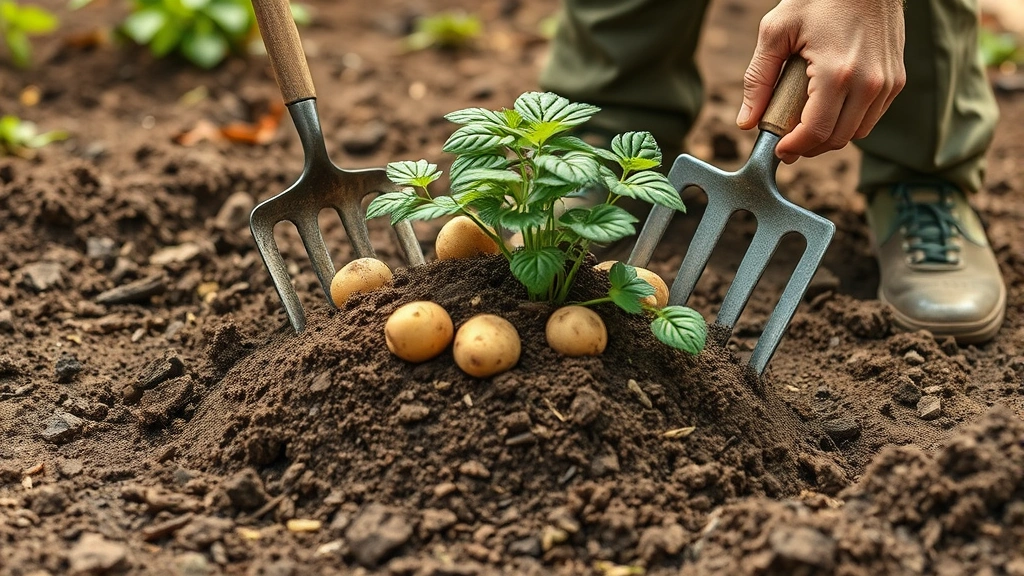
The true harvest window is when the plant’s foliage completely dies back. Cut off the dead stems at soil level and wait a few days before digging—this hardens the potato skins. Then dig carefully with a garden fork, working from the outside of the mound inward. You’re looking for those beautiful, firm tubers.
First-time growers are always amazed at how many potatoes come out of one seed potato. A single seed potato can easily produce 5-10 pounds depending on variety and conditions. That’s why potatoes are such an efficient crop for home gardeners.
Early vs Late Potato Varieties
Not all potatoes grow at the same speed. Early varieties like ‘Yukon Gold’ and ‘Irish Cobbler’ mature in 60-75 days. Mid-season varieties like ‘Russet’ and ‘Red Norland’ take 75-90 days. Late varieties like ‘Katahdin’ and ‘Kennebec’ need 90-120 days but produce larger yields.
Your choice depends on your climate and goals. In short-season areas, early varieties are your friend—you’ll definitely get a harvest before frost. In longer seasons, late varieties give you bigger potatoes and more of them. I typically plant a mix: early varieties for fresh eating in summer, and late varieties for storage through winter.
Check your seed potato packet for the specific days-to-maturity number. That’s your baseline. Everything else—climate, soil quality, water—either adds or subtracts from that number.
Climate and Temperature Impact
Temperature is the biggest variable in potato growing timelines. Potatoes like cool weather—ideally 60-70°F during the growing season. In hot climates, growth actually slows down once temps exceed 75°F. I’ve gardened in both cool Pacific Northwest conditions and hot Texas summers, and the difference is dramatic.
In cool climates, you get steady, reliable growth. In hot climates, potatoes slow down during peak summer heat, which extends your timeline. Some gardeners in hot areas actually plant potatoes as a fall crop instead, getting faster growth in cooling temperatures.
Frost is your hard deadline. Potato foliage dies at 28°F. If frost threatens while your plants are still actively growing, you lose everything above ground. This is why knowing your first and last frost dates is essential. Plant early enough that your potatoes mature before fall frost, but not so early that cold soil temps stall germination.
Tips for Faster Potato Growth
Want to shorten that 80-90 day window? Here’s what actually works:
Warm soil early: Use black plastic mulch to warm soil before planting. This can advance sprouting by a week or more.
Quality seed potatoes: Larger seed potatoes with multiple eyes establish faster than tiny ones. Spend a bit more on certified seed potatoes—disease-free genetics matter.
Consistent moisture: Irregular watering stresses plants and slows growth. Drip irrigation or soaker hoses deliver consistent moisture without overwatering.
Nutrient timing: A balanced fertilizer at planting and another application at flowering accelerates growth. Don’t overdo nitrogen though—it encourages foliage at the expense of tubers.
Container growing: Containers warm up faster in spring and let you control soil conditions precisely. Potatoes in 5-gallon containers often mature 1-2 weeks faster than in-ground plantings.
When you’re steaming carrots alongside your potatoes, timing matters—get those potatoes in the ground early.
Common Growth Delays and Fixes
Several things slow potato growth to a crawl:
Cold soil: Planting in soil below 50°F means weeks of stalled germination. Wait for soil temps to warm or use black plastic to accelerate warming.
Inconsistent watering: Dry spells followed by heavy rain stress plants. Stick to a regular watering schedule—about 1-1.5 inches weekly.
Nutrient deficiency: Yellowing leaves mid-season signal nitrogen deficiency. A side dressing of balanced fertilizer fixes this quickly.
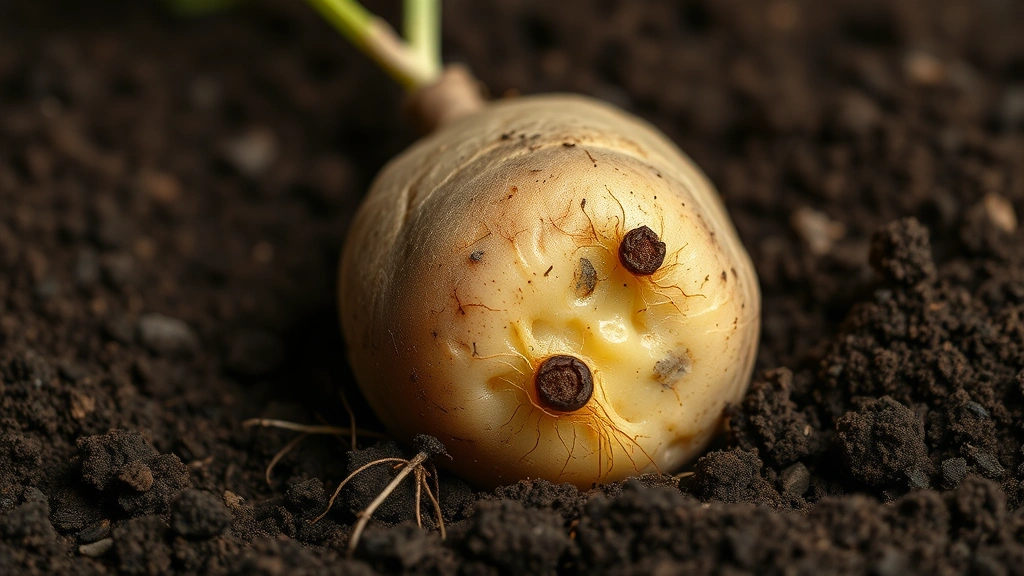
Disease pressure: Late blight, early blight, and other fungal diseases slow growth and reduce yields. Improve air circulation, avoid overhead watering, and remove affected leaves immediately.
Pest damage: Colorado potato beetles and aphids can seriously set back growth. Hand-pick beetles or use organic controls like neem oil.
Shade: Potatoes need 6+ hours of direct sun. If they’re getting less, they’ll grow slower and produce smaller tubers.
The good news: most of these are preventable with basic planning and attention. I’ve never had a complete potato failure—worst case, I got smaller yields or delayed harvest by a couple weeks.
Frequently Asked Questions
Can potatoes grow in 30 days?
No. Even the fastest early varieties need 60+ days minimum. Anything claiming faster growth is either mislabeled or you’re harvesting immature potatoes. There’s no real shortcut here—potatoes need time to develop properly.
Do potatoes grow faster in containers?
Generally yes, by 1-2 weeks. Containers warm up faster in spring and you control soil conditions precisely. The trade-off is smaller total yields compared to in-ground gardens, but per-day growth is often faster.
What’s the difference between seed potatoes and regular potatoes?
Seed potatoes are certified disease-free and selected for sprouting vigor. Regular grocery store potatoes often have growth inhibitors applied and may carry diseases. Spending the extra $2-3 per pound on quality seed potatoes saves headaches later.
Can I harvest potatoes early?
Yes. “New potatoes” are immature potatoes harvested 2-3 weeks before full maturity. They’re waxy, thin-skinned, and perfect for boiling whole. Just don’t expect storage quality—eat them fresh. For storage potatoes, wait until foliage dies back.
Does potato variety really matter for timing?
Absolutely. Early varieties mature 30 days faster than late varieties. If you’re in a short-season area, early varieties are non-negotiable. In longer seasons, you can grow anything.
What if my potatoes aren’t ready by frost?
Dig them anyway. Frost kills foliage but potatoes in the ground stay fine for a few weeks. Just harvest before the soil freezes solid. Don’t leave them in frozen ground—they’ll rot.
How do I know when potatoes are ready to harvest?
The most reliable sign is dead foliage. When the entire plant browns and collapses, potatoes are mature. You can also dig carefully around the plant—if potatoes feel firm and the skin doesn’t rub off easily, they’re ready.
Final Thoughts
So how long does it take for potatoes to grow? Plan on 70-90 days for most varieties in decent conditions. Plant early-season varieties if you’re in a short-season area, late varieties if you have time. Keep soil consistently moist, provide 6+ hours of sun, and manage pests and disease. When you dig up those first homegrown potatoes, you’ll understand why gardeners keep growing them year after year.
The timeline isn’t complicated—it’s just the natural pace of a plant developing underground. Respect that timeline, provide decent conditions, and you’ll have potatoes. Rush it or neglect it, and you’ll be disappointed. I’ve made both mistakes, and the patient approach always wins.
For more information on vegetable gardening timelines and techniques, check out resources from Family Handyman, This Old House, and your local USDA Extension office. They have region-specific planting guides that’ll dial in your exact timeline based on your location.


