
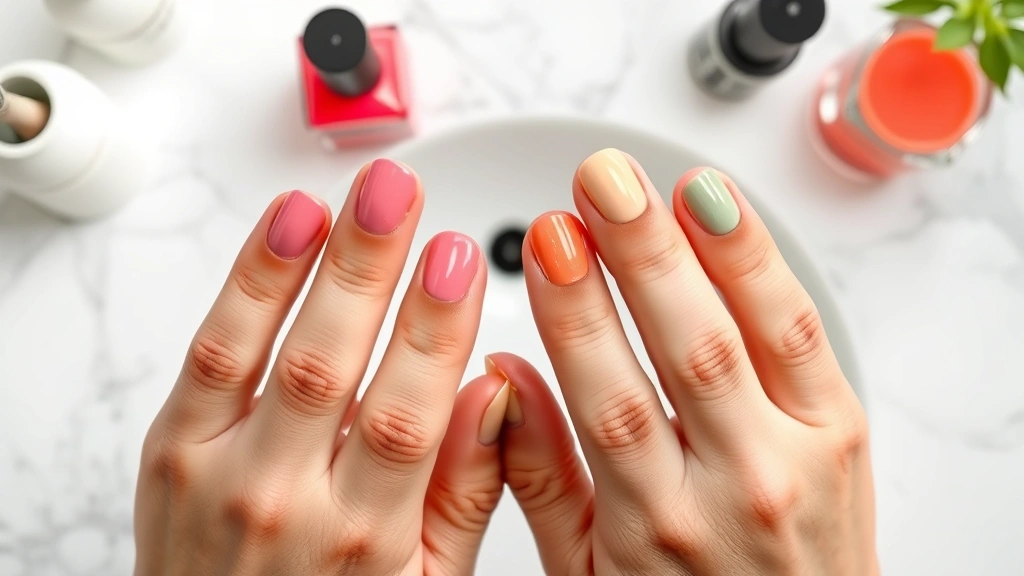
So you’ve just painted your nails and you’re wondering how long does it take for nail polish to dry—and more importantly, when you can actually use your hands without smudging that fresh manicure. The short answer? Most nail polish dries to the touch in 15-20 minutes, but it takes a full 24 hours to cure completely. But here’s the thing: that timeline varies wildly depending on the type of polish, humidity, temperature, and a bunch of other factors that most people never consider.
Table of Contents
Drying Times: The Basics
Let’s get real about nail polish drying times. When you paint your nails with traditional polish, the surface dries relatively quickly—usually within 15-20 minutes. But “dry to the touch” doesn’t mean fully cured. Your nail polish reaches its true hardness after about 24 hours, sometimes longer. During that window, your nails are still vulnerable to dents, smudges, and damage. Think of it like painting a wall: the paint might feel dry after an hour, but it hasn’t reached full hardness for days.
The reason for this two-stage drying process comes down to chemistry. Nail polish contains solvents that evaporate into the air, allowing the polish to harden. Once the solvents evaporate (the “dry to the touch” phase), the polish still needs time for its resins and plasticizers to fully set and bond with your nail plate. This is why rushing the process usually backfires.
Factors That Affect Dry Time
Not all nail polish dries at the same speed, and that’s where things get interesting. Several variables influence how quickly your manicure goes from wet to fully set:
- Polish brand and formula: Premium brands often have faster-drying formulas than budget options
- Color and opacity: Darker colors and opaque shades typically dry slower than light, sheer colors
- Number of coats: Each additional layer adds drying time
- Base coat and top coat: These specialty products can speed up or slow down the overall process
- Nail surface condition: Clean, dry nails accept polish faster than oily or textured ones
I’ve noticed that when I’m working with thick, pigmented reds or blacks, I’m waiting significantly longer than when I use nude or pastel shades. It’s not just perception—darker pigments genuinely require more time to cure properly.
Regular vs. Gel Polish
Here’s where things diverge dramatically. Regular nail polish and gel polish operate on completely different timelines. Regular polish relies on solvent evaporation, which takes 15-20 minutes for the surface and 24 hours for full hardness. Gel polish, on the other hand, uses a photochemical curing process with UV or LED lamps. Most gel polish cures in 30-60 seconds under a lamp, which is why it’s become so popular for people who can’t wait around.
The trade-off? Gel polish is harder to remove (you need acetone soaks), and the UV exposure has some health considerations worth researching. For traditional manicures, patience is your best friend. For gel manicures, that lamp does the heavy lifting.
Quick-Drying Techniques
If you’re impatient (and let’s be honest, who isn’t?), there are legitimate ways to speed up drying time without compromising your manicure. Quick-dry sprays and drops work by creating a thin protective layer over wet polish, allowing solvents to evaporate faster. These products actually do work, though they’re not magic—you’re still looking at 8-10 minutes instead of 20.
Another approach is using quick-dry top coats specifically formulated with fast-evaporating solvents. When I apply these, I notice a real difference in drying speed compared to regular top coats. The key is applying thin, even layers rather than thick globs. Thick applications take longer because the solvents have to travel farther to escape.
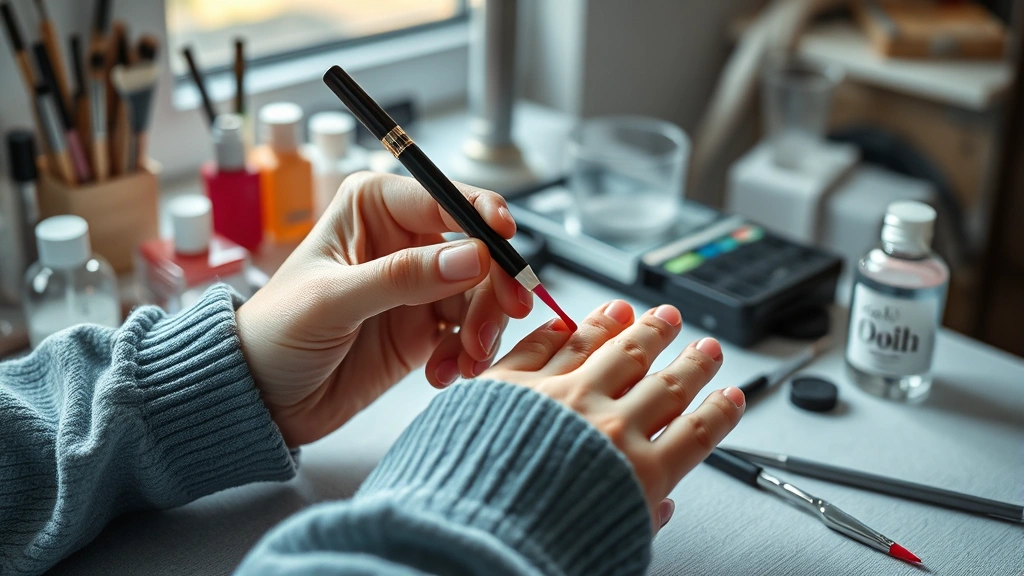
Cold water immersion is another trick that actually has merit. Dipping your fingers in ice water for a minute or two after the polish surface feels dry can help harden the outer layers faster. The cold doesn’t speed evaporation, but it does help the resins set more quickly.
Temperature & Humidity Impact
Your environment plays a massive role in drying time, and most people overlook this completely. Warm, dry conditions are ideal for nail polish drying. In a humid bathroom with the door closed, your polish takes significantly longer to dry because the moisture in the air slows solvent evaporation. I’ve painted my nails in summer humidity and winter dry heat, and the difference is shocking—sometimes double the drying time in humid conditions.
Temperature matters just as much. Cold slows down the chemical process. If your workspace is below 65°F, expect longer drying times. Conversely, warm rooms (around 75°F) speed things up. This is why nail salons typically keep their spaces warm—it’s not just for comfort, it’s practical chemistry. If you’re painting nails at home in winter, consider warming up your space or waiting until a warmer time of day.
Polish Thickness Matters
This is where technique becomes critical. The thickness of each coat directly impacts drying time. A thin, even coat dries much faster than a thick, goopy application. Many people make the mistake of applying one thick coat, thinking it’ll cover better and dry faster. Wrong on both counts. Two thin coats always outperform one thick coat in terms of coverage, appearance, and drying speed.
When you apply polish, use a light hand and let the brush do the work. You’re aiming for coverage, not a paint-like texture. If you need three coats to get good color, that’s fine—just keep them thin and allow 3-5 minutes between coats for partial drying. This approach actually saves time overall compared to waiting for one thick coat to cure.
Pro Tips for Faster Drying
After years of dealing with nail polish, I’ve picked up some genuine shortcuts that work:
- Paint in a warm, dry room: Keep humidity low and temperature around 72-75°F
- Use a fan strategically: A gentle breeze helps solvents evaporate without creating dust. Don’t point it directly at your nails—that’s too aggressive
- Apply thin base coats: A thin base coat layer dries faster than a thick one, and you still get the adhesion benefits
- Invest in quick-dry products: Quality quick-dry sprays and top coats genuinely reduce drying time by 30-50%
- Keep polish at room temperature: Cold polish (stored in a refrigerator, for some reason) takes longer to apply and dry
- Prepare nails properly: Clean, dry nails with removed cuticles accept polish faster than unprepared nails
- Use a top coat always: Quality top coats don’t just protect—they seal in moisture and speed final hardening
Common Drying Mistakes
I see people sabotage their own manicures constantly by making the same errors. The biggest mistake is touching or using your hands too soon. Even if the polish feels dry, it’s still setting internally. Typing, texting, or doing dishes in that first 30 minutes is a recipe for smudges and dents.
Another common error is applying polish in a cold, humid environment and then wondering why it takes forever to dry. You can’t fight physics. If your bathroom is steamy from a shower, that’s the worst place to paint nails. Wait for the humidity to drop.
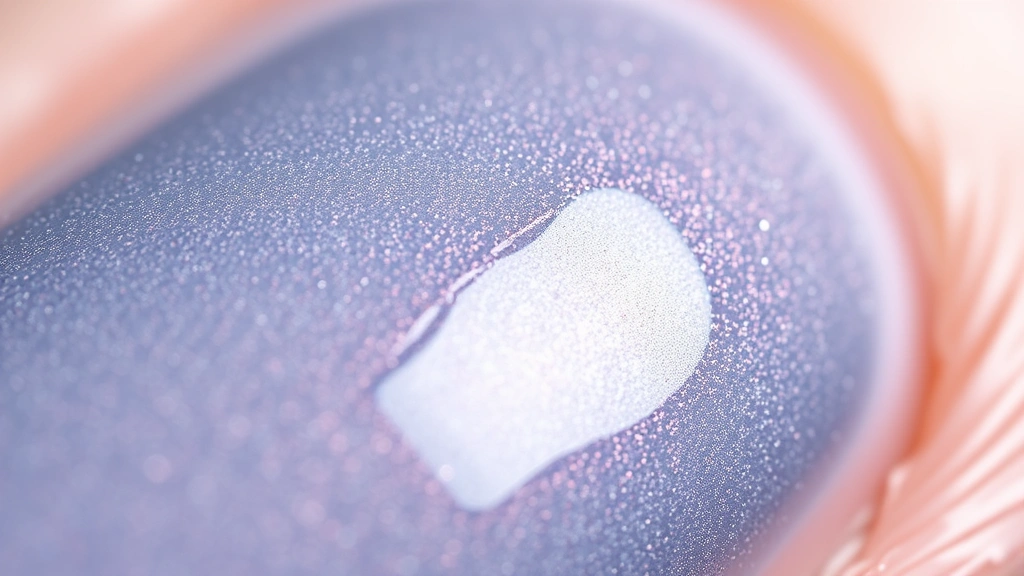
People also apply way too much polish in a single coat, then get frustrated when it takes 45 minutes to dry. Thin coats, multiple applications—that’s the professional approach. And don’t shake your polish bottle vigorously before use. Shaking creates air bubbles that trap solvents and slow drying. Roll the bottle gently between your palms instead.
Lastly, avoid the temptation to use heat sources like hair dryers on high. Excessive heat can cause polish to bubble or peel. If you use a dryer, keep it on low and maintain distance. The goal is gentle air circulation, not intense heat.
Frequently Asked Questions
Can I use my hands after 20 minutes?
Your polish will feel dry to the touch after 15-20 minutes, and you can do light activities like typing or texting carefully. However, avoid water exposure, heavy use, or contact sports for at least 2-3 hours. Full hardness takes 24 hours, so treat your nails gently during that window.
Why does gel polish dry so much faster?
Gel polish uses UV or LED light to cure through a photochemical reaction, which happens in seconds to minutes. Regular polish relies on solvent evaporation, which is a much slower physical process. The trade-off is that gel requires special equipment and acetone removal.
Does quick-dry spray actually work?
Yes, quality quick-dry sprays do work, typically reducing drying time by 30-50%. They contain fast-evaporating solvents and create a protective layer. Budget brands are hit-or-miss, so invest in reputable products for consistent results.
What’s the ideal room temperature for drying?
Aim for 72-75°F with humidity below 50%. Warmer temperatures speed evaporation, while humidity slows it significantly. If you’re in a cold climate, warm your painting space before starting.
Can I speed up drying with a fan?
Yes, but use a gentle fan at low speed positioned a few feet away. A strong fan or hair dryer on high can cause bubbling and uneven drying. The goal is subtle air circulation, not aggressive heat or wind.
How long until nail polish is completely hard?
While it feels dry in 15-20 minutes, nail polish reaches full hardness after 24 hours. Some formulas take even longer. This is why professionals recommend waiting a full day before exposing your nails to water or intense activity.


