
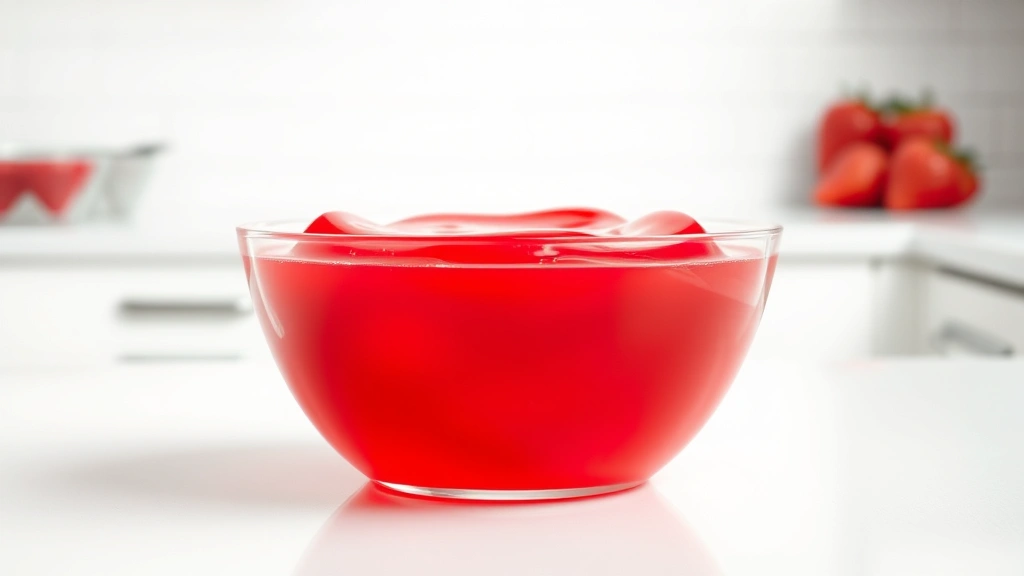
So you’re wondering how long does it take for jello to set? The short answer: typically 4-6 hours at room temperature, or 2-3 hours if you’re in a hurry with the fridge cranked up. But here’s the thing—there’s way more to it than just dumping powder in hot water and waiting. Temperature, humidity, the size of your mold, and even the type of jello all play a role in how fast that wiggly dessert becomes perfectly firm.
Table of Contents
Standard Setting Times
When you follow the box instructions, most gelatin desserts need about 4-6 hours to set completely at room temperature. If you’re working with a standard 6-ounce box of jello in a regular bowl or 9×13 pan, you’re looking at the longer end of that range. The gelatin needs time to fully hydrate and solidify, and rushing it usually means you’ll end up with a sloppy mess instead of that satisfying jiggle.
The “fully set” stage is when you can cut it into cubes or unmold it without it falling apart. Before that, it might wiggle and jiggle just fine, but the structure isn’t stable enough for serving. Think of it like concrete—it might feel firm to the touch before it’s actually cured all the way through.
Temperature Impact on Jello
Temperature is the biggest variable in how long does it take for jello to set. Your refrigerator temperature directly affects setting time. A standard fridge at 40°F will set jello in about 4-6 hours. If you crank it down to 35°F or lower, you can cut that down to 2-3 hours. Some people even use the freezer for 30-45 minutes, but be careful—go too long and you’ll get ice crystals instead of smooth gelatin.
Room temperature is basically a no-go unless you’ve got all day. At 70°F, you’re looking at 8+ hours, and in a warm kitchen, it might not set properly at all. This is why the fridge is non-negotiable for jello success.
Speed Up Your Jello
If you need jello fast, there are legitimate tricks. The ice water method is the MVP here: instead of using boiling water and then cold water, use boiling water with ice water or even ice cubes. This cools the mixture down faster, which means the gelatin starts setting sooner. You can cut your setting time to 1-2 hours this way.
Another option is the frozen fruit method. Use frozen fruit instead of fresh (or in addition to it), which lowers the overall temperature of the mixture. Just know that fresh pineapple, papaya, and kiwi actually prevent jello from setting because they contain enzymes that break down gelatin. Canned versions of these fruits are fine because the canning process neutralizes the enzymes.
The freezer trick works too, but monitor it closely. Every 15 minutes, give it a stir and check the edges. Once it starts to thicken noticeably, move it to the fridge to finish setting. This prevents the ice crystal problem and cuts your time down significantly.
Slow Down the Process
Sometimes you need jello to stay liquid longer—like when you’re making layered jello or adding ingredients that need time to suspend. Room temperature storage is your friend here. Keep it out of the fridge until you’re ready for it to set. Just don’t leave it out so long that it starts to separate or get weird.
If you’re making edible creations with jello, you might need it to set partially first so ingredients don’t sink to the bottom. In that case, let it chill for 30-45 minutes until it reaches a syrupy consistency, then add your mix-ins and return to the fridge.
Mold Size Matters
A thin layer of jello in a 9×13 pan sets way faster than the same amount in a tall, narrow mold. Thickness is the real factor here. Thin layers might set in 2-3 hours, while a deep mold could take 8+ hours because the gelatin has to set from the outside in, and it takes time for that firmness to reach the center.
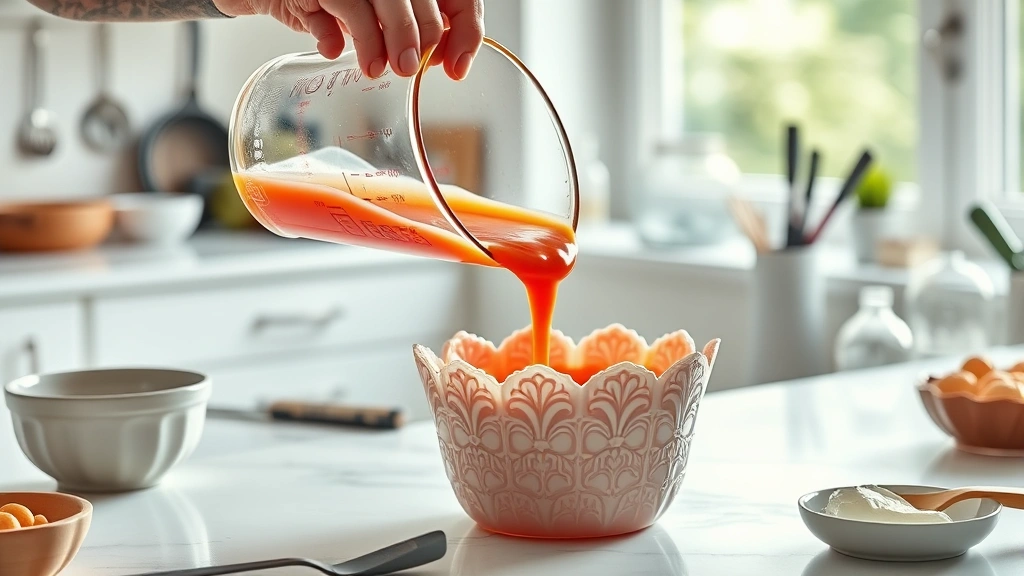
This is why those fancy bundt molds or tiered molds take longer than you’d expect. The gelatin on the edges might feel set, but the thick middle sections are still liquid. Patience is key with decorative molds.
Common Setting Mistakes
The biggest mistake people make is not using enough water or using water that’s too hot. The ratio matters—too much powder and not enough liquid means it’ll be rubbery and take longer to set properly. Follow the box instructions exactly, at least until you know what you’re doing.
Another common issue is adding ingredients before the jello reaches the right consistency. If you dump in fruit or marshmallows when it’s still liquid, they’ll float around or sink to the bottom. Wait until it’s syrupy (about 30-45 minutes in the fridge), then fold in your additions.
Opening the fridge constantly to check on it is annoying but won’t actually slow things down much. What does slow it down is keeping the fridge door open for extended periods, which raises the temperature. Quick peeks are fine.
Layered Jello Timing
Layered jello requires patience and planning. Each layer needs to set enough to support the next layer without mixing. This typically means 45-60 minutes per layer in the fridge. So if you’re making a three-layer jello, you’re looking at 2.5-3 hours minimum, plus the final setting time.
The trick is letting each layer get to that syrupy stage before pouring the next one. If it’s too liquid, the layers will mix. If it’s too solid, the next layer won’t adhere properly. It’s a bit of a dance, but once you nail the timing, you’ll look like a kitchen wizard.
Storage and Shelf Life
Once your jello is fully set, it’ll keep in the fridge for about 7-10 days in a covered container. The gelatin won’t spoil, but it can absorb odors from the fridge and develop a slightly rubbery texture over time. For best results, use it within 3-5 days.
If you need to store it longer, you can freeze jello, though the texture changes when it thaws. It becomes a bit grainier and less jiggly. It’s still edible and tasty, just not quite the same experience. Freezing works better for jello that’s going into smoothies or other recipes where texture matters less.
Similar to storing specialty items properly, jello needs the right conditions. Keep it covered to prevent it from drying out or absorbing fridge smells. A simple plastic wrap or container lid does the job.
Frequently Asked Questions
Can you eat jello before it’s fully set?
Technically yes, but it won’t have the right texture. Partially set jello is more of a thick liquid than a solid. If you like that consistency, go for it. Most people prefer to wait for full firmness, which is why the standard 4-6 hour timeline exists.

Does the type of jello flavor affect setting time?
Not really. Cherry, lime, orange, strawberry—they all set at roughly the same speed because they’re all the same gelatin base with different flavoring and coloring. The formula is consistent across flavors.
What if your jello won’t set at all?
Check your water ratio first. Too much water and it won’t firm up properly. Also verify you’re using actual gelatin and not some other dessert mix. If you added fresh pineapple, papaya, or kiwi, those enzymes are breaking down the gelatin—use canned versions instead. Finally, make sure your fridge is actually cold enough. A fridge that’s set too warm won’t set jello properly.
Can you speed up jello with the freezer?
Yes, but carefully. 30-45 minutes in the freezer can cut your time significantly, but leave it too long and you’ll get ice crystals. Stir it every 15 minutes and move it to the fridge once it starts thickening at the edges.
How do you know when jello is fully set?
The wiggle test is reliable. Give the container a gentle shake. Fully set jello should jiggle as a solid mass, not slosh around like liquid. If you can insert a knife and cut cleanly without it flowing back together, you’re good to go.
Does humidity affect jello setting?
Not directly in the fridge, but in a humid kitchen at room temperature, it might take slightly longer. Humidity doesn’t really change the chemistry, though. Temperature is what matters most.
Can you make jello ahead of time?
Absolutely. Make it 2-3 days ahead and store it covered in the fridge. It’ll stay good for up to a week. This is actually smart for parties or gatherings since you can prep it well in advance. Just like planning ahead for other desserts, jello prep work saves you stress on the day of.
What’s the difference between jello and gelatin?
Jello is a brand name for flavored gelatin dessert. Gelatin is the ingredient that makes it set. You can use unflavored gelatin to make your own jello-like desserts, and the setting times are the same.
Final Thoughts
So how long does it take for jello to set? Plan on 4-6 hours in a standard fridge, 2-3 hours if you’re using the ice water trick, and longer if you’re working with thick molds or layered designs. The key variables are temperature, thickness, and whether you’re adding ingredients that affect the gelatin.
The beauty of jello is that it’s forgiving. If you mess up the timing, worst case you’ve got a slightly softer dessert or you wait a bit longer. There’s no real penalty for patience here. Start your jello in the morning if you need it by evening, or make it the day before for a party. Either way, you’ll end up with that perfect, jiggly dessert that’s been a kitchen staple for generations.


