
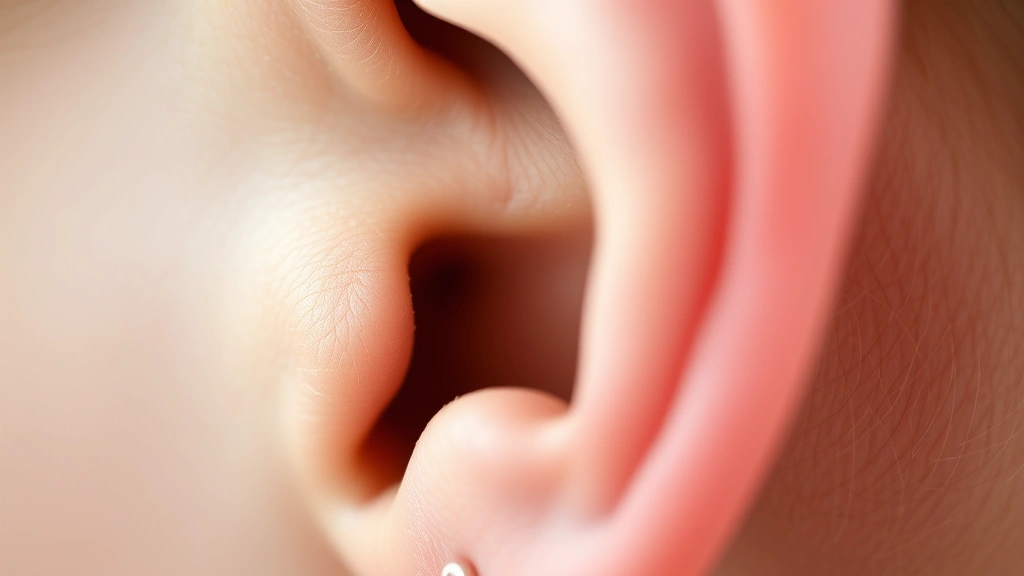
So you’ve decided to get your ears pierced—exciting! But here’s the real question everyone asks: how long does it take for ear piercings to heal? The answer isn’t as simple as “six weeks and you’re done.” Healing timelines vary wildly depending on where you got pierced, how you care for it, and your body’s natural healing speed. Think of it like any DIY project—prep work and maintenance make all the difference between a clean finish and a frustrating mess.
Table of Contents
Earlobe Piercings: The Fast Track
Standard earlobe piercings are your best bet if you want quick healing. Most people see complete healing in 6 to 8 weeks for the initial puncture to close up and stabilize. The earlobe is mostly soft tissue with great blood flow, which means your body can get to work repairing the wound efficiently. It’s like working with easy-to-sand wood versus dense hardwood—the job just moves faster.
That said, “healed enough to change jewelry” and “fully healed internally” are two different things. You might feel comfortable switching out studs after 6 weeks, but the tissue is still delicate. I’d recommend waiting at least 8 weeks before making any changes, especially if this is your first piercing.
Cartilage Takes Much Longer
Here’s where patience becomes essential. Cartilage piercings—think helix, tragus, or conch—need 3 to 12 months to fully heal, with many taking closer to 6 months as a realistic timeline. Some people’s cartilage takes even longer. Why? Cartilage has less blood flow than soft tissue, so your body heals it more slowly. It’s like the difference between refinishing a tabletop and rebuilding a solid wood frame—one takes significantly more time.
The outer edge of your ear might look “done” after a few months, but internally, the piercing channel is still stabilizing. Changing jewelry too early in cartilage piercings is one of the fastest ways to cause complications like keloids or migration. Trust me, patience here saves headaches later.
The Four Healing Stages Explained
Understanding what’s happening under the surface helps you make smart decisions about your piercing. Your body goes through distinct phases:
Stage 1: The Inflammatory Phase (Days 1-5)
Right after piercing, expect redness, swelling, and maybe some clear discharge. This is your immune system doing exactly what it should—treating the piercing like a wound and sending healing resources to the area. Keep it clean but don’t overdo it.
Stage 2: The Proliferative Phase (Days 6-21)
The swelling starts dropping, and your body begins building new tissue around the piercing. You might notice crusty buildup around the jewelry—that’s normal. This is when the piercing channel starts forming its protective lining.
Stage 3: The Remodeling Phase (Weeks 3-12)
The piercing looks mostly healed on the outside, but internally, your body is still strengthening the tissue. This is the sneaky phase where people think they’re done and make mistakes. Don’t be that person.
Stage 4: The Maturation Phase (Months 3+)
The tissue continues toughening up and stabilizing. For cartilage, this phase can last many months. The piercing becomes more resistant to irritation and complications.
Aftercare That Actually Matters
Healing speed depends heavily on how you treat your piercing. Here’s what actually works:
Saline Solution is Your Best Friend
Use a sterile saline solution (0.9% sodium chloride) twice daily. You can buy pre-made solutions or make your own by mixing 1/4 teaspoon non-iodized sea salt with 8 ounces of distilled water. Soak the piercing for 5-10 minutes or spray it on. This keeps the area clean without introducing harsh chemicals.
Keep Your Hands Off
I know it’s tempting to fiddle with new jewelry, but touching it introduces bacteria and irritates healing tissue. If you need to clean it, wash your hands first. Better yet, let the saline do the work for you.
Sleep Smart
If you got your earlobes pierced, try to sleep on the opposite side for the first few weeks. For cartilage piercings, this becomes even more critical. Sleeping on a fresh piercing puts pressure on it and can slow healing or cause complications.
Avoid Problem Products
Skip alcohol-based cleaners, hydrogen peroxide, and antibiotic ointments. These dry out the piercing and can actually slow healing. Stick with saline and water.
When Something Goes Wrong
Not all piercings heal smoothly. Watch for these warning signs:
Infection Red Flags
If you notice pus (yellowish or greenish discharge), excessive warmth, severe swelling that gets worse after day 3, or red streaks radiating from the piercing, you’ve got an infection. See a doctor or your piercer immediately. Don’t try to tough it out.
Keloids and Hypertrophic Scarring
Some people’s bodies build extra scar tissue around the piercing, creating a bump that won’t go away. This is more common in cartilage piercings and in people with darker skin tones. If you notice a persistent bump, talk to your piercer or dermatologist about treatment options.
Migration and Rejection
Sometimes the body pushes the jewelry out, causing the piercing to migrate or reject completely. This usually happens if you changed jewelry too early, used low-quality metal, or put too much pressure on the piercing. Prevention is way easier than dealing with rejection.
Changing Jewelry Too Soon
This is where most people mess up. Just because your piercing looks healed doesn’t mean it is. Changing jewelry too early can introduce bacteria, cause irritation, or even close up the piercing channel partially, trapping bacteria inside.
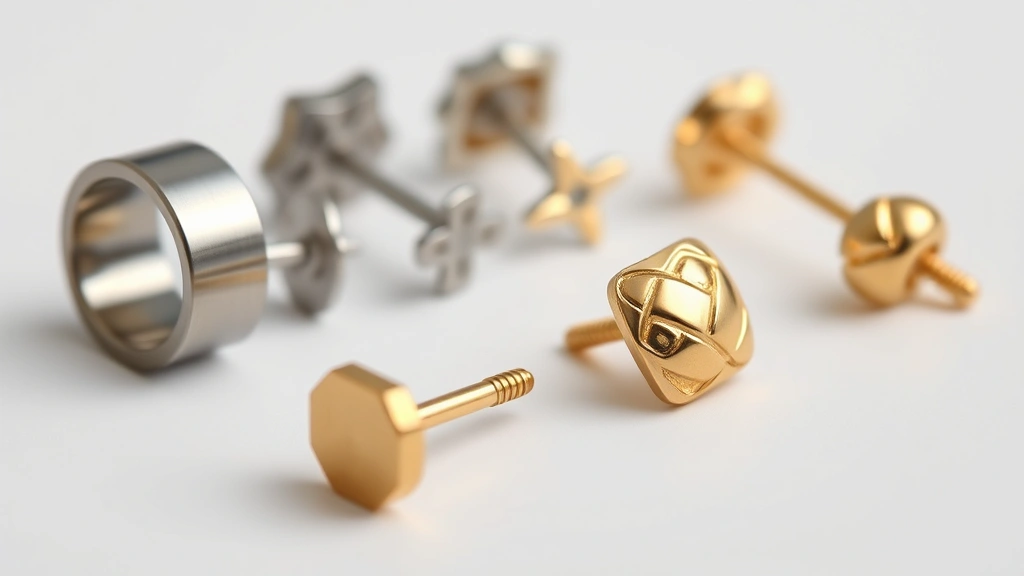
For earlobe piercings, wait at least 6-8 weeks before changing jewelry. For cartilage, I’d recommend waiting 3-6 months minimum, depending on how the healing is progressing. When you do change it, make sure you’re using high-quality materials like surgical steel, titanium, or solid gold. Low-quality metals can trigger reactions that set back healing significantly.
If you want to keep your options open, invest in quality initial jewelry from a reputable piercer. It’s worth the money to avoid complications.
Factors That Speed or Slow Healing
Your body isn’t a machine—healing speed varies. Several factors influence how quickly your piercing stabilizes:
Age and Overall Health
Younger people generally heal faster, but age isn’t everything. If you’re managing chronic conditions, taking immunosuppressants, or dealing with nutritional deficiencies, healing slows down. Diabetes, in particular, can significantly extend healing time.
Metal Sensitivity
If you’re allergic to nickel or other metals, your body treats the jewelry as a foreign invader, causing prolonged inflammation. This extends healing time considerably. High-quality titanium or solid gold eliminates this problem.
Smoking and Alcohol
Both constrict blood vessels and reduce oxygen flow to healing tissue. If you smoke or drink heavily, expect healing to take longer. This is one area where lifestyle choices directly impact results.
Stress and Sleep
Your body does most healing while you sleep. If you’re stressed or sleep-deprived, healing slows down. Prioritize rest during the first few weeks after piercing.
Piercing Location and Technique
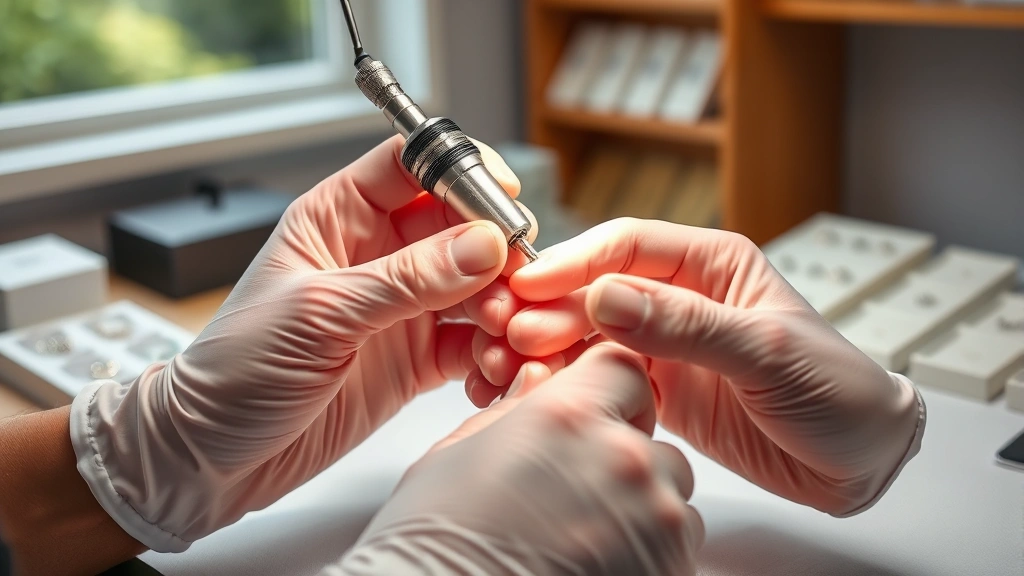
A professional piercer using proper technique creates a cleaner wound that heals faster. DIY or unprofessional piercings often have complications that extend healing time significantly.
What Piercers Really Recommend
I talked to several professional piercers about their best practices, and they all emphasize the same core principles:
First, go to a reputable piercer. This isn’t the place to save money. A professional uses sterile equipment, proper technique, and quality jewelry—all of which directly impact healing speed and success rates.
Second, follow your piercer’s aftercare instructions exactly. They know the specific details of your piercing and can give personalized guidance. Generic internet advice doesn’t account for your unique situation.
Third, be honest about your healing. If something feels off after a week, contact your piercer. Early intervention prevents small problems from becoming big ones. If you need to clean your jewelry regularly, check out our guide on how to clean gold jewelry for proper techniques that won’t damage your piercing or jewelry.
Frequently Asked Questions
Can I shower with a new piercing?
Yes, but be careful. Shower water is generally fine, but avoid submerging the piercing in pools, hot tubs, or baths for at least 2-3 weeks. Chlorine and bacteria in those environments increase infection risk. After showering, gently pat the area dry with a clean paper towel.
What if my piercing closes up?
Earlobe piercings can close within days if you remove the jewelry. Cartilage piercings might stay open longer, but they can still close. If you need to remove jewelry temporarily, put it back in as soon as possible. If it closes completely, you’ll need to get re-pierced.
Is it normal for my piercing to hurt after a week?
Some tenderness is normal for the first week or two, but sharp pain after that usually indicates a problem. It could be irritation from the jewelry, an infection, or sleeping on it. If pain persists, see your piercer.
Can I wear earbuds with a healing piercing?
Avoid earbuds and headphones for at least 2-3 weeks. They put pressure on the piercing, introduce bacteria, and can cause irritation. For cartilage piercings, wait even longer. Your hearing can survive a few weeks without them.
What’s the best jewelry material for healing?
Surgical steel, titanium, and solid gold (14k or higher) are your best options. Avoid plated jewelry, nickel-containing alloys, and mystery metals. Quality jewelry costs more upfront but prevents complications that cost way more in the long run.
Do I need to rotate my jewelry while it heals?
Modern piercing wisdom says no. Rotating the jewelry can irritate the healing channel and introduce bacteria. Leave it alone and let it heal. Your piercer will tell you when it’s safe to change.
The Bottom Line
How long does it take for ear piercings to heal? For earlobes, expect 6-8 weeks. For cartilage, plan on 3-12 months. But these timelines only work if you follow proper aftercare, resist the urge to fiddle with your jewelry, and see a professional if something seems off.
The real secret isn’t complicated: get pierced by a professional, use quality jewelry, keep it clean with saline solution, keep your hands off it, and be patient. Treat your new piercing like any good DIY project—the prep work and attention to detail determine whether you get a clean result or a frustrating mess. Your future self will thank you for taking the time to do it right.


